



Flexible dieting, or “If It Fits Your Macros” (IIFYM), means eating to daily targets for protein, fat and carbs instead of a fixed meal plan. This macronutrient calculator sets those targets: your daily calories to lose fat, stay the same weight or gain slowly, then the grams of protein, fat, carbs and fibre, with protein, fat and carbs split by meal. It works out your maintenance calories the way our TDEE calculator does, or starts from a calorie number you already know.
Example: 180 lb man, 35, moderately active
2,449calories a day
Eat about 2,449 calories a day, 449 less than your 2,898 maintenance, to lose about 0.41 kg (0.9 lb) a week.
Enter your own details above to replace this example.
Weekly loss
0.9 lb
0.50% of your body weight a week.
Fat
82 g
30% of calories, never under 54 g; 21 g a meal.
Carbs
330 g
The rest of your calories; 83 g a meal.
Fibre
34 g
14 g per 1,000 calories, at least 25 g. Saturated fat under 27 g.
Ticks: the lowest target we set and your maintenance. Shaded: the targets we allow you.
| How we got your number | Calories |
|---|---|
| BMR, calories at restMifflin-St Jeor equation | 1,758 |
| MaintenanceModerately active; 2023 National Academies equation | 2,898 |
| Deficit, 15.5% of maintenance | -449 |
| Lowest target we setThe higher of 1.2 x your BMR or 1,500 calories | 2,110 |
| Daily target | 2,449 |
| One way to get your protein | Protein |
|---|---|
| Chicken breast, roasted2 x half breast, 172 g | 53 g |
| Greek yogurt, plain, nonfat1 container, 170 g | 17 g |
| Lentils, boiled1 cup, 198 g | 18 g |
| TotalClose to your 98 g; food values from USDA FoodData Central | 88 g |
target = 2,898 maintenance - 449 deficit = 2,449 kcal, never below 2,110; weekly loss = 449 x 7 / 7,700 = 0.41 kg. Maintenance: the equation our TDEE calculator uses. Protein: our protein calculator's rules. Rate: 0.25 to 1% of body weight a week (Helms 2014), with the deficit capped at about 25% of maintenance, and not under the lowest target our TDEE calculator sets, unless you are losing weight and that lowest target is above your maintenance: then we hold you at maintenance. Fat 20 to 35% of calories (ISSN, AMDR), carbs the rest; fibre 14 g per 1,000 calories.
What is IIFYM and Macros?
Basically, IIFYM or if it fits your macros involves eating whatever you want, if it fits your macros. There is no need for set meal times, starving, the low-carb principle, or battling with hunger and cravings. Foods such as sweets, grease, or refined sugar aren’t quite as shunned according to this method.
Although, we do advise you to consume these foods in very limited quantities for your health, if for nothing else. But the saying, “you are what you eat” does hold true for the most part which you should keep in mind.
Now, the three macronutrients include protein, carbohydrates, and fat. They are referred to as macros because the human body needs them in large amounts to sustain basic daily function and life. But micronutrients are also essential for optimal health which we get through our foods as well. These include minerals such as zinc, phosphorus, calcium, iron, and magnesium.
Carbohydrates
Carbohydrates are the basic source of fuel for your body and muscles. You basically spend the energy from carbohydrates first. Not to mention, it’s the only macronutrient that can be broken down rapidly enough to sustain high-intensity forms of exercise or activity. And especially if the intensity of your activity is maximal or submaximal.
Fats
Good fats are also a good source of energy for the activities that last longer but this macro is actually utilized as the main source of energy for the ketogenic lifestyle. Keto involves consuming less than 50g of carbs which allows fat to take over, which then produces fat ketones in the blood that converts to a very effective source of energy.
Fat also helps the immune system and regulates hormones while also maintaining the function of your nervous system.
Protein
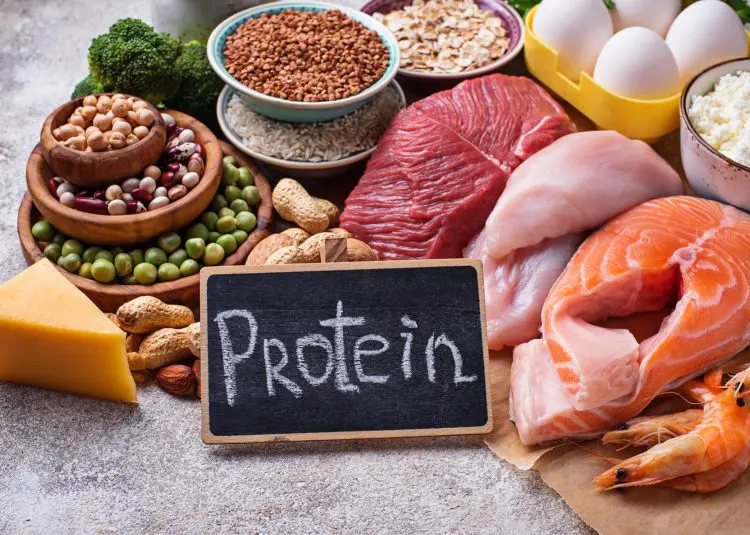
Protein is a very essential macronutrient: it builds muscle and essentially all body tissue. Plus, it’s crucial for enzymatic functions, hormones, and much more. Protein increases the feeling of satiety as well which makes it a great weight loss macro and it can also be used for energy if needed.
To work out your macros, the calculator needs:
- Weight, height and age
- Sex
- Activity level: sedentary, lightly, moderately, very or extra active. If you already know your daily calories, you can enter them instead.
- Goal: lose fat (and how fast), stay the same weight, or gain slowly
- Whether you lift weights
- More carbs, balanced, or more fat
- Anything that changes your needs: pregnancy, breastfeeding, a GLP-1 medicine or kidney disease. For pregnancy, breastfeeding and kidney disease, the calculator gives no numbers and tells you who should set them.
- Meals a day, and your body fat percentage if you know it
Remember, the caloric and macronutrient content of food plays a role in body composition. Weight loss means you expend more energy than you consume, and weight gain requires more consumption than expenditure. Maintenance is equal consumption and expenditure.
Activity level determines your daily needs. Someone who is very active should eat more than someone who lives a sedentary lifestyle to maintain their weight.
The following points are essential to the weight loss process…
- The most important factor in dieting is energy consumed vs energy spent.
- The caloric breakdown of proteins, fats, and carbohydrates.
- The number of calories and macronutrients the specific food provides.
Related: Calculate your daily protein intake
Macronutrient Percentages
The proper macronutrient percentages depend on your carbohydrates, fats, and proteins. These levels vary, depending on your goals. For adults, the National Academies set acceptable ranges of 45 to 65% of calories from carbohydrate, 10 to 35% from protein and 20 to 35% from fat. Our calculator works in grams: protein from your body weight, fat at 25, 30 or 35% of your calories, and carbs from the rest.
Calculating Macronutrients
There are two things you must know to be able to manipulate your body composition which are basal metabolic rate (BMR), and total daily energy expenditure (Try TDEE Calculator). Our macro calculator estimates both and shows them in your result, then builds your calories and macros from your maintenance calories.
BMR is the amount of energy your body burns when you rest, and also the minimum amount of energy which keeps you alive. The macro calculator uses a formula to calculate this value.
The calculator estimates BMR (in calories) with the Mifflin-St Jeor equation, as our TDEE calculator does:
- 10 x your weight (kg), plus 6.25 x your height (cm), minus 5 x your age, then plus 5 for men or minus 161 for women.
- If you enter your body fat percentage, it uses Katch-McArdle instead: 370 + 21.6 x your lean body mass (kg).
TDEE is BMR plus all the energy you spend on various physical activities, including your training sessions. For adults 19 and over, the calculator works it out with the 2023 National Academies equation our TDEE calculator uses, from your weight, height, age, sex and activity level. It is not 100% accurate but gives you a good base to start.
If you enter your body fat, or you’re 18, the calculator multiplies your BMR by these activity factors instead:
- Sedentary: 1.2
- Lightly active: 1.375
- Moderately active: 1.55
- Very active: 1.725
- Extra active: 1.9
For weight loss, the calculator sets a deficit that loses 0.5% of your body weight a week, or 0.25, 0.75 or 1% if you choose. It caps the deficit at about 25% of your maintenance calories, and the lowest target it sets is the higher of 1.2 times your BMR or 1,200 calories for women and 1,500 for men; if that is above your maintenance, it keeps you at maintenance, with no deficit. Within that target:
- Protein is 1.2 g per kg of body weight a day (about 0.55 g per pound), or 1.8 g per kg (about 0.8 g per pound) if you lift weights. It follows the rules of our protein calculator: at 65 or older it’s 1.2 g per kg, with a BMI of 30 or more it’s based on the weight that gives a BMI of 25 at your height, and lean lifters who enter their body fat get 2.3 g per kg of lean mass.
- Fat is 30% of your calories, or 25% or 35% if you choose more carbs or more fat. It never drops below 20% of your calories.
- The rest of your meal should be carbs.
If you want to gain muscle, the calculator adds enough calories to gain 0.25% of your body weight a week, a slow rate that keeps fat gain down. For a bigger surplus, use our weight gain calculator. Within that target:
- Protein is 1.6 g per kg of body weight a day (about 0.7 g per pound) if you lift, or 1.2 g per kg if you don’t, with the same age and BMI rules.
- Fat is 30% of your calories, or 25% or 35% if you choose more carbs or more fat.
- The rest of your meal should be carbs.
- Don’t overeat, overeating stores all the extra calories into your fat, it is counter-productive.
Keto Macro Calculator And Keto Diet Principles
When you want to achieve ketosis, the most recommended model is using 70-80% of energy from fats, 20-25% from proteins, and 5-10% from carbohydrates.
Keto macro calculator is used to calculate the standard percentage of fat, proteins, and carbohydrates in a regular ketogenic diet. It also depends on the extent to which you follow the keto diet it can vary slightly.
A cyclical keto diet alternates low-carb and high-carb days: usually 5 or 6 days a week at 20 to 50 g of carbs a day, then 1 or 2 days with carbs at about 60 to 70% of calories.
The high-protein keto diet means additional amounts of protein. For example, you can modify the protein or fat ratio plus or minus 10 but the amount of proteins remains the same.
This macro calculator has no keto setting. For keto macros, use our keto calculator.
The most recommended food for the keto-diets are meat, seafood, oils, eggs, dairy products, nuts and seeds, and low carb vegetables (everything but potatoes but we recommend you to stick green leafy vegetables). You can have small amounts of strawberries, avocados, blueberries, and raspberries.
The Advantages Of Macro Calculator – Why IIFYM and Macronutrient Calculator Works?
The main principles of IIFYM do not ban carbs or a specific food. This could be useful because some people who cut certain foods entirely might get serious cravings which can lead to overindulging.
IIFYM allows you to have your favorite foods as long as you control the intake of your macronutrients. All you need to follow strictly is the amount of food, and you mustn’t overeat. But there are no food group prohibitions! But again, it’s recommended to try and work your way up to consuming mostly healthy foods.
This is essential for your overall, health, and goals. As a result, you’ll get all the micronutrients, have enough energy, and your body can function properly.
Macronutrients Versus Micronutrients
A balanced number of micronutrients is vital for optimal health. Many essential functions are impossible without vitamins (A, B, C, D, E, K), minerals (copper, manganese, iodine, zinc, iron, and selenium), and fibers. micronutrients are also an element of health than cannot be manipulated or changed, unlike macronutrients. Each body requires a healthy amount of micronutrients and there aren’t substitutions.
The healthiest food with the highest amount of micronutrients include foods such as kale, poultry meat, broccoli, almonds, potato, salmon, kidney beans, brown rice, eggs… Green leafy vegetables don’t contain many calories but it will load your body with significant micronutrients.
Frequently Asked Questions
What are macronutrients?
Protein, carbohydrates, and fats are macronutrients that are required in large amounts in the diet to sustain life and many bodily functions.
What is protein, carbs, and fat?
Protein is essential for the growth and repair of body tissue (muscle, bone, hair, etc) in addition to making up enzymes required for chemical reactions and hemoglobins which transport oxygen in the blood.
Carbs are the body’s main energy source as it converts into glucose to be burned as fuel to support daily activities.
Fats are essential for energy, cholesterol levels, and helping the body to optimally absorb nutrients.
How are my macronutrients calculated?
It starts from your maintenance calories, worked out from your weight, height, age, sex and activity level the way our TDEE calculator does. To lose fat, it takes off enough to lose 0.5% of your body weight a week, or 0.25, 0.75 or 1% if you choose, with the deficit capped at about 25% of maintenance. To gain, it adds enough for 0.25% a week. If you choose “I know my calories”, the number you enter is your target instead. Every target is checked against the lowest one the calculator sets for you. Protein then comes from your body weight and whether you lift, fat is 25, 30 or 35% of your calories, and carbs make up the rest.
What is the difference between macronutrients and micronutrients?
Macronutrients (protein, carbs. and fat) are required in large amounts to sustain everyday life.
Micronutrients (vitamins and minerals) are required in smaller amounts and these nutrients are necessary for maintaining many bodily processes and health.
Other similar calculators:
- Bench Press Calculator
- Carb Cycling Calculator
- Fasting Calculator
- Weight Gain Calculator
- TDEE Calculator
- Body Fat Calculator
- Ideal Body Weight Calculator
- Body Surface Area Calculator
Final Words
This calculator turns your weight, height, age, sex, activity level and goal into a daily calorie target, then splits it into grams of protein, fat, carbs and fibre. Flexible dieting leaves the food choices to you, as long as they add up to those numbers.
Treat the targets as a starting point. The maintenance equation works from averages, so your body may burn more or fewer calories than it predicts. Weigh yourself for a few weeks. If your weight moves faster or slower than you planned, raise or lower your calories a little, choose “I know my calories” and enter the new number: the calculator splits it into macros and still checks it against the lowest target it sets.






Hey Thank you for putting out another article I seriously love your site and content and i really like what you have been posting lately. In my quest to loose weight I’ve come across this product that a lot of people swear by i wanted to see if you could you give me your thoughts on it looking forward for your next post!!