

Water fasting means drinking nothing but water for a set time, usually 24 to 72 hours. You eat no food and drink nothing with calories, so it is stricter than a liquid diet and stricter than fasts that allow black coffee or tea.
Healthy adults can usually do a water fast of up to 3 days safely if they prepare and stop when warning signs appear. Longer fasts should only be done under medical supervision. (1) Below: what happens to your body at each stage, what the research shows, the risks, and how to start and end a fast.
How to Do a Water Fast

- Build up first. Get used to daily fasting such as 16:8, then a 24-hour fast, before you try 48 or 72 hours.
- Check with your doctor if you have any medical condition or take regular medication.
- Pick quiet days without hard training or demanding work. Many people fast over a weekend.
- Drink regularly. About 2 to 3 liters a day is a common target; drink to thirst and keep your urine pale. (1) Mineral water or an unsweetened electrolyte mix helps replace the sodium, potassium and magnesium you would normally get from food. Our fasting electrolyte calculator gives daily reference amounts.
- Plan how you will end it (see below). Breaking the fast is where most problems happen.
To see your own timeline and an estimate of weight change, use our water fasting calculator.
Stages of Water Fasting
| Time without food | What is happening |
|---|---|
| 0 to 12 hours | Your body runs on your last meal, then on glycogen (stored sugar) in your liver. |
| 12 to 36 hours | Liver glycogen runs low. Your body burns more fat and starts making ketones: the “metabolic switch”. (2) |
| 24 to 48 hours | Most energy now comes from fat. You lose water with the glycogen, which is why the scale drops quickly. Hunger often comes in waves. |
| 48 to 72 hours | Ketones keep rising. Growth hormone output goes up sharply (about 5-fold on day 2 in one study of healthy men). (3) Electrolyte losses add up. |
| Over 72 hours | A prolonged fast. More of the weight lost comes from lean tissue, and the risks of electrolyte problems and refeeding syndrome rise. Do this only with medical supervision. |
Why the early weight drop is mostly water: your body stores roughly 500 to 600 grams of glycogen, and each gram is stored with about 3 grams of water. (4) Using up that glycogen can take 2 kg (4 to 5 lb) or more off the scale in the first couple of days, and most of it comes back when you eat again.
You will often see claims that autophagy (the cell clean-up process) “starts at 24 hours” or that the immune system “resets at 72 hours”. Those timings come mostly from animal studies; there is no reliable way yet to measure them in people.
24-Hour Water Fast
A 24-hour water fast, for example from dinner to dinner, is the best first step. It is long enough to run down your liver glycogen and start burning more fat, and short enough that most healthy people manage it without trouble. Expect hunger around your usual meal times, and possibly a headache if you normally drink coffee. Break it with a normal-sized, balanced meal. See our 24-hour fast guide.
48 and 72 Hours
The second day is usually the hardest for hunger and energy. For a full guide to the two-day version, read our 48-hour fast guide. For longer fasts, see the 5-day and 7-day water fast guides, and plan any fast longer than 72 hours with a doctor.
Water Fasting Benefits: What the Research Shows
Weight Loss

You lose weight fast on a water fast, but not all of it is fat:
- In a trial of 45 normal-weight adults, a 5-day water fast cut body weight by 4.59 kg and waist size by 9.85 cm. (5)
- A review of human trials found that fasts of 5 to 20 days led to 2 to 10% weight loss, but about two-thirds of the weight lost was lean mass and only one-third fat. (6)
That lean-mass loss is the main reason longer water fasts aren’t a good everyday weight loss tool. For steady fat loss, a moderate daily calorie deficit works better. Our calorie deficit calculator and TDEE calculator help you set one.
Blood Pressure
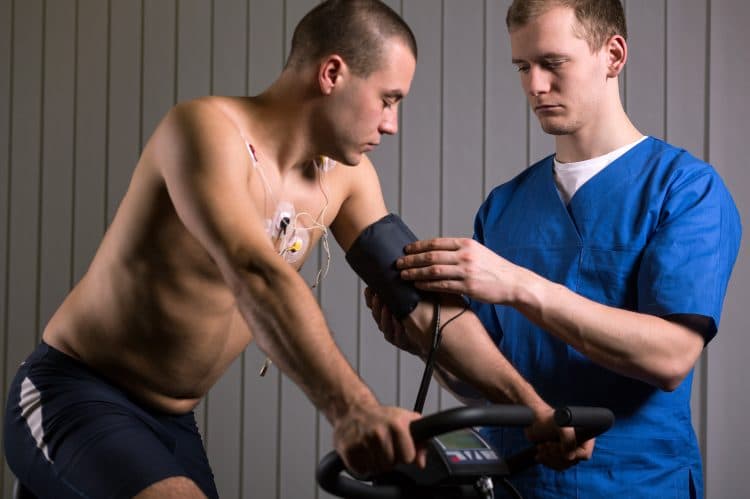
Blood pressure falls consistently during prolonged water fasts. (6) In one clinic’s records of 174 people with high blood pressure who fasted under medical supervision, almost 90% reached a blood pressure below 140/90, with an average drop of 37/13 mm Hg (60/17 mm Hg in the most severe cases). (7) That study had no comparison group, and it was supervised: don’t stop or change blood pressure medication on your own.
Blood Sugar and Insulin
In adults with normal blood sugar, prolonged fasting lowered fasting glucose, insulin and HbA1c. In people with type 1 or type 2 diabetes, these markers didn’t change. (6)
How Long the Benefits Last
Not long without other changes. Trials that followed people afterward found the metabolic improvements were gone 3 to 4 months after the fast, even when the weight stayed off. (6)
Water Fasting Risks
In a review of 768 medically supervised water-only fasts of 2 days or more, most side effects were mild and expected; 2 visits had a serious event. (8) Those people were monitored by doctors. At home, the main risks are:
Electrolyte Imbalance
Food is your main source of sodium, potassium, magnesium and phosphate. Over several days they can run low, causing headaches, cramps, weakness, nausea, confusion and heart rhythm problems. (1)
Refeeding Syndrome
This is the most dangerous risk, and it happens when you start eating again, not during the fast. After about 5 days or more with little or no food, a sudden large intake of food, especially carbohydrate, makes insulin rise and pulls phosphate, potassium and magnesium into cells. Blood levels can drop dangerously, causing weakness, confusion, breathing trouble, seizures and heart failure. It can be fatal. (9)
Kidney Stress and Uric Acid
Prolonged water fasting raises uric acid and can affect kidney function, which can trigger gout or kidney stones. (10) People with kidney disease or gout shouldn’t water fast.
Eating Disorders
In a 5-year study of adolescent girls, fasting predicted later binge eating and bulimic symptoms. (11) Avoid water fasting if you have, or have had, an eating disorder.
Common Side Effects
Hunger, headaches, tiredness, dizziness when standing, poor sleep, irritability, bad breath, nausea and feeling cold are common, especially on day 2 and 3. (6)
Signs You Should Stop a Water Fast
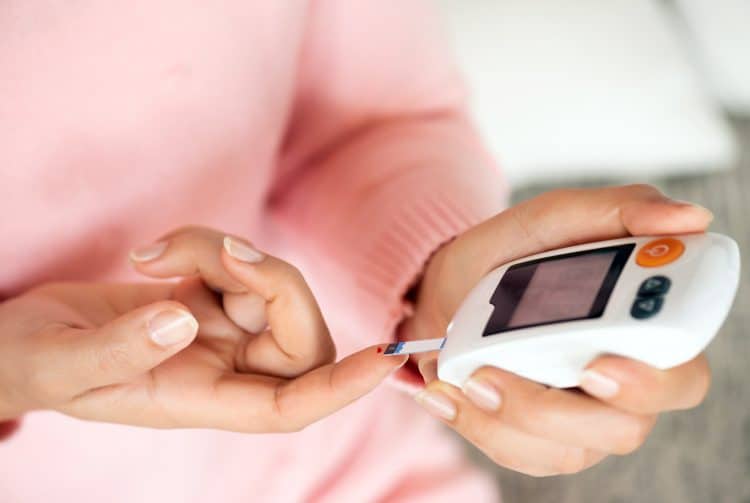
Stop fasting and eat something small (or drink something with sugar and salt) if you have:
- Fainting or nearly fainting, or dizziness that doesn’t pass when you sit or lie down
- Chest pain, a racing or irregular heartbeat, or shortness of breath
- Confusion, trouble concentrating that is getting worse, or slurred speech
- Repeated vomiting, or nausea that stops you drinking
- Severe stomach pain
- Muscle cramps or weakness that keep getting worse
- Very dark urine or very little urine
Get medical help straight away for chest pain, fainting, confusion or breathing trouble, or if symptoms don’t settle after eating. Ordinary hunger and irritability are not reasons to panic, but feeling truly unwell is.
How to Break a Water Fast
- After 24 to 48 hours: start with a small, easy meal such as soup, eggs, yogurt, or fish or chicken with cooked vegetables. Eat slowly and return to normal meals by the next day.
- After 3 days or more: go more slowly. Start with small portions of broth, soup or soft foods, then add normal meals over 1 to 2 days. Avoid large, sugary or very fatty meals at first.
- After 5 days or more: refeeding should be planned with a doctor because of the risk of refeeding syndrome. (9)
Who Should Not Water Fast
Don’t water fast without medical supervision if you:
- Have diabetes, or take insulin or other glucose-lowering medication
- Take blood pressure medication, diuretics, blood thinners or other regular medication
- Have kidney disease, gout, heart disease or a heart rhythm problem
- Are pregnant or breastfeeding
- Are under 18 or underweight
- Have, or have had, an eating disorder
Learn everything about fasting
- 10 Best Electrolyte Powders for Fasting of 2026
- Fasting Electrolyte Calculator: Daily Reference Intakes
- PSMF Calculator - Protein Sparing Modified Fast
- Fasting Schedule Generator - Build Your Plan
- Ketosis Calculator - When Do You Enter Ketosis?
- Metabolic Switching Calculator - Fat Burning Timeline
- 5:2 Diet Calculator - Fast Day Calories
- IF Macro Calculator - Intermittent Fasting Macros
FAQs About Water Fasting
How long can you safely do a water-only fast?
Healthy adults can usually manage up to 72 hours. Anything longer should be supervised by a doctor.
How much weight do you lose on a water fast?
Often 1 to 2 pounds or more a day at first, but much of that is water and glycogen that comes back. Over longer fasts, about two-thirds of the weight lost is lean mass, not fat. (6)
Can I drink coffee or tea on a water fast?
Strictly, no: a water fast is water only. Many people still add plain sparkling water or electrolytes. If you want black coffee or tea, it is simply a “fast” rather than a water fast; check any drink in our what breaks a fast tool.
Does drinking water break a fast?
No. Plain water has no calories and doesn’t break any kind of fast.
What is the hardest day of a water fast?
For most people, day 2 or day 3, when hunger, tiredness and low mood tend to peak before easing.
How often can you do a water fast?
There is no research-based schedule. Short fasts (24 to 48 hours) now and then are reasonable for healthy adults; longer fasts should be rare and supervised.
The Bottom Line
A water fast means water only, usually for 24 to 72 hours. It lowers weight and blood pressure quickly, but much of the weight is water and lean tissue, and the benefits fade within a few months. Build up gradually, use electrolytes, stop if you feel truly unwell, break the fast slowly, and get medical supervision for anything longer than 3 days or if you have a health condition.
References
Fitness Volt is committed to providing our readers with science-based information. We use only credible and peer-reviewed sources to support the information we share in our articles.
- Ogłodek E, Pilis W. Is Water-Only Fasting Safe? Glob Adv Health Med. 2021;10:21649561211031178.
- Anton SD, Moehl K, Donahoo WT, et al. Flipping the Metabolic Switch: Understanding and Applying the Health Benefits of Fasting. Obesity. 2018;26(2):254-268.
- Hartman ML, Veldhuis JD, Johnson ML, et al. Augmented growth hormone (GH) secretory burst frequency and amplitude mediate enhanced GH secretion during a two-day fast in normal men. J Clin Endocrinol Metab. 1992;74(4):757-765.
- Murray B, Rosenbloom C. Fundamentals of glycogen metabolism for coaches and athletes. Nutr Rev. 2018;76(4):243-259.
- Jiang Y, Yang X, Dong C, et al. Five-day water-only fasting decreased metabolic-syndrome risk factors and increased anti-aging biomarkers without toxicity in a clinical trial of normal-weight individuals. Clin Transl Med. 2021;11(8):e502.
- Ezpeleta M, Cienfuegos S, Lin S, et al. Efficacy and safety of prolonged water fasting: a narrative review of human trials. Nutr Rev. 2024;82(5):664-675.
- Goldhamer A, Lisle D, Parpia B, et al. Medically supervised water-only fasting in the treatment of hypertension. J Manipulative Physiol Ther. 2001;24(5):335-339.
- Finnell JS, Saul BC, Goldhamer AC, Myers TR. Is fasting safe? A chart review of adverse events during medically supervised, water-only fasting. BMC Complement Altern Med. 2018;18(1):67.
- Mehanna HM, Moledina J, Travis J. Refeeding syndrome: what it is, and how to prevent and treat it. BMJ. 2008;336(7659):1495-1498.
- Mojto V, Gvozdjakova A, Kucharska J, et al. Effects of complete water fasting and regeneration diet on kidney function, oxidative stress and antioxidants. Bratisl Lek Listy. 2018;119(2):107-111.
- Stice E, Davis K, Miller NP, Marti CN. Fasting increases risk for onset of binge eating and bulimic pathology: a 5-year prospective study. J Abnorm Psychol. 2008;117(4):941-946.