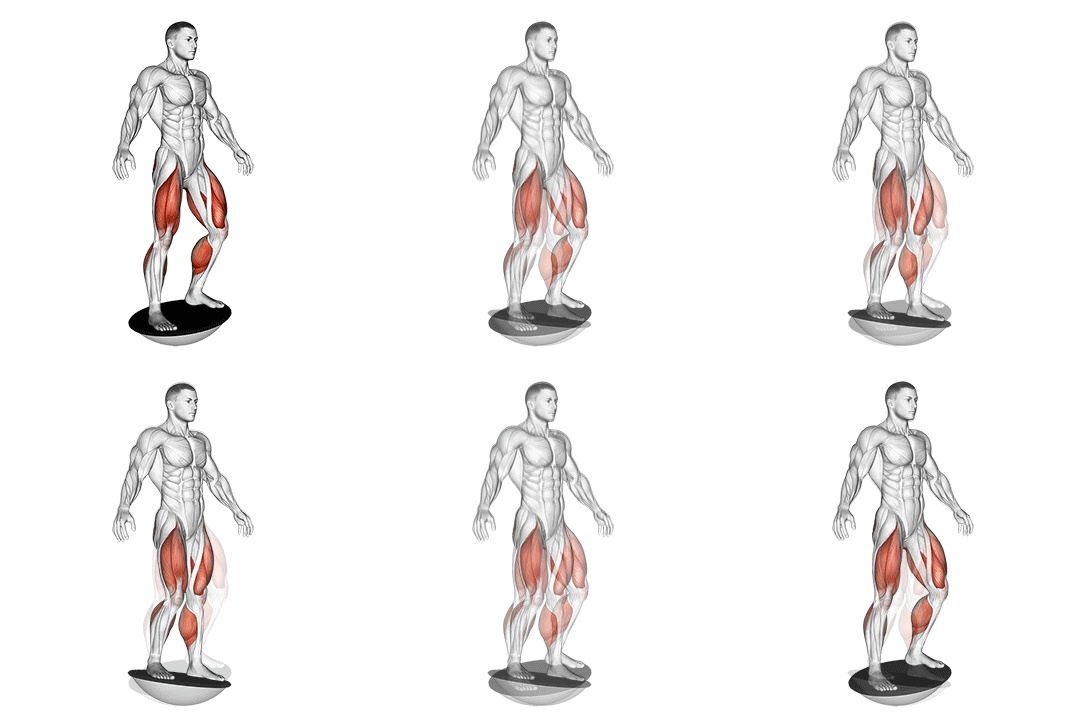
All Fours Squad Stretch vs Chair Leg Extended Stretch

Compare target muscles, equipment, difficulty, movement type, and secondary muscles for All Fours Squad Stretch and Chair Leg Extended Stretch.

Change comparison Share

Get comparison link

Select the link and use your device's Copy command.

Comparison overview

AI-generated
All Fours Squad Stretch vs Chair Leg Extended Stretch — both are beginner-friendly quad isolations you can do at home. In this comparison I’ll walk you through technique cues, biomechanical differences (hip angle, knee flexion, and length-tension), secondary muscle recruitment, equipment needs, and when to pick each move for mobility, pre-work activation, or recovery. You’ll get specific cues (knee alignment, pelvic tilt, ankle position), recommended hold times (30–60 seconds), and practical tips so you can choose the stretch that best moves your training forward.

Exercise Comparison

Exercise A
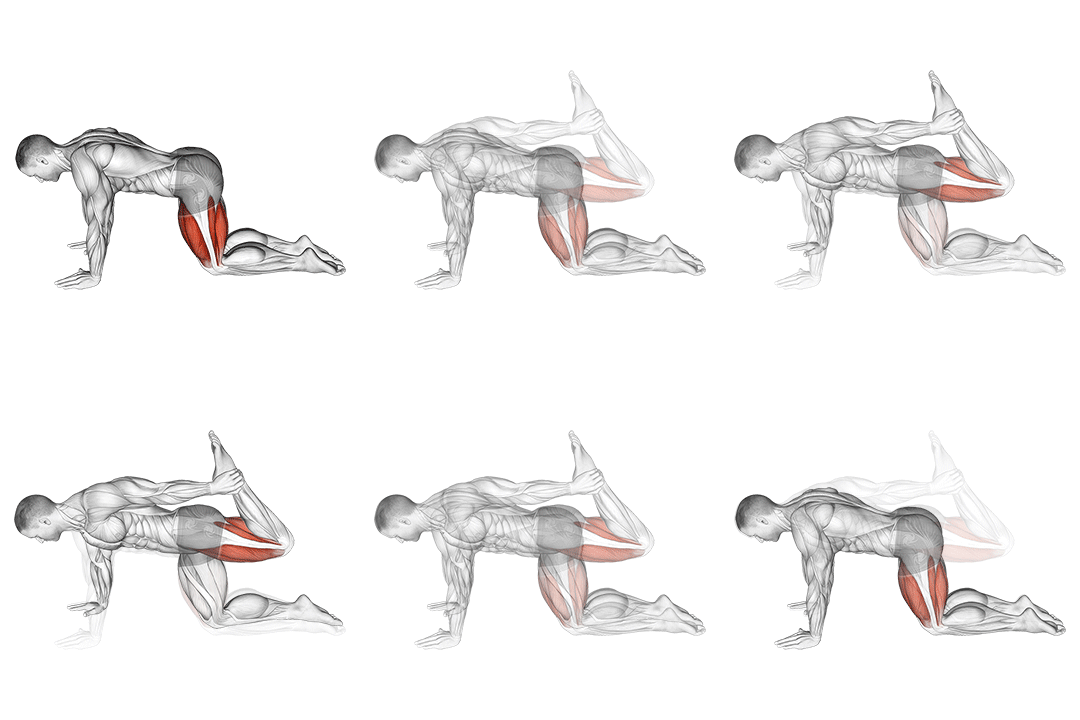
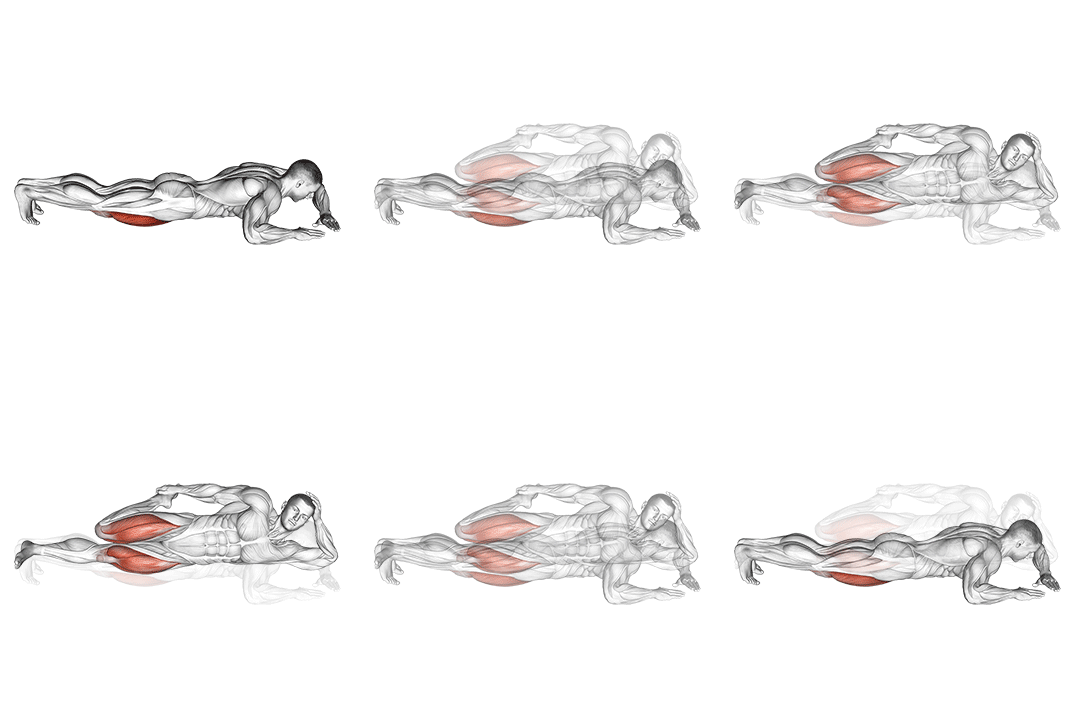
All Fours Squad Stretch demonstration

All Fours Squad Stretch

Target Quads
Equipment Body-weight
Body Part Upper-legs
Difficulty Beginner
Movement Isolation
Secondary Muscles
Hamstrings Glutes
VS
Exercise B
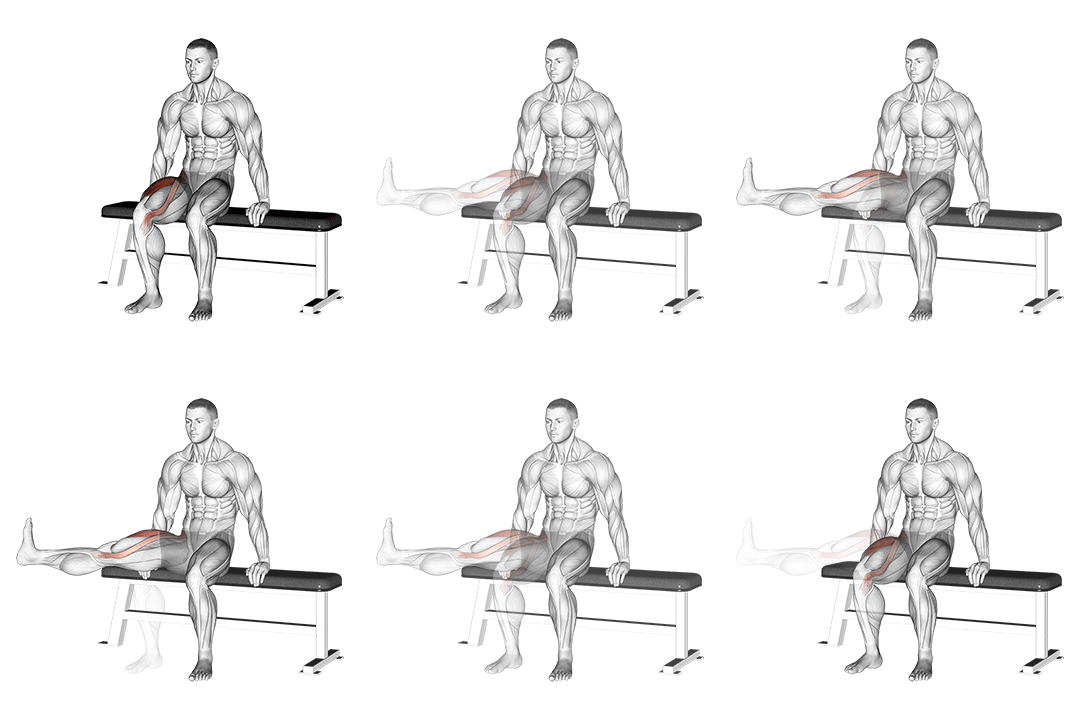
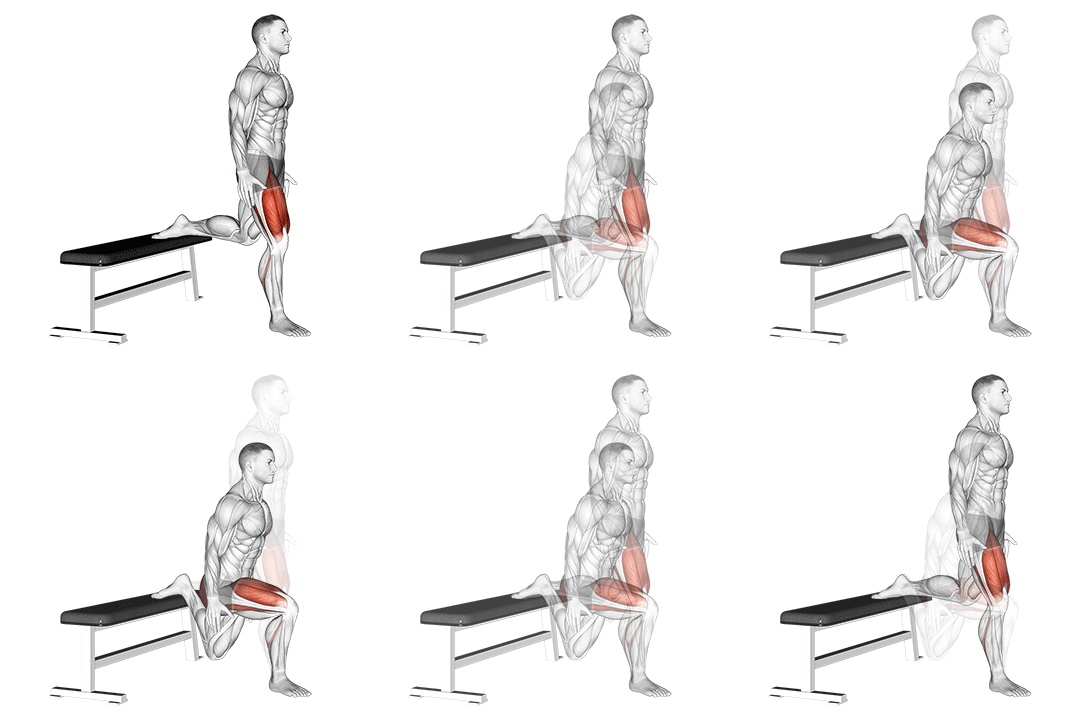
Chair Leg Extended Stretch demonstration

Chair Leg Extended Stretch

Target Quads
Equipment Body-weight
Body Part Upper-legs
Difficulty Beginner
Movement Isolation
Secondary Muscles
Hamstrings Calves

Head-to-Head Comparison

Different values are marked. These are catalogue attributes, not performance scores.

Muscles used

Listed target and secondary muscles, shown on the body. Locations, not activation or strength scores.

  • Target
  • Secondary
  • Not highlighted

All Fours Squad Stretch

Front
All Fours Squad Stretch: front muscle locationsSolid: listed target. Striped: listed secondary. Grey: not highlighted. Locations, not activation or strength scores. See the muscle names below.
Back
All Fours Squad Stretch: back muscle locationsSolid: listed target. Striped: listed secondary. Grey: not highlighted. Locations, not activation or strength scores. See the muscle names below.
Target
Quads
Secondary
Hamstrings, Glutes

Chair Leg Extended Stretch

Front
Chair Leg Extended Stretch: front muscle locationsSolid: listed target. Striped: listed secondary. Grey: not highlighted. Locations, not activation or strength scores. See the muscle names below.
Back
Chair Leg Extended Stretch: back muscle locationsSolid: listed target. Striped: listed secondary. Grey: not highlighted. Locations, not activation or strength scores. See the muscle names below.
Target
Quads
Secondary
Hamstrings, Calves

Grey does not mean a muscle is unused. The diagrams show only the mapped catalogue labels.

Attribute All Fours Squad Stretch Chair Leg Extended Stretch
Target Muscle
Quads
Quads
Body Part
Upper-legs
Upper-legs
Equipment
Body-weight
Body-weight
Difficulty
Beginner
Beginner
Movement Type
Isolation
Isolation
Secondary Muscles Different
Hamstrings, Glutes
Hamstrings, Calves

Visual Comparison

An illustrative 1–10 profile derived from catalog difficulty, equipment, and listed-muscle fields—not measured performance or muscle activation.

Key Differences

  • Both exercises target the Quads using Body-weight. The catalogue does not establish which exercise is better for an individual goal.

Muscle comparison

Shared target muscles

Both stretches place the knee into deep flexion to load the quadriceps lengthwise, so the vasti and rectus femoris are the primary targets. They overlap in stressing knee-extension muscles via passive stretch; typical working knee angles are near 90–120° of flexion. Both reduce active knee-extension torque while increasing passive tension in the quads, so you’ll feel the same primary target but with slightly different emphases depending on hip position.

Secondary muscle differences

All Fours recruits the glutes and hamstrings more for stabilization because your hip sits closer to neutral or slight extension, engaging posterior chain isometrically. Chair Leg Extended Stretch recruits the calves (especially if you dorsiflex the ankle) and loads hamstrings less; the seated hip-flexed position shortens rectus femoris, reducing posterior chain tension. In short: All Fours brings glute/hamstring stabilization, Chair adds a noticeable calf stretch component.

Muscle involvement analysis

Hip angle shifts the length-tension relationship: with the hip near neutral or extended (All Fours) the rectus femoris is lengthened at the hip and then shortened at the knee, increasing overall stretch on the biarticular rectus. In a seated chair (hip ~90° flexion) the rectus femoris is pre-shortened at the hip so the vasti take proportionally more of the stretch. Force vectors differ too: All Fours creates a posterior-directed vector through the thigh against your hand/ground stabilization, while Chair creates a gravity-assisted anterior knee bend centered through the chair seat.

Equipment and setup

All Fours Squad Stretch: setup

All Fours Squad Stretch needs only floor space, a soft surface or mat for knee comfort, and optionally a strap to pull the foot toward the glute. No chair or props are required.

Chair Leg Extended Stretch: setup

Chair Leg Extended Stretch needs a stable chair with a flat seat and backrest; a cushion or towel helps if you want pelvic support. You can add a strap or band for passive assistance but it’s optional.

Access and practicality

Chair Leg Extended Stretch — most people have a chair at home or work, and sitting removes the need to kneel on a hard surface. That makes it easier to perform across settings and for users with limited floor mobility.

Learning and progression

Learning the movements

Chair Leg Extended Stretch is easier to learn: sit tall, extend the knee, keep spine neutral and hold 30–60 seconds. All Fours requires more attention to pelvic tilt and knee alignment, so it takes slightly longer to nail form.

Progression considerations

All Fours offers more progression options: add posterior hip extension, PNF contract-relax (5–10 s contract, 20–30 s hold), change knee angle or abduct the hip to change vector. Chair progressions are mostly duration, ankle dorsiflexion, or using a band for added tension.

Limitations and precautions

Both exercises carry low injury risk when done carefully, but All Fours can stress a sensitive knee if you put weight directly onto an injured patella; maintain neutral tibial alignment and use cushioning. Chair technique risks lumbar rounding if you slouch—brace your core and aim for neutral spine to avoid strain.

Pros & Cons

All Fours Squad Stretch

+ Pros

  • Stronger rectus femoris lengthening due to neutral/extended hip position
  • Engages glutes/hamstrings for stabilization, improving posterior chain balance
  • Multiple progression options (PNF, deeper hip extension, variations)
  • No furniture required — just a mat and space

− Cons

  • Requires kneeling comfort; may irritate sensitive knees
  • More technical cues (pelvic tilt, knee tracking) to master
  • Less convenient in public or office settings

Chair Leg Extended Stretch

+ Pros

  • Ultra-accessible — any stable chair works, ideal for office or travel
  • Very low technical barrier; easy to teach beginners
  • Easily paired with ankle dorsiflexion to add calf stretch
  • Minimal floor mobility required, friendly for older adults

− Cons

  • Less effective at stretching rectus femoris because hip is flexed
  • Fewer meaningful progression variations compared to All Fours
  • Can encourage lumbar flexion if posture is poor

When Each Exercise Wins

1
For muscle hypertrophy: All Fours Squad Stretch

All Fours better lengthens the rectus femoris and improves hip extension ROM, which helps you hit deeper ranges in squats and lunges. Improved ROM can translate to greater mechanical loading during compound lifts, supporting long-term muscle growth.

2
For strength gains: Chair Leg Extended Stretch

Chair stretch is simpler to perform as a consistent warm-up or mobility tool before heavy lifts, so it more reliably prepares your knee-extension range for loading. Its accessibility makes it easier to use daily, improving readiness for strength sessions.

3
For beginners: Chair Leg Extended Stretch

Sitting reduces balance and knee-pressure demands, letting you focus on a neutral spine and simple knee alignment. That straightforward position lowers the learning curve and reduces compensatory movement.

4
For home workouts: Chair Leg Extended Stretch

Most homes have a chair and not everyone wants to kneel on the floor, so the chair version is the most practical. It's portable across rooms and office settings, increasing adherence to mobility routines.

Frequently Asked Questions

Can I do both All Fours Squad Stretch and Chair Leg Extended Stretch in the same workout?

Yes. Use the chair stretch as a quick warm-up and the All Fours as a focused mobility set later in the session. Keep total quad stretch time to 4–8 minutes per leg to avoid excessive soreness.

Which exercise is better for beginners?

Chair Leg Extended Stretch is better for beginners because it simplifies posture and reduces knee-floor contact. It lets you learn neutral spine and consistent knee tracking before advancing to kneeling variations.

How do the muscle activation patterns differ?

They differ mainly by hip position: All Fours places the hip nearer neutral or slight extension, lengthening rectus femoris and engaging glute/hamstring stabilizers; Chair keeps the hip flexed (~90°), reducing rectus tension and shifting more stretch onto the vasti with added calf involvement if you dorsiflex the ankle.

Can Chair Leg Extended Stretch replace All Fours Squad Stretch?

Not completely. Chair stretches are a great daily maintenance tool, but they don’t lengthen the rectus femoris as effectively. If your goal is improved hip extension and deeper squat mechanics, keep All Fours in your routine.

Comparison Summary

Use All Fours Squad Stretch when you want a deeper rectus femoris and hip-focused quad lengthening that helps improve squat depth and posterior-chain balance. It’s your choice when you can kneel comfortably and want progression options like PNF or hip-extension variants. Use Chair Leg Extended Stretch when accessibility, simplicity, and low floor mobility are priorities—it's ideal for beginners, office warm-ups, and travel. For most lifters, include both: chair stretches for daily maintenance and All Fours for targeted work 2–4 times per week with 30–60 second holds and 2–4 sets.

Exercise instructions

Steps from the exercise catalogue. Read the full sequence before starting.

All Fours Squad Stretch

  1. Start on all fours with your hands directly under your shoulders and your knees directly under your hips.
  2. Extend one leg straight back, keeping your knee bent and your foot flexed.
  3. Slowly lower your hips towards the ground, feeling a stretch in your quads.
Read remaining steps for All Fours Squad Stretch
  1. Hold this position for 20-30 seconds.
  2. Switch legs and repeat the stretch on the other side.

Chair Leg Extended Stretch

  1. Sit on the edge of a chair with your back straight and feet flat on the ground.
  2. Extend one leg straight out in front of you, keeping your heel on the ground.
  3. Lean forward slightly, feeling a stretch in your quadriceps.
Read remaining steps for Chair Leg Extended Stretch
  1. Hold this position for 20-30 seconds.
  2. Switch legs and repeat the stretch.

Also Compare

Compare another pair

Choose two exercises to see their differences side by side.

Compare Exercises