Simple and Effective Assisted Calf Stretches for Beginners

Enhance Calf Flexibility with Partner Support

Ash, ACE, MSc
By
Ash, ACE, MSc
Ash is a highly respected fitness expert and certified personal trainer through the American Council on Exercise (ACE). With a B.A. in biology from Rutgers and...
6 Min Read
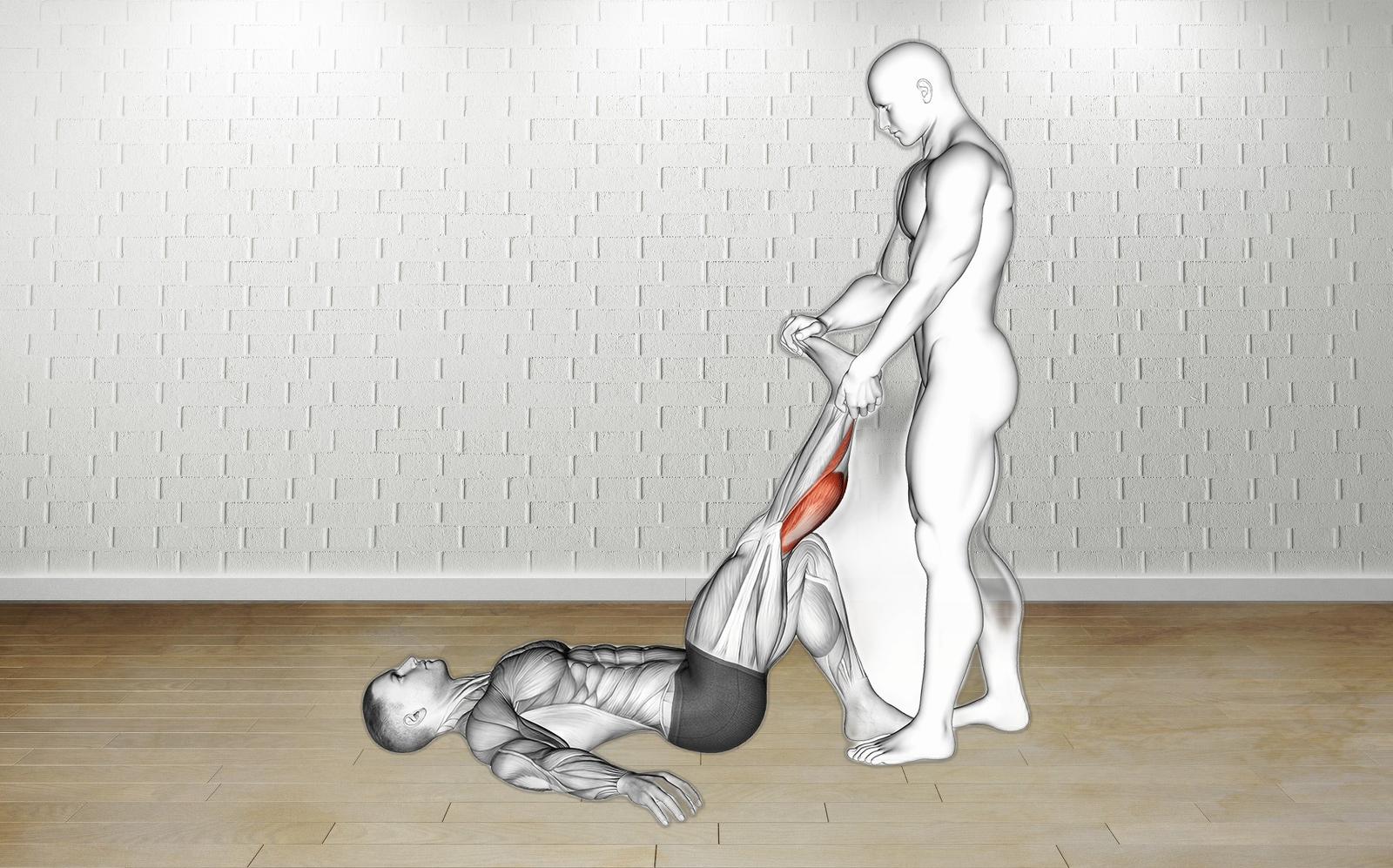
How to do Assisted Lying Calves Stretch

Assisted Lying Calves Stretch exercise aims to improve the flexibility and range of motion in the calf muscles, essential for lower body strength and mobility. This exercise benefits individuals of all fitness levels, offering a focused stretch that helps alleviate tightness, boost circulation, and prevent injuries related to running, walking, or cycling.

Targeting the gastrocnemius and soleus muscles, this stretch is vital for activities like walking and jumping. To achieve optimal results, integrate this stretch into your routine 2-3 times a week, especially post-workout, to enhance recovery and lessen muscle soreness. Perform the stretch gently, avoiding any jerky movements to reduce injury risk. Ensure that the strap or towel used is secure around your foot for safety, and beginners should start with a milder stretch, gradually increasing intensity.

No specialized equipment is needed apart from a strap or towel, making it an easy exercise to do at home or at the gym. By incorporating the Assisted Lying Calves Stretch into your fitness regimen, you can see significant gains in flexibility and mobility, promoting a more active lifestyle.

Assisted Lying Calves Stretch Details
Basic Information
Body Part
Lower Legs
Primary Muscles
Secondary Muscles
Equipment
Assisted
Exercise Characteristics
Exercise Type
Flexibility
Movement Pattern
Push
Force Type
Isometric
Unilateral/Bilateral
Unilateral
Compound/Isolation
Isolation
Bodyweight Exercise
Yes
Training Parameters
Difficulty Level
Intermediate
Target Training Goals
Flexibility
Suitable Workout Phases
Cool-down
Risk Level
Low
Weight Category
Bodyweight
Recommended Rep Ranges
GoalRep Range
Strength8-12
Hypertrophy8-12
Endurance15-30 seconds
Power5-8
Muscular endurance15-20
Stability core8-12
Flexibility mobility30-60 seconds

How to Do a Assisted Lying Calves Stretch
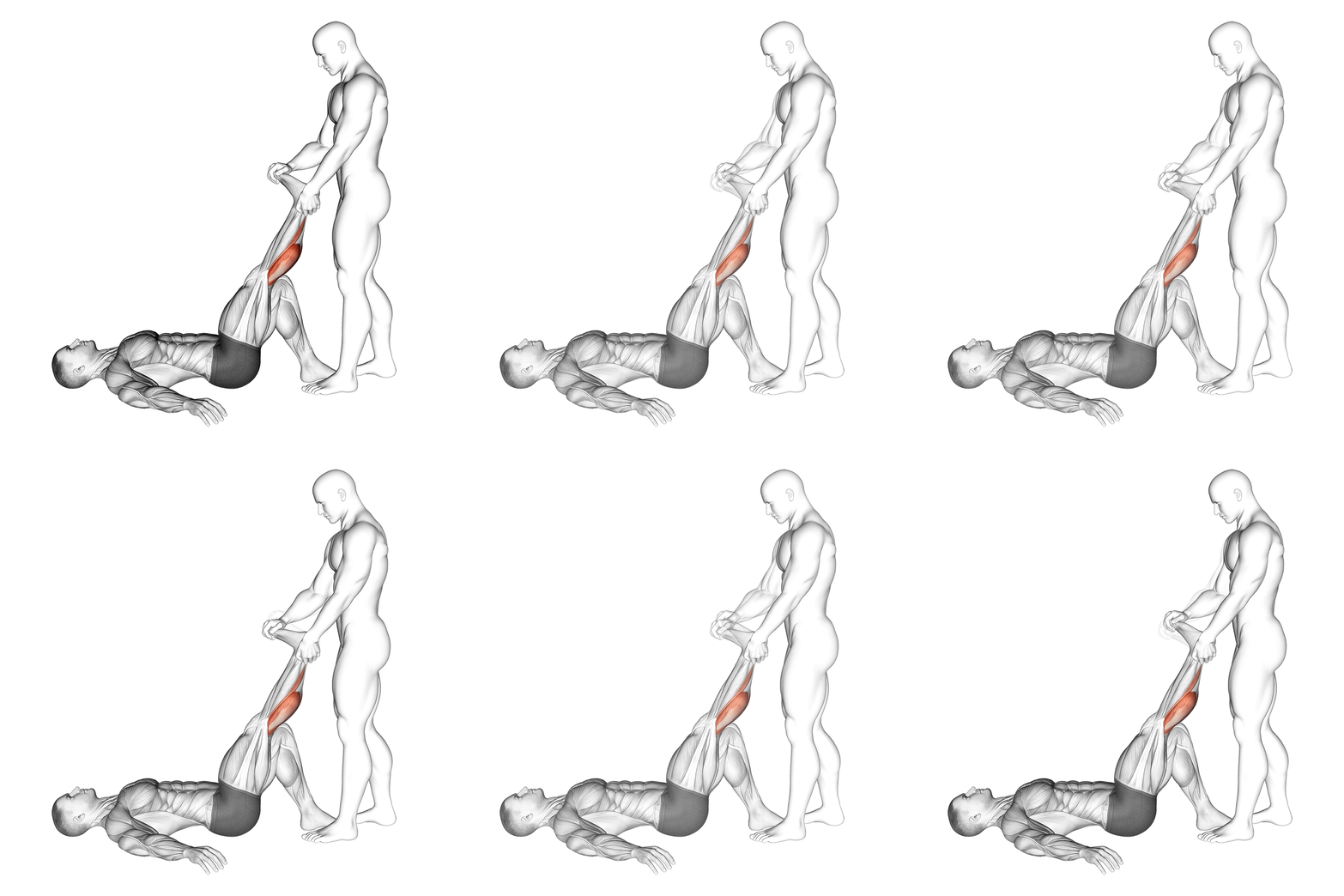
How to do a Assisted Lying Calves Stretch - Step by step Flexibility exercise demonstration targeting Calves, Hamstrings

Begin by lying on your back on a mat or comfortable surface. Keep your legs extended straight and have a partner or a strap ready to assist you.

Get Fitter, Faster

Level Up Your Fitness: Join our 💪 strong community in Fitness Volt Newsletter. Get daily inspiration, expert-backed workouts, nutrition tips, the latest in strength sports, and the support you need to reach your goals. Subscribe for free!

  1. Your partner should gently lift one leg, keeping it straight and elevated above the ground.
  2. Using the strap or their hands, your partner will pull your leg towards them, increasing the stretch in your calf muscle.
  3. Hold this position for 15-30 seconds, feeling the stretch in your calf.
  4. Slowly return to the starting position and repeat on the other leg.

During the exercise, maintain steady breathing, inhaling deeply and exhaling slowly to help relax your muscles.

Common Mistakes

  • Overstretching: One common mistake is pushing too far into the stretch, which can lead to muscle strain. To avoid this, communicate with your partner to ensure they apply gentle pressure and stay within a comfortable range of motion.
  • Incorrect knee position: Keeping the knee bent during the stretch can diminish the effectiveness. Ensure your leg remains straight and your knee isn’t pulling inward or outward as your partner assists you.
  • Holding breath: Many individuals tend to hold their breath while stretching, which can create tension in the muscles. Focus on maintaining steady, deep breaths throughout the stretch to facilitate relaxation.
  • Uneven assistance: If your partner is applying more force on one leg than the other, it can lead to imbalanced flexibility. Encourage your partner to apply consistent pressure on both legs for an even stretch.
  • Lack of warm-up: Jumping into the stretch without a proper warm-up can increase the risk of injury. Always include at least 5-10 minutes of light aerobic activity or dynamic stretches before beginning the Assisted Lying Calves Stretch.

Benefits

  • Enhances calf muscle flexibility, promoting better range of motion in the lower legs.
  • Reduces muscle tension and soreness, aiding recovery after intense workouts or physical activities.
  • Improves overall lower body mobility, which can enhance performance in various sports and activities.
  • Assists in preventing injuries by increasing elasticity in the calf muscles and Achilles tendon.
  • Facilitates relaxation and stress reduction through deep breathing and gentle stretching techniques.

Exercise Variations

  • Incline Leg Press
    Level: Intermediate
    Targets: Adductors, Calves, Gluteus Maximus, Hamstrings, Quadriceps, Gastrocnemius, Soleus
    Equipment: Incline Leg Press Machine, Weight Plates | Movement: Push | Type: Strength | Force Type: Concentric | Compound
  • Butt Kicks
    Level: Intermediate
    Targets: Calves, Glutes, Hamstrings, Hip Flexors, Quadriceps
    Equipment: None | Movement: Push | Type: Cardio | Force Type: Plyometric | Compound
  • Split Jerk
    Level: Advanced
    Targets: Calves, Core, Glutes, Hamstrings, Quadriceps, Shoulders, Trapezius, Triceps, Upper Back, Abdominals, Deltoids, Erector Spinae, Gluteus Maximus, Pectoralis major, Rhomboids, Triceps brachii
    Equipment: Barbell, Bumper Plates, Weightlifting Platform, Lifting Shoes, Chalk, Wrist Wraps, Belt | Movement: Push | Type: Power | Force Type: Concentric | Compound
  • Barbell Romanian Deadlift
    Level: Intermediate
    Targets: Calves, Quadriceps, Core, Forearms, Lower Back, Upper Back
    Equipment: Barbell, Weight Plates, Weightlifting Belt, Lifting Shoes, Chalk | Movement: Hinge | Type: Strength | Force Type: Eccentric | Compound
  • Barbell Kneeling Squat
    Level: Intermediate
    Targets: Calves, Core, Glutes, Hamstrings, Quadriceps, Hip Flexors, Quadratus lumborum
    Equipment: Barbell, Squat Rack, Weight Plates, Knee Pads | Movement: Squat | Type: Strength | Force Type: Concentric | Compound
  • Jump Squat
    Level: Intermediate
    Targets: Calves, Core, Glutes, Hamstrings, Quadriceps, Hip Flexors, Lower Back
    Equipment: None | Movement: Jump | Type: Plyometric | Force Type: Plyometric | Compound
  • Smith Chair Squat
    Level: Beginner
    Targets: Calves, Core, Erector Spinae, Glutes, Hamstrings, Quadriceps, Gluteus Medius
    Equipment: Smith Machine, Weight Plates, Squat Pad, Weightlifting Shoes | Movement: Squat | Type: Strength | Force Type: Concentric | Compound
  • Dumbbell Sumo Squat
    Level: Intermediate
    Targets: Adductors, Calves, Erector Spinae, Glutes, Hamstrings, Quadriceps, Core Muscles
    Equipment: Dumbbells | Movement: Squat | Type: Strength | Force Type: Concentric | Compound
  • Cable Squat
    Level: Intermediate
    Targets: Calves, Erector Spinae, Glutes, Hamstrings, Quadriceps, Core, Lower Back
    Equipment: Cable Machine, Cable Attachment (Handle Or Bar), Weight Plates | Movement: Squat | Type: Strength | Force Type: Concentric | Compound
  • Barbell Hack Squat
    Level: Intermediate
    Targets: Calves, Erector Spinae, Gluteus Maximus, Hamstrings, Quadriceps, Abdominals, Adductors, Glutes
    Equipment: Barbell, Weight Plates, Squat Rack Or Barbell Stand, Weightlifting Belt, Gym Mat | Movement: Squat | Type: Strength | Force Type: Concentric | Compound

Alternative Exercises

  • Barbell Romanian Deadlift
    Level: Intermediate
    Targets: Calves, Quadriceps, Core, Forearms, Lower Back, Upper Back
    Equipment: Barbell, Weight Plates, Weightlifting Belt, Lifting Shoes, Chalk | Movement: Hinge | Type: Strength | Force Type: Eccentric | Compound
  • Barbell Kneeling Squat
    Level: Intermediate
    Targets: Calves, Core, Glutes, Hamstrings, Quadriceps, Hip Flexors, Quadratus lumborum
    Equipment: Barbell, Squat Rack, Weight Plates, Knee Pads | Movement: Squat | Type: Strength | Force Type: Concentric | Compound
  • Jump Squat
    Level: Intermediate
    Targets: Calves, Core, Glutes, Hamstrings, Quadriceps, Hip Flexors, Lower Back
    Equipment: None | Movement: Jump | Type: Plyometric | Force Type: Plyometric | Compound
  • Smith Chair Squat
    Level: Beginner
    Targets: Calves, Core, Erector Spinae, Glutes, Hamstrings, Quadriceps, Gluteus Medius
    Equipment: Smith Machine, Weight Plates, Squat Pad, Weightlifting Shoes | Movement: Squat | Type: Strength | Force Type: Concentric | Compound
  • Dumbbell Sumo Squat
    Level: Intermediate
    Targets: Adductors, Calves, Erector Spinae, Glutes, Hamstrings, Quadriceps, Core Muscles
    Equipment: Dumbbells | Movement: Squat | Type: Strength | Force Type: Concentric | Compound
  • Cable Squat
    Level: Intermediate
    Targets: Calves, Erector Spinae, Glutes, Hamstrings, Quadriceps, Core, Lower Back
    Equipment: Cable Machine, Cable Attachment (Handle Or Bar), Weight Plates | Movement: Squat | Type: Strength | Force Type: Concentric | Compound
  • Barbell Hack Squat
    Level: Intermediate
    Targets: Calves, Erector Spinae, Gluteus Maximus, Hamstrings, Quadriceps, Abdominals, Adductors, Glutes
    Equipment: Barbell, Weight Plates, Squat Rack Or Barbell Stand, Weightlifting Belt, Gym Mat | Movement: Squat | Type: Strength | Force Type: Concentric | Compound
  • Dumbbell Forward Lunge
    Level: Intermediate
    Targets: Calves, Core, Glutes, Hamstrings, Hip Flexors, Quadriceps, Erector Spinae, Gluteus Medius, Gluteus Minimus
    Equipment: Dumbbells | Movement: Lunge | Type: Strength | Force Type: Concentric | Compound
  • Dumbbell Step-Up
    Level: Intermediate
    Targets: Calves, Gluteus Maximus, Hamstrings, Hip Flexors, Quadriceps, Core, Glutes
    Equipment: Dumbbells, Step Or Bench. | Movement: Lunge | Type: Strength | Force Type: Concentric | Compound
  • Barbell Lunge
    Level: Intermediate
    Targets: Adductors, Calves, Gluteus Maximus, Hamstrings, Hip Flexors, Quadriceps, Core Muscles, Gluteus Medius
    Equipment: Barbell, Weight Plates, Weightlifting Belt, Exercise Mat | Movement: Lunge | Type: Strength | Force Type: Concentric | Compound

Safety Precautions for Assisted Lying Calves Stretch

Before beginning the Assisted Lying Calves Stretch, ensure that you and your partner are both aware of the correct technique. Communication is key; discuss any areas of tightness or discomfort beforehand. Both partners should agree on the intensity of the stretch to prevent overstretching, which can lead to injury. Maintaining this dialogue throughout the exercise will ensure a safe experience.

Throughout the stretch, keep your lower back flat against the mat to avoid unnecessary strain. It’s essential for your partner to support your leg correctly, using a firm grip without applying excessive force. If you feel any pain (beyond mild discomfort) during the stretch, instruct your partner to ease off immediately and reassess your position. Listening to your body is critical for a successful and safe stretching routine.

Finally, make use of proper equipment, such as a stretching strap, to assist if a partner is unavailable. Ensuring the strap is sturdy and free from any wear will add an extra layer of safety. If you are new to this stretch or have any preexisting conditions, consider discussing your plans with a healthcare professional or a certified trainer to personalize your approach safely.

Interested in measuring your progress? Check out our strength standards for Half Squat, Pause Squat, Dumbbell Push Press, and more exercises.


If you have any questions or need further clarification about this article, please leave a comment below, and Ash will get back to you as soon as possible.

Share This Article
Ash is a highly respected fitness expert and certified personal trainer through the American Council on Exercise (ACE). With a B.A. in biology from Rutgers and an M.S. in Exercise Science (Kinesiology) from CBU, she brings a wealth of knowledge and expertise to her work. Ash is dedicated to helping people achieve their fitness and health goals through personalized training and nutrition plans. With a passion for fitness and a deep understanding of the science behind healthy living, she is able to create effective and sustainable programs that deliver real results. Whether you're looking to lose weight, build muscle, or just feel better in your own skin, Ash is the expert you can trust to guide you on your journey to a healthier and happier life.
Leave a Comment