

5 Best Low Glute Bridge On Floor Alternatives
The Low Glute Bridge On Floor is done lying on your back.
Original Exercise: Low Glute Bridge On Floor
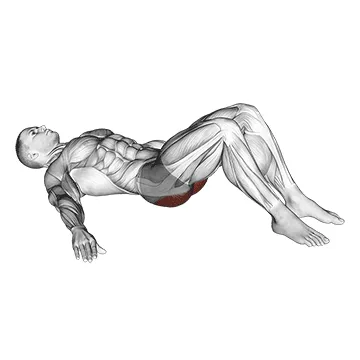
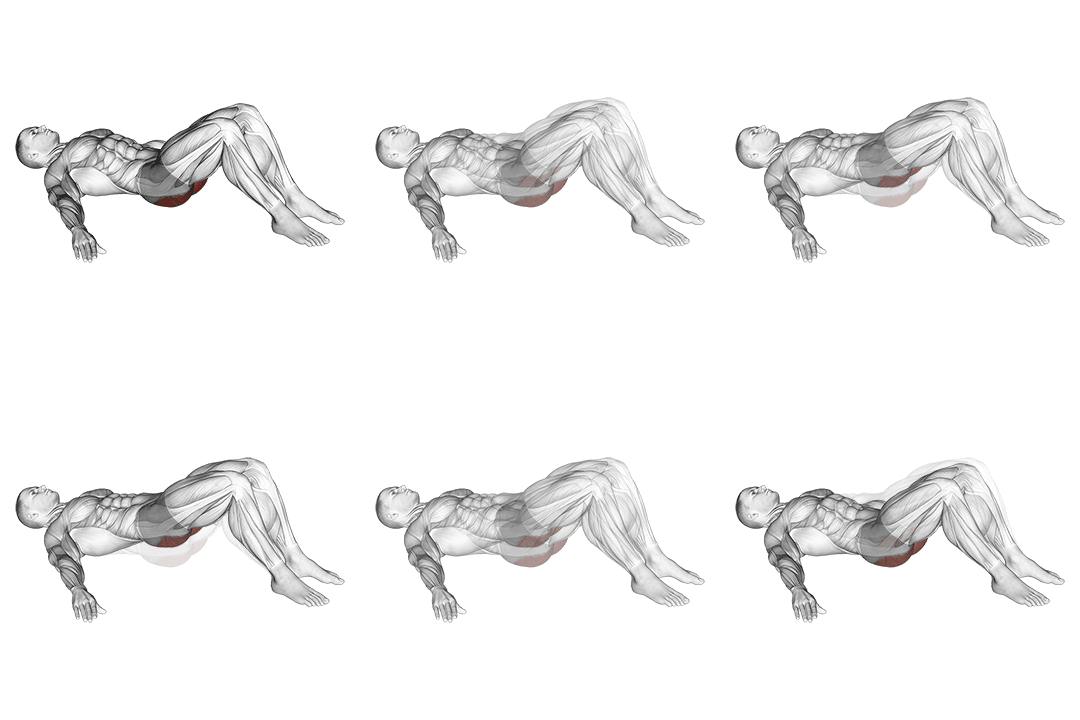
- Primary muscle
- Glutes
- Equipment
- Bodyweight
- Difficulty
- Beginner
- Type
- Compound
Secondary muscles: Hamstrings, Core
How to perform Low Glute Bridge On Floor
- Lie flat on your back with your knees bent and feet flat on the ground.
- Place your arms by your sides, palms facing down.
- Engage your glutes and core, then lift your hips off the ground until your body forms a straight line from your knees to your shoulders.
- Pause for a moment at the top, squeezing your glutes.
- Slowly lower your hips back down to the starting position.
- Repeat for the desired number of repetitions.
How to Choose the Right Low Glute Bridge On Floor Substitute
Match the substitute to the movement pattern and loading needs. For pure glute strength and hypertrophy, choose bilateral loaded thrusts or band-resisted bridges that allow progressive overload, cue: set your upper back on a bench, drive through both heels, and lock hips with a hard glute squeeze. For pain or rehab, pick unilateral or supported options like single-leg bridges or elevated holds that limit lumbar range of motion and distribute load. Consider balance demands, tempo, and muscle activation: slow eccentrics raise tendon and hamstring engagement, while explosive swings train posterior-chain power and rate of force development.
Low Glute Bridge On Floor FAQ
What muscles does Low Glute Bridge On Floor work?
The Low Glute Bridge On Floor primarily targets the gluteus maximus through hip extension, with secondary work from the hamstrings, gluteus medius for pelvic stability, and the erector spinae for spinal support. Cue: posteriorly tilt the pelvis and squeeze the glutes at the top to maximize glute firing and limit lumbar hyperextension.
Find Alternatives for Any Exercise
Search the exercise database and filter the ranked substitutes by the equipment you own.