

10 Best Reverse Hyper On Flat Bench Alternatives for Home or Gym
The Reverse Hyper On Flat Bench is done lying face down. Ranked closest by our scoring: the Glute Bridge Two Legs On Bench, the Rear Decline Bridge and the Bench Hip Extension.
Updated Ranked by our 12-factor similarity model How it works
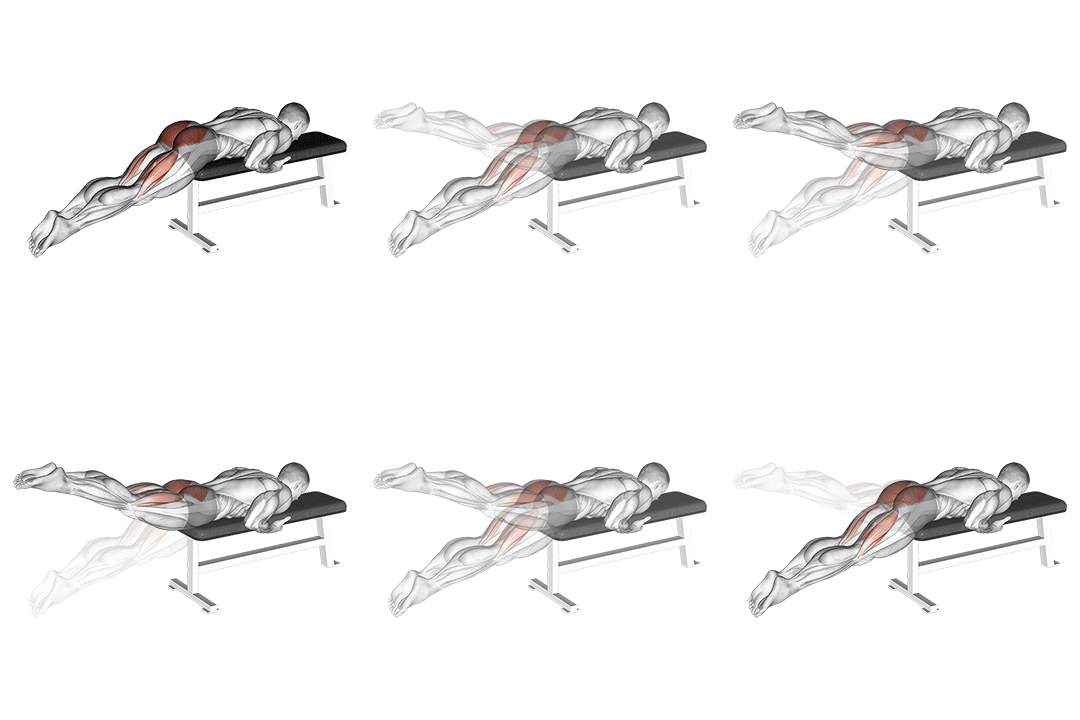
Original Exercise: Reverse Hyper On Flat Bench
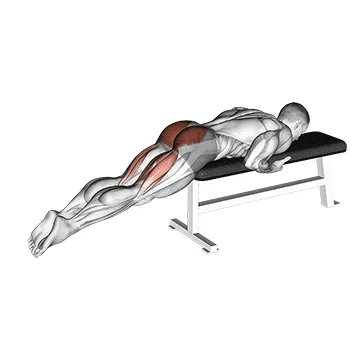
- Primary muscle
- Glutes
- Equipment
- Bodyweight
- Difficulty
- Intermediate
- Type
- Compound
Secondary muscles: Hamstrings, Lower Back
How to perform Reverse Hyper On Flat Bench
- Lie face down on a flat bench with your hips at the edge and your legs hanging off the bench.
- Hold onto the bench for stability.
- Keeping your legs straight, raise them up towards the ceiling as high as you can.
- Squeeze your glutes at the top of the movement.
- Slowly lower your legs back down to the starting position.
- Repeat for the desired number of repetitions.
Ranked Reverse Hyper On Flat Bench Alternatives
10 substitutes, ranked by how closely each one matches the Reverse Hyper On Flat Bench on movement pattern, muscles worked, equipment and body position. The higher the score, the less you change. Open "How to perform this exercise" on a card for the steps; every card title links to that exercise's own alternatives page.
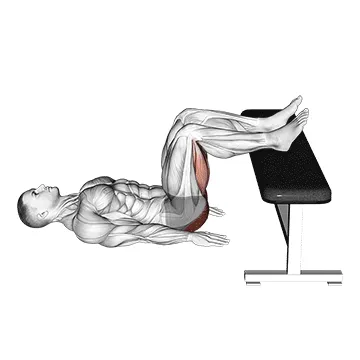
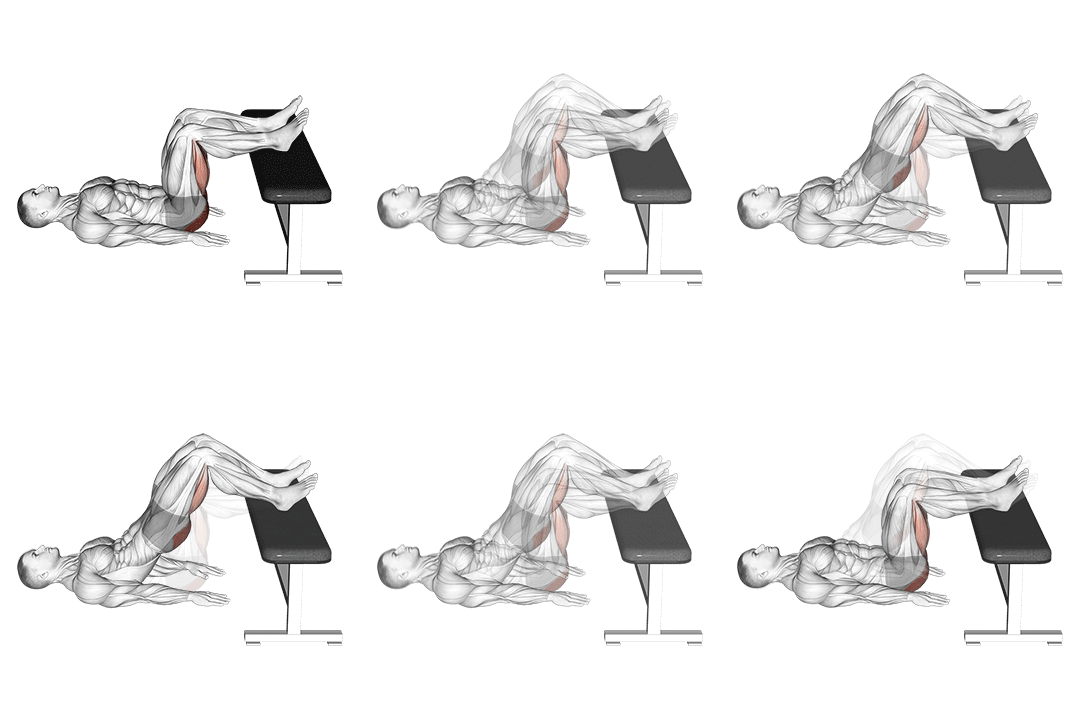
Best match 1. Glute Bridge Two Legs On Bench
91% match- Glutes
- Bodyweight
- Intermediate
- Compound
Pick this when you want an easier version that still works the glutes.
How to perform this exercise
- Sit on the edge of a bench with your back against it and your feet flat on the ground.
- Place your hands on the bench beside your hips for support.
- Engage your glutes and hamstrings, then lift your hips off the bench until your body forms a straight line from your knees to your shoulders.
- Pause for a moment at the top, then slowly lower your hips back down to the starting position.
- Repeat for the desired number of repetitions.
Sets and reps: 3 or 4 sets of 6 to 10 reps.
Why this matches
- Primary muscle: glutes, the same as the Reverse Hyper On Flat Bench
- Equipment: bodyweight only, the same as the Reverse Hyper On Flat Bench
- Body position: lying on your back, not lying face down
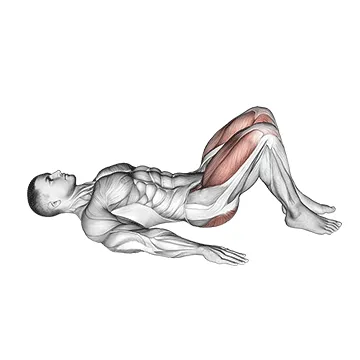
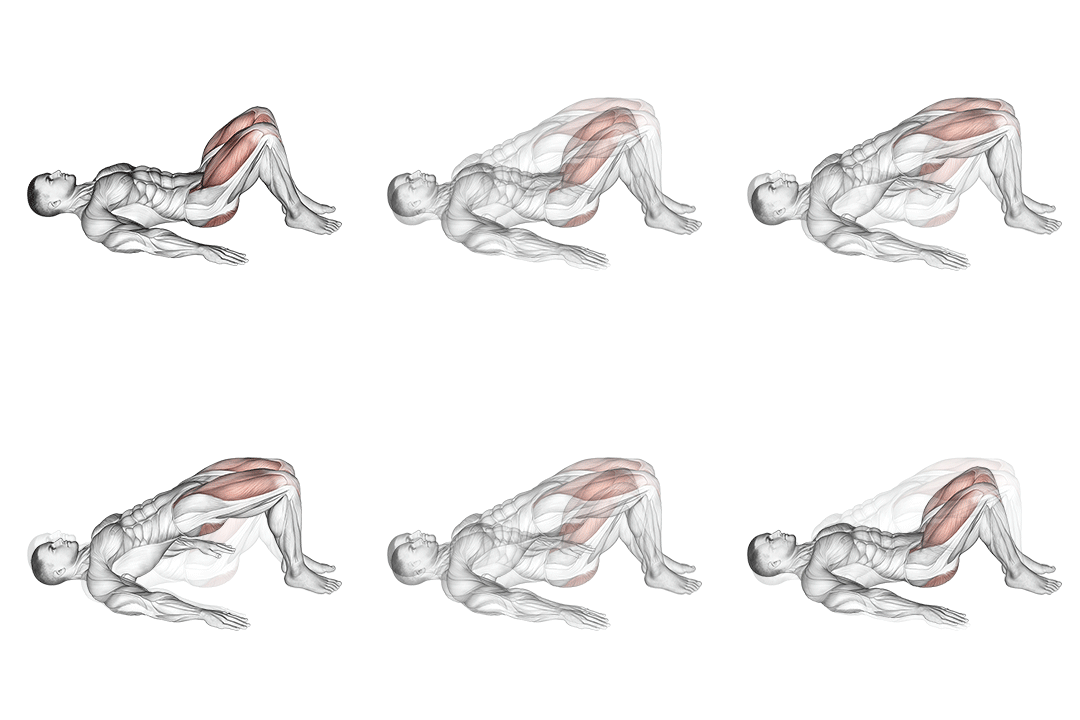
2. Rear Decline Bridge
90% match- Glutes
- Bodyweight
- Intermediate
- Compound
How to perform this exercise
- Lie on your back with your feet flat on the ground and your knees bent.
- Place your arms by your sides with your palms facing down.
- Engage your glutes and hamstrings, and lift your hips off the ground until your body forms a straight line from your knees to your shoulders.
- Hold this position for a few seconds, then slowly lower your hips back down to the starting position.
- Repeat for the desired number of repetitions.
Sets and reps: 3 or 4 sets of 6 to 10 reps.
Why this matches
- Primary muscle: glutes, the same as the Reverse Hyper On Flat Bench
- Equipment: bodyweight only, the same as the Reverse Hyper On Flat Bench
- Body position: lying on your back, not lying face down
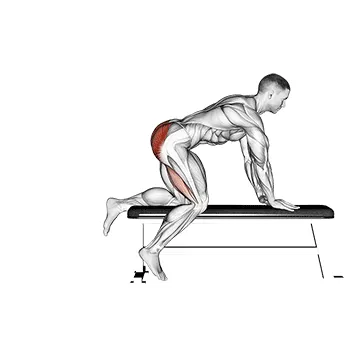
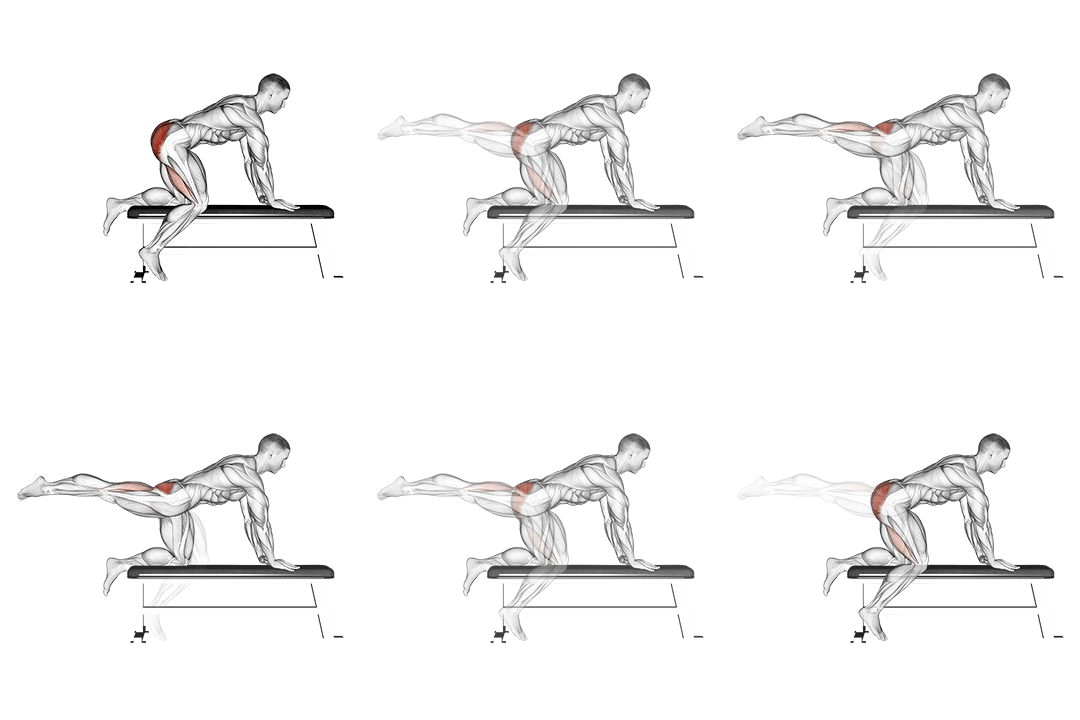
3. Bench Hip Extension
89% match- Glutes
- Bodyweight
- Beginner
- Compound
How to perform this exercise
- Sit on a bench with your back against the bench and your feet flat on the ground.
- Place your hands on the bench for support.
- Engage your glutes and hamstrings, then lift your hips off the bench until your body forms a straight line from your knees to your shoulders.
- Pause for a moment at the top, then slowly lower your hips back down to the starting position.
- Repeat for the desired number of repetitions.
Sets and reps: 3 sets of 8 to 12 reps, and add reps before you add load.
Why this matches
- Primary muscle: glutes, the same as the Reverse Hyper On Flat Bench
- Equipment: bodyweight only, the same as the Reverse Hyper On Flat Bench
- Body position: lying on your back, not lying face down
- Balance: easier to stay steady on than the Reverse Hyper On Flat Bench
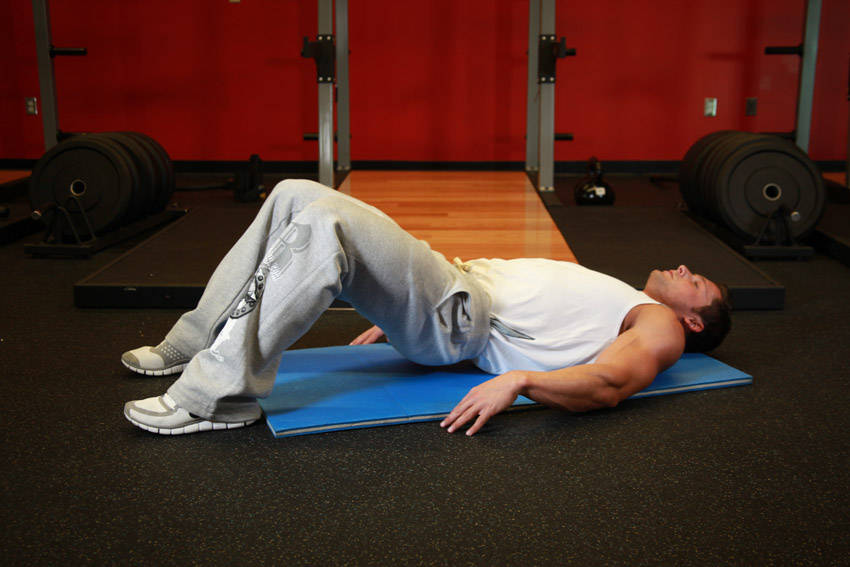
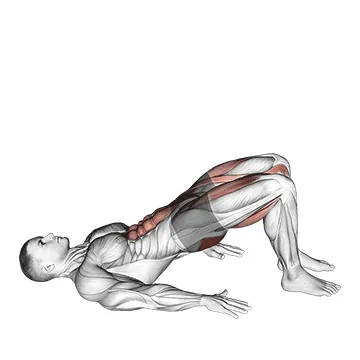
4. Butt Lift (Bridge)
89% match- Glutes
- Bodyweight
- Beginner
- Compound
How to perform this exercise
- Lie flat on the floor on your back with the hands by your side and your knees bent. Your feet should be placed around shoulder width. This will be your starting position.
- Pushing mainly with your heels, lift your hips off the floor while keeping your back straight. Breathe out as you perform this part of the motion and hold at the top for a second.
- Slowly go back to the starting position as you breathe in.
Sets and reps: 3 sets of 8 to 12 reps, and add reps before you add load.
Why this matches
- Primary muscle: glutes, the same as the Reverse Hyper On Flat Bench
- Equipment: bodyweight only, the same as the Reverse Hyper On Flat Bench
- Body position: lying on your back, not lying face down
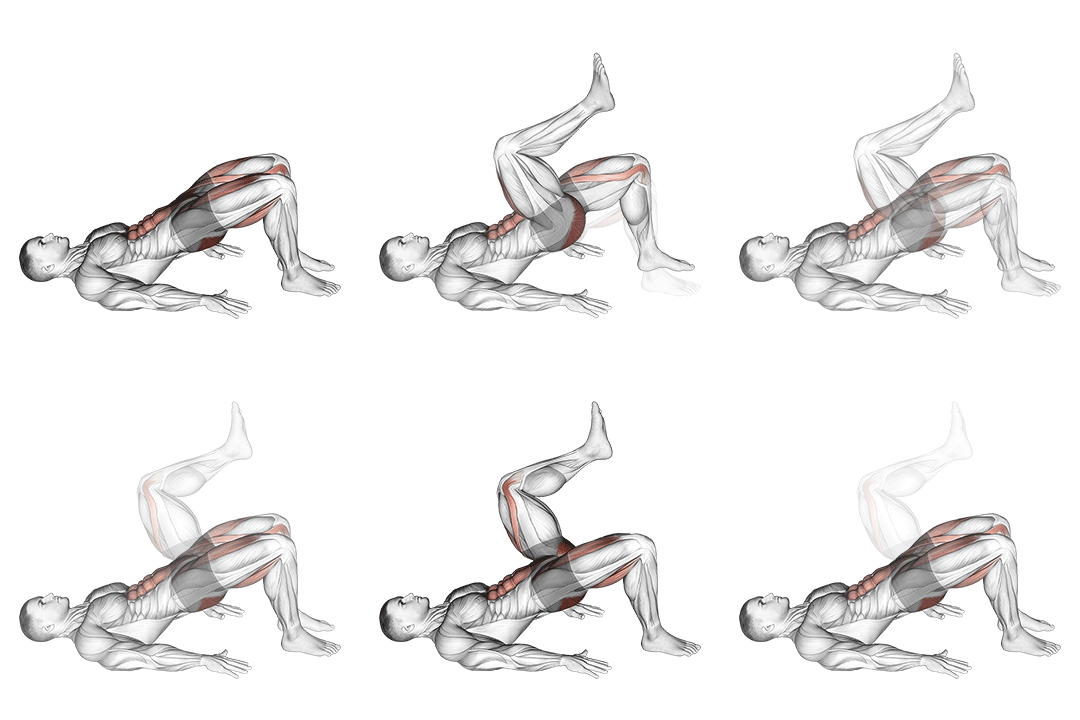
5. Glute Bridge March
85% match- Glutes
- Bodyweight
- Intermediate
- Compound
Pick this when you want an easier single-leg version that still works the glutes.
How to perform this exercise
- Lie flat on your back with your knees bent and feet flat on the ground.
- Engage your glutes and lift your hips off the ground, forming a straight line from your knees to your shoulders.
- While keeping your hips lifted, lift one foot off the ground and bring your knee towards your chest.
- Lower your foot back to the ground and repeat the movement with the other leg.
- Continue alternating legs in a marching motion while maintaining the bridge position.
- Repeat for the desired number of repetitions.
Sets and reps: 3 or 4 sets of 6 to 10 reps on each side.
Why this matches
- Primary muscle: glutes, the same as the Reverse Hyper On Flat Bench
- Equipment: bodyweight only, the same as the Reverse Hyper On Flat Bench
- Body position: lying on your back, not lying face down
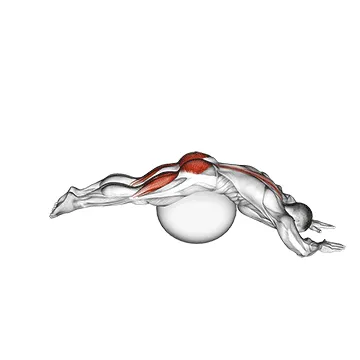
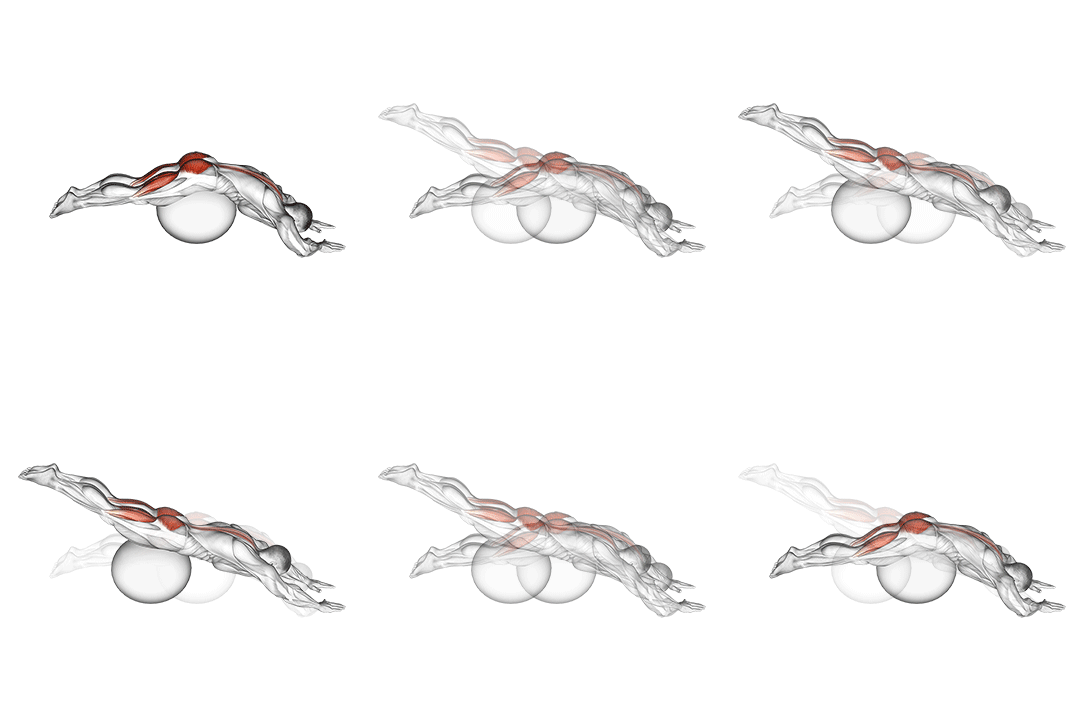
- Glutes
- Stability-ball
- Intermediate
- Compound
A good swap when you have a stability ball to work with, and it still works the glutes.
How to perform this exercise
- Lie face down on a stability ball with your hips resting on the ball and your legs extended straight behind you.
- Place your hands on the ground in front of you for stability.
- Engaging your glutes and hamstrings, lift your legs up towards the ceiling as high as you can.
- Pause for a moment at the top, then slowly lower your legs back down to the starting position.
- Repeat for the desired number of repetitions.
Sets and reps: 3 or 4 sets of 6 to 10 reps.
Why this matches
- Primary muscle: glutes, the same as the Reverse Hyper On Flat Bench
- Equipment: bodyweight only, the same as the Reverse Hyper On Flat Bench
- Body position: lying face down, the same as the Reverse Hyper On Flat Bench
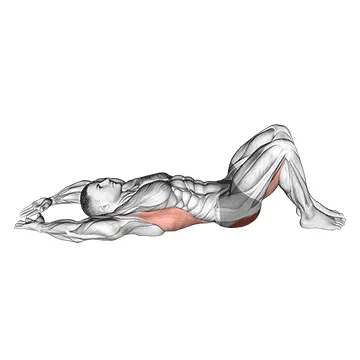
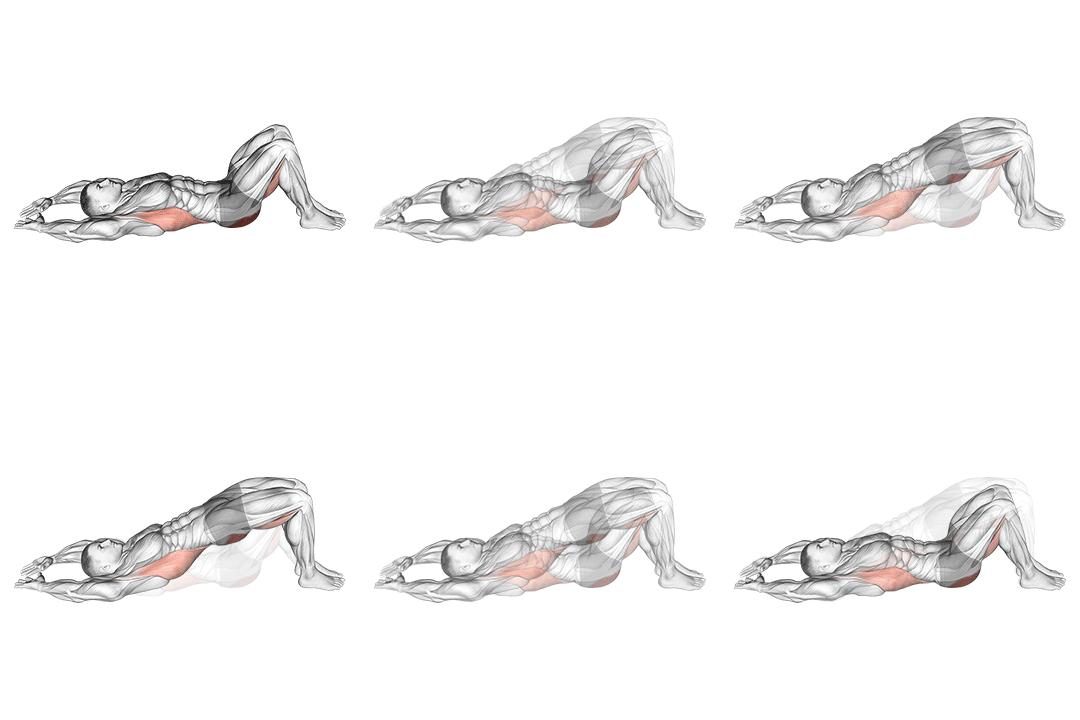
7. Pelvic Tilt Into Bridge
84% match- Glutes
- Bodyweight
- Beginner
- Compound
How to perform this exercise
- Lie on your back with your knees bent and feet flat on the ground.
- Place your arms by your sides with your palms facing down.
- Engage your glutes and core muscles.
- Tilt your pelvis upward, lifting your hips off the ground.
- Hold the bridge position for a few seconds.
- Slowly lower your hips back down to the starting position.
- Repeat for the desired number of repetitions.
Sets and reps: 3 sets of 8 to 12 reps, and add reps before you add load.
Why this matches
- Primary muscle: glutes, the same as the Reverse Hyper On Flat Bench
- Equipment: bodyweight only, the same as the Reverse Hyper On Flat Bench
- Body position: lying on your back, not lying face down
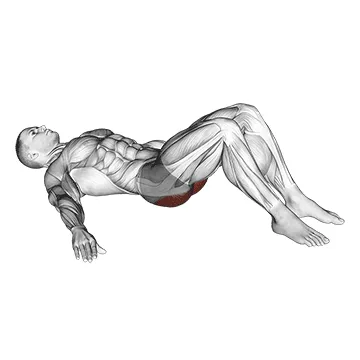
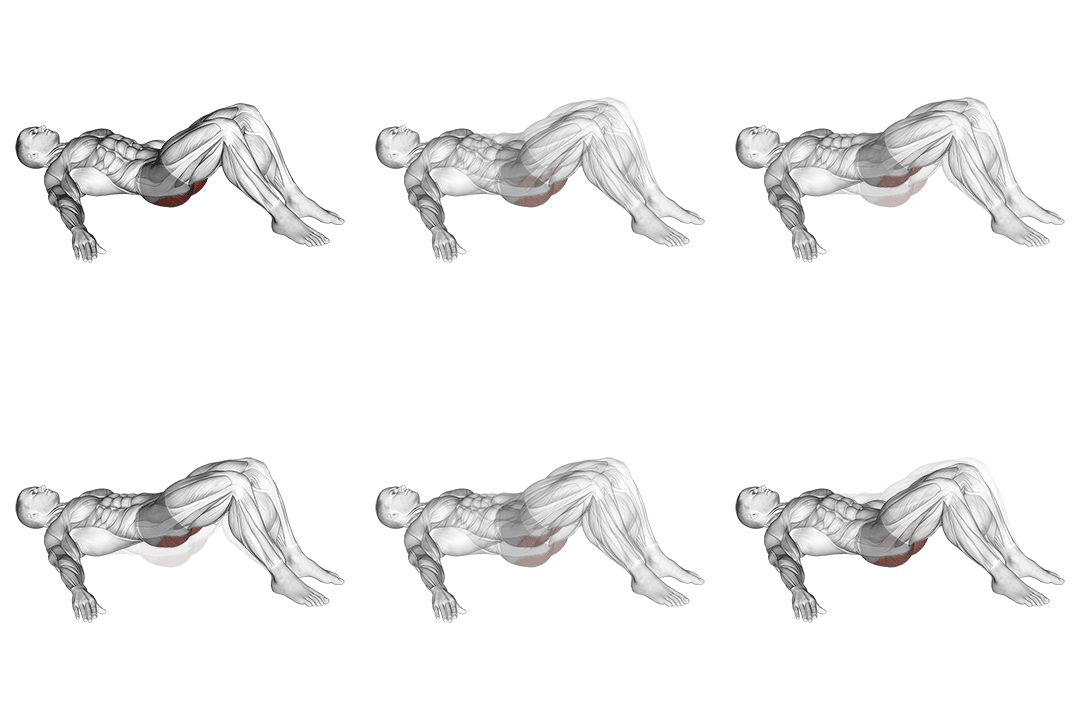
8. Low Glute Bridge On Floor
84% match- Glutes
- Bodyweight
- Beginner
- Compound
How to perform this exercise
- Lie flat on your back with your knees bent and feet flat on the ground.
- Place your arms by your sides, palms facing down.
- Engage your glutes and core, then lift your hips off the ground until your body forms a straight line from your knees to your shoulders.
- Pause for a moment at the top, squeezing your glutes.
- Slowly lower your hips back down to the starting position.
- Repeat for the desired number of repetitions.
Sets and reps: 3 sets of 8 to 12 reps, and add reps before you add load.
Why this matches
- Primary muscle: glutes, the same as the Reverse Hyper On Flat Bench
- Equipment: bodyweight only, the same as the Reverse Hyper On Flat Bench
- Body position: lying on your back, not lying face down
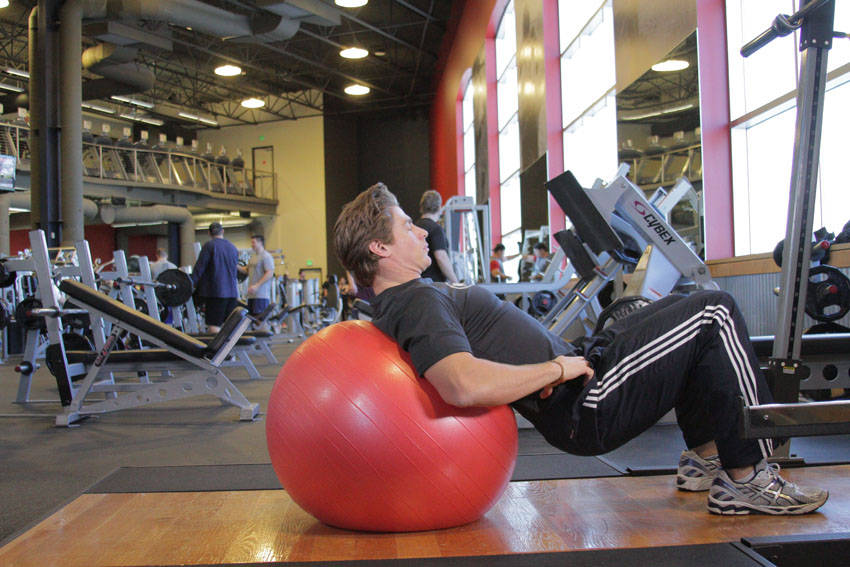
9. Physioball Hip Bridge
81% match- Glutes
- Stability-ball
- Intermediate
- Compound
How to perform this exercise
- Lay on a ball so that your upper back is on the ball with your hips unsupported. Both feet should be flat on the floor, hip width apart or wider. This will be your starting position.
- Begin by extending the hips using your glutes and hamstrings, raising your hips upward as you bridge.
- Pause at the top of the motion and return to the starting position.
Sets and reps: 3 or 4 sets of 6 to 10 reps.
Why this matches
- Primary muscle: glutes, the same as the Reverse Hyper On Flat Bench
- Equipment: bodyweight only, the same as the Reverse Hyper On Flat Bench
- Body position: lying on your back, not lying face down
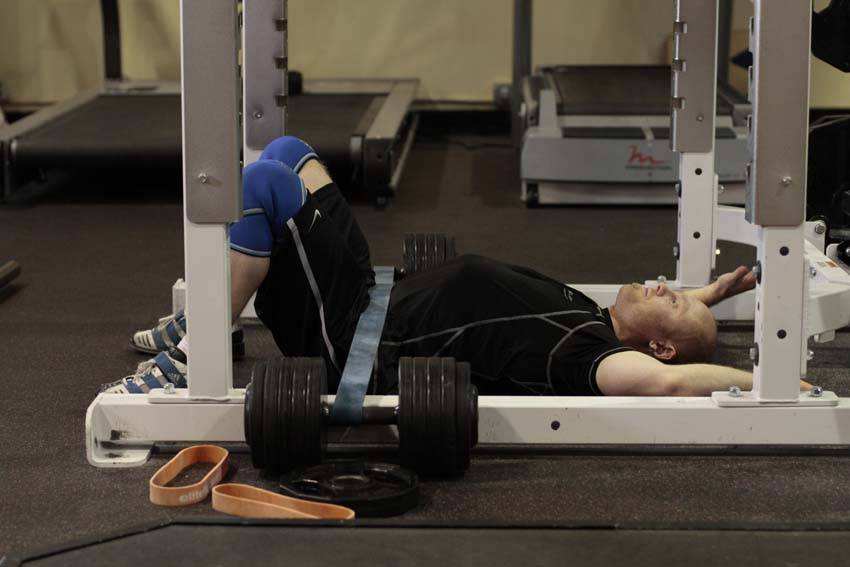
10. Hip Lift With Band
79% match- Glutes
- Band
- Beginner
- Compound
How to perform this exercise
- After choosing a suitable band, lay down in the middle of the rack, after securing the band on either side of you. If your rack doesn't have pegs, the band can be secured using heavy dumbbells or similar objects, just ensure they won't move.
- Adjust your position so that the band is directly over your hips. Bend your knees and place your feet flat on the floor. Your hands can be on the floor or holding the band in position.
- Keeping your shoulders on the ground, drive through your heels to raise your hips, pushing into the band as high as you can.
- Pause at the top of the motion, and return to the starting position.
Sets and reps: 3 or 4 sets of 6 to 10 reps.
Why this matches
- Primary muscle: glutes, the same as the Reverse Hyper On Flat Bench
- Equipment: a band, not bodyweight only
- Body position: lying on your back, not lying face down
- Balance: easier to stay steady on than the Reverse Hyper On Flat Bench
Why You Might Need a Reverse Hyper On Flat Bench Alternative
You might substitute the Reverse Hyper due to low-back pain, lack of bench or setup, rehab protocols, or a need for progressive overload with limited equipment. The Reverse Hyper emphasizes hip extension and posterior chain activation while minimizing spinal compression; alternatives should reproduce that hip-dominant pattern. Choose movements that let you maintain a neutral spine, for example, perform glute bridges driving through the heels and squeezing the glutes at lockout to limit lumbar extension. For progression without equipment, use unilateral RDLs to increase demand on the gluteus maximus and hamstrings while preserving safer spinal mechanics.
How to Choose the Right Reverse Hyper On Flat Bench Substitute
Prioritize exercises that preserve hip extension torque, allow progressive overload, and match your spinal tolerance. Consider whether you need unilateral loading (single-leg RDL) to correct imbalances, a high-rep bodyweight option (glute bridges/frog pumps) for metabolic stimulus, or a supported back extension if you require spinal support. Assess biomechanics: pick movements you can perform with a neutral spine and full hip extension; if you lose pelvic control, regress to floor bridges or add a band to reduce lumbar shear. Also factor equipment, range of motion, and how each substitute targets glute versus hamstring activation.
Reverse Hyper On Flat Bench FAQ
What muscles does Reverse Hyper On Flat Bench work?
The Reverse Hyper primarily targets the gluteus maximus and hamstrings while engaging the erector spinae for stabilization. Biomechanically it trains hip extension under a long lever, so cue a strong glute squeeze at full extension to maximize posterior chain activation.
Can I build muscle without doing Reverse Hyper On Flat Bench?
Yes. You can build glute and hamstring muscle with progressive overload using RDLs, hip thrusts, single-leg variations, tempo manipulation, and banded resistance. Focus on controlled eccentrics, full hip extension, and increasing difficulty (load, reps, or lever length) to drive hypertrophy.
Find Alternatives for Any Exercise
Search the exercise database and filter the ranked substitutes by the equipment you own.
Similarity scores compare exercise metadata such as movement pattern, muscles, equipment and body position. They are not a safety rating or a check that you own the equipment. Learn about our methodology