

10 Best Leverage Deadlift Alternatives for Quad Development
The Leverage Deadlift is done standing with a machine. Ranked closest by our scoring: Front Cone Hops (Or Hurdle Hops) and the One-arm Side Deadlift. A harder version, the Floor Glute-ham Raise, is listed below as a progression rather than a swap.
Updated Ranked by our 12-factor similarity model How it works
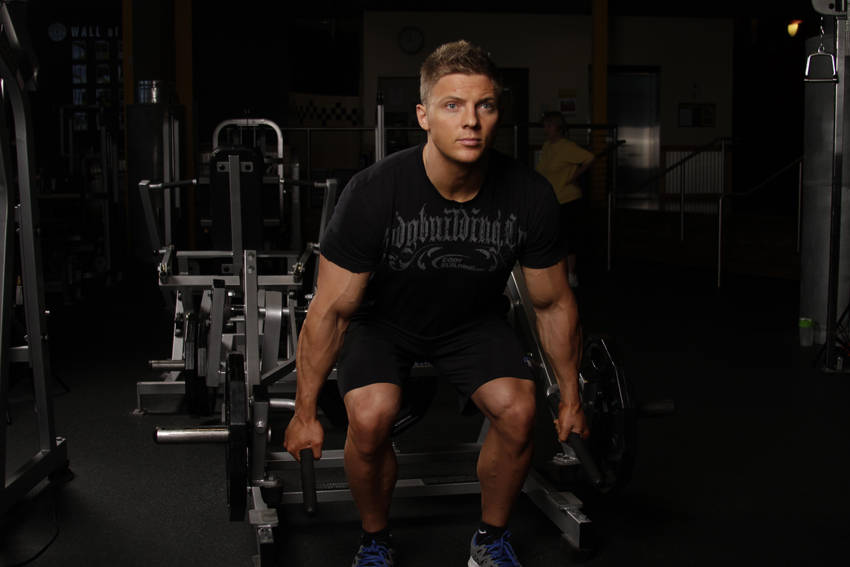
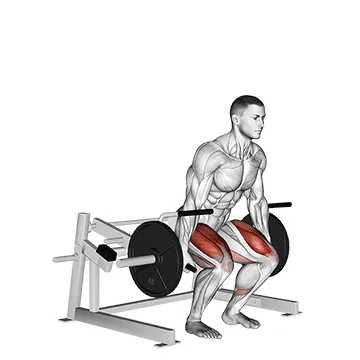
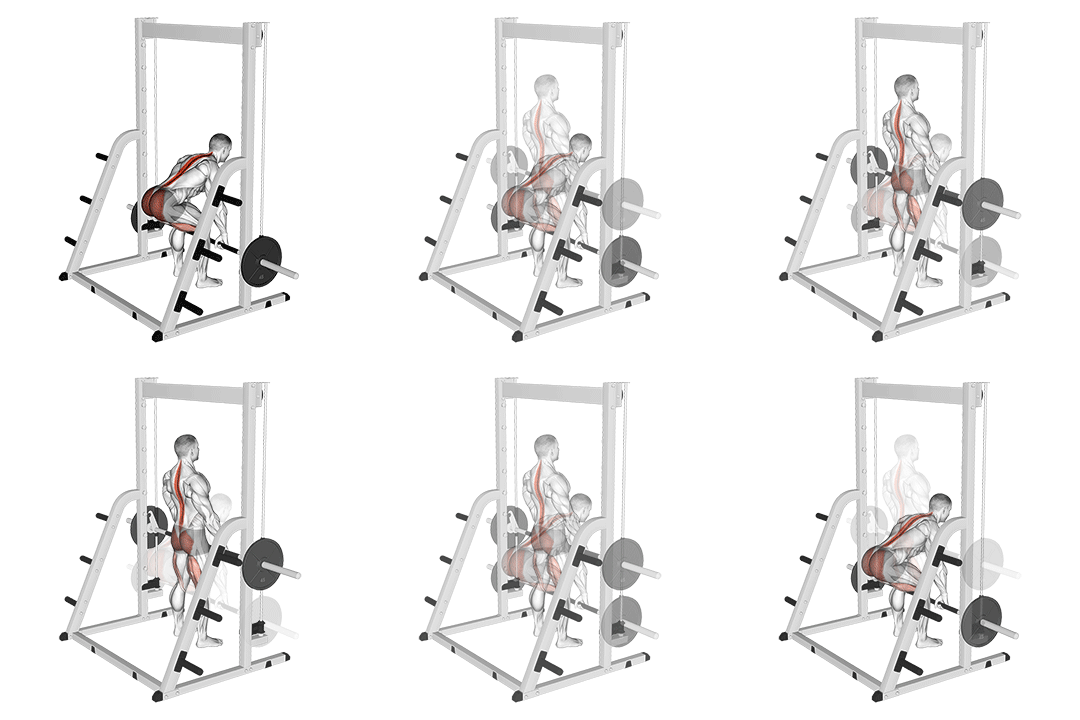
Original Exercise: Leverage Deadlift
- Primary muscle
- Quads
- Equipment
- Machine
- Difficulty
- Intermediate
- Type
- Compound
Secondary muscles: Glutes, Hamstrings
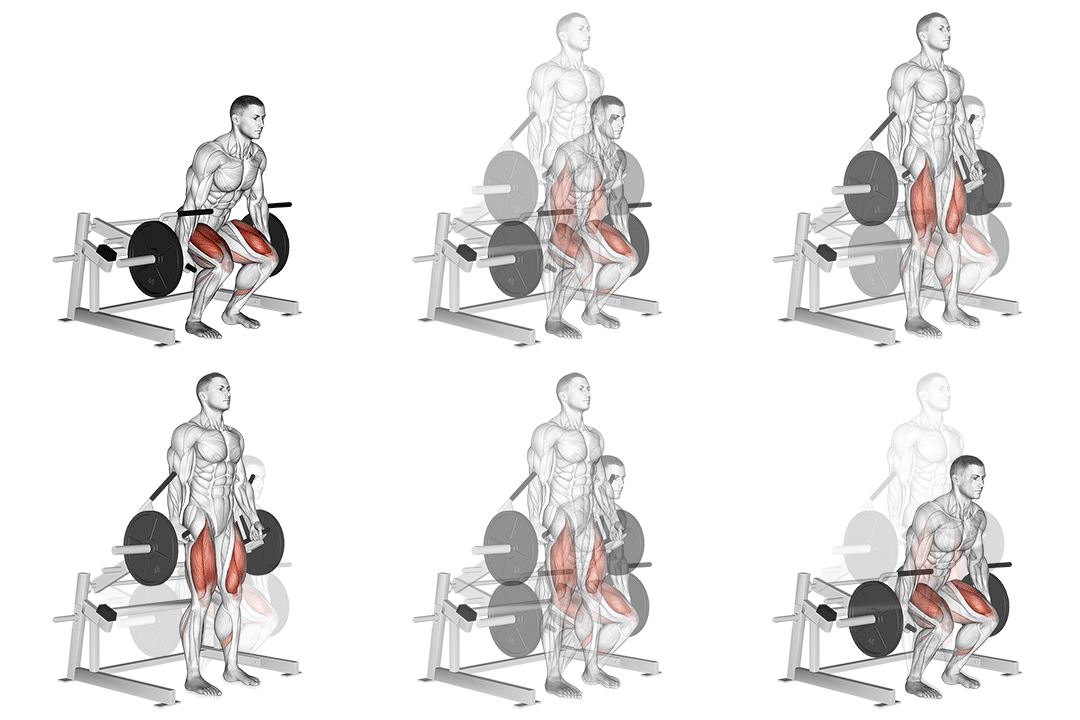
How to perform Leverage Deadlift
- Load the pins to an appropriate weight. Position yourself directly between the handles. Grasp the bottom handles with a comfortable grip, and then lower your hips as you take a breath. Look forward with your head and keep your chest up. This will be your starting position.
- Return the weight to the starting position.
Ranked Leverage Deadlift Alternatives
10 substitutes, ranked by how closely each one matches the Leverage Deadlift on movement pattern, muscles worked, equipment and body position. The higher the score, the less you change. Open "How to perform this exercise" on a card for the steps; every card title links to that exercise's own alternatives page. Harder versions are tagged as progressions and kept out of the top spot even when they score higher.
1. Lever Deadlift
79% match- Glutes
- Lever
- Intermediate
- Compound
A looser match: it works the glutes rather than the quads.
How to perform this exercise
- Adjust the seat height and foot platform to your desired position.
- Sit on the machine with your back against the pad and your feet flat on the foot platform.
- Grasp the handles or the sides of the seat for stability.
- Engage your glutes and hamstrings, and push through your heels to lift the weight up.
- Keep your back straight and avoid rounding your shoulders.
- Extend your hips fully at the top of the movement, squeezing your glutes.
- Lower the weight back down in a controlled manner, keeping tension on your glutes and hamstrings.
- Repeat for the desired number of repetitions.
Sets and reps: 3 or 4 sets of 6 to 10 reps.
Why this matches
- Movement: deadlift hinge, the same as the Leverage Deadlift
- Primary muscle: glutes, not quads
- Equipment: a machine, the same as the Leverage Deadlift
- Body position: standing, the same as the Leverage Deadlift
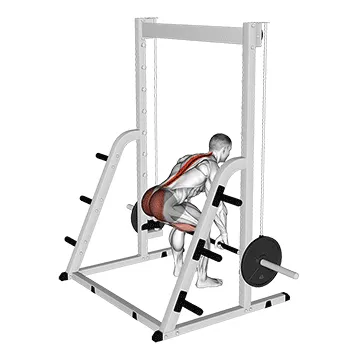
2. Smith Deadlift
79% match- Glutes
- Smith-machine
- Intermediate
- Compound
How to perform this exercise
- Set up the smith machine with the bar at hip height.
- Stand with your feet shoulder-width apart, toes pointing slightly outward.
- Bend at the hips and knees, keeping your back straight and chest up, and grip the bar with an overhand grip slightly wider than shoulder-width apart.
- Engage your core and lift the bar by extending your hips and knees, keeping the bar close to your body.
- Stand up straight, fully extending your hips and knees.
- Lower the bar back down by bending at the hips and knees, maintaining control and keeping your back straight.
- Repeat for the desired number of repetitions.
Sets and reps: 3 or 4 sets of 6 to 10 reps.
Why this matches
- Movement: deadlift hinge, the same as the Leverage Deadlift
- Primary muscle: glutes, not quads
- Equipment: a machine, the same as the Leverage Deadlift
- Body position: standing, the same as the Leverage Deadlift
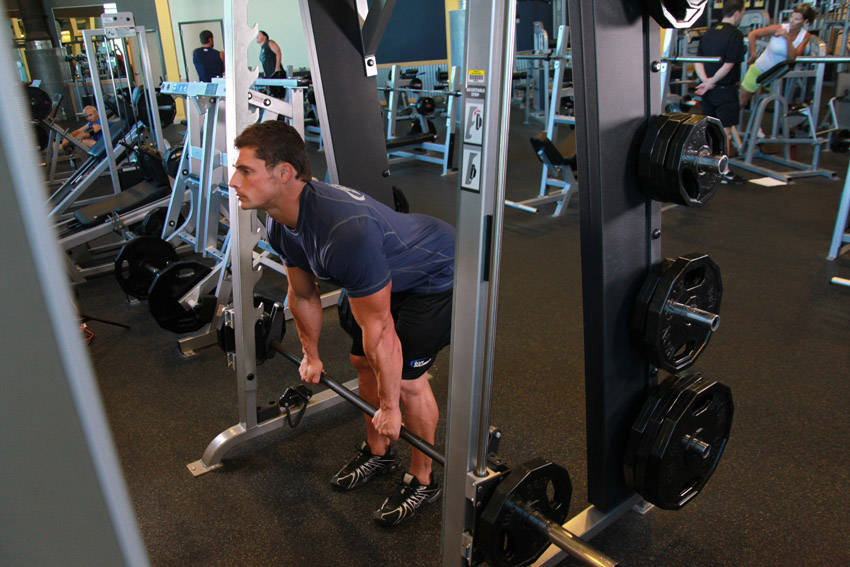
- Hamstrings
- Smith-machine
- Intermediate
- Compound
A looser match: it works the hamstrings rather than the quads.
How to perform this exercise
- To begin, set the bar on the smith machine to a height that is around the middle of your thighs. Once the correct height is chosen and the bar is loaded, grasp the bar using a pronated (palms forward) grip that is shoulder width apart. You may need some wrist wraps if using a significant amount of weight.
- Lift the bar up by fully extending your arms while keeping your back straight. Stand with your torso straight and your legs spaced using a shoulder width or narrower stance. The knees should be slightly bent. This is your starting position.
- Keeping the knees stationary, lower the barbell to over the top of your feet by bending at the waist while keeping your back straight. Keep moving forward as if you were going to pick something from the floor until you feel a stretch on the hamstrings. Exhale as you perform this movement
- Start bringing your torso up straight again as soon as you feel the hamstrings stretch by extending your hips and waist until you are back at the starting position. Inhale as you perform this movement.
- Repeat for the recommended amount of repetitions.
Sets and reps: 3 or 4 sets of 6 to 10 reps.
Why this matches
- Primary muscle: hamstrings, not quads
- Equipment: a machine, the same as the Leverage Deadlift
- Body position: standing, the same as the Leverage Deadlift
Best match 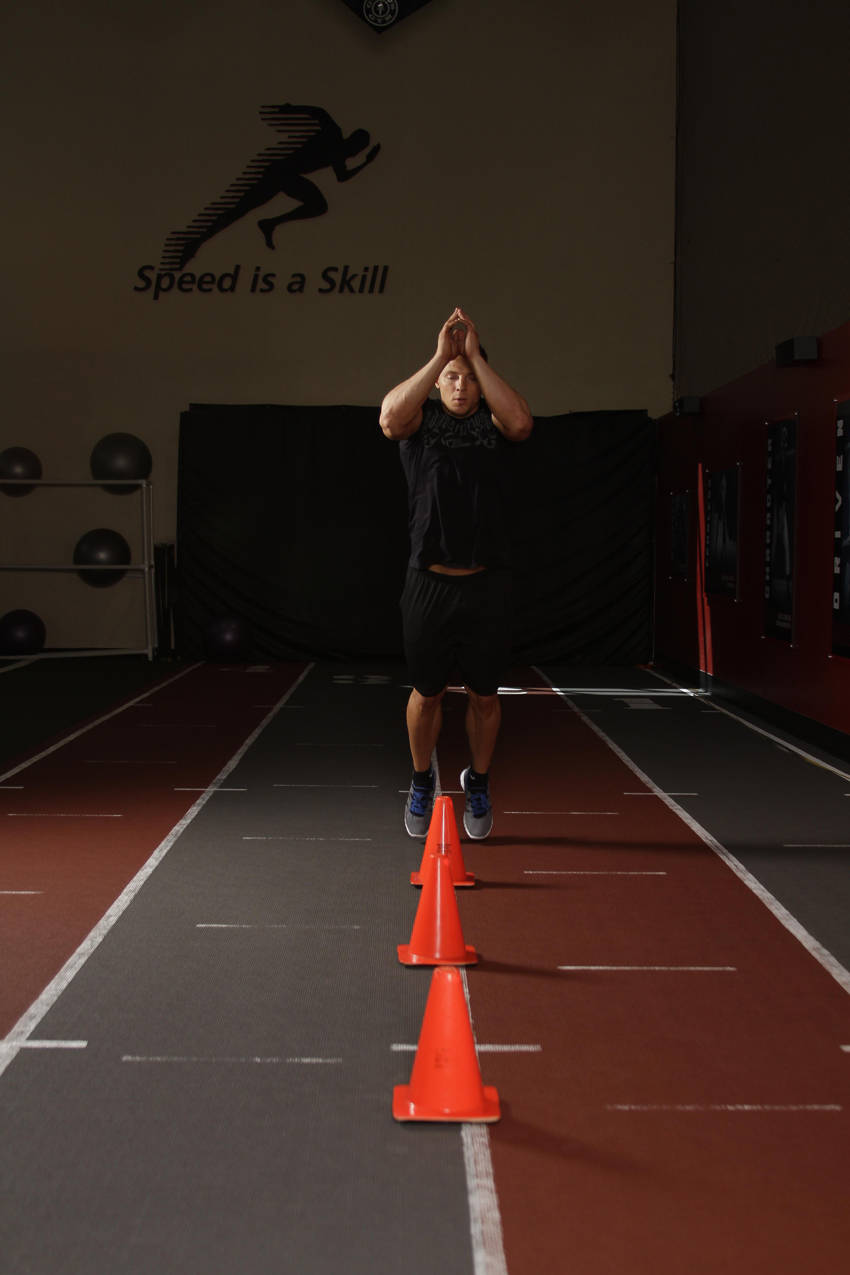
4. Front Cone Hops (Or Hurdle Hops)
72% match- Quads
- Other
- Advanced
- Compound
Pick this when you want a harder version that works the quads one side at a time.
How to perform this exercise
- Set up a row of cones or other small barriers, placing them a few feet apart.
- Stand in front of the first cone with your feet shoulder width apart. This will be your starting position.
- Begin by jumping with both feet over the first cone, swinging both arms as you jump.
- Absorb the impact of landing by bending the knees, rebounding out of the first leap by jumping over the next cone.
- Continue until you have jumped over all of the cones.
Sets and reps: 3 or 4 sets of 6 to 10 reps on each side.
Why this matches
- Primary muscle: quads, the same as the Leverage Deadlift
- Equipment: bodyweight only, not a machine
- Body position: standing, the same as the Leverage Deadlift
- Balance: harder to stay steady on than the Leverage Deadlift
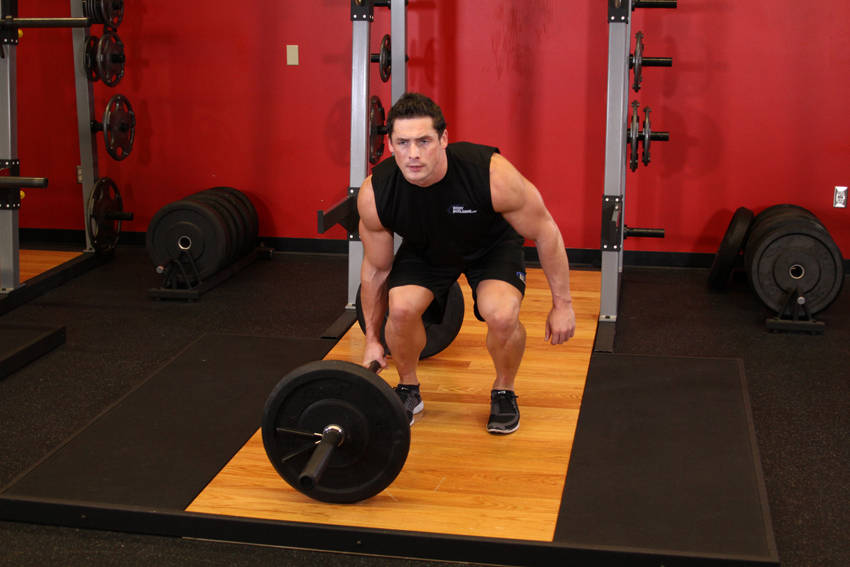
5. One-arm Side Deadlift
72% match- Quads
- Barbell
- Advanced
- Compound
Pick this when you want a harder single-arm version that still works the quads.
How to perform this exercise
- Stand to the side of a barbell next to its center. Bend your knees and lower your body until you are able to reach the barbell.
- Grasp the bar as if you were grabbing a briefcase (palms facing you since the bar is sideways). You may need a wrist wrap if you are using a significant amount of weight. This is your starting position.
- Use your legs to help lift the barbell up while exhaling. Your arms should extend fully as bring the barbell up until you are in a standing position.
- Slowly bring the barbell back down while inhaling. Tip: Make sure to bend your knees while lowering the weight to avoid any injury from occurring.
- Repeat for the recommended amount of repetitions.
- Switch arms and repeat the movement.
Sets and reps: 3 to 5 sets of 5 to 8 reps on each side.
Why this matches
- Movement: deadlift hinge, the same as the Leverage Deadlift
- Primary muscle: quads, the same as the Leverage Deadlift
- Equipment: free weights, not a machine
- Body position: standing, the same as the Leverage Deadlift
- Balance: harder to stay steady on than the Leverage Deadlift
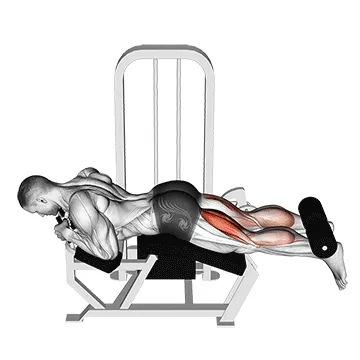
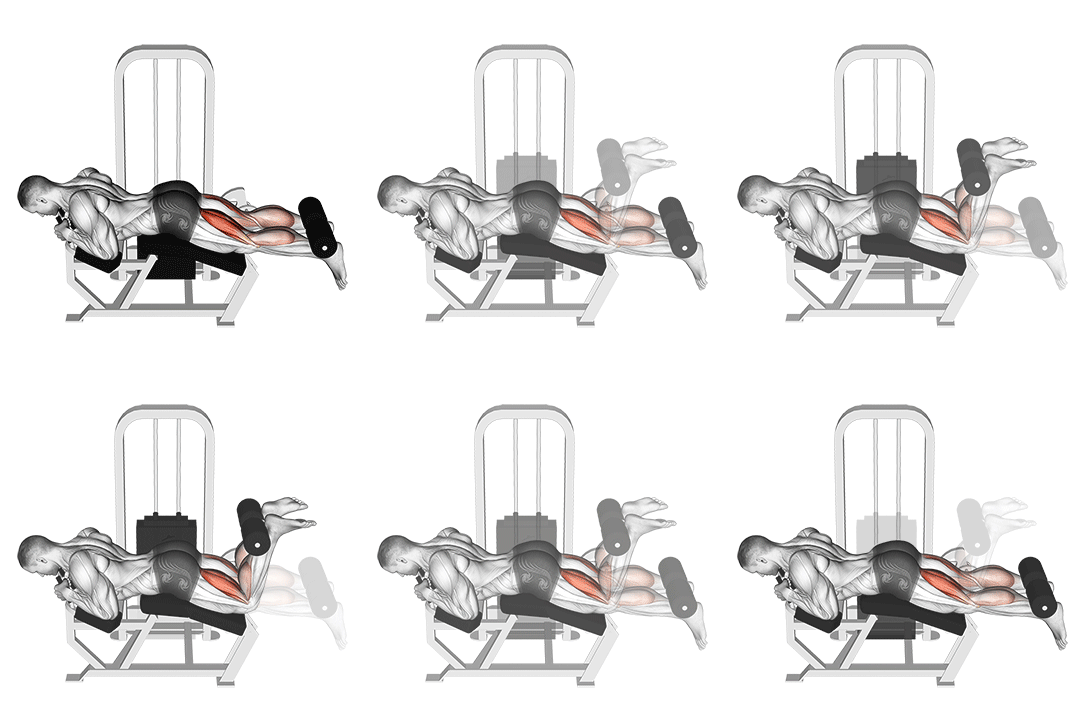
6. Lever Lying Leg Curl
72% match- Hamstrings
- Lever
- Intermediate
- Isolation
How to perform this exercise
- Adjust the machine to fit your body and select the desired weight.
- Lie face down on the machine with your legs straight and your heels against the padded lever.
- Grasp the handles or the sides of the machine for stability.
- Keeping your upper body stationary, exhale and curl your legs up as far as possible without lifting your hips off the pad.
- Hold the contracted position for a brief pause as you squeeze your hamstrings.
- Inhale and slowly lower the lever back to the starting position.
- Repeat for the desired number of repetitions.
Sets and reps: 3 sets of 10 to 15 reps.
Why this matches
- Primary muscle: hamstrings, not quads
- Equipment: a machine, the same as the Leverage Deadlift
- Body position: lying face down, not standing
Progression
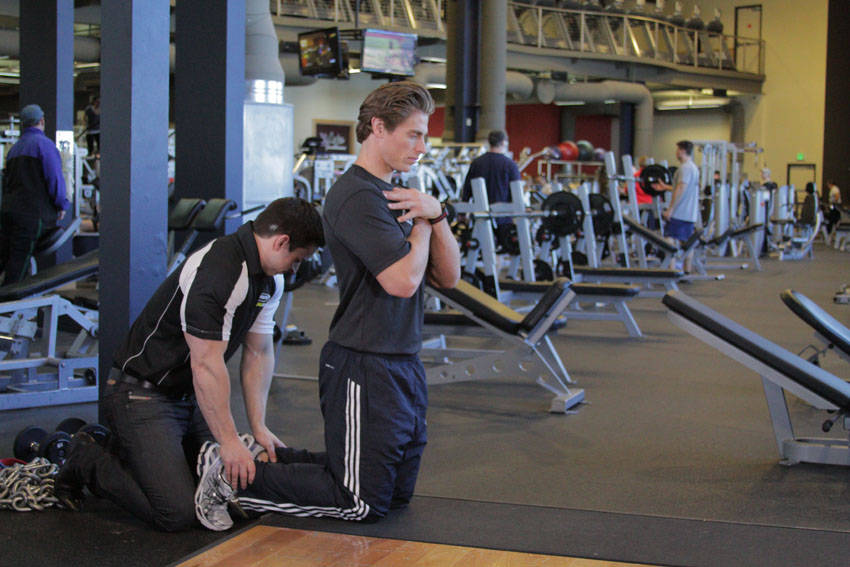
7. Floor Glute-ham Raise
72% match- Hamstrings
- Machine
- Advanced
- Compound
A looser match: it uses the same equipment, but it works the hamstrings rather than the quads.
How to perform this exercise
- You can use a partner for this exercise or brace your feet under something stable.
- Begin on your knees with your upper legs and torso upright. If using a partner, they will firmly hold your feet to keep you in position. This will be your starting position.
- Lower yourself by extending at the knee, taking care to NOT flex the hips as you go forward.
- Place your hands in front of you as you reach the floor. This movement is very difficult and you may be unable to do it unaided. Use your arms to lightly push off the floor to aid your return to the starting position.
Sets and reps: 3 to 5 sets of 5 to 8 reps.
Why this matches
- Primary muscle: hamstrings, not quads
- Equipment: a machine, the same as the Leverage Deadlift
- Body position: kneeling, not standing
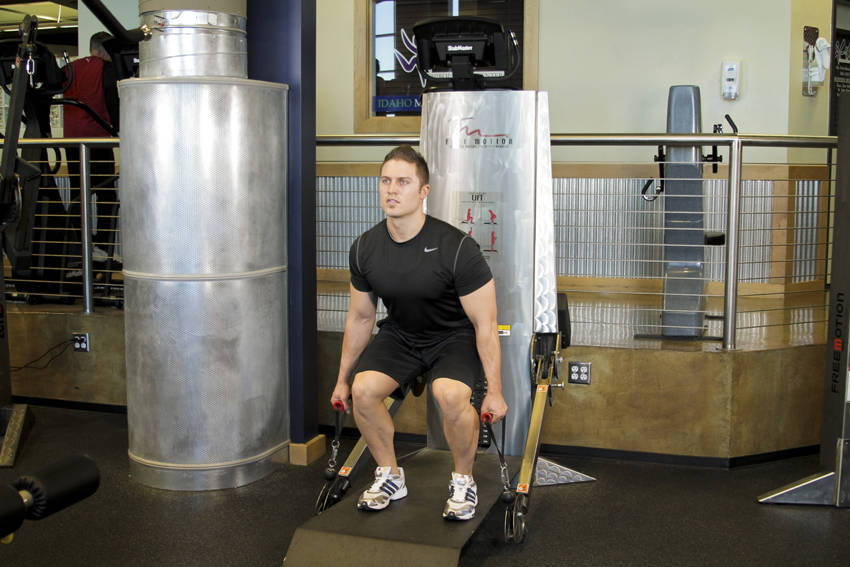
8. Cable Deadlifts
72% match- Hamstrings
- Cable
- Intermediate
- Compound
How to perform this exercise
- Move the cables to the bottom of the towers and select an appropriate weight. Stand directly in between the uprights.
- To begin, squat down be flexing your hips and knees until you can reach the handles.
- After grasping them, begin your ascent. Driving through your heels extend your hips and knees keeping your hands hanging at your side. Keep your head and chest up throughout the movement.
- After reaching a full standing position, Return to the starting position and repeat.
Sets and reps: 3 or 4 sets of 6 to 10 reps.
Why this matches
- Movement: deadlift hinge, the same as the Leverage Deadlift
- Primary muscle: hamstrings, not quads
- Equipment: a cable, not a machine
- Body position: standing, the same as the Leverage Deadlift
- Balance: harder to stay steady on than the Leverage Deadlift
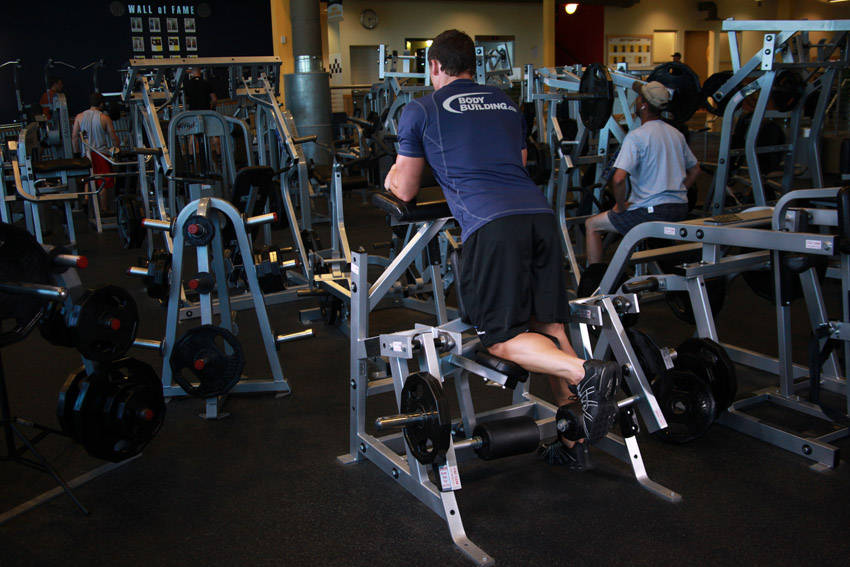
9. Standing Leg Curl
72% match- Hamstrings
- Machine
- Beginner
- Isolation
How to perform this exercise
- Adjust the machine lever to fit your height and lie with your torso bent at the waist facing forward around 30-45 degrees (since an angled position is more favorable for hamstrings recruitment) with the pad of the lever on the back of your right leg (just a few inches under the calves) and the front of the right leg on top of the machine pad.
- Keeping the torso bent forward, ensure your leg is fully stretched and grab the side handles of the machine. Position your toes straight. This will be your starting position.
- As you exhale, curl your right leg up as far as possible without lifting the upper leg from the pad. Once you hit the fully contracted position, hold it for a second.
- As you inhale, bring the legs back to the initial position. Repeat for the recommended amount of repetitions.
- Perform the same exercise now for the left leg.
Sets and reps: 3 sets of 10 to 15 reps on each side.
Why this matches
- Primary muscle: hamstrings, not quads
- Equipment: a machine, the same as the Leverage Deadlift
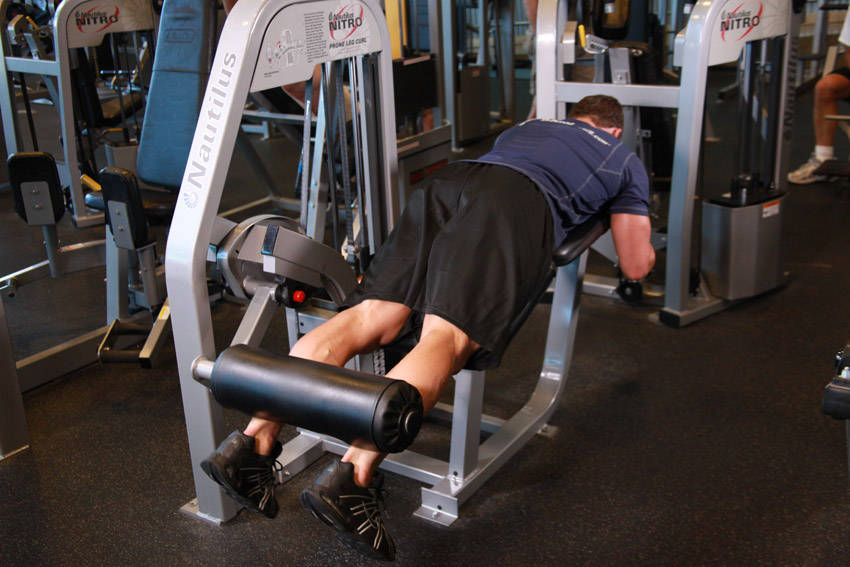
10. Lying Leg Curls
71% match- Hamstrings
- Machine
- Intermediate
- Isolation
How to perform this exercise
- Adjust the machine lever to fit your height and lie face down on the leg curl machine with the pad of the lever on the back of your legs (just a few inches under the calves). Tip: Preferably use a leg curl machine that is angled as opposed to flat since an angled position is more favorable for hamstrings recruitment.
- Keeping the torso flat on the bench, ensure your legs are fully stretched and grab the side handles of the machine. Position your toes straight (or you can also use any of the other two stances described on the foot positioning section). This will be your starting position.
- As you exhale, curl your legs up as far as possible without lifting the upper legs from the pad. Once you hit the fully contracted position, hold it for a second.
- As you inhale, bring the legs back to the initial position. Repeat for the recommended amount of repetitions.
Sets and reps: 3 sets of 10 to 15 reps.
Why this matches
- Primary muscle: hamstrings, not quads
- Equipment: a machine, the same as the Leverage Deadlift
- Body position: lying face down, not standing
Leverage Deadlift FAQ
What muscles does Leverage Deadlift work?
The Leverage Deadlift primarily targets the quadriceps, especially vastus lateralis and rectus femoris, due to its knee-dominant lever geometry. It also recruits gluteus maximus and adductors secondarily while the lower back acts as a stabilizer.
What is the best bodyweight alternative to Leverage Deadlift?
A bodyweight Bulgarian split squat is an excellent substitute; place the rear foot on a bench and keep your torso upright to bias the front quad. Cue pushing through the front mid-foot and lower until the front thigh is near parallel to maximize knee-extension load.
Find Alternatives for Any Exercise
Search the exercise database and filter the ranked substitutes by the equipment you own.
Similarity scores compare exercise metadata such as movement pattern, muscles, equipment and body position. They are not a safety rating or a check that you own the equipment. Learn about our methodology