

10 Best Alternate Leg Diagonal Bound Alternatives for Quad Strength
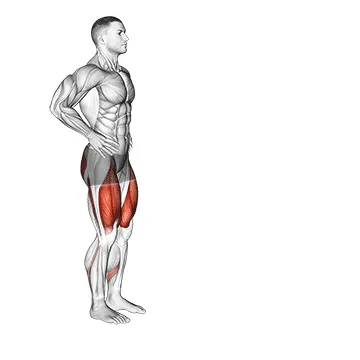
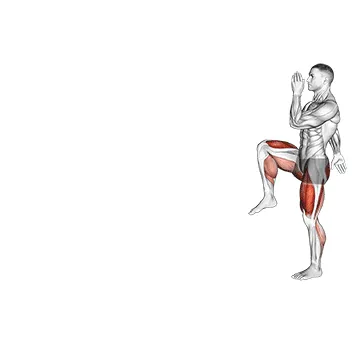
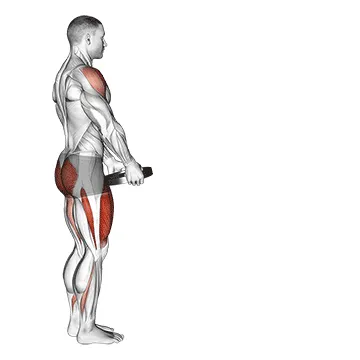
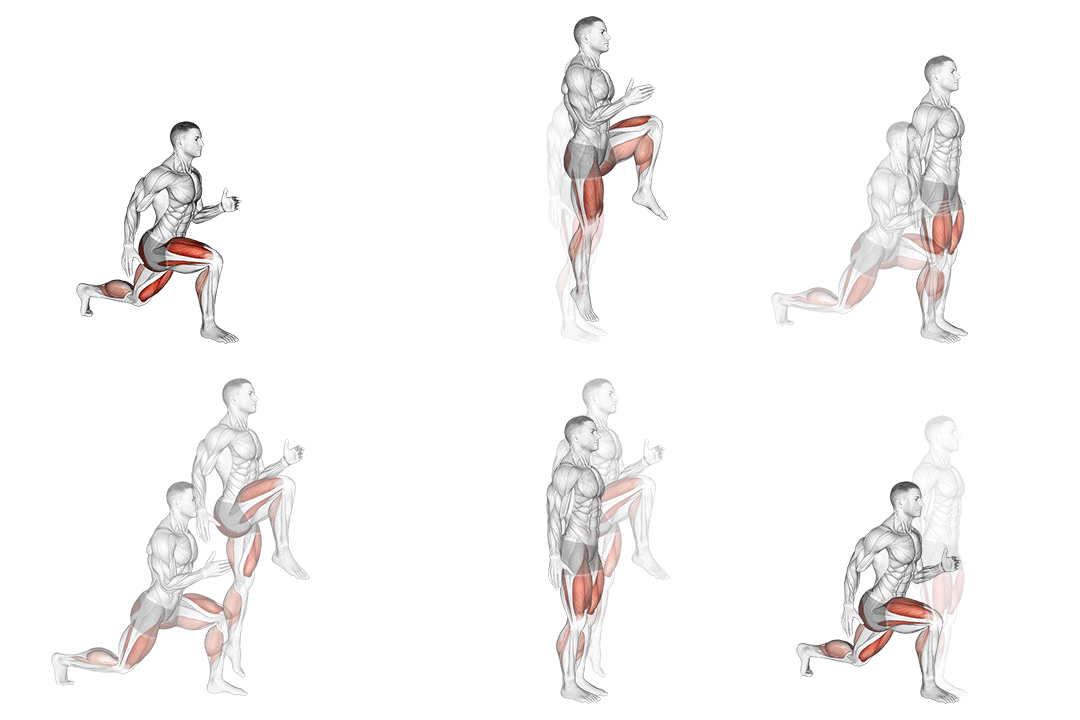
The Alternate Leg Diagonal Bound is done standing. Ranked closest by our scoring: the Bodyweight Walking Lunge, the Split Jump and Dumbbell Lunges. Two harder versions, the Scissors Jump and the Lunge With Jump, are listed below as progressions rather than swaps.
Updated Ranked by our 12-factor similarity model How it works
Original Exercise: Alternate Leg Diagonal Bound
- Primary muscle
- Quads
- Equipment
- Bodyweight
- Difficulty
- Intermediate
- Type
- Compound
Secondary muscles: Abductors, Adductors, Calves, Glutes, Hamstrings
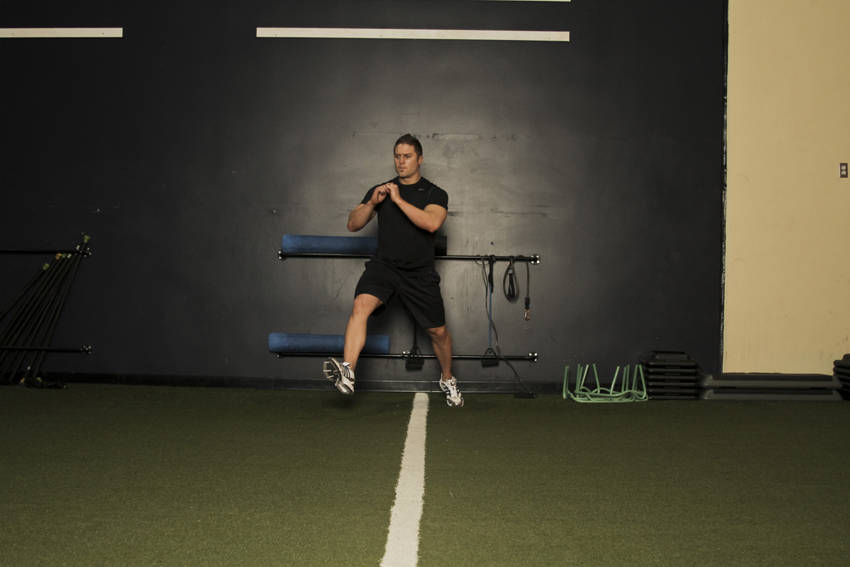
How to perform Alternate Leg Diagonal Bound
- Assume a comfortable stance with one foot slightly in front of the other.
- Begin by pushing off with the front leg, driving the opposite knee forward and as high as possible before landing. Attempt to cover as much distance to each side with each bound.
- It may help to use a line on the ground to guage distance from side to side.
- Repeat the sequence with the other leg.
Ranked Alternate Leg Diagonal Bound Alternatives
10 substitutes, ranked by how closely each one matches the Alternate Leg Diagonal Bound on movement pattern, muscles worked, equipment and body position. The higher the score, the less you change. Open "How to perform this exercise" on a card for the steps; every card title links to that exercise's own alternatives page. Harder versions are tagged as progressions and kept out of the top spot even when they score higher.
Best match 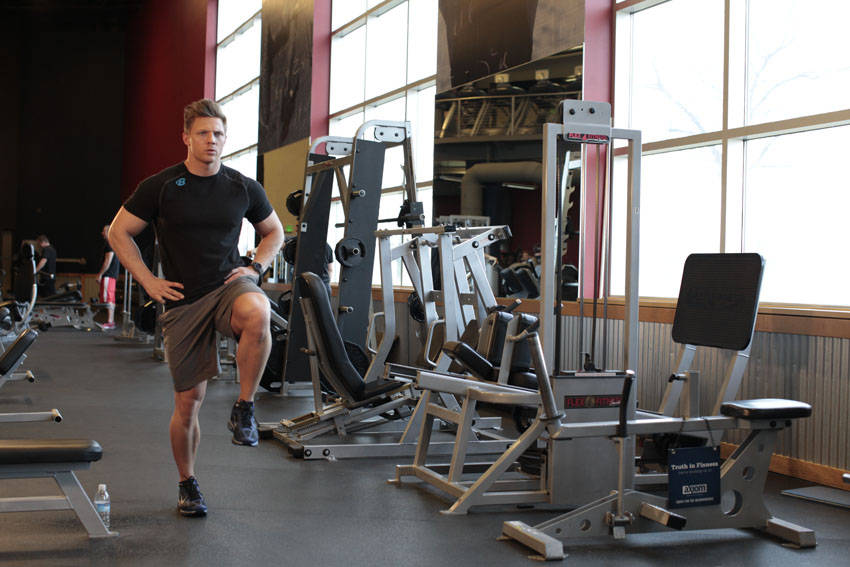
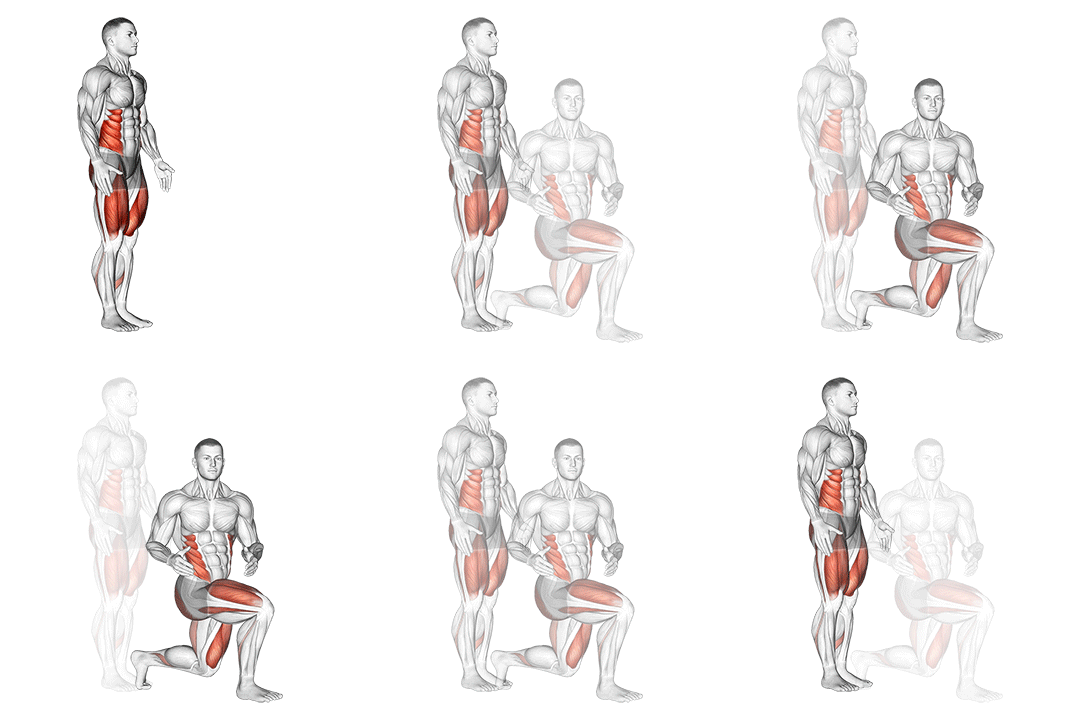
1. Bodyweight Walking Lunge
95% match- Quads
- Bodyweight
- Intermediate
- Compound
It uses the same equipment and still works the quads.
How to perform this exercise
- Begin standing with your feet shoulder width apart and your hands on your hips.
- Step forward with one leg, flexing the knees to drop your hips. Descend until your rear knee nearly touches the ground. Your posture should remain upright, and your front knee should stay above the front foot.
- Drive through the heel of your lead foot and extend both knees to raise yourself back up.
- Step forward with your rear foot, repeating the lunge on the opposite leg.
Sets and reps: 3 or 4 sets of 6 to 10 reps on each side.
Why this matches
- Primary muscle: quads, the same as the Alternate Leg Diagonal Bound
- Equipment: bodyweight only, the same as the Alternate Leg Diagonal Bound
- Body position: standing, the same as the Alternate Leg Diagonal Bound
Progression
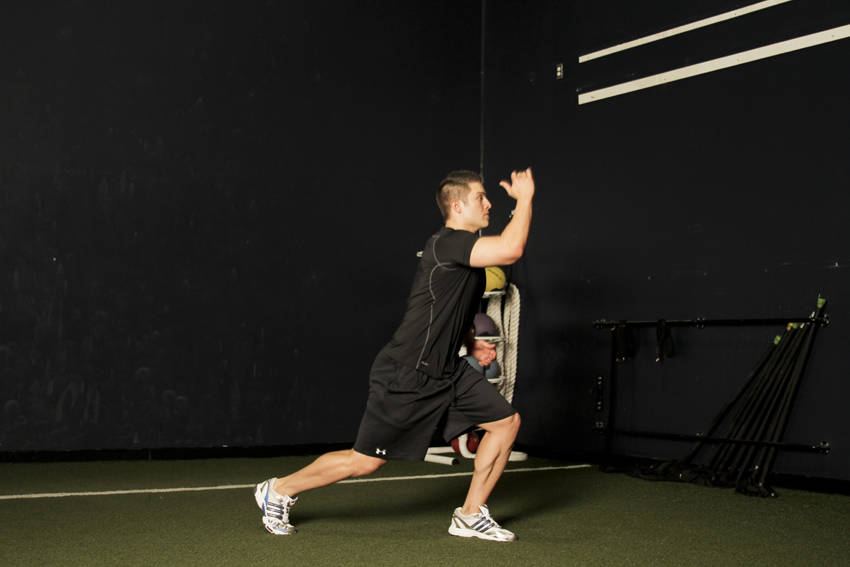
2. Scissors Jump
94% match- Quads
- Bodyweight
- Advanced
- Compound
Pick this when you want a harder version that still works the quads.
How to perform this exercise
- Assume a lunge stance position with one foot forward with the knee bent, and the rear knee nearly touching the ground.
- Ensure that the front knee is over the midline of the foot. Extending through both legs, jump as high as possible, swinging your arms to gain lift.
- As you jump as high as you can, switch the position of your legs, moving your front leg to the back and the rear leg to the front.
- As you land, absorb the impact through the legs by adopting the lunge position, and repeat.
Sets and reps: 3 or 4 sets of 6 to 10 reps on each side.
Why this matches
- Primary muscle: quads, the same as the Alternate Leg Diagonal Bound
- Equipment: bodyweight only, the same as the Alternate Leg Diagonal Bound
- Body position: standing, the same as the Alternate Leg Diagonal Bound
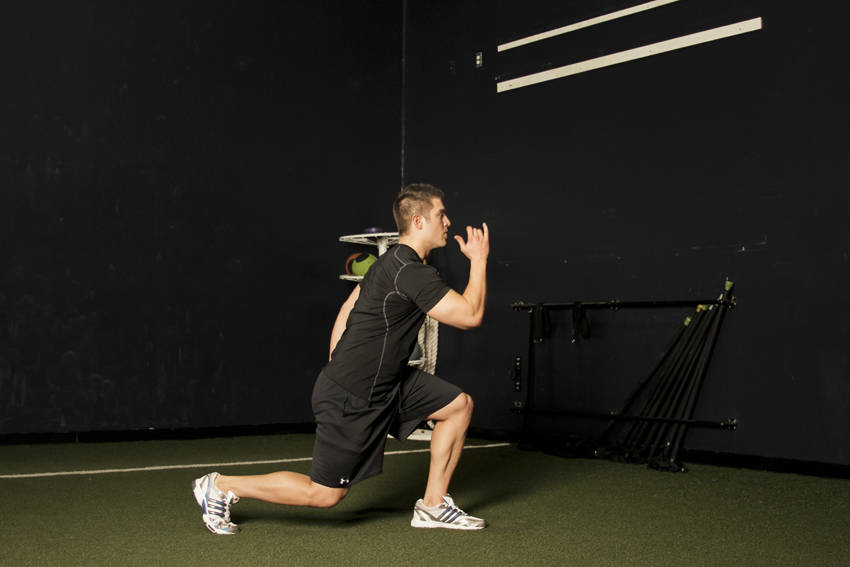
3. Split Jump
94% match- Quads
- Bodyweight
- Intermediate
- Compound
How to perform this exercise
- Assume a lunge stance position with one foot forward with the knee bent, and the rear knee nearly touching the ground.
- Ensure that the front knee is over the midline of the foot.
- Extending through both legs, jump as high as possible, swinging your arms to gain lift.
- As you jump, bring your feet together, and move them back to their initial positions as you land.
- Absorb the impact by reverting back to the starting position.
Sets and reps: 3 or 4 sets of 6 to 10 reps on each side.
Why this matches
- Primary muscle: quads, the same as the Alternate Leg Diagonal Bound
- Equipment: bodyweight only, the same as the Alternate Leg Diagonal Bound
- Body position: standing, the same as the Alternate Leg Diagonal Bound
Progression
4. Lunge With Jump
85% match- Glutes
- Bodyweight
- Advanced
- Compound
A looser match: it uses the same equipment, but it works the glutes rather than the quads.
How to perform this exercise
- Start by standing with your feet shoulder-width apart.
- Take a step forward with your right foot, lowering your body into a lunge position.
- Push off with your right foot and jump into the air, switching the position of your feet mid-air.
- Land softly with your left foot forward and immediately lower your body into a lunge position.
- Continue alternating between lunges and jumps for the desired number of repetitions.
Sets and reps: 3 or 4 sets of 6 to 10 reps on each side.
Why this matches
- Primary muscle: glutes, not quads
- Equipment: bodyweight only, the same as the Alternate Leg Diagonal Bound
- Body position: standing, the same as the Alternate Leg Diagonal Bound
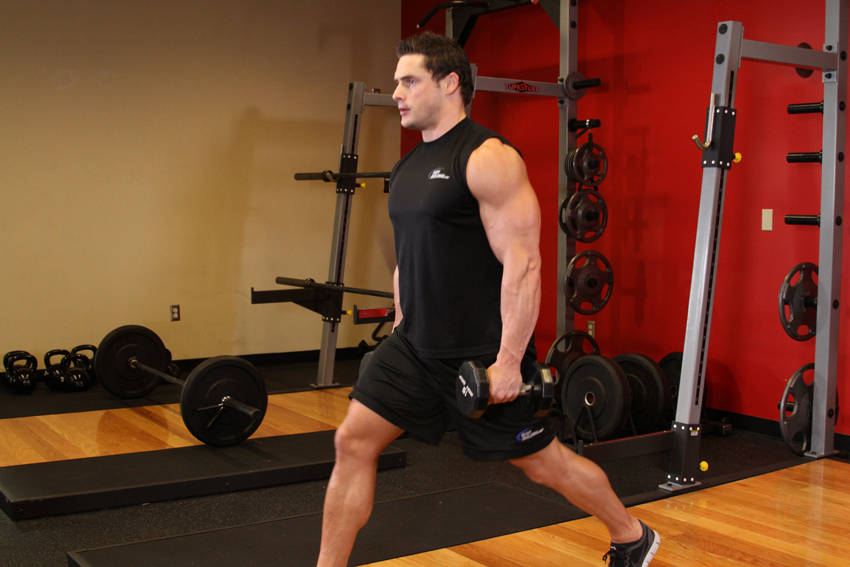
5. Dumbbell Lunges
84% match- Quads
- Dumbbell
- Intermediate
- Compound
A good swap when you have dumbbells to work with, and it still works the quads.
How to perform this exercise
- Stand with your torso upright holding two dumbbells in your hands by your sides. This will be your starting position.
- Step forward with your right leg around 2 feet or so from the foot being left stationary behind and lower your upper body down, while keeping the torso upright and maintaining balance. Inhale as you go down. Note: As in the other exercises, do not allow your knee to go forward beyond your toes as you come down, as this will put undue stress on the knee joint. Make sure that you keep your front shin perpendicular to the ground.
- Using mainly the heel of your foot, push up and go back to the starting position as you exhale.
- Repeat the movement for the recommended amount of repetitions and then perform with the left leg.
Sets and reps: 3 or 4 sets of 6 to 10 reps on each side.
Why this matches
- Primary muscle: quads, the same as the Alternate Leg Diagonal Bound
- Equipment: free weights, not bodyweight only
- Body position: standing, the same as the Alternate Leg Diagonal Bound
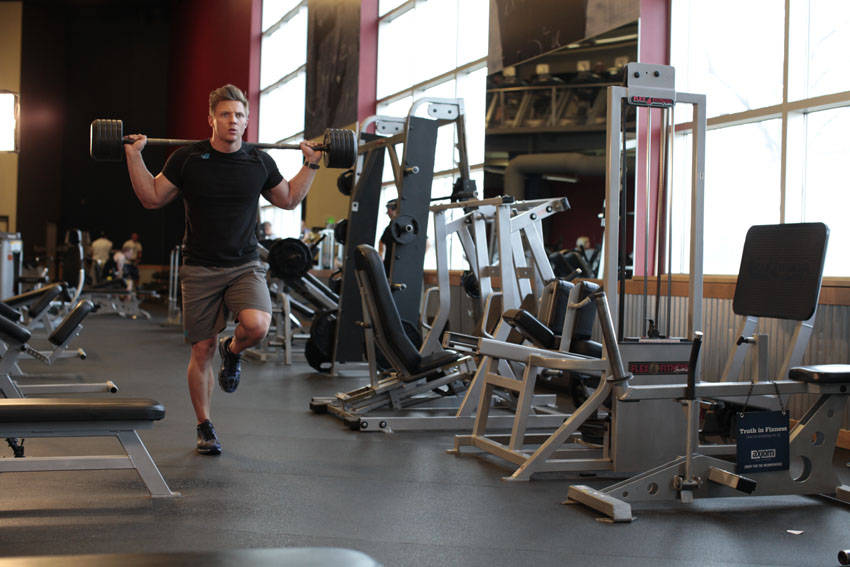
6. Barbell Walking Lunge
81% match- Quads
- Barbell
- Intermediate
- Compound
A good swap when you have a barbell to work with, and it still works the quads.
How to perform this exercise
- Begin standing with your feet shoulder width apart and a barbell across your upper back.
- Step forward with one leg, flexing the knees to drop your hips. Descend until your rear knee nearly touches the ground. Your posture should remain upright, and your front knee should stay above the front foot.
- Drive through the heel of your lead foot and extend both knees to raise yourself back up.
- Step forward with your rear foot, repeating the lunge on the opposite leg.
Sets and reps: 3 or 4 sets of 6 to 10 reps on each side.
Why this matches
- Primary muscle: quads, the same as the Alternate Leg Diagonal Bound
- Equipment: free weights, not bodyweight only
- Body position: standing, the same as the Alternate Leg Diagonal Bound
7. Lunge With Twist
80% match- Abs
- Bodyweight
- Intermediate
- Compound
A looser match: it uses the same equipment, but it works the abs rather than the quads.
How to perform this exercise
- Start by standing with your feet shoulder-width apart.
- Take a step forward with your right foot, lowering your body into a lunge position.
- As you lunge, twist your torso to the right, bringing your left elbow towards your right knee.
- Pause for a moment, then return to the starting position.
- Repeat on the other side, stepping forward with your left foot and twisting your torso to the left.
- Continue alternating sides for the desired number of repetitions.
Sets and reps: 3 or 4 sets of 6 to 10 reps on each side.
Why this matches
- Primary muscle: abs, not quads
- Equipment: bodyweight only, the same as the Alternate Leg Diagonal Bound
- Body position: standing, the same as the Alternate Leg Diagonal Bound
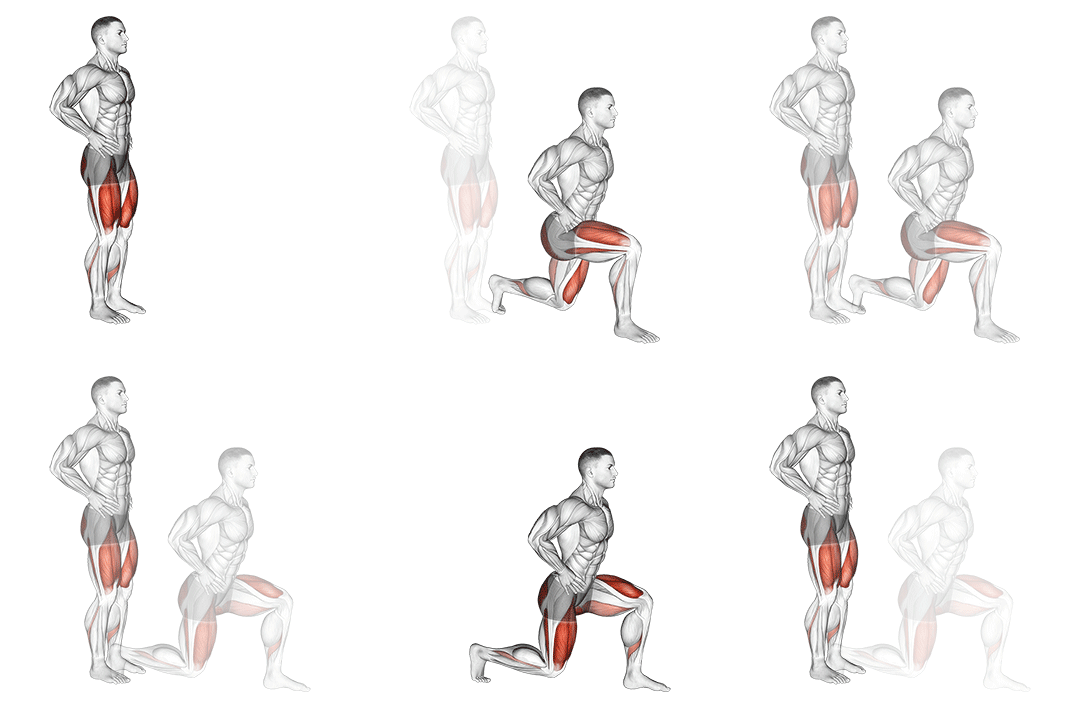
8. Forward Lunge
79% match- Glutes
- Bodyweight
- Beginner
- Compound
How to perform this exercise
- Stand with your feet hip-width apart and hands on your hips.
- Take a big step forward with your right foot, lowering your body into a lunge position.
- Bend your right knee to about 90 degrees, keeping your knee aligned with your ankle.
- Push off with your right foot and return to the starting position.
- Repeat with your left leg, alternating sides for the desired number of repetitions.
Sets and reps: 3 sets of 8 to 12 reps on each side, and add reps before you add load.
Why this matches
- Primary muscle: glutes, not quads
- Equipment: bodyweight only, the same as the Alternate Leg Diagonal Bound
- Body position: standing, the same as the Alternate Leg Diagonal Bound
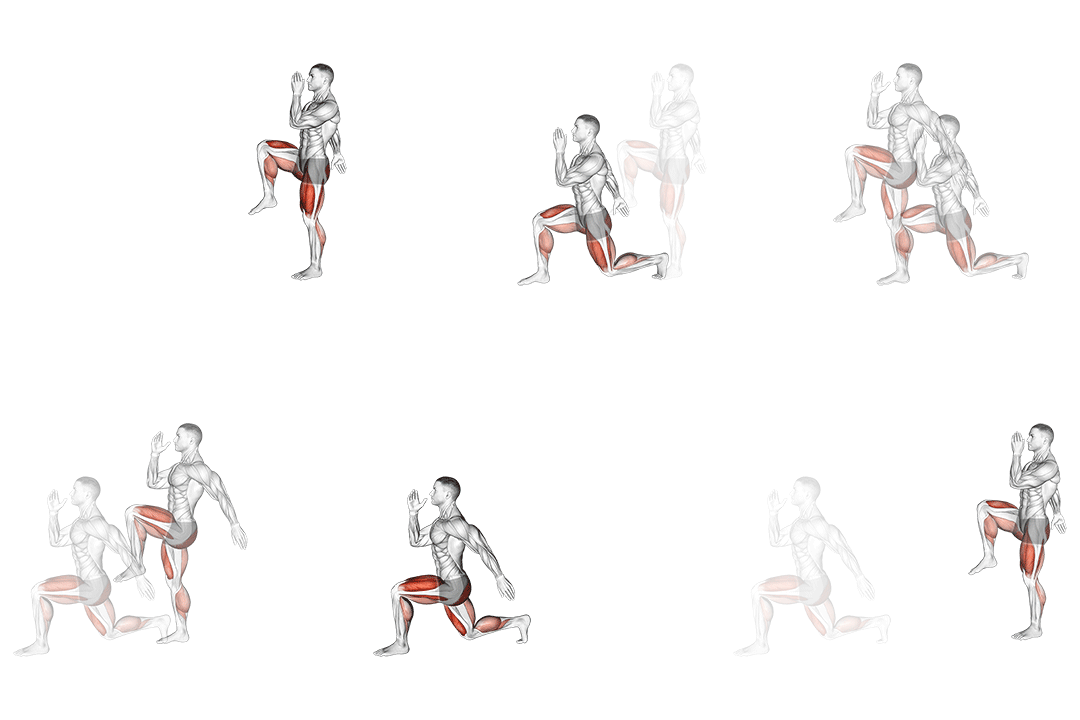
9. Walking High Knees Lunge
79% match- Cardio
- Bodyweight
- Beginner
- Compound
How to perform this exercise
- Stand with your feet hip-width apart.
- Lift your right knee up towards your chest as high as you can while balancing on your left leg.
- Step forward with your right foot and lower your body into a lunge position, bending both knees to a 90-degree angle.
- Push off with your right foot and bring your left knee up towards your chest.
- Step forward with your left foot and lower your body into a lunge position.
- Continue alternating legs and lunging forward, keeping your core engaged and maintaining a steady pace.
- Repeat for the desired number of repetitions.
Sets and reps: 3 sets of 8 to 12 reps on each side, and add reps before you add load.
Why this matches
- Primary muscle: your heart and lungs, not quads
- Equipment: bodyweight only, the same as the Alternate Leg Diagonal Bound
- Body position: standing, the same as the Alternate Leg Diagonal Bound
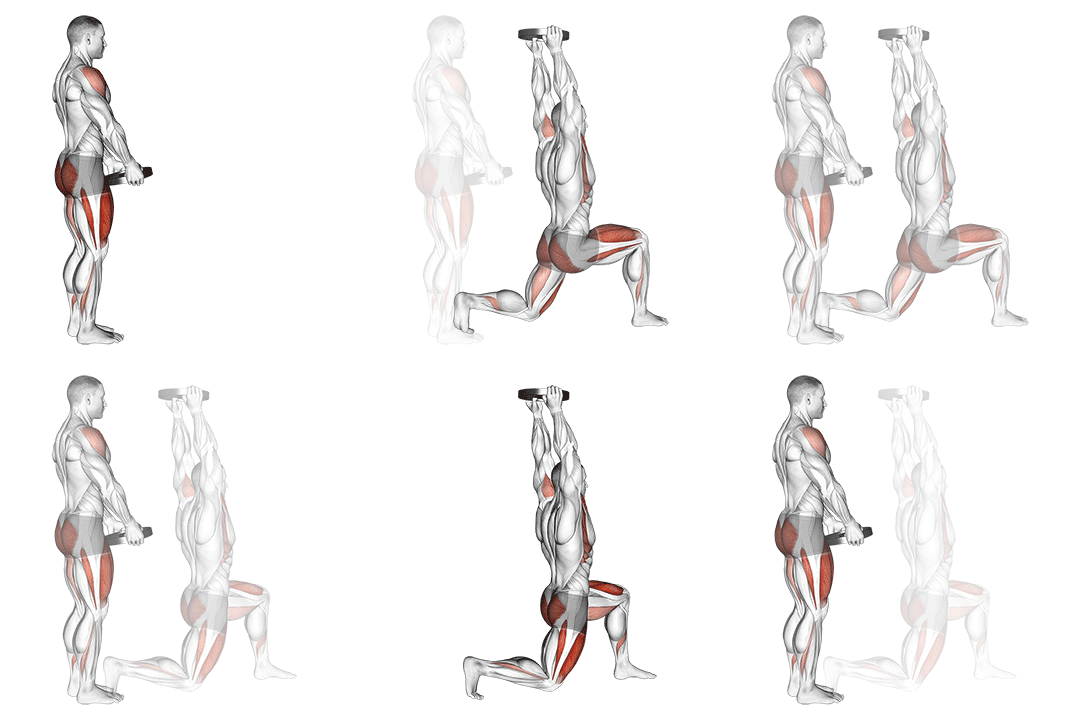
10. Weighted Lunge With Swing
75% match- Glutes
- Weighted
- Intermediate
- Compound
How to perform this exercise
- Stand with your feet shoulder-width apart, holding a weight in each hand.
- Take a step forward with your right foot, lowering your body into a lunge position.
- As you lunge forward, swing the weights forward and upward, keeping your arms straight.
- Push off with your right foot and return to the starting position, swinging the weights back down.
- Repeat with your left foot and continue alternating legs for the desired number of repetitions.
Sets and reps: 3 or 4 sets of 6 to 10 reps on each side.
Why this matches
- Primary muscle: glutes, not quads
- Equipment: free weights, not bodyweight only
- Body position: standing, the same as the Alternate Leg Diagonal Bound
Why You Might Need an Alternate Leg Diagonal Bound Alternative
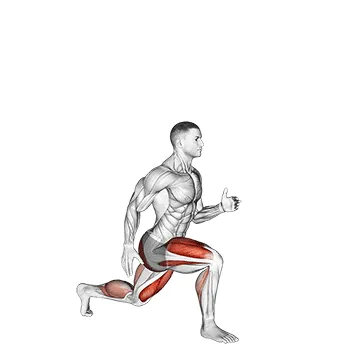
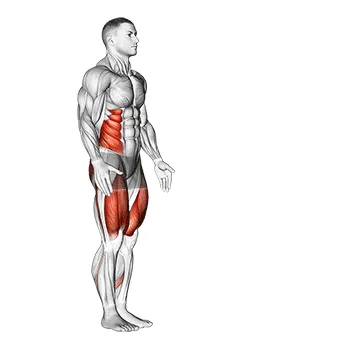
You might substitute the Alternate Leg Diagonal Bound for several reasons: joint pain, limited plyometric space, poor balance, or a training emphasis on hypertrophy rather than power. High-impact diagonal bounds load the quads and require frontal-plane stability; if you have knee irritation you can reduce impact and isolate the quads with controlled single-leg moves. For example, a Bulgarian split squat shifts time under tension to the quad while keeping hip extension limited, and a step-up lets you control knee shear by stopping near 90° of knee flexion. Adjust tempo, range of motion, and landing technique to manage load on the patellofemoral joint and hip abductors.
Alternate Leg Diagonal Bound FAQ
What muscles does Alternate Leg Diagonal Bound work?
The drill primarily targets the quadriceps through powerful knee extension and eccentric control on landing. It also recruits glutes and hamstrings for hip extension and stabilizers (hip abductors and core) to control frontal-plane motion during the diagonal push-off and landing.
What is the best bodyweight alternative to Alternate Leg Diagonal Bound?
A strong bodyweight substitute is the Bulgarian split squat because it isolates each quad while demanding hip stability similar to single-leg bounds. Cue: lower until the front thigh is parallel and drive through the front heel to emphasize the quadriceps and limit compensatory hip extension.
Find Alternatives for Any Exercise
Search the exercise database and filter the ranked substitutes by the equipment you own.
Similarity scores compare exercise metadata such as movement pattern, muscles, equipment and body position. They are not a safety rating or a check that you own the equipment. Learn about our methodology