

10 Best Dumbbell Rear Lunge Alternatives for Glute Strength
The Dumbbell Rear Lunge is done standing with dumbbells. Ranked closest by our scoring: the Barbell Rear Lunge, the Dumbbell Step-up and the Barbell Step-up.
Updated Ranked by our 12-factor similarity model How it works
Original Exercise: Dumbbell Rear Lunge
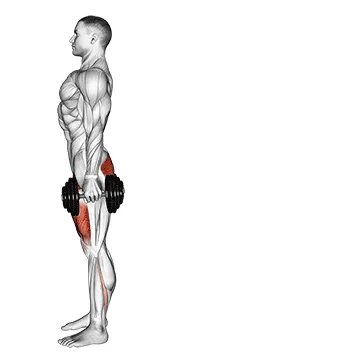
- Primary muscle
- Glutes
- Equipment
- Dumbbell
- Difficulty
- Intermediate
- Type
- Compound
Secondary muscles: Quadriceps, Hamstrings, Calves
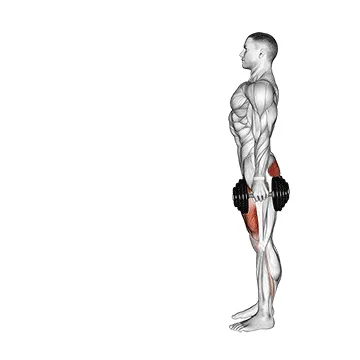
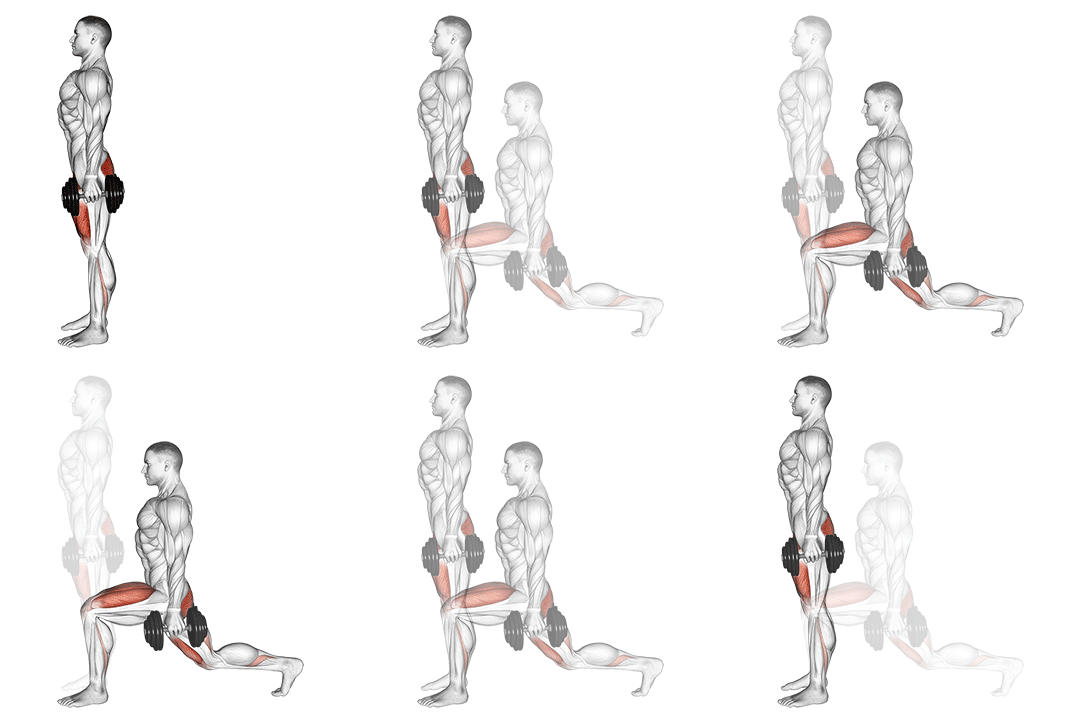
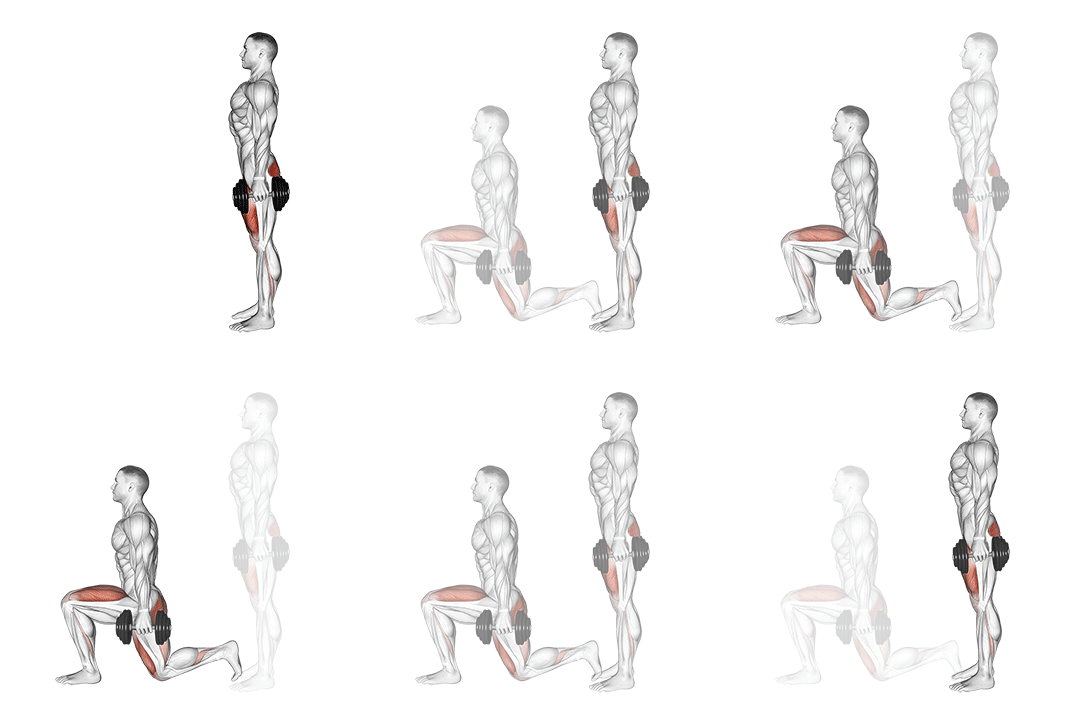
How to perform Dumbbell Rear Lunge
- Stand with your feet shoulder-width apart, holding a dumbbell in each hand.
- Take a step backward with your right foot, lowering your body into a lunge position.
- Bend your left knee and lower your body until your left thigh is parallel to the ground.
- Pause for a moment, then push through your left heel to return to the starting position.
- Repeat on the other side, stepping back with your left foot.
Ranked Dumbbell Rear Lunge Alternatives
10 substitutes, ranked by how closely each one matches the Dumbbell Rear Lunge on movement pattern, muscles worked, equipment and body position. The higher the score, the less you change. Open "How to perform this exercise" on a card for the steps; every card title links to that exercise's own alternatives page.
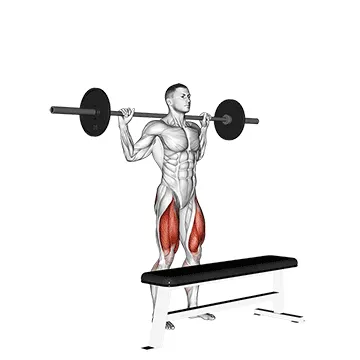
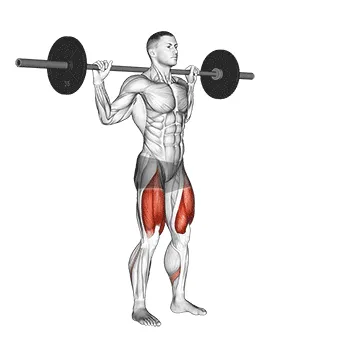
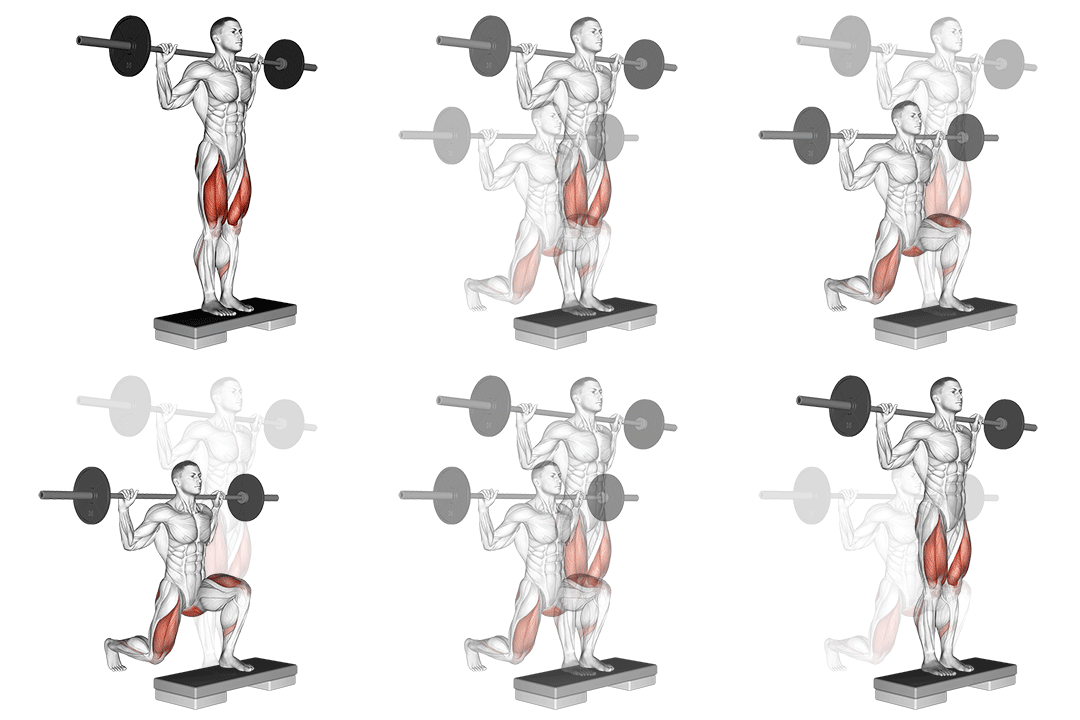
Best match 1. Barbell Rear Lunge
95% match- Glutes
- Barbell
- Intermediate
- Compound
A good swap when you have a barbell to work with, and it still works the glutes.
How to perform this exercise
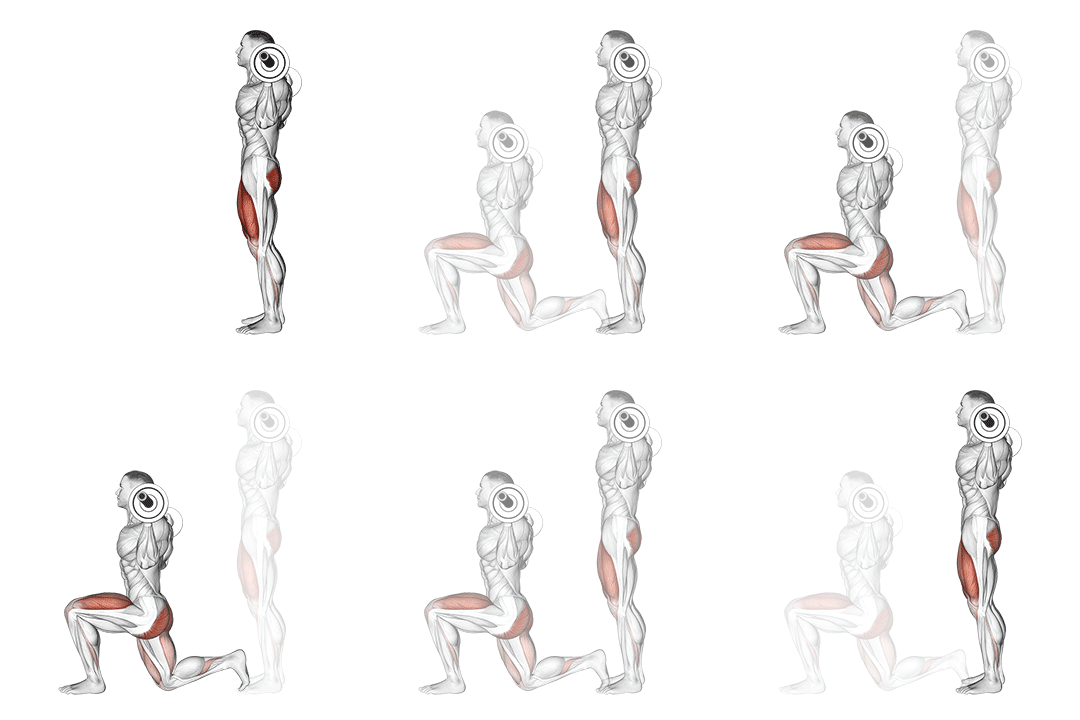
- Stand with your feet shoulder-width apart and hold a barbell across your upper back.
- Take a step backward with your right foot, landing on the ball of your foot.
- Bend both knees to lower your body until your left thigh is parallel to the ground.
- Push through your left heel to return to the starting position.
- Repeat with the other leg.
Sets and reps: 3 to 5 sets of 5 to 8 reps on each side.
Why this matches
- Primary muscle: glutes, the same as the Dumbbell Rear Lunge
- Equipment: free weights, the same as the Dumbbell Rear Lunge
- Body position: standing, the same as the Dumbbell Rear Lunge
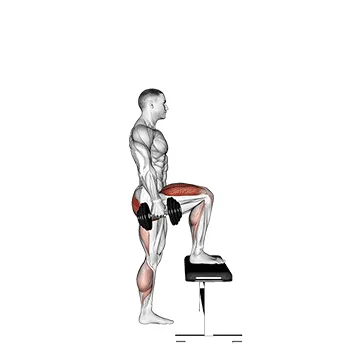
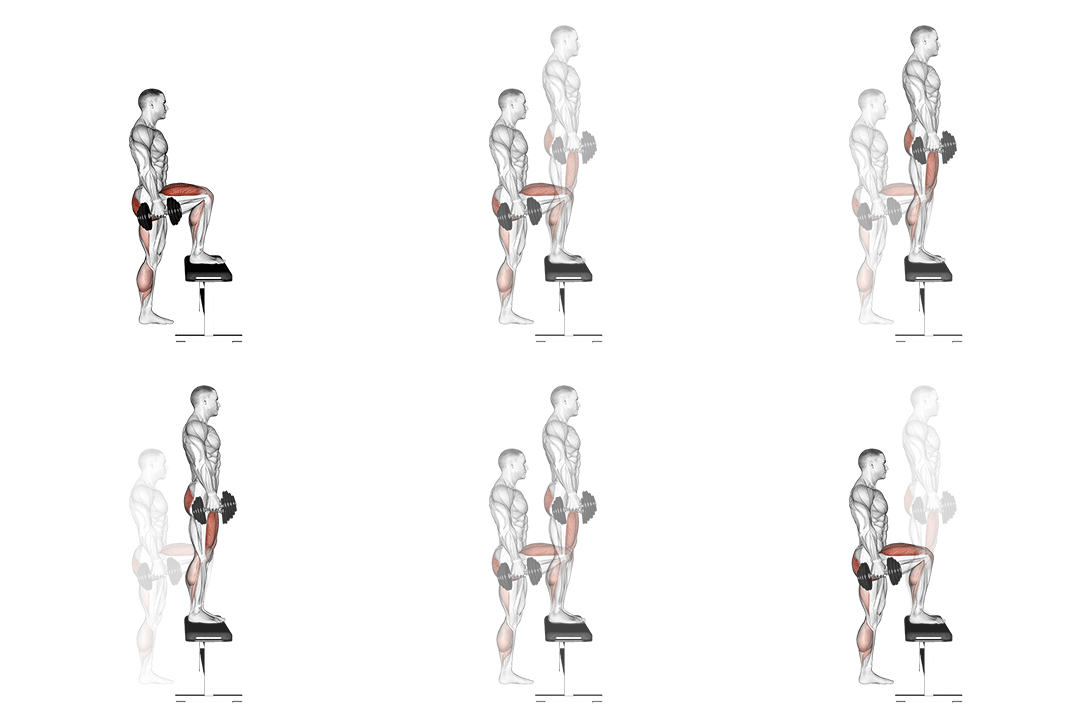
2. Dumbbell Step-up
90% match- Glutes
- Dumbbell
- Intermediate
- Compound
It uses the same equipment and still works the glutes.
How to perform this exercise
- Stand in front of a bench or step with a dumbbell in each hand, palms facing your body.
- Place your right foot on the bench or step, ensuring your entire foot is in contact with the surface.
- Push through your right heel and lift your body up onto the bench or step, straightening your right leg.
- Bring your left foot up onto the bench or step, standing fully upright.
- Step back down with your left foot, followed by your right foot, returning to the starting position.
- Repeat for the desired number of repetitions, then switch legs.
Sets and reps: 3 or 4 sets of 6 to 10 reps on each side.
Why this matches
- Primary muscle: glutes, the same as the Dumbbell Rear Lunge
- Equipment: free weights, the same as the Dumbbell Rear Lunge
- Body position: standing, the same as the Dumbbell Rear Lunge
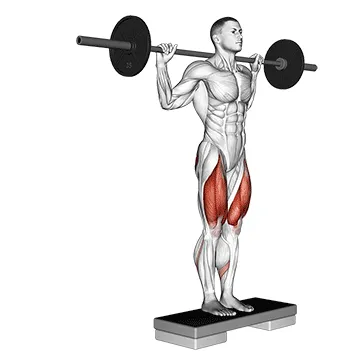
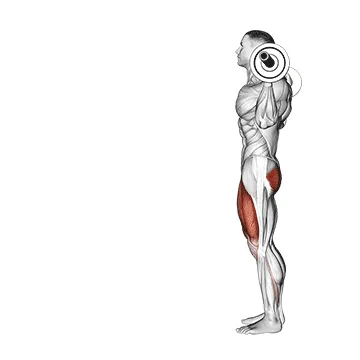
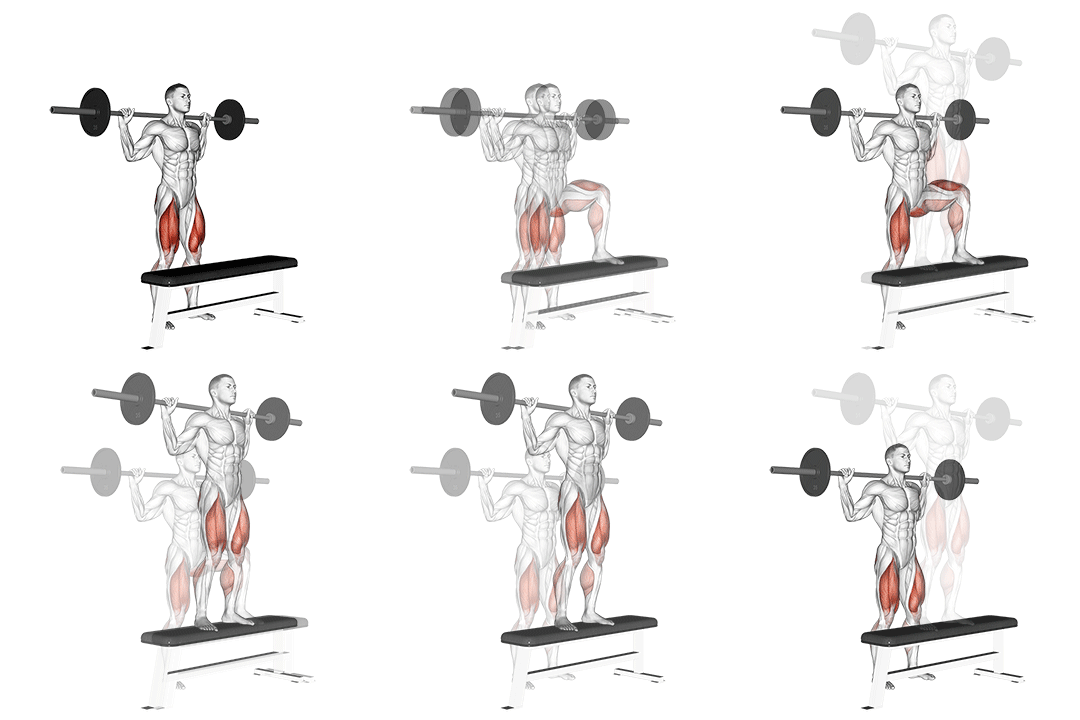
3. Barbell Step-up
85% match- Glutes
- Barbell
- Intermediate
- Compound
How to perform this exercise
- Stand in front of a bench or step with a barbell resting on your upper back.
- Place one foot on the bench or step, ensuring your entire foot is in contact with the surface.
- Push through your heel and step up onto the bench or step, fully extending your hip and knee.
- Pause briefly at the top, then lower yourself back down to the starting position.
- Repeat with the opposite leg.
- Continue alternating legs for the desired number of repetitions.
Sets and reps: 3 to 5 sets of 5 to 8 reps on each side.
Why this matches
- Primary muscle: glutes, the same as the Dumbbell Rear Lunge
- Equipment: free weights, the same as the Dumbbell Rear Lunge
- Body position: standing, the same as the Dumbbell Rear Lunge
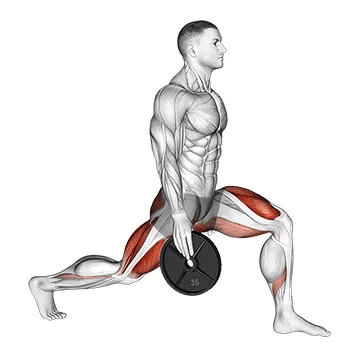
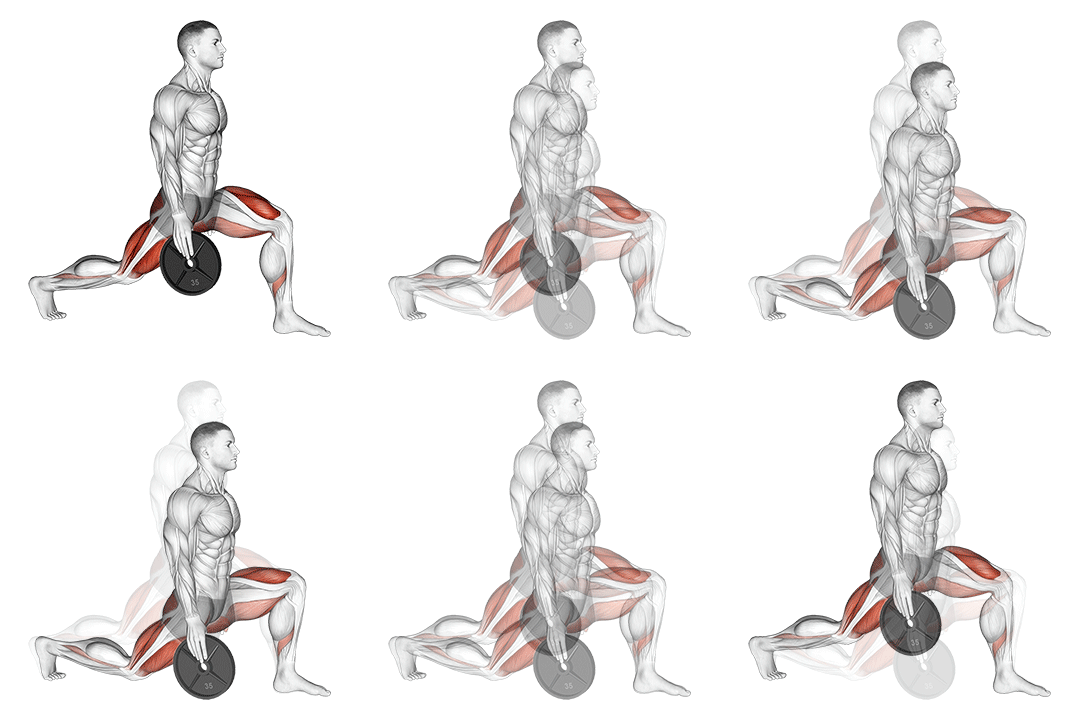
4. Weighted Stretch Lunge
85% match- Glutes
- Weighted
- Intermediate
- Compound
It still works the glutes, through a different movement.
How to perform this exercise
- Stand with your feet shoulder-width apart.
- Take a step forward with your right foot, keeping your back straight.
- Lower your body by bending your knees until your right thigh is parallel to the ground.
- Push through your right heel to return to the starting position.
- Repeat with your left leg.
- Continue alternating legs for the desired number of repetitions.
Sets and reps: 3 or 4 sets of 6 to 10 reps on each side.
Why this matches
- Primary muscle: glutes, the same as the Dumbbell Rear Lunge
- Equipment: free weights, the same as the Dumbbell Rear Lunge
- Body position: standing, the same as the Dumbbell Rear Lunge
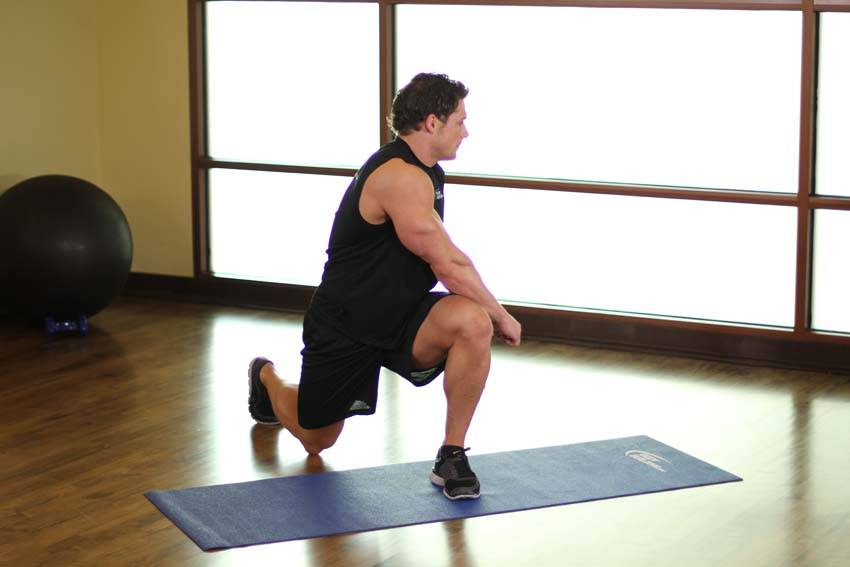
5. Crossover Reverse Lunge
84% match- Glutes
- Bodyweight
- Intermediate
- Compound
Use this when you have nothing to train with, because it works the glutes with bodyweight alone.
How to perform this exercise
- Stand with your feet shoulder width apart. This will be your starting position.
- Perform a rear lunge by stepping back with one foot and flexing the hips and front knee. As you do so, rotate your torso across the front leg.
- After a brief pause, return to the starting position and repeat on the other side, continuing in an alternating fashion.
Sets and reps: 3 or 4 sets of 6 to 10 reps on each side.
Why this matches
- Primary muscle: glutes, the same as the Dumbbell Rear Lunge
- Equipment: bodyweight only, not free weights
- Body position: standing, the same as the Dumbbell Rear Lunge
- Glutes
- Dumbbell
- Intermediate
- Compound
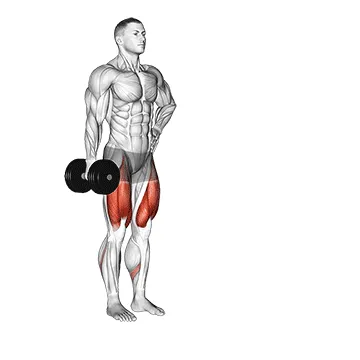
How to perform this exercise
- Stand with your feet shoulder-width apart, holding a dumbbell in each hand.
- Take a step forward with your right foot, keeping your back straight and core engaged.
- Lower your body by bending both knees until your right thigh is parallel to the ground.
- Push through your right heel to return to the starting position.
- Repeat with your left leg.
- Alternate legs for the desired number of repetitions.
Sets and reps: 3 or 4 sets of 6 to 10 reps on each side.
Why this matches
- Primary muscle: glutes, the same as the Dumbbell Rear Lunge
- Equipment: free weights, the same as the Dumbbell Rear Lunge
- Body position: standing, the same as the Dumbbell Rear Lunge
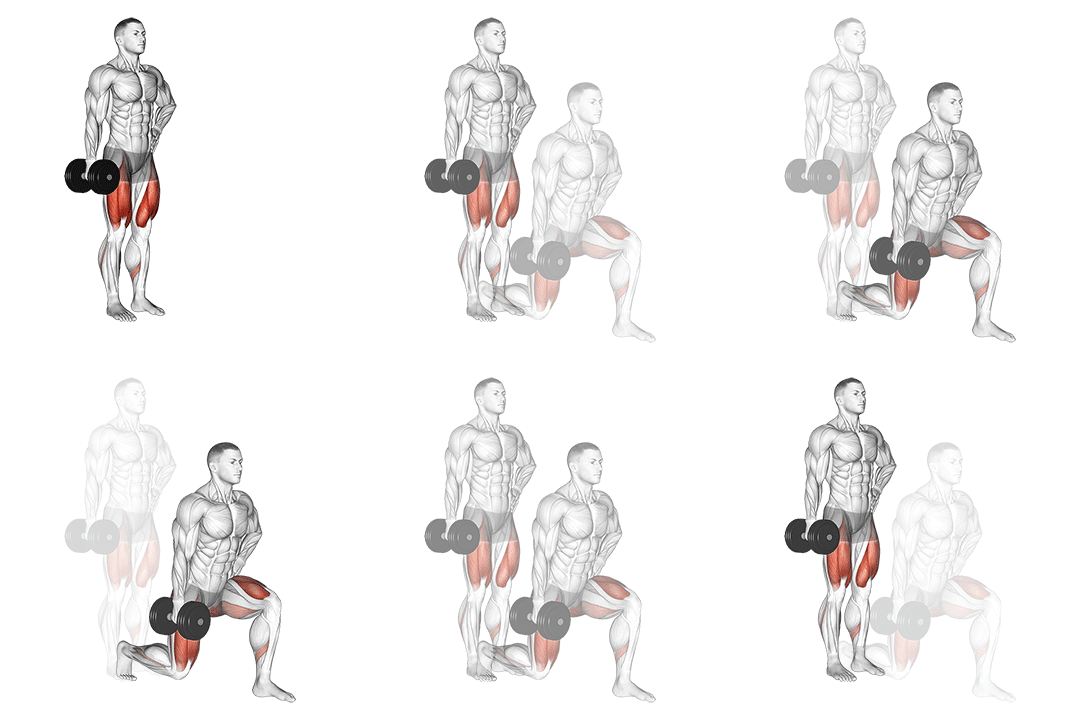
7. Dumbbell Lunge
84% match- Glutes
- Dumbbell
- Intermediate
- Compound
How to perform this exercise
- Stand with your feet shoulder-width apart, holding a dumbbell in each hand.
- Take a step forward with your right foot, lowering your body into a lunge position.
- Keep your back straight and your chest up as you lower your body.
- Push through your right heel to return to the starting position.
- Repeat with your left leg.
- Alternate legs for the desired number of repetitions.
Sets and reps: 3 or 4 sets of 6 to 10 reps on each side.
Why this matches
- Primary muscle: glutes, the same as the Dumbbell Rear Lunge
- Equipment: free weights, the same as the Dumbbell Rear Lunge
- Body position: standing, the same as the Dumbbell Rear Lunge
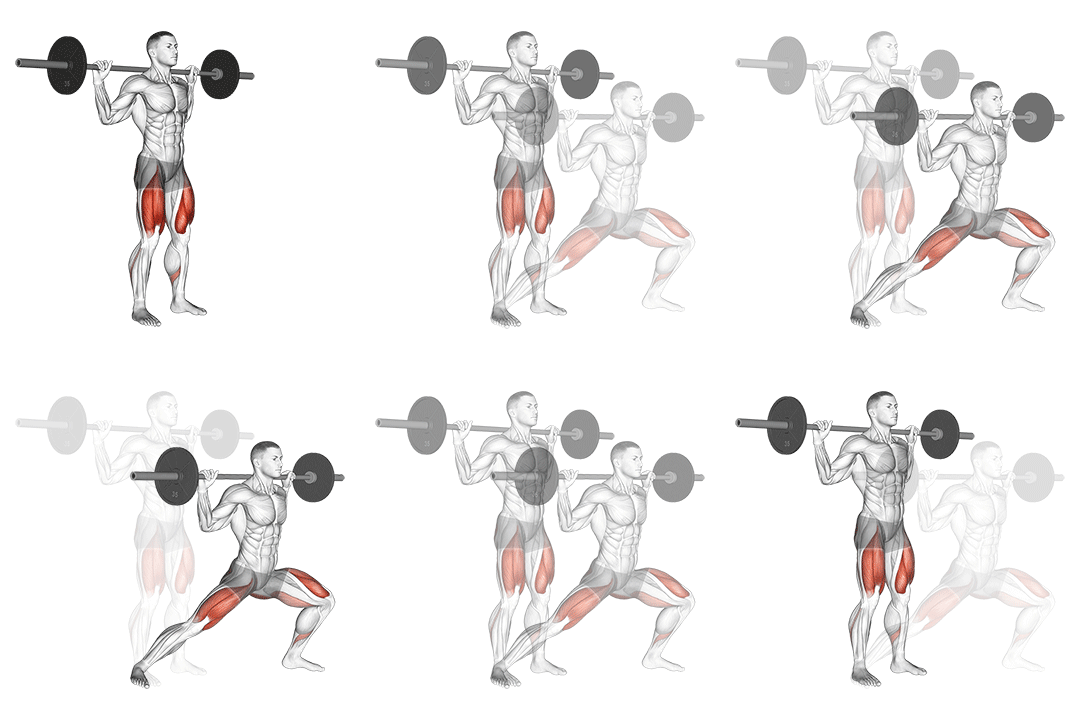
8. Barbell Lateral Lunge
80% match- Glutes
- Barbell
- Intermediate
- Compound
How to perform this exercise
- Stand with your feet shoulder-width apart, holding a barbell across your upper back.
- Take a big step to the side with your right foot, keeping your left foot planted.
- Bend your right knee and lower your body down into a lunge position, keeping your left leg straight.
- Push off with your right foot and return to the starting position.
- Repeat on the other side, stepping with your left foot.
Sets and reps: 3 or 4 sets of 6 to 10 reps on each side.
Why this matches
- Primary muscle: glutes, the same as the Dumbbell Rear Lunge
- Equipment: free weights, the same as the Dumbbell Rear Lunge
- Body position: standing, the same as the Dumbbell Rear Lunge
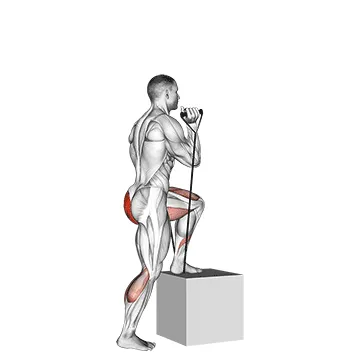
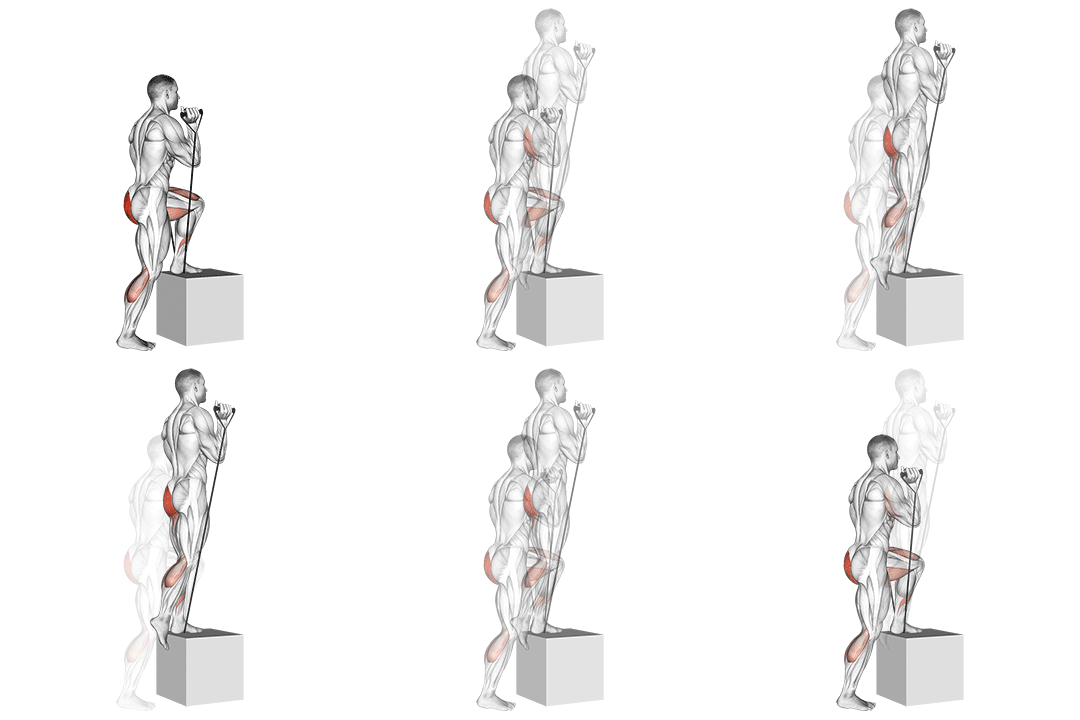
9. Band Step-up
79% match- Glutes
- Band
- Intermediate
- Compound
How to perform this exercise
- Place a band around your thighs, just above your knees.
- Stand facing a step or platform with your feet hip-width apart.
- Step up onto the platform with your right foot, pushing through your heel.
- Extend your left leg behind you, keeping it straight.
- Lower your left foot back down to the ground.
- Repeat with your left foot stepping up onto the platform.
- Continue alternating legs for the desired number of repetitions.
Sets and reps: 3 or 4 sets of 6 to 10 reps on each side.
Why this matches
- Primary muscle: glutes, the same as the Dumbbell Rear Lunge
- Equipment: a band, not free weights
- Body position: standing, the same as the Dumbbell Rear Lunge
10. Barbell Lunge
78% match- Glutes
- Barbell
- Intermediate
- Compound
How to perform this exercise
- Start by standing with your feet shoulder-width apart and a barbell resting on your upper back.
- Take a step forward with your right foot, keeping your torso upright.
- Lower your body by bending your right knee until your thigh is parallel to the ground.
- Push through your right heel to return to the starting position.
- Repeat with your left leg, alternating legs for the desired number of repetitions.
Sets and reps: 3 to 5 sets of 5 to 8 reps on each side.
Why this matches
- Primary muscle: glutes, the same as the Dumbbell Rear Lunge
- Equipment: free weights, the same as the Dumbbell Rear Lunge
- Body position: standing, the same as the Dumbbell Rear Lunge
Dumbbell Rear Lunge FAQ
What muscles does Dumbbell Rear Lunge work?
The Dumbbell Rear Lunge primarily targets the gluteus maximus, with substantial contribution from the quadriceps and hamstrings. It trains unilateral hip extension and knee extension while engaging core and hip stabilizers for balance. Cue: drive the front heel into the floor to boost glute activation.
What is the best bodyweight alternative to Dumbbell Rear Lunge?
The Bulgarian split squat is the best bodyweight alternative because it replicates single-leg loading and produces strong glute and quad activation. Place the rear foot on a bench, lower until the front thigh is parallel, then drive up through the front heel. Cue: keep the torso upright or slightly hinged, upright biases quads, a slight hinge increases glute engagement.
Find Alternatives for Any Exercise
Search the exercise database and filter the ranked substitutes by the equipment you own.
Similarity scores compare exercise metadata such as movement pattern, muscles, equipment and body position. They are not a safety rating or a check that you own the equipment. Learn about our methodology