

10 Best Frog Hops Alternatives for Quad Power
Frog Hops are done standing. Ranked closest by our scoring: the Backward Jump, the Forward Jump and Quads. A harder version, the Sissy Squat, is listed below as a progression rather than a swap.
Frog Hops asks you to squat down with your hands behind your head, launch forward several feet, absorb the landing and jump again, five to ten times a set, which needs more clear floor than most rooms give you. The closest match is the Backward Jump: a slight knee bend, a two-footed push-off and a soft landing on the balls of your feet, sending you backward instead of forward. If you want to stay in one spot, Squat To Overhead Reach keeps both feet down and swaps the jump for a reach.
Updated Ranked by our 12-factor similarity model How it works
Original Exercise: Frog Hops
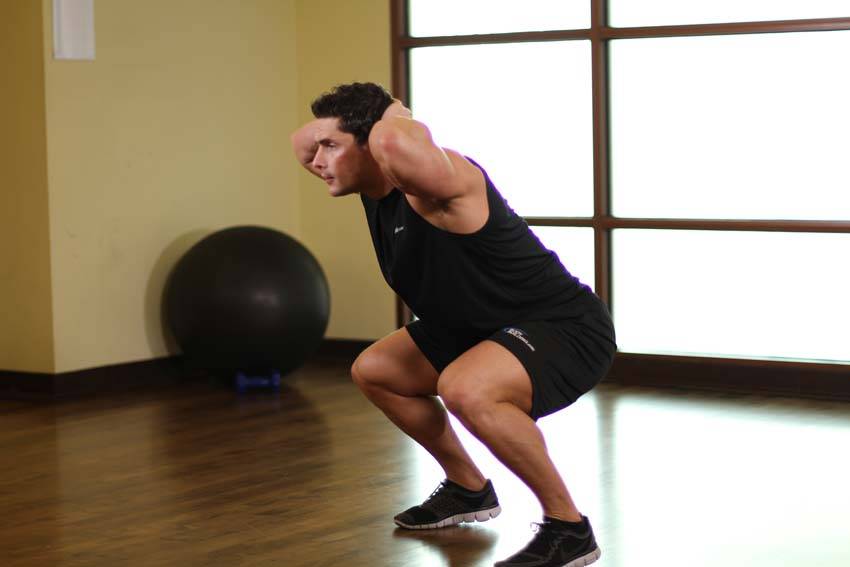
- Primary muscle
- Quads
- Equipment
- Bodyweight
- Difficulty
- Intermediate
- Type
- Compound
Secondary muscles: Calves, Glutes, Hamstrings
How to perform Frog Hops
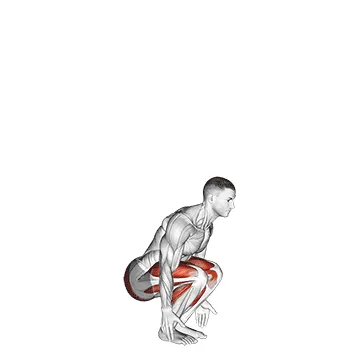
- Stand with your hands behind your head, and squat down keeping your torso upright and your head up. This will be your starting position.
- Jump forward several feet, avoiding jumping unnecessarily high. As your feet contact the ground, absorb the impact through your legs, and jump again. Repeat this action 5-10 times.
Ranked Frog Hops Alternatives
10 substitutes, ranked by how closely each one matches Frog Hops on movement pattern, muscles worked, equipment and body position. The higher the score, the less you change. Open "How to perform this exercise" on a card for the steps; every card title links to that exercise's own alternatives page. Harder versions are tagged as progressions and kept out of the top spot even when they score higher.
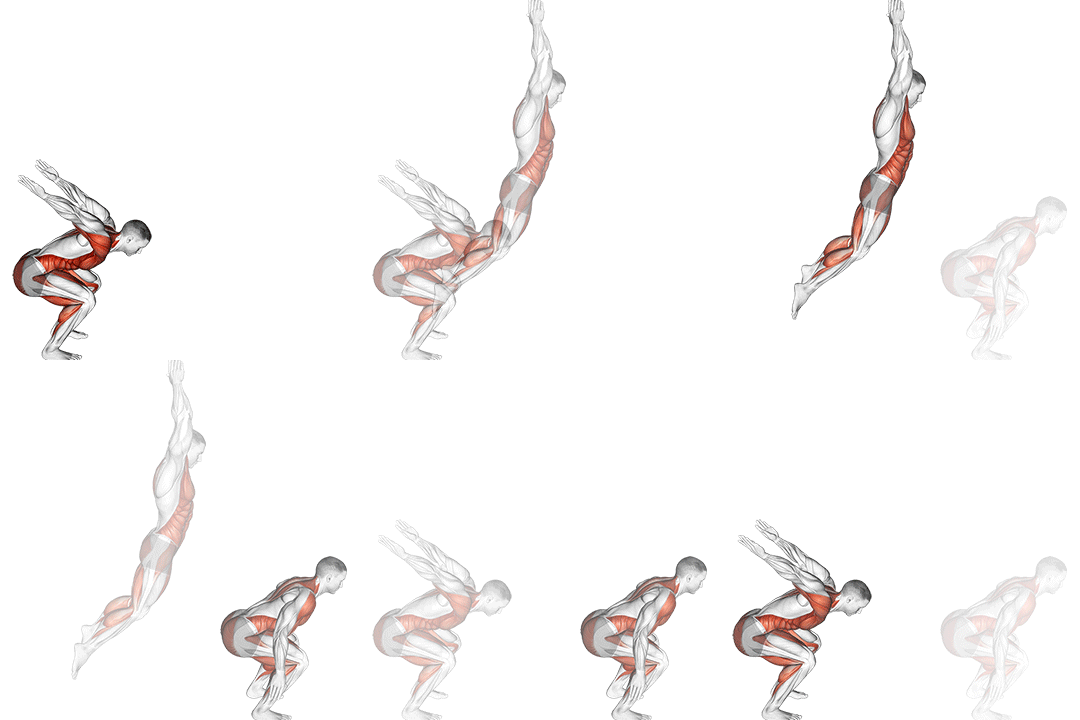
Best match 1. Backward Jump
97% match- Quads
- Bodyweight
- Intermediate
- Compound
Pick this when you want an easier version that still works the quads.
How to perform this exercise
- Stand with your feet shoulder-width apart.
- Bend your knees slightly and jump backwards, pushing off with both feet.
- Land softly on the balls of your feet, bending your knees to absorb the impact.
- Repeat for the desired number of repetitions.
Sets and reps: 3 or 4 sets of 6 to 10 reps.
Why this matches
- Primary muscle: quads, the same as Frog Hops
- Equipment: bodyweight only, the same as Frog Hops
- Body position: standing, the same as Frog Hops
- Balance: harder to stay steady on than Frog Hops
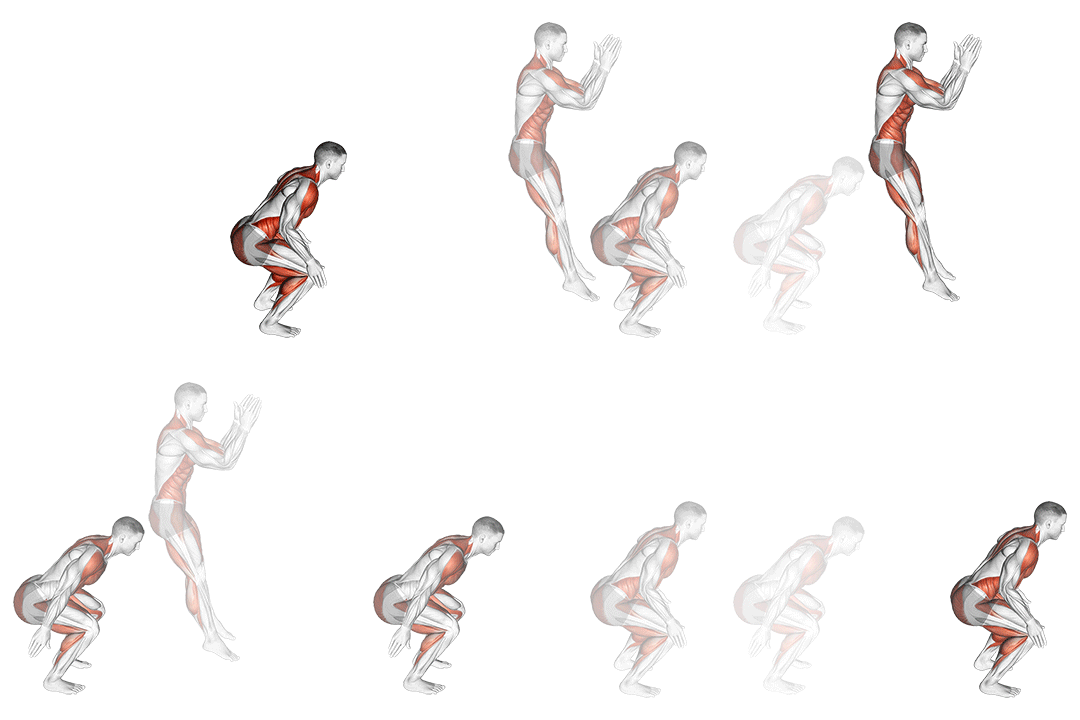
2. Forward Jump
97% match- Quads
- Bodyweight
- Intermediate
- Compound
How to perform this exercise
- Stand with your feet shoulder-width apart.
- Bend your knees and lower your body into a squat position.
- Swing your arms back for momentum.
- Jump forward explosively, extending your hips, knees, and ankles.
- Land softly on the balls of your feet and immediately go into the next jump.
- Repeat for the desired number of repetitions.
Sets and reps: 3 or 4 sets of 6 to 10 reps.
Why this matches
- Primary muscle: quads, the same as Frog Hops
- Equipment: bodyweight only, the same as Frog Hops
- Body position: standing, the same as Frog Hops
- Balance: harder to stay steady on than Frog Hops
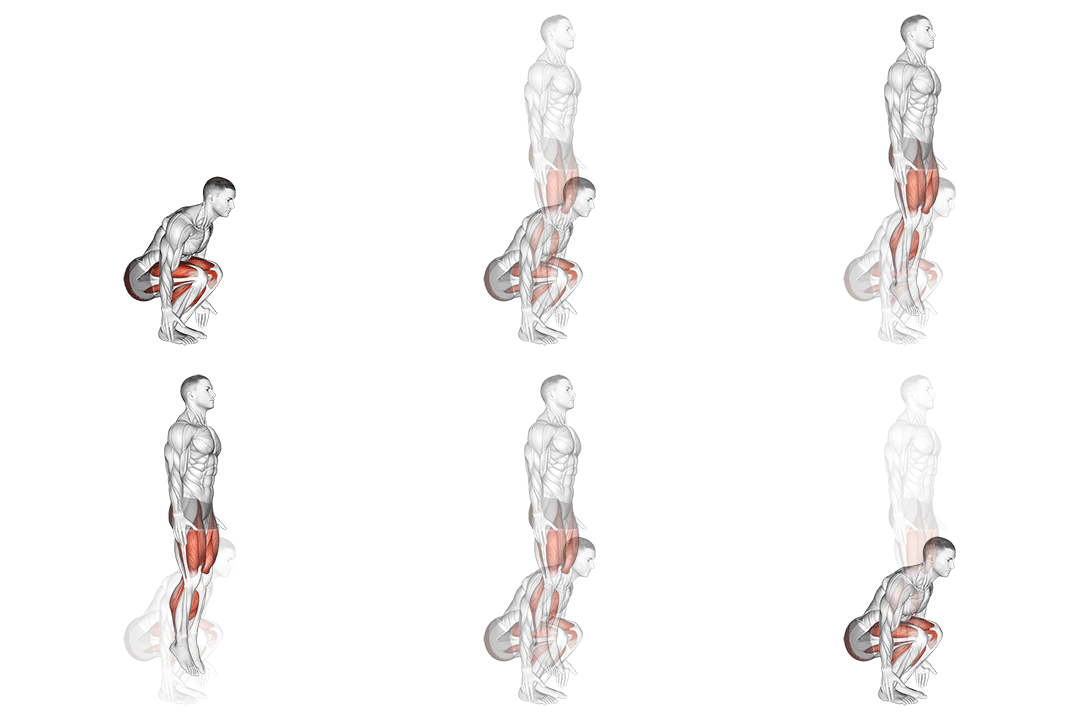
3. Quads
95% match- Quads
- Bodyweight
- Beginner
- Compound
How to perform this exercise
- Stand with your feet shoulder-width apart.
- Lower your body by bending your knees and pushing your hips back as if sitting on a chair.
- Keep your chest up and your back straight.
- Lower yourself until your thighs are parallel to the ground.
- Push through your heels to return to the starting position.
- Repeat for the desired number of repetitions.
Sets and reps: 3 sets of 8 to 12 reps, and add reps before you add load.
Why this matches
- Primary muscle: quads, the same as Frog Hops
- Equipment: bodyweight only, the same as Frog Hops
- Body position: standing, the same as Frog Hops
4. Semi Squat Jump
93% match- Quads
- Bodyweight
- Intermediate
- Compound
Pick this when you want to work the quads with more balance to manage.
How to perform this exercise
- Stand with your feet shoulder-width apart.
- Bend your knees and lower your body into a squat position.
- Jump explosively, extending your hips and knees while swinging your arms for momentum.
- Land softly on the balls of your feet and immediately go into the next repetition.
- Repeat for the desired number of repetitions.
Sets and reps: 3 or 4 sets of 6 to 10 reps.
Why this matches
- Primary muscle: quads, the same as Frog Hops
- Equipment: bodyweight only, the same as Frog Hops
- Body position: standing, the same as Frog Hops
- Balance: harder to stay steady on than Frog Hops
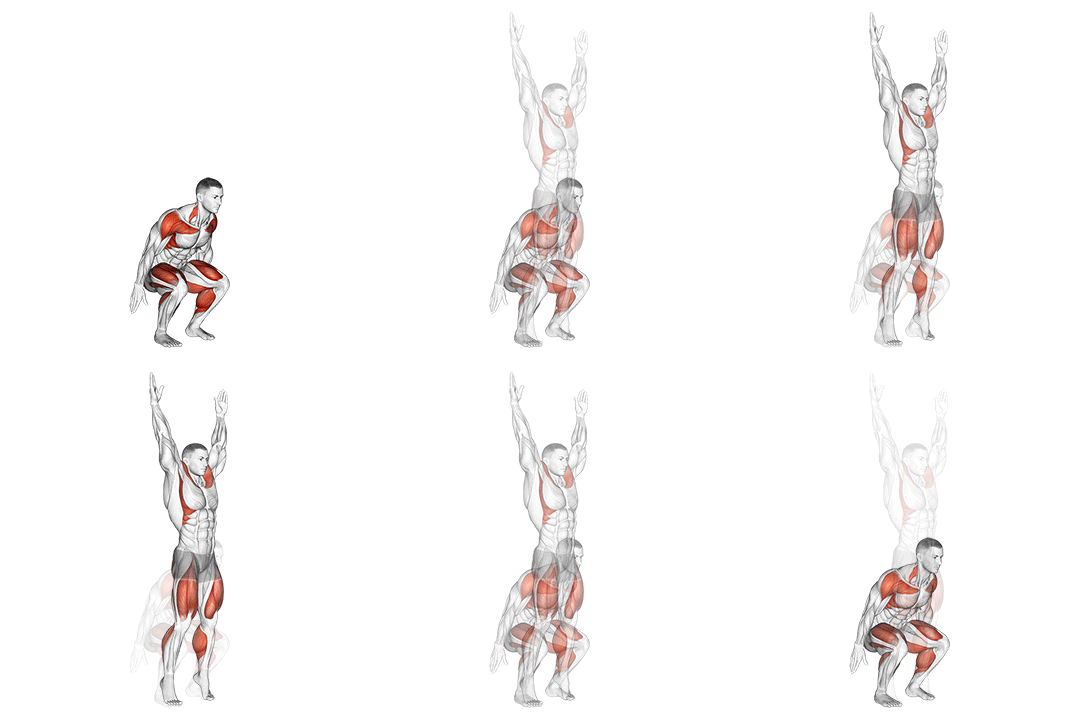
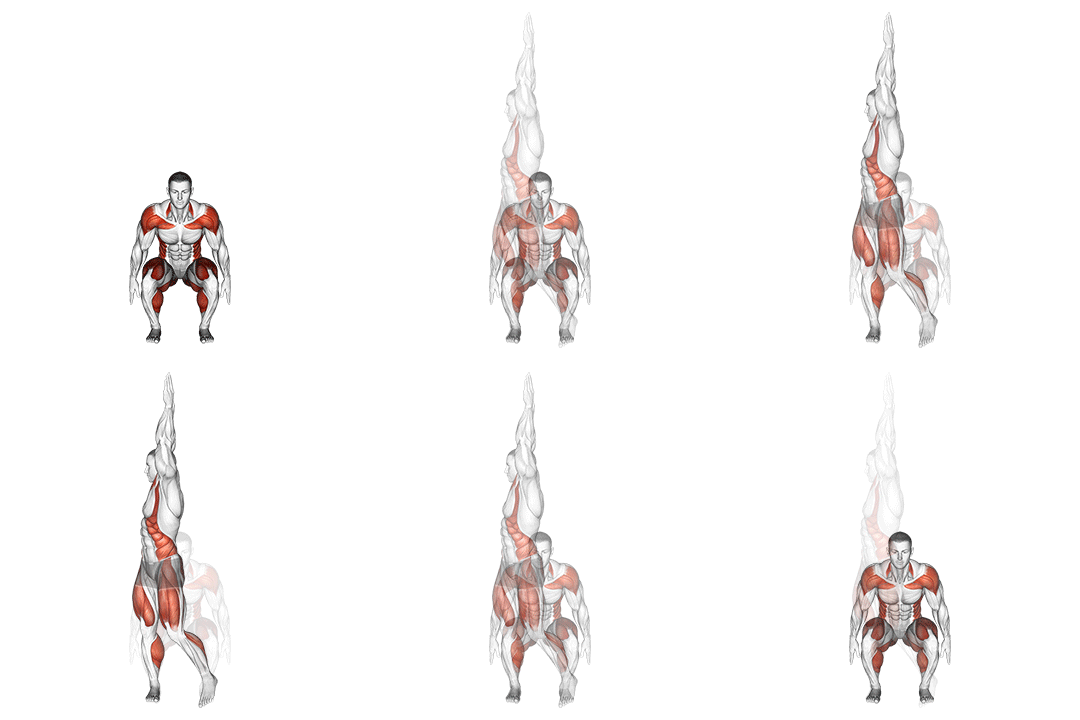
5. Squat To Overhead Reach
89% match- Quads
- Bodyweight
- Beginner
- Compound
How to perform this exercise
- Stand with your feet shoulder-width apart and toes slightly turned out.
- Lower your body down into a squat position by bending your knees and pushing your hips back.
- As you come up from the squat, extend your arms overhead, reaching towards the ceiling.
- Return to the starting position by lowering your arms and bending your knees to squat down again.
- Repeat for the desired number of repetitions.
Sets and reps: 3 sets of 8 to 12 reps, and add reps before you add load.
Why this matches
- Primary muscle: quads, the same as Frog Hops
- Equipment: bodyweight only, the same as Frog Hops
- Body position: standing, the same as Frog Hops
- Balance: harder to stay steady on than Frog Hops
- Quads
- Bodyweight
- Intermediate
- Compound
How to perform this exercise
- Stand with your feet shoulder-width apart and toes slightly turned out.
- Lower your body into a squat position by bending your knees and pushing your hips back.
- As you come up from the squat, raise your arms overhead and twist your torso to one side.
- Return to the starting position and repeat the squat, this time twisting your torso to the opposite side.
- Continue alternating sides with each squat repetition.
Sets and reps: 3 or 4 sets of 6 to 10 reps.
Why this matches
- Primary muscle: quads, the same as Frog Hops
- Equipment: bodyweight only, the same as Frog Hops
- Body position: standing, the same as Frog Hops
- Balance: harder to stay steady on than Frog Hops
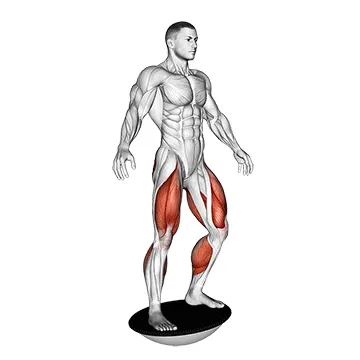
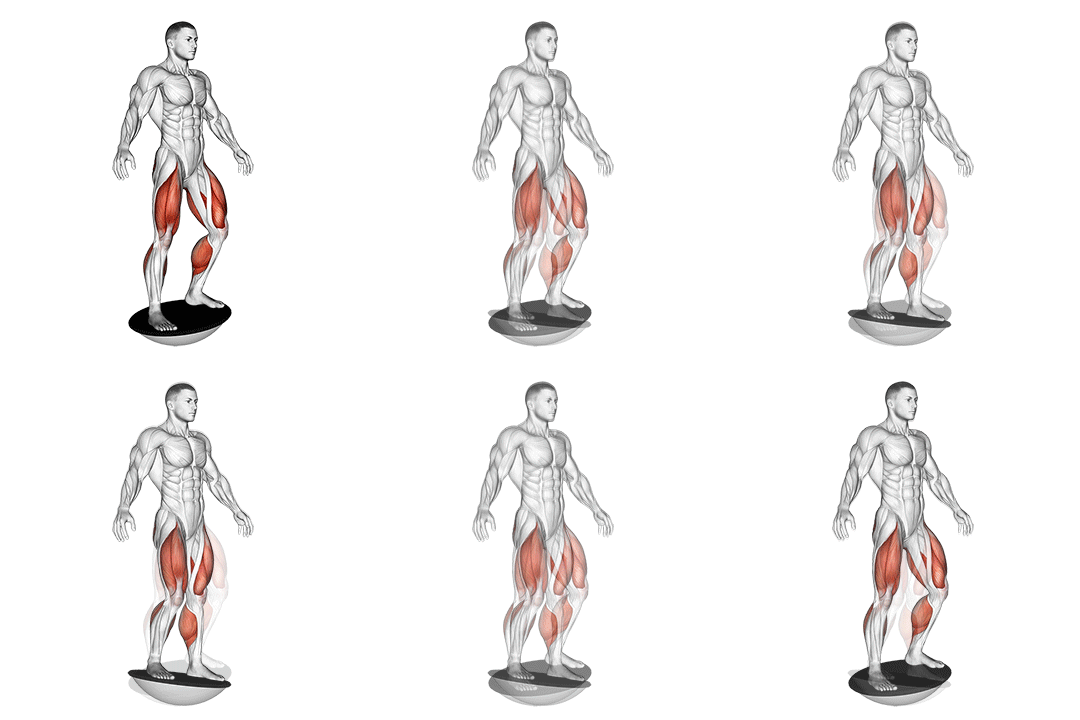
7. Balance Board
87% match- Quads
- Bodyweight
- Intermediate
- Compound
How to perform this exercise
- Place the balance board on a flat surface.
- Step onto the balance board with one foot, ensuring it is centered.
- Slowly shift your weight onto the foot on the balance board, keeping your core engaged.
- Maintain your balance and stability as you hold the position for a desired amount of time.
- Repeat the exercise with the other foot.
Sets and reps: Hold for 20 to 30 seconds, 3 sets.
Why this matches
- Primary muscle: quads, the same as Frog Hops
- Equipment: bodyweight only, the same as Frog Hops
- Body position: standing, the same as Frog Hops
- Balance: harder to stay steady on than Frog Hops
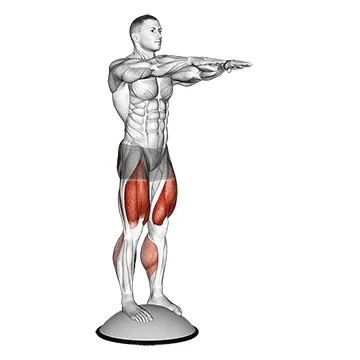
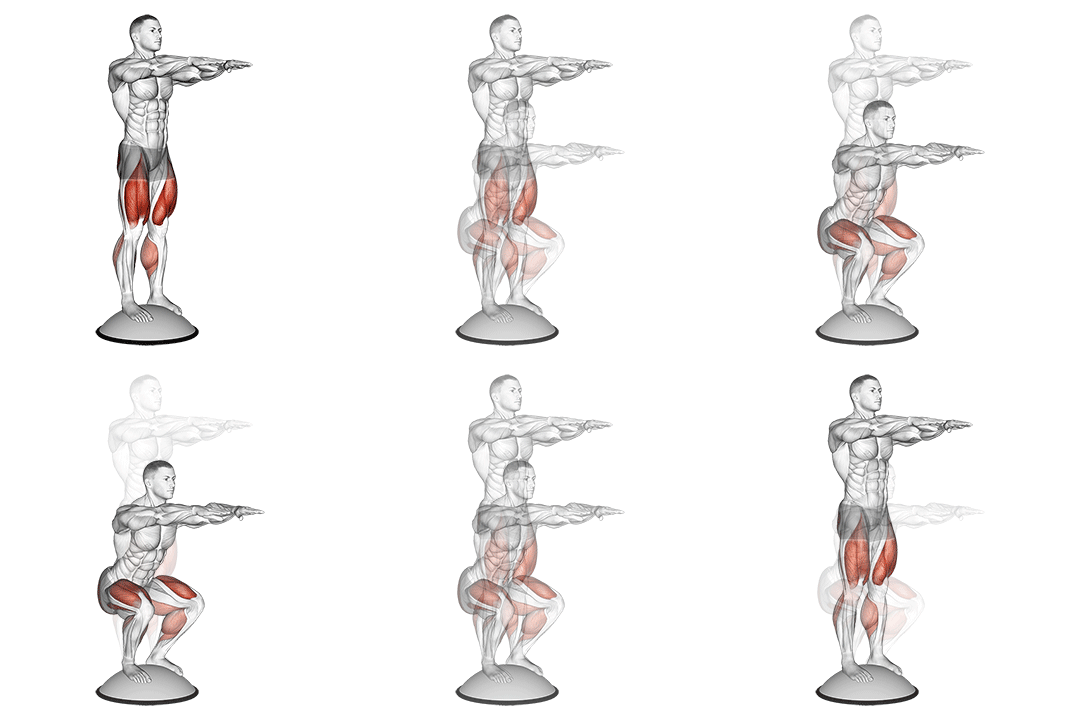
8. Squat On Bosu Ball
86% match- Quads
- Stability-ball
- Intermediate
- Compound
How to perform this exercise
- Place the bosu ball on the ground with the flat side up.
- Stand with your feet shoulder-width apart and position yourself on top of the bosu ball.
- Lower your body down by bending your knees and hips, as if sitting back into a chair.
- Keep your chest up and your weight on your heels.
- Lower yourself until your thighs are parallel to the ground.
- Pause for a moment, then push through your heels to return to the starting position.
- Repeat for the desired number of repetitions.
Sets and reps: 3 or 4 sets of 6 to 10 reps.
Why this matches
- Primary muscle: quads, the same as Frog Hops
- Equipment: bodyweight only, the same as Frog Hops
- Body position: standing, the same as Frog Hops
- Balance: harder to stay steady on than Frog Hops
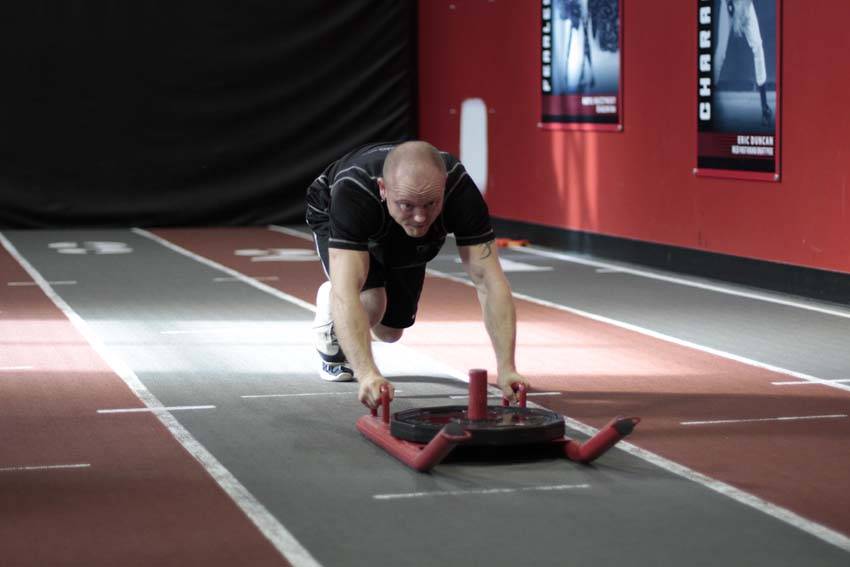
9. Sled Push
83% match- Quads
- Sled
- Intermediate
- Compound
How to perform this exercise
- Load your pushing sled with the desired weight.
- Take an athletic posture, leaning into the sled with your arms fully extended, grasping the handles. Push the sled as fast as possible, focusing on extending your hips and knees to strengthen your posterior chain.
Sets and reps: 3 to 5 sets of 5 to 8 reps.
Why this matches
- Primary muscle: quads, the same as Frog Hops
- Body position: standing, the same as Frog Hops
- Balance: harder to stay steady on than Frog Hops
Progression
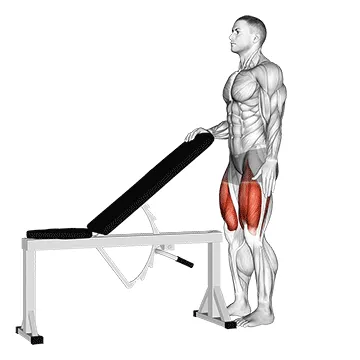
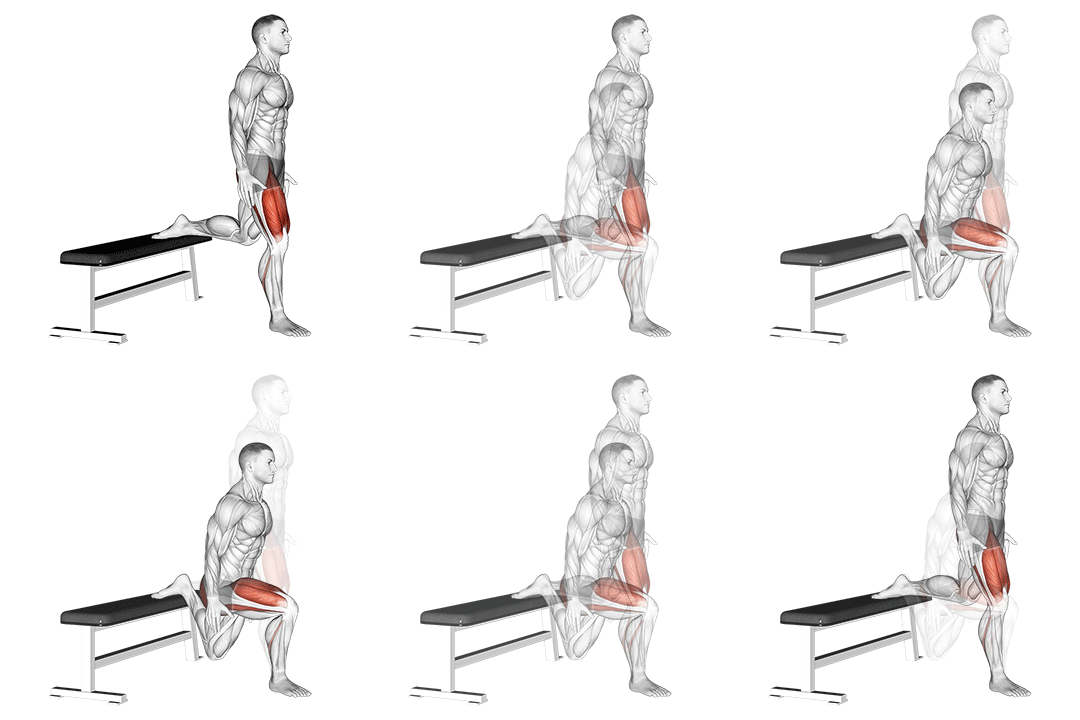
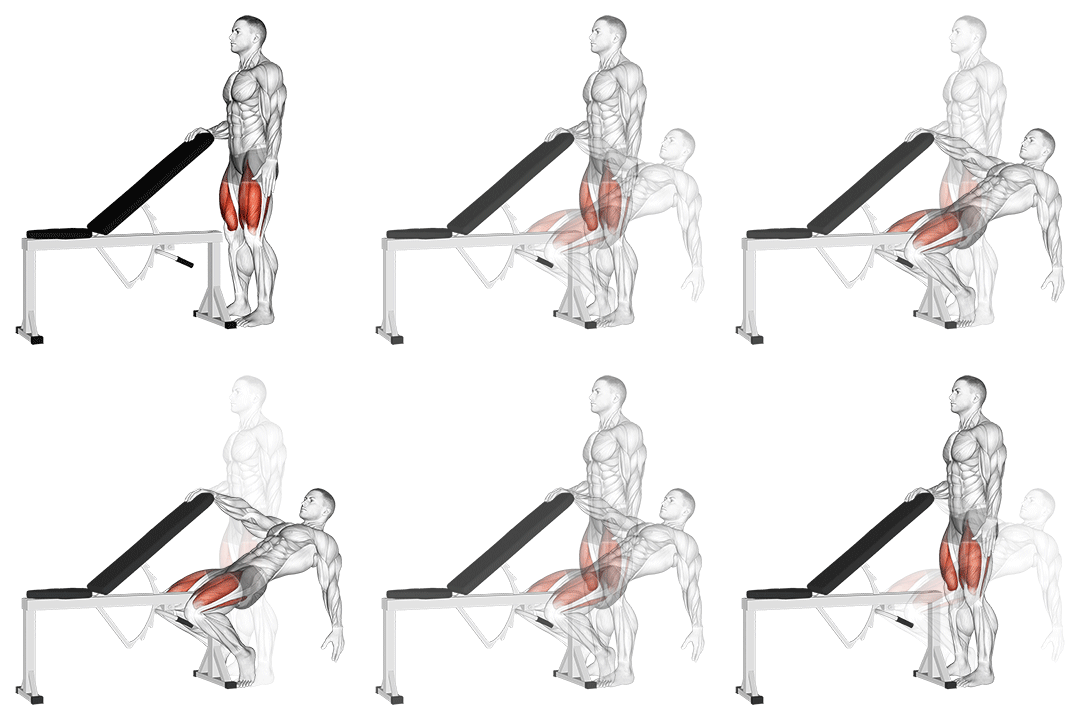
10. Sissy Squat
83% match- Quads
- Bodyweight
- Advanced
- Isolation
How to perform this exercise
- Stand with your feet shoulder-width apart and your toes pointing slightly outward.
- Hold onto a stable object for balance if needed.
- Slowly lower your body by bending your knees and leaning back, keeping your torso upright.
- Continue lowering until your thighs are parallel to the ground or as far as you can comfortably go.
- Pause for a moment, then push through your heels to return to the starting position.
- Repeat for the desired number of repetitions.
Sets and reps: 3 sets of 10 to 15 reps.
Why this matches
- Primary muscle: quads, the same as Frog Hops
- Equipment: bodyweight only, the same as Frog Hops
- Body position: standing, the same as Frog Hops
- Balance: harder to stay steady on than Frog Hops
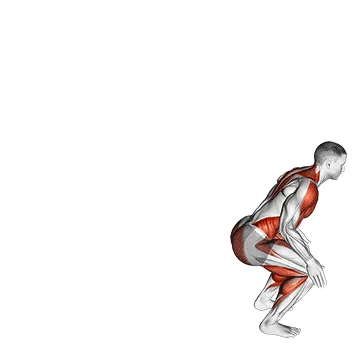
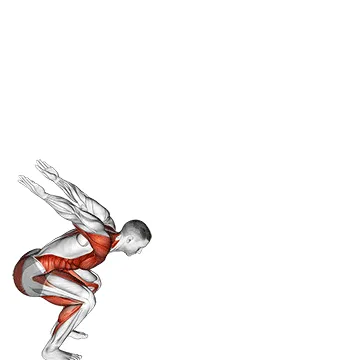
Why You Might Need a Frog Hops Alternative
Frog Hops needs floor you trust, since each rep sends you forward before you jump again. That is often the whole reason to look elsewhere: a small room, a slippery floor, or a session where you simply do not want repeated landings. Forward Jump is the nearest thing to Frog Hops itself, a squat, an arm swing and a forward launch straight into the next rep, while Backward Jump shortens the dip to a slight knee bend and sends you the other way. Squat To Overhead Reach and Squat To Overhead Reach With Twist trade the landing for a reach, useful when impact is the issue. Squat On Bosu Ball and Sled Push drop the jump entirely: one is a paused squat on an unstable surface, the other a hard drive against a loaded sled, with no landing in either.
How to Choose the Right Frog Hops Substitute
Pick Backward Jump when you want to keep the two-footed launch and soft landing of Frog Hops from a shallower dip, moving backward instead of forward. Forward Jump keeps the original direction if backward footing worries you. If you would rather skip the repeated landings, Squat To Overhead Reach swaps the jump for a reach, and Squat To Overhead Reach With Twist adds a turn to that reach once it feels easy. Squat On Bosu Ball puts your feet on the flat side of the ball so you build the same squat while managing your footing, and Sled Push turns the same hip and knee drive into a hard, fast push with no landing to absorb. Once the basics feel easy, Sissy Squat controls a slow knee bend without any help from the jump.
Frog Hops FAQ
Can I do Frog Hops at home?
Yes. Frog Hops itself needs only floor space, and so do most of its alternatives. Forward Jump bends the knees and swings the arms before launching forward, the same start as Frog Hops, while Backward Jump only takes a slight knee bend before the push-off and sends you the other way, and neither needs anything beyond room to move. Squat To Overhead Reach also works at home and keeps you in one spot instead of covering ground.
Which alternative skips the jump landing?
Squat To Overhead Reach keeps both feet on the ground and swaps the jump for a reach, so you never absorb a landing the way Frog Hops asks you to. Squat To Overhead Reach With Twist adds a turn to that same reach once the plain version feels manageable, still without a jump to land.
What if I have a Bosu ball or a sled?
Squat On Bosu Ball puts your feet on an unstable surface, so you build the same squat while your footing does extra work. Sled Push turns the same hip and knee drive into a fast push against a loaded sled. Both drop the landing: the Bosu squat is slow and paused, the Sled Push is a hard drive with nothing to absorb.
How do I make Frog Hops harder once it feels easy?
Sissy Squat asks your legs to control a slow knee bend on their own, without any help from a jump, so add it once Backward Jump and Forward Jump feel too easy. Semi Squat Jump (male) keeps the jump but takes it straight up in one spot, so you can push the height and the arm swing harder without needing runway.
Find Alternatives for Any Exercise
Search the exercise database and filter the ranked substitutes by the equipment you own.
Similarity scores compare exercise metadata such as movement pattern, muscles, equipment and body position. They are not a safety rating or a check that you own the equipment. Learn about our methodology