

Ankle Circles vs Circles Knee Stretch: Complete Comparison Guide
Ankle Circles vs Circles Knee Stretch — both are beginner, body-weight isolation moves for the calves, but they deliver different movement patterns and secondary recruitment. You’ll learn how each exercise loads the gastrocnemius and soleus, how knee position changes muscle length-tension, simple technique cues (angles and reps), pros and cons, and which to pick for mobility, muscle growth, or rehab. Read on for clear, actionable guidance so you can choose the right move for your goals and program.
Exercise Comparison
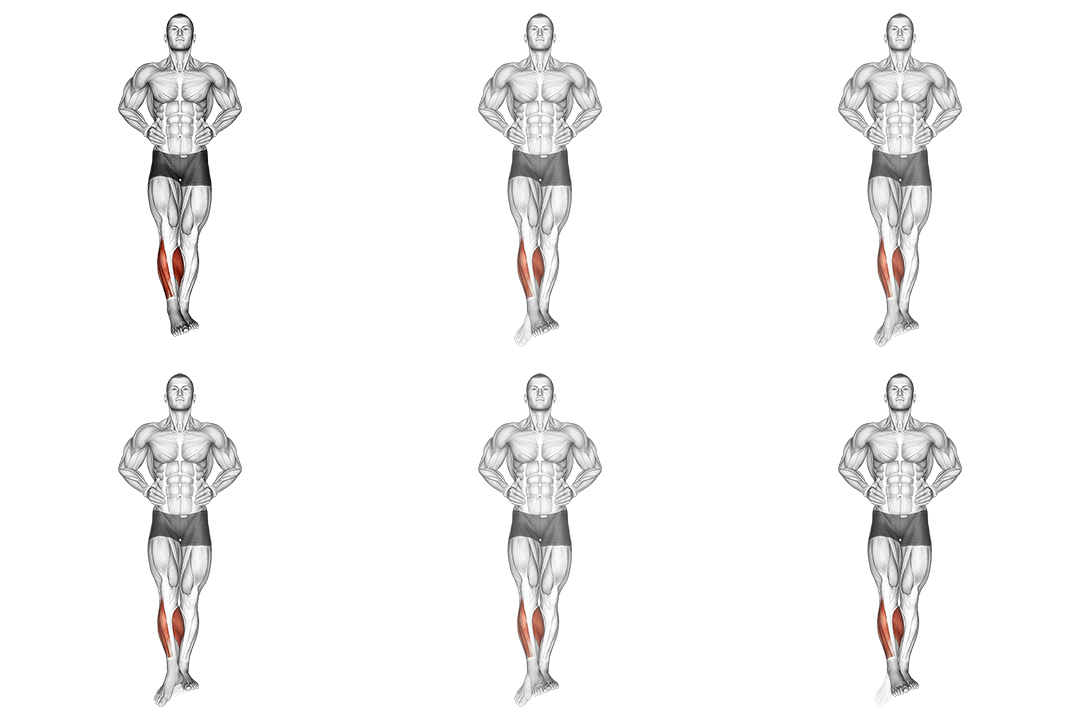
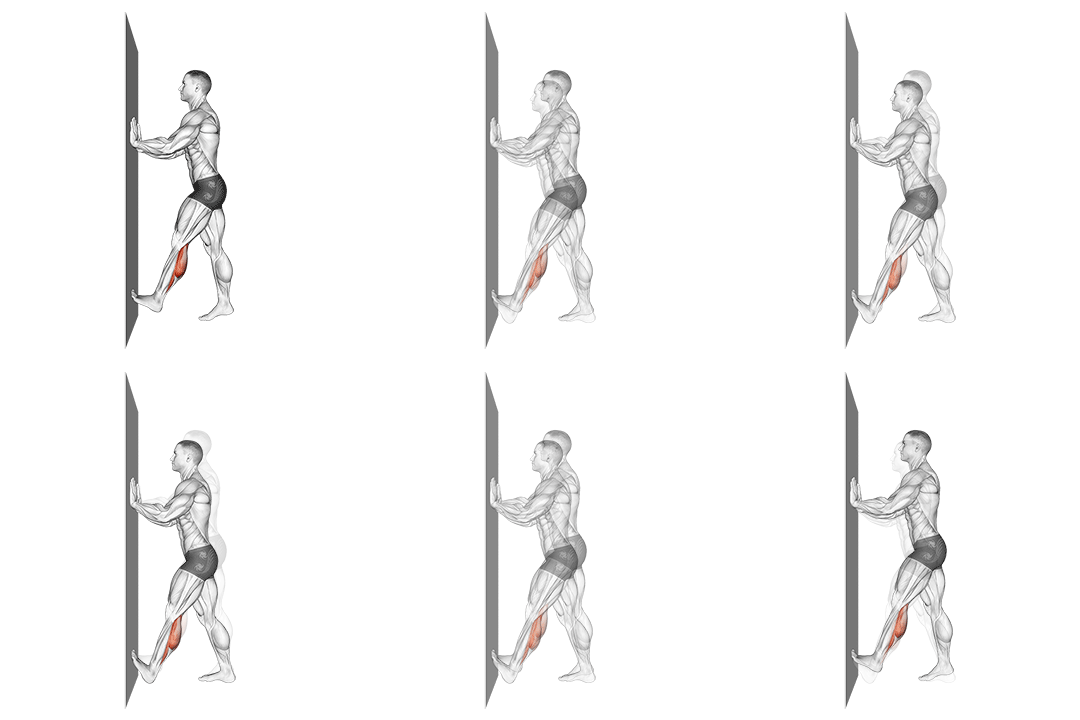
Ankle Circles
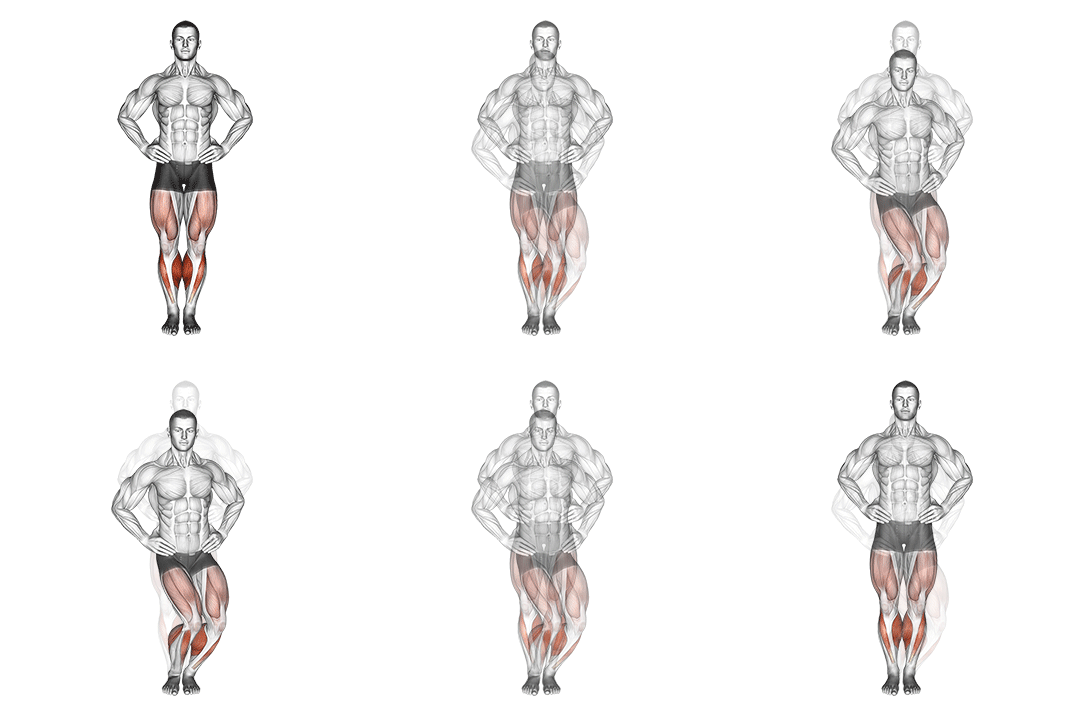
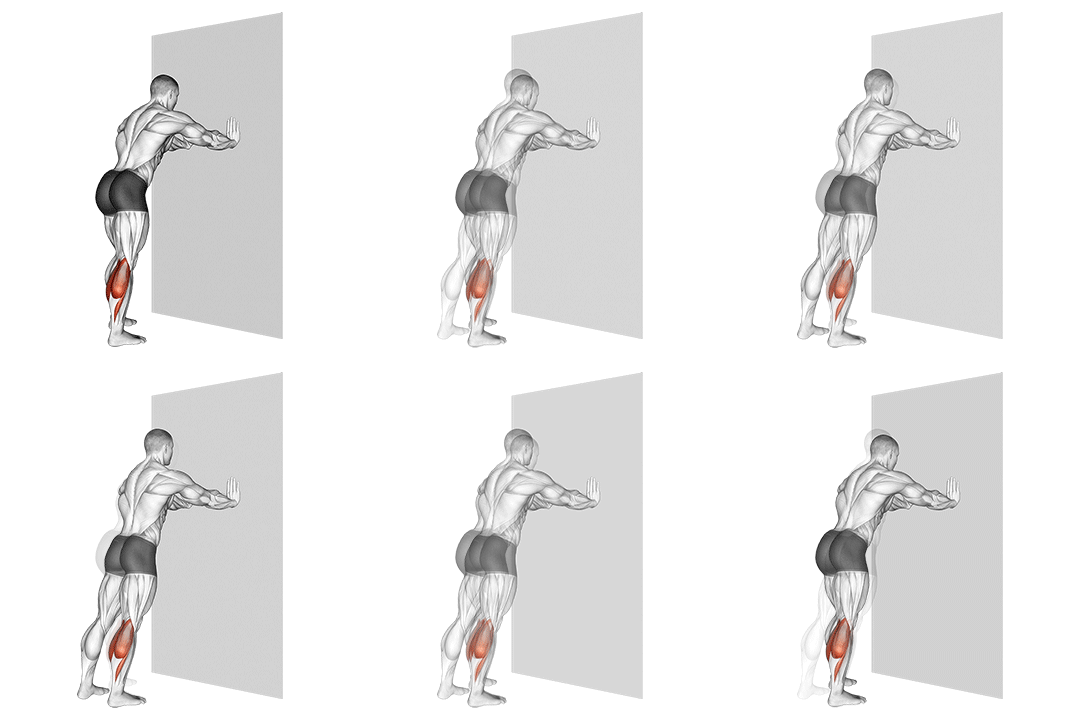
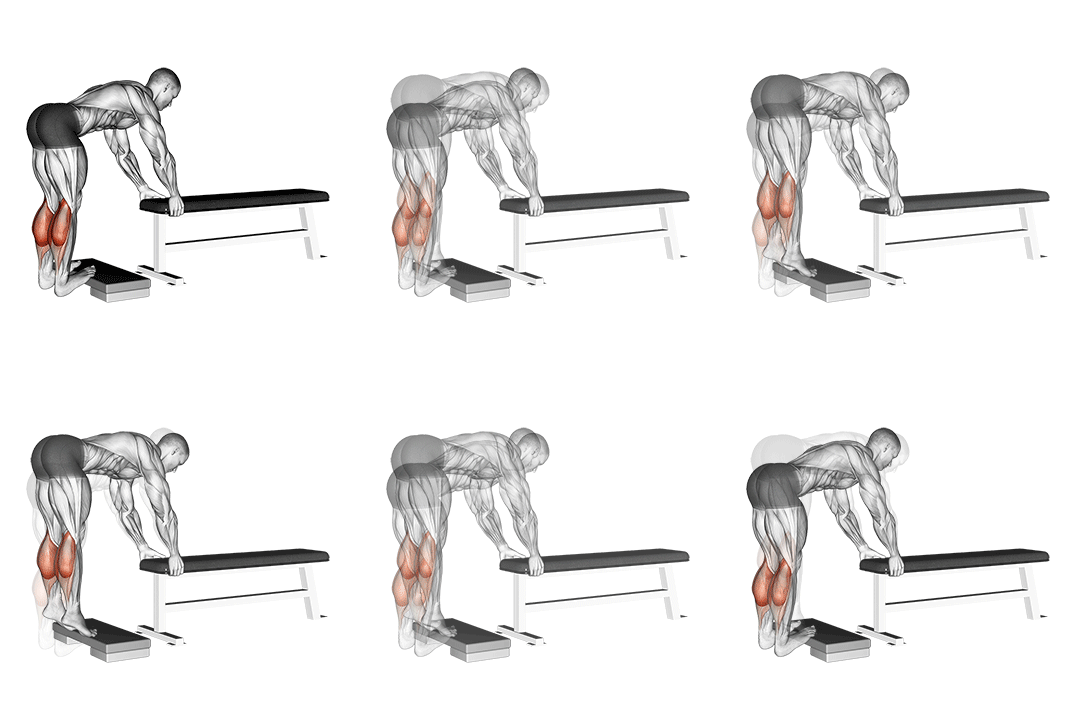
Circles Knee Stretch
Head-to-Head Comparison
| Attribute | Ankle Circles | Circles Knee Stretch |
|---|---|---|
| Target Muscle |
Calves
|
Calves
|
| Body Part |
Lower-legs
|
Lower-legs
|
| Equipment |
Body-weight
|
Body-weight
|
| Difficulty |
Beginner
|
Beginner
|
| Movement Type |
Isolation
|
Isolation
|
| Secondary Muscles |
1
|
2
|
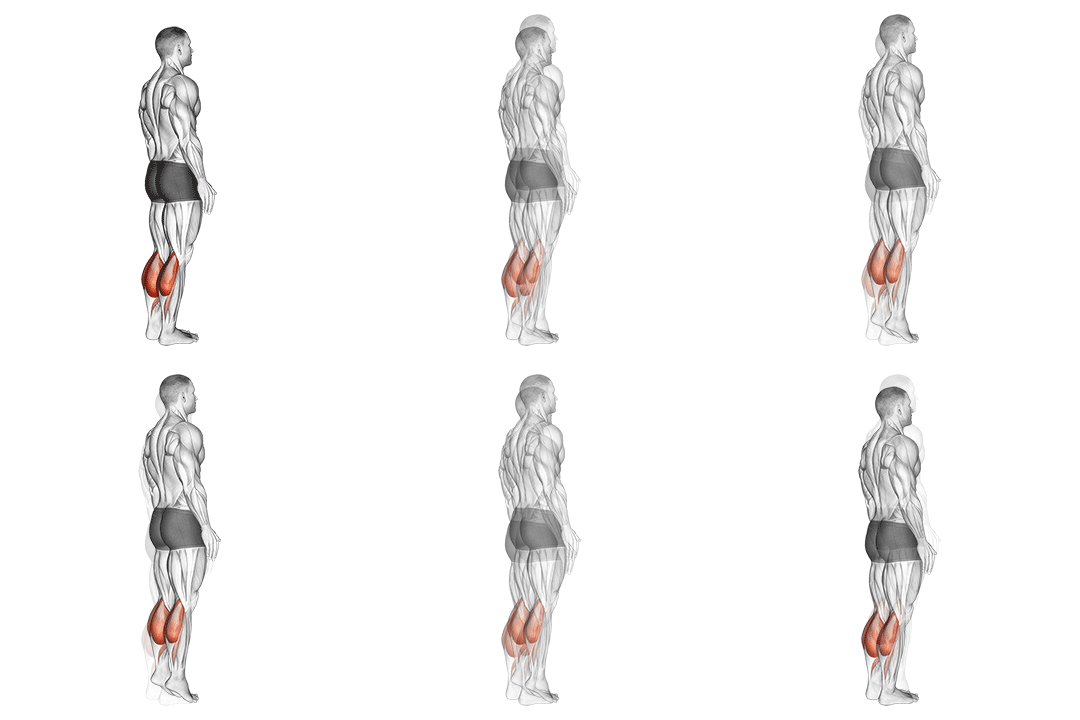
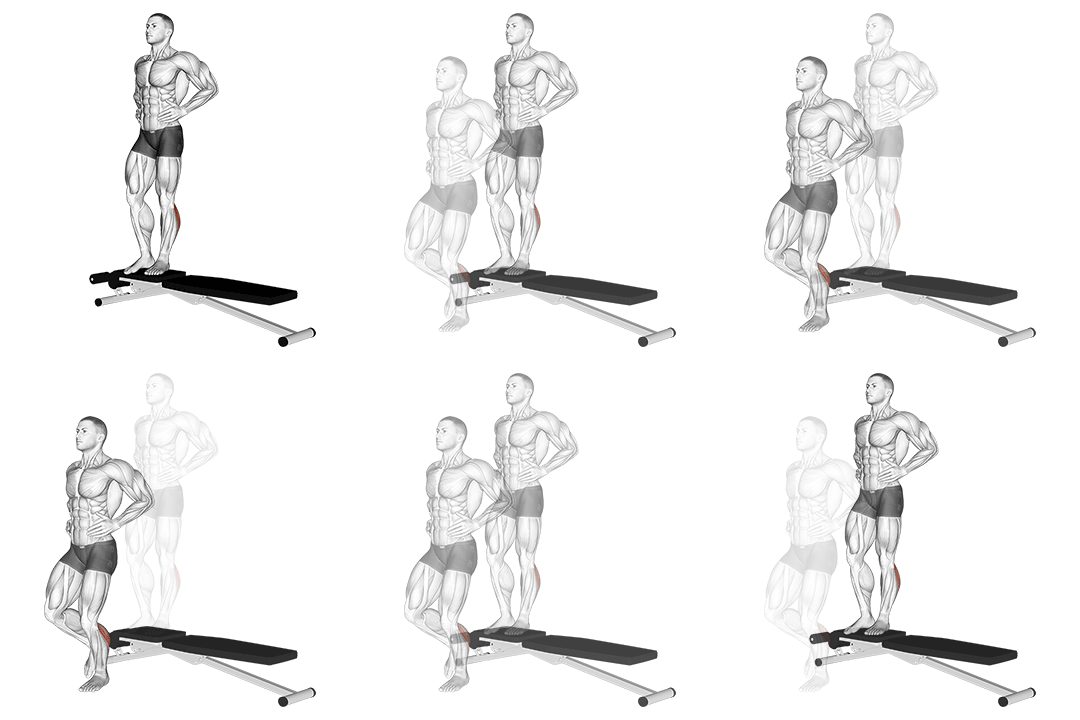
Secondary Muscles Activated
Ankle Circles
Circles Knee Stretch
Visual Comparison
Overview
Ankle Circles vs Circles Knee Stretch — both are beginner, body-weight isolation moves for the calves, but they deliver different movement patterns and secondary recruitment. You’ll learn how each exercise loads the gastrocnemius and soleus, how knee position changes muscle length-tension, simple technique cues (angles and reps), pros and cons, and which to pick for mobility, muscle growth, or rehab. Read on for clear, actionable guidance so you can choose the right move for your goals and program.
Key Differences
- Both exercises target the Calves using Body-weight. The main differences are in their movement patterns and muscle activation angles.
Pros & Cons
Ankle Circles
+ Pros
- Easy to learn and perform anywhere — seated or lying down
- Directly targets ankle stabilizers and soleus/gastrocnemius coordination
- Low injury risk — ideal for rehab and mobility work
- Great warm-up: 2–3 sets of 10–20 reps per direction primes the ankle
− Cons
- Limited progressive overload for hypertrophy and strength
- Less recruitment of proximal muscles (hamstrings/quads) compared to knee-involving moves
- Can become monotonous for trained athletes seeking heavy loading
Circles Knee Stretch
+ Pros
- Adds hamstring and quadriceps stabilization, offering more total-leg engagement
- Alters gastrocnemius length-tension via knee angle for varied calf stimulus
- Better transfer to dynamic activities that involve coordinated knee-ankle motion
- Provides more options for tempo and unilateral progressions
− Cons
- Requires better knee control — not ideal for acute knee pain
- Slightly higher technique demand for consistent results
- Still limited for maximal hypertrophy compared with loaded calf raises
When Each Exercise Wins
Circles Knee Stretch wins because the moving knee changes gastrocnemius length-tension and allows longer time under tension; use 3–4 sets of 12–20 controlled reps or add a band/slow tempo to increase load for muscle growth.
While neither replaces loaded calf raises, Circles Knee Stretch better transfers to multi-joint strength because it recruits quads and hamstrings alongside the calves and supports progressive overload via tempo and single-leg variations.
Ankle Circles are simpler to learn, safer for those with knee history, and ideal for building ankle proprioception and baseline calf strength—start with 2–3 sets of 15–20 reps per direction.
Ankle Circles need zero space and minimal balance, so you can do them seated at a desk or on the couch; they’re the easiest to insert into short home sessions or mobility breaks.
Frequently Asked Questions
Can I do both Ankle Circles and Circles Knee Stretch in the same workout?
Yes. Start with Ankle Circles as a mobility warm-up (2 sets of 15–20 reps per direction), then perform Circles Knee Stretch as a targeted accessory (3 sets of 10–15 reps) to load the calf while involving the knee extensors and flexors.
Which exercise is better for beginners?
Ankle Circles are better for beginners due to their single-joint nature and low coordination demand. They build ankle proprioception and stabilizer strength before progressing to knee-involved variations.
How do the muscle activation patterns differ?
Ankle Circles produce steady plantarflexion activation focused on ankle joint muscles and intrinsic stabilizers; knee position shifts relative soleus vs gastrocnemius contribution. Circles Knee Stretch creates variable activation as the knee moves, increasing gastrocnemius engagement and adding hamstring/quad co-contraction to stabilize the knee.
Can Circles Knee Stretch replace Ankle Circles?
Not entirely. Circles Knee Stretch can replace Ankle Circles if your goal is higher calf stimulus and you have healthy knees, but for isolated ankle mobility, rehab, or foot/ankle stability work, Ankle Circles remain the superior choice.
Expert Verdict
Use Ankle Circles when your priority is ankle mobility, rehabilitation, or low-risk conditioning. They’re versatile, safe, and excellent for activating stabilizers and the soleus (perform 2–4 sets of 15–30 slow reps). Choose Circles Knee Stretch when you want more calf stimulus and proximal muscle involvement — its knee-driven length-tension changes increase gastrocnemius demand and offer more progression options (3–4 sets of 10–20 reps, slow eccentric tempo). For balanced programming, start with Ankle Circles for warm-up and add Circles Knee Stretch as a development or accessory exercise if your knees tolerate dynamic knee-ankle coordination.
Also Compare
More comparisons with Ankle Circles
More comparisons with Circles Knee Stretch
Compare More Exercises
Use our free comparison tool to analyze any two exercises head-to-head.
Compare Exercises