

Archer Pull Up vs Bodyweight Squatting Row (with Towel): Complete Comparison Guide
Archer Pull Up vs Bodyweight Squatting Row (with Towel) — if you want thicker lats and tougher pulling strength, you need to know how these two stack up. I’ll walk you through technique cues, biomechanics, muscle activation, and when to pick one over the other based on hypertrophy, strength, skill level, and equipment. Read on for specific rep ranges, angles, and progressions so you can choose the exercise that matches your goal and training history.
Exercise Comparison
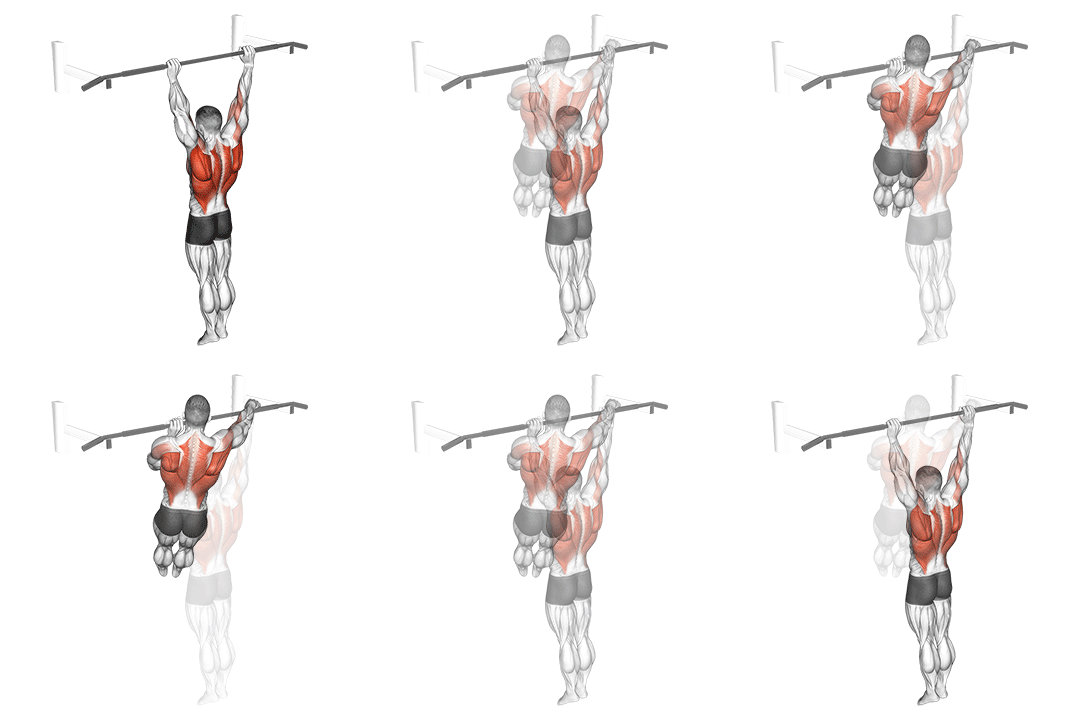
Archer Pull Up
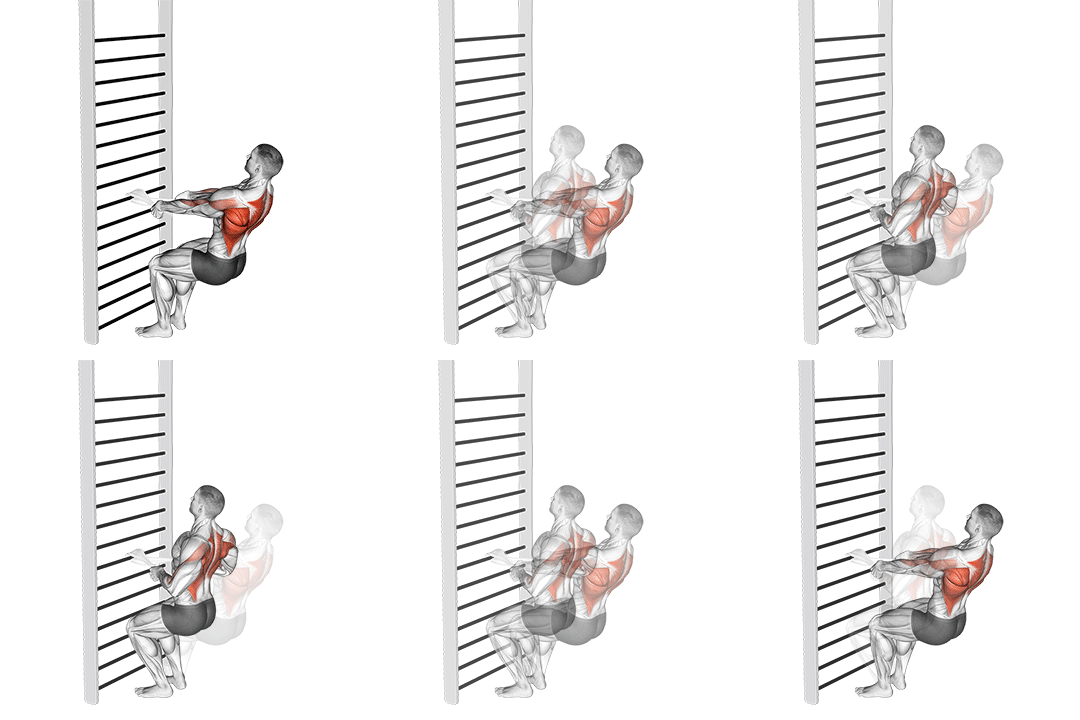
Bodyweight Squatting Row (with Towel)
Head-to-Head Comparison
| Attribute | Archer Pull Up | Bodyweight Squatting Row (with Towel) |
|---|---|---|
| Target Muscle |
Lats
|
Lats
|
| Body Part |
Back
|
Back
|
| Equipment |
Body-weight
|
Body-weight
|
| Difficulty |
Advanced
|
Intermediate
|
| Movement Type |
Compound
|
Compound
|
| Secondary Muscles |
2
|
2
|
Secondary Muscles Activated
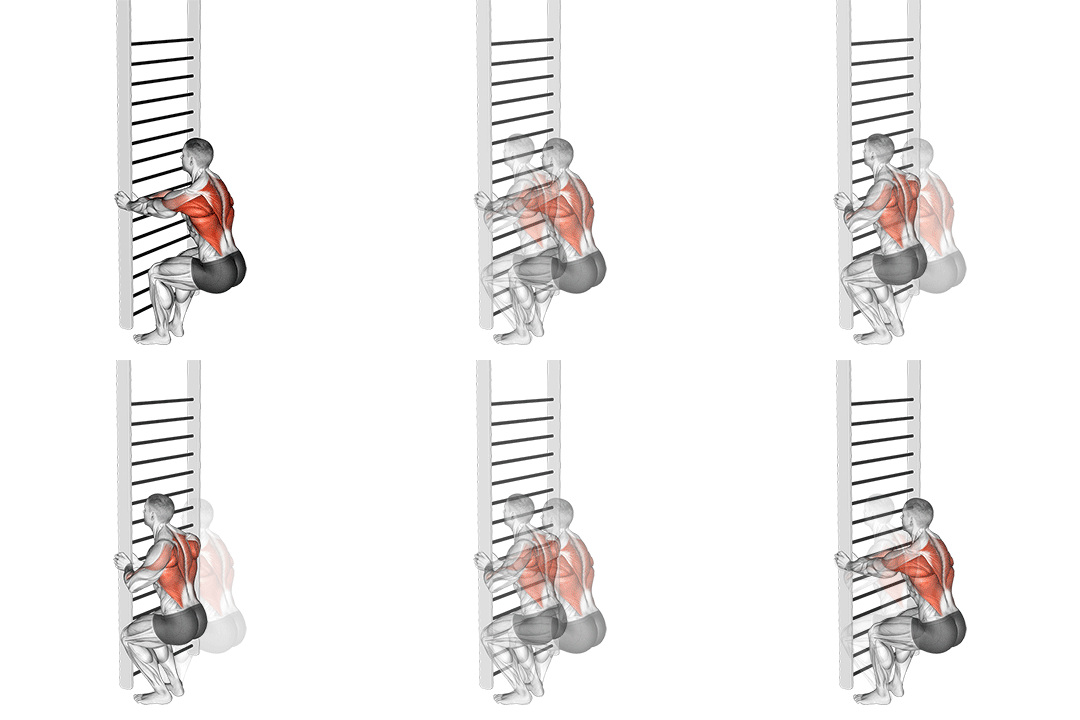
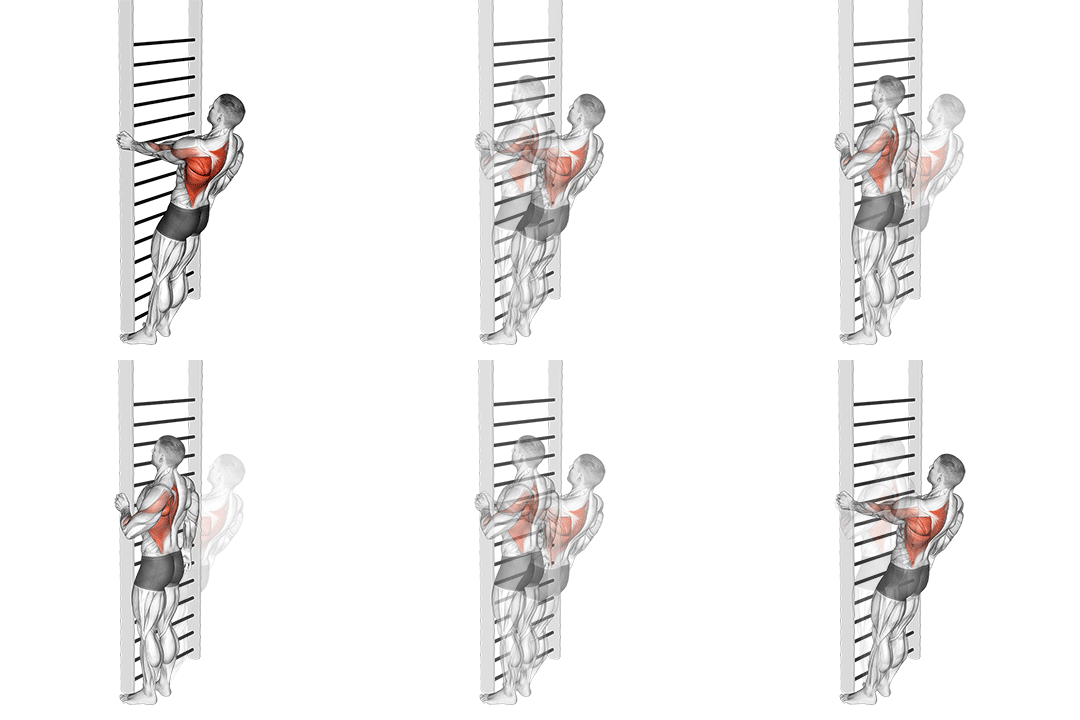
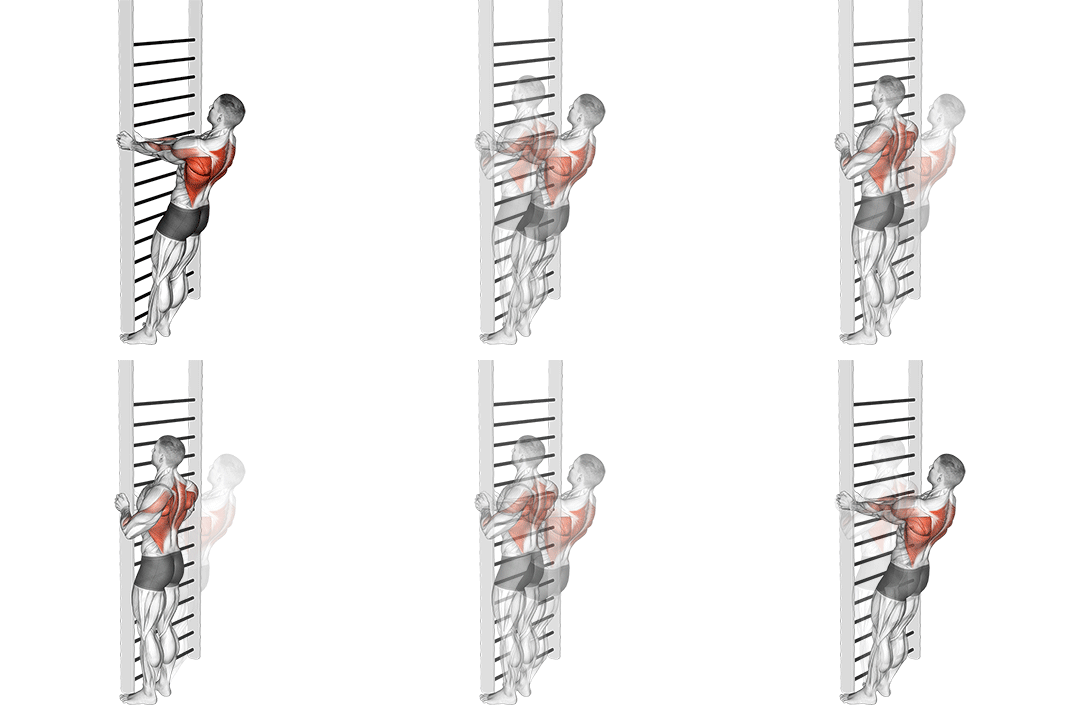
Archer Pull Up
Bodyweight Squatting Row (with Towel)
Visual Comparison
Overview
Archer Pull Up vs Bodyweight Squatting Row (with Towel) — if you want thicker lats and tougher pulling strength, you need to know how these two stack up. I’ll walk you through technique cues, biomechanics, muscle activation, and when to pick one over the other based on hypertrophy, strength, skill level, and equipment. Read on for specific rep ranges, angles, and progressions so you can choose the exercise that matches your goal and training history.
Key Differences
- Difficulty levels differ: Archer Pull Up is advanced, while Bodyweight Squatting Row (with Towel) is intermediate.
- Both exercises target the Lats using Body-weight. The main differences are in their movement patterns and muscle activation angles.
Pros & Cons
Archer Pull Up
+ Pros
- High single-arm strength carryover and direct path toward one-arm pull-up progressions
- Strong lat stretch and peak contraction when performed with full ROM
- Improves unilateral stability, core anti-rotation, and grip strength
- Efficient for low-rep maximal strength work (3–6 reps per side)
− Cons
- Advanced skill and high baseline pull strength required
- Greater shoulder and elbow stress under load
- Harder to accumulate high-volume time under tension for hypertrophy
Bodyweight Squatting Row (with Towel)
+ Pros
- Easier to scale by changing body angle — good for beginners and intermediates
- Sustained lat tension makes it effective for hypertrophy (8–15+ reps)
- Requires minimal equipment and is highly accessible for home workouts
- Towel grip increases forearm activation and grip endurance safely
− Cons
- Less carryover to maximal single-arm pulling strength
- Can recruit more posterior deltoid than pure lat-dominant pulls if torso angle is too flat
- Towel setup may strain fingers if grip strength is very low
When Each Exercise Wins
Its horizontal force vector and adjustable body angle allow longer time under tension and higher rep ranges (8–15+) to stimulate muscle growth. You can add tempo (3–4s eccentrics) and volume without the same injury risk as repeated heavy unilateral loading.
Archer Pull Ups concentrate load onto one side and require higher motor unit recruitment, making them superior for building maximal pulling strength and progressing toward one-arm pull-ups (work in 3–6 rep ranges per side).
You can reduce load by standing more upright and learn scapular retraction and elbow-first pulling mechanics safely. It scales smoothly from bodyweight-assisted to near-horizontal rows as strength improves.
Requires only a towel and a low bar or anchored beam; you can adjust intensity via lean angle. Archer Pull Ups typically need a higher bar and greater baseline strength, limiting home feasibility for many users.
Frequently Asked Questions
Can I do both Archer Pull Up and Bodyweight Squatting Row (with Towel) in the same workout?
Yes. Use Squatting Rows early for volume and groove (8–12 reps), then finish with Archer Pull Up sets for high-intensity unilateral strength (3–6 reps per side). Allow 48–72 hours recovery if you train each pattern hard.
Which exercise is better for beginners?
Bodyweight Squatting Row (with Towel) is better for beginners because you can scale intensity by changing your lean angle and practice scapular retraction without high single-arm loads. It builds pulling mechanics and grip endurance safely.
How do the muscle activation patterns differ?
Archer Pull Ups produce high, brief activation peaks on the working lat and greater forearm recruitment due to unilateral loading and anti-rotation demands. Squatting Rows create more continuous lat activation across each rep because the horizontal pull keeps the lats at an effective length-tension throughout the movement.
Can Bodyweight Squatting Row (with Towel) replace Archer Pull Up?
For hypertrophy and general strength, yes—the Squatting Row can substitute effectively. For maximal unilateral pulling strength or progressing to a one-arm pull-up, it won’t fully replace the specific overload and anti-rotation demands of the Archer Pull Up.
Expert Verdict
Choose Archer Pull Ups when your priority is unilateral maximal strength and carryover to one-arm pulling skills — program them in low-rep sets (3–6 per side), prioritize scapular control, and progress slowly to avoid shoulder overload. Choose Bodyweight Squatting Rows (with Towel) when you want scalable volume, safer joint angles, and efficient lat-focused hypertrophy — target 8–15 reps with controlled 2–4s eccentrics and adjust body angle to increase load. Both should appear in a balanced program: use rows for volume and technique, archer pulls for high-threshold strength blocks.
Also Compare
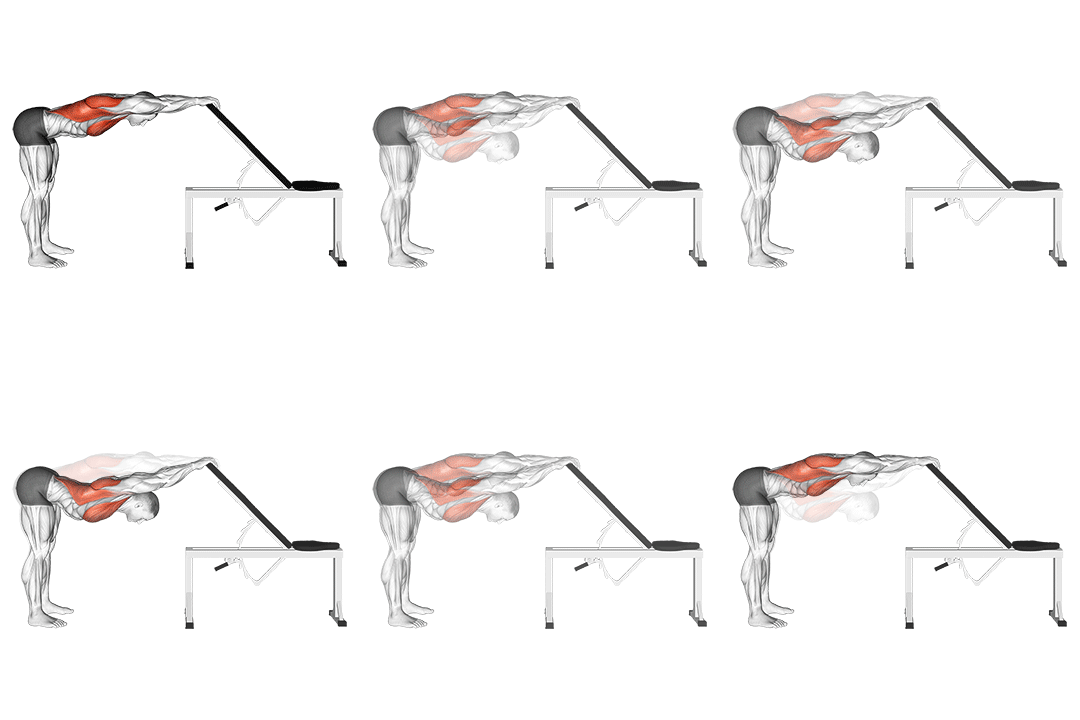
More comparisons with Archer Pull Up
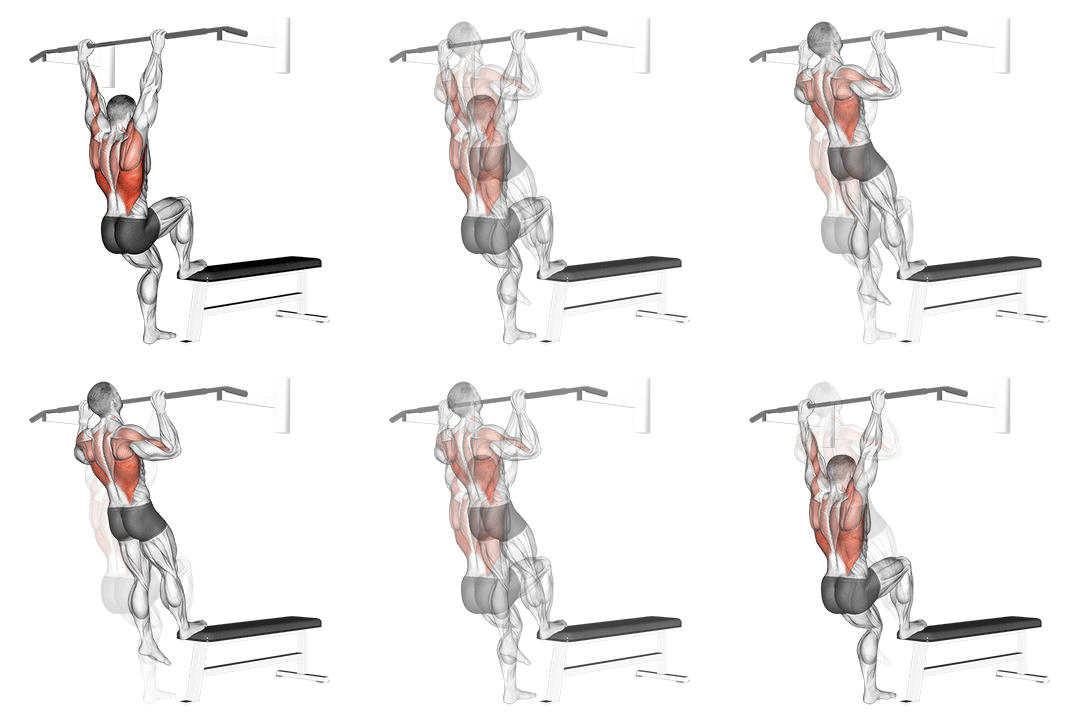
More comparisons with Bodyweight Squatting Row (with Towel)
Compare More Exercises
Use our free comparison tool to analyze any two exercises head-to-head.
Compare Exercises