

Archer Push Up vs Chain Press: Complete Comparison Guide
Archer Push Up vs Chain Press — two advanced chest presses that tax your pecs hard but in different ways. If you want clear guidance on which to use, you’re in the right place: I’ll compare primary and secondary muscle activation, equipment and accessibility, technical cues, progression paths, rep ranges for hypertrophy and strength, and relative injury risk. Read on and you’ll know which exercise to pick based on whether you prioritize hands-free home training, maximal load and progressive overload, or specific force-vector development for your chest and pressing mechanics.
Exercise Comparison
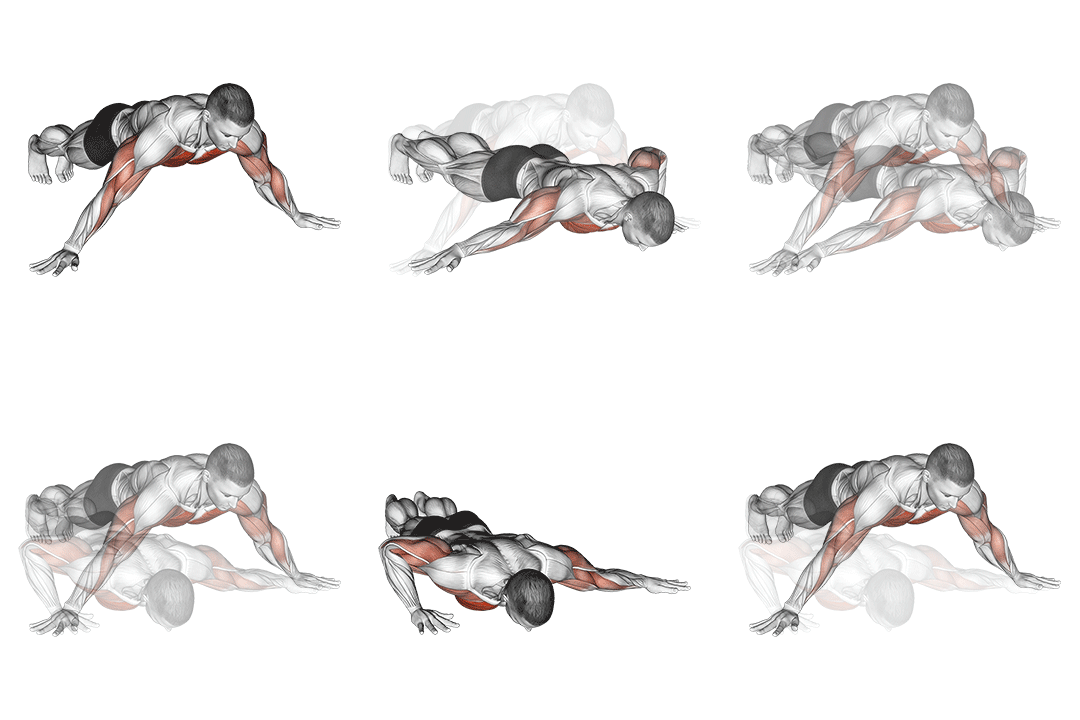
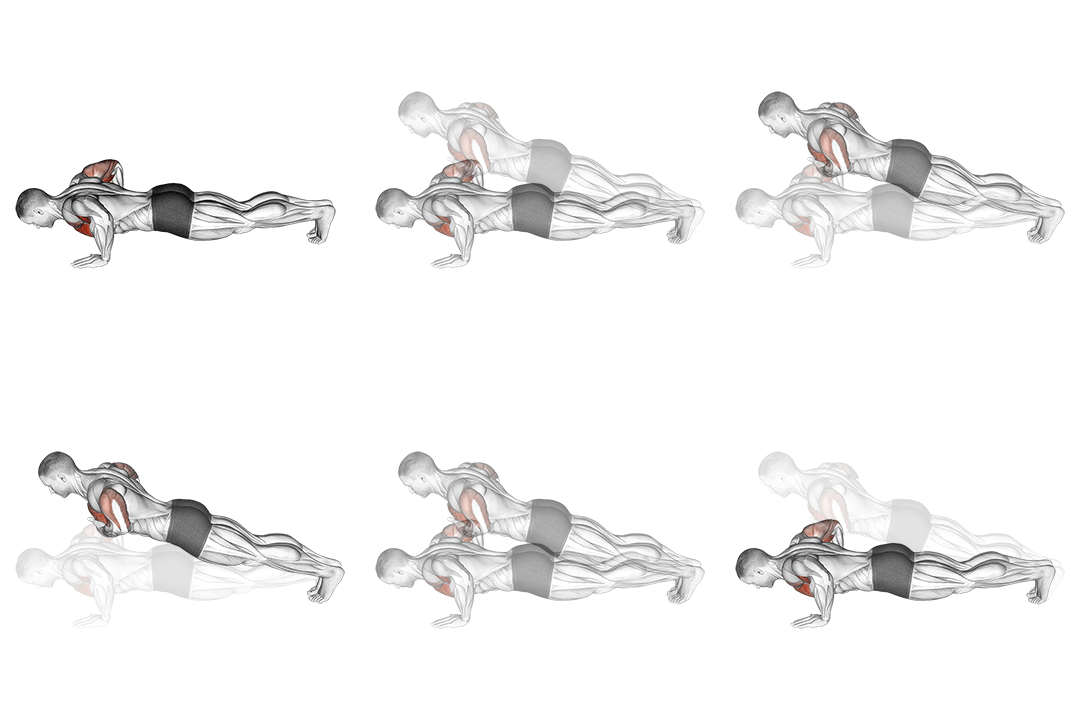
Archer Push Up
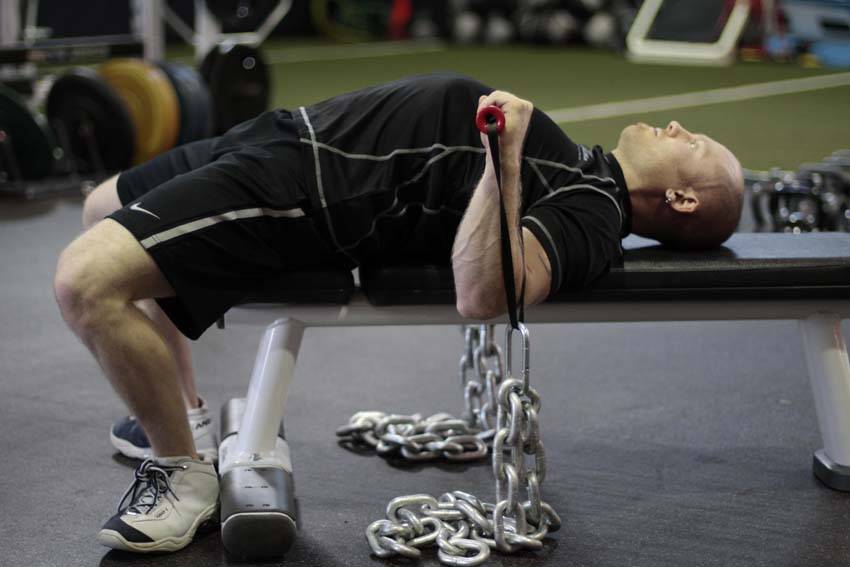
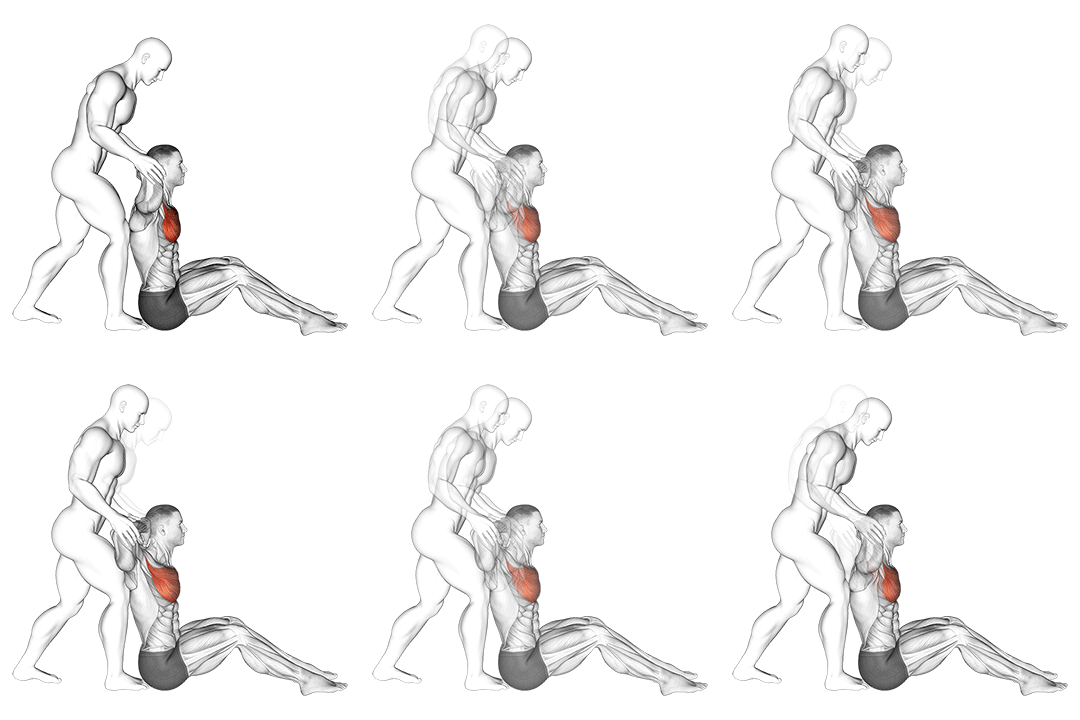
Chain Press
Head-to-Head Comparison
| Attribute | Archer Push Up | Chain Press |
|---|---|---|
| Target Muscle |
Pectorals
|
Pectorals
|
| Body Part |
Chest
|
Chest
|
| Equipment |
Body-weight
|
Other
|
| Difficulty |
Advanced
|
Advanced
|
| Movement Type |
Compound
|
Compound
|
| Secondary Muscles |
3
|
2
|
Secondary Muscles Activated
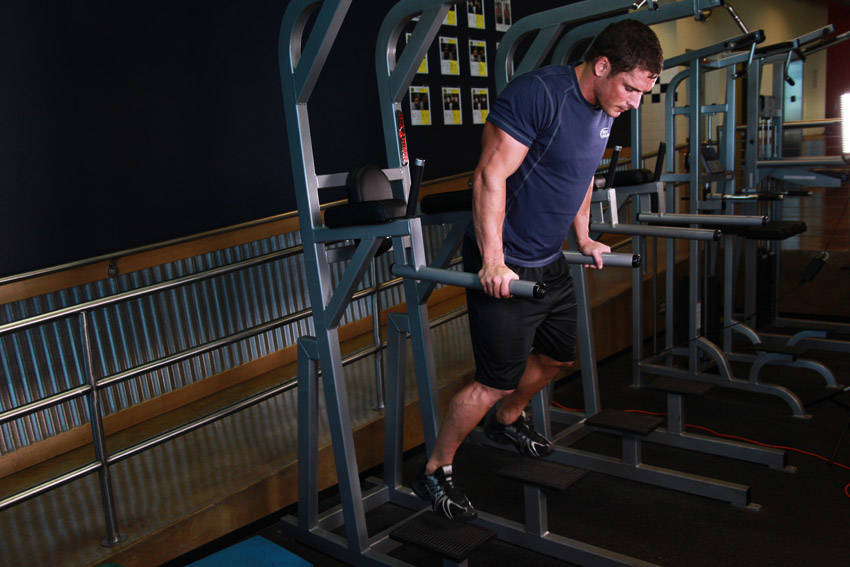
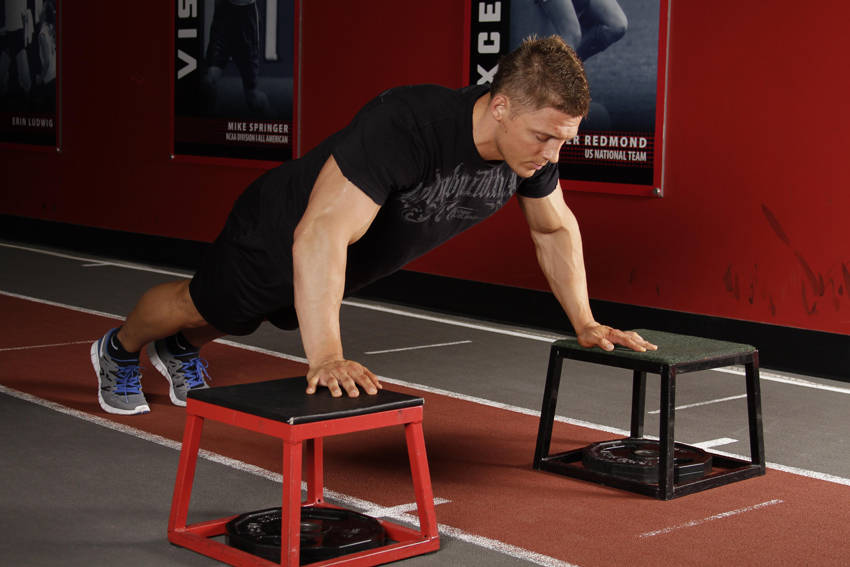
Archer Push Up
Chain Press
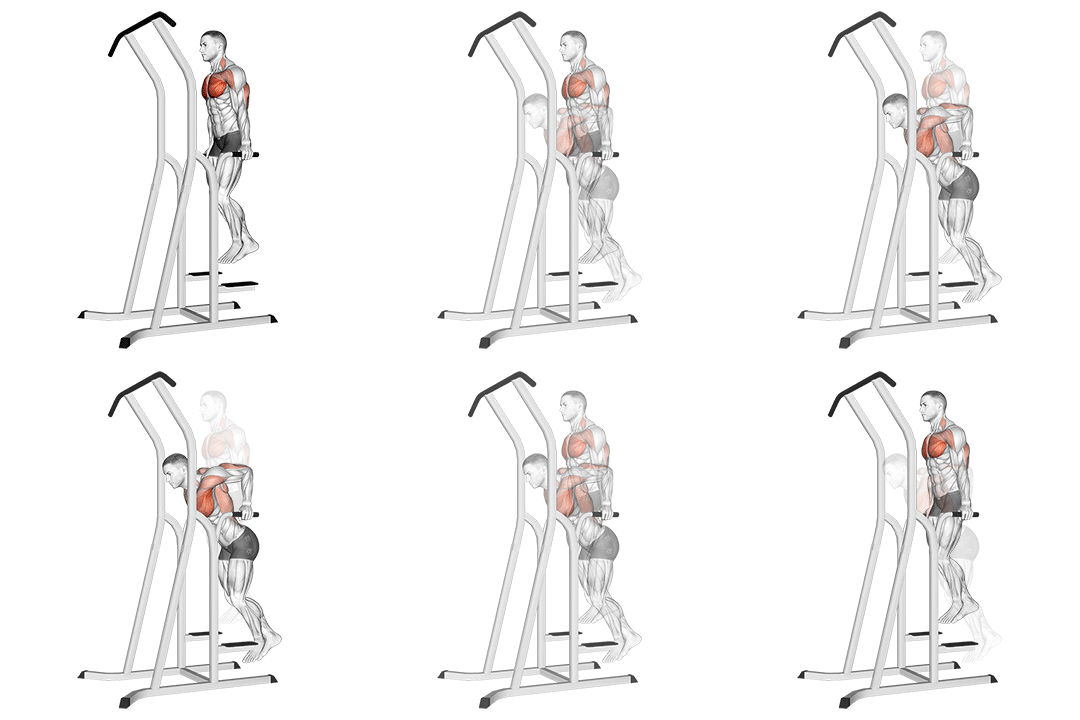
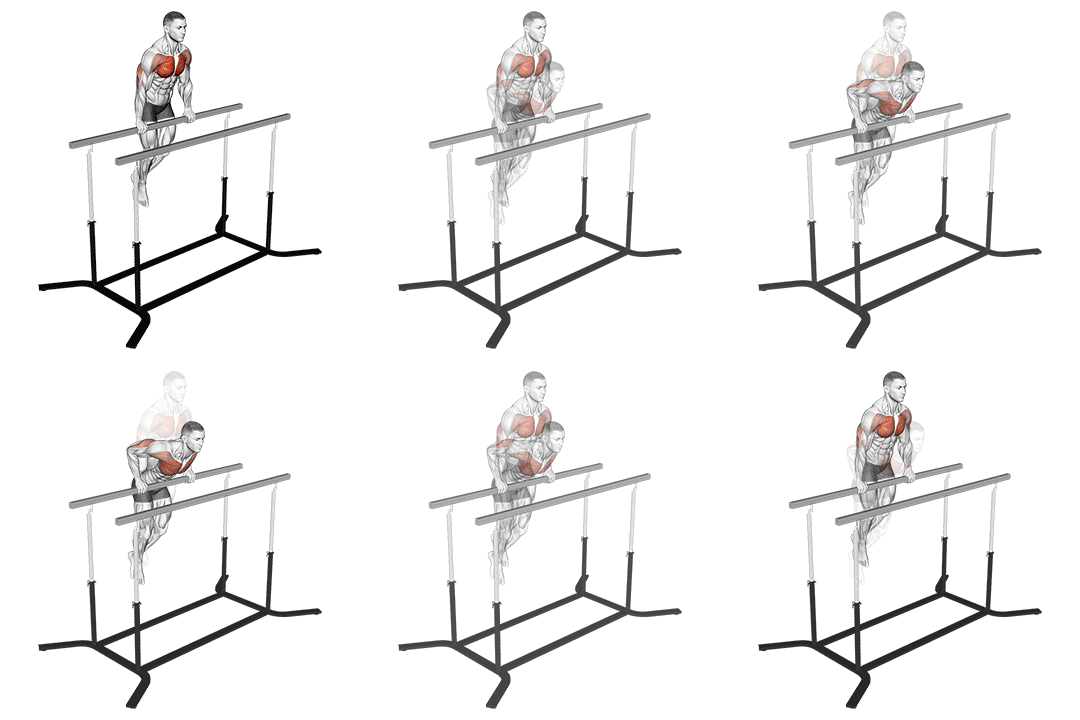
Visual Comparison
Overview
Archer Push Up vs Chain Press — two advanced chest presses that tax your pecs hard but in different ways. If you want clear guidance on which to use, you’re in the right place: I’ll compare primary and secondary muscle activation, equipment and accessibility, technical cues, progression paths, rep ranges for hypertrophy and strength, and relative injury risk. Read on and you’ll know which exercise to pick based on whether you prioritize hands-free home training, maximal load and progressive overload, or specific force-vector development for your chest and pressing mechanics.
Key Differences
- Equipment differs: Archer Push Up uses Body-weight, while Chain Press requires Other.
Pros & Cons
Archer Push Up
+ Pros
- No equipment required — perform anywhere
- High core and scapular stabilizer activation for improved anti-rotation strength
- Excellent for unilateral strength imbalances and body-position awareness
- Easy to modify with tempo, elevation, or added weight vests
− Cons
- Very advanced — hard to scale for true beginners
- Limited absolute loading compared to barbell variations
- Higher rotational stress on shoulders and lower back if technique breaks down
Chain Press
+ Pros
- Superior for progressive overload and heavy loading
- Variable resistance improves lockout strength and overload management
- Better for measurable strength gains and peaking
- Easier to program exact loads and rep ranges (e.g., 3–5 for strength, 6–12 for hypertrophy)
− Cons
- Requires gym equipment (barbell, chains, rack/bench)
- Setup complexity — chain percentage and bar path must be dialed in
- Less core and anti-rotation demand compared with bodyweight unilateral presses
When Each Exercise Wins
Chain Press lets you apply heavier, progressive overload and control load curve across the ROM; using 6–12 reps with 10–30% chain contribution targets mechanical tension and hypertrophy more reliably than a bodyweight archer variation.
Chain Press is the clear strength tool — you can load 3–5 heavy reps and manipulate top-end resistance to improve lockout and triceps strength, directly translating to higher 1RM bench performance.
While advanced, the chain press can be regressed to a standard bench press with controlled loads and spotter assistance; this provides safer, measurable progressions compared with an advanced unilateral bodyweight move.
Archer Push Up requires minimal gear and builds unilateral strength, core stability, and chest development with simple progressions like elevated feet or weighted vests—ideal when you lack a barbell and chains.
Frequently Asked Questions
Can I do both Archer Push Up and Chain Press in the same workout?
Yes — pairing them works well. Use the Chain Press as a heavy primary movement for 3–6 sets (3–5 reps for strength or 6–10 for hypertrophy) and follow with Archer Push Ups as a high-skill accessory for 2–3 sets of 6–10 reps to train stability and unilateral control.
Which exercise is better for beginners?
Neither is strictly beginner-friendly, but the Chain Press path is easier to regress: start with flat bench and light loads to learn bar path and scapular control. Beginners should first master standard push-ups and bench mechanics before attempting Archer Push Ups or heavy chain setups.
How do the muscle activation patterns differ?
Archer Push Up creates high unilateral pec and core activation due to asymmetric force vectors and anti-rotation demand, emphasizing mid-to-bottom range tension. Chain Press increases top-range load as chains lift, shifting more force to triceps and lockout mechanics while reducing relative bottom-end stress.
Can Chain Press replace Archer Push Up?
Chain Press can replace Archer Push Up if your goal is maximal loading and measurable strength or hypertrophy. If you need to train core anti-rotation, unilateral control, or lack equipment, keep Archer Push Ups in the program as a complementary movement.
Expert Verdict
Choose Archer Push Up when you train at home, want to build unilateral chest strength and anti-rotation core control, or need a minimal-equipment option that also improves scapular stability. Use deliberate cues: keep the torso rigid, retract the shoulder blades, lower until the working elbow reaches ~45° and maintain a straight plank line. Choose Chain Press when your priority is measurable muscle growth or maximal strength: load the bar for 3–5 heavy reps for strength or 6–12 for hypertrophy, and set chains to contribute 10–30% of top-end load to alter the length-tension curve. Both have a place—pick Chain Press for progressive overload and Archer Push Up for accessibility and stabilization training.
Also Compare
More comparisons with Archer Push Up


Compare More Exercises
Use our free comparison tool to analyze any two exercises head-to-head.
Compare Exercises