

Archer Push Up vs Drop Push: Complete Comparison Guide
Archer Push Up vs Drop Push is a clear head-to-head you should consider if your goal is bigger, stronger pecs or more functional pushing strength. You’ll get a practical breakdown of how each movement loads the pectorals, which secondary muscles take the hit, what equipment you need, and who should prioritize each exercise. I’ll give technique cues, biomechanical reasons behind the differences (think force vectors and length-tension), and actionable progressions so you can choose the right move for your program.
Exercise Comparison
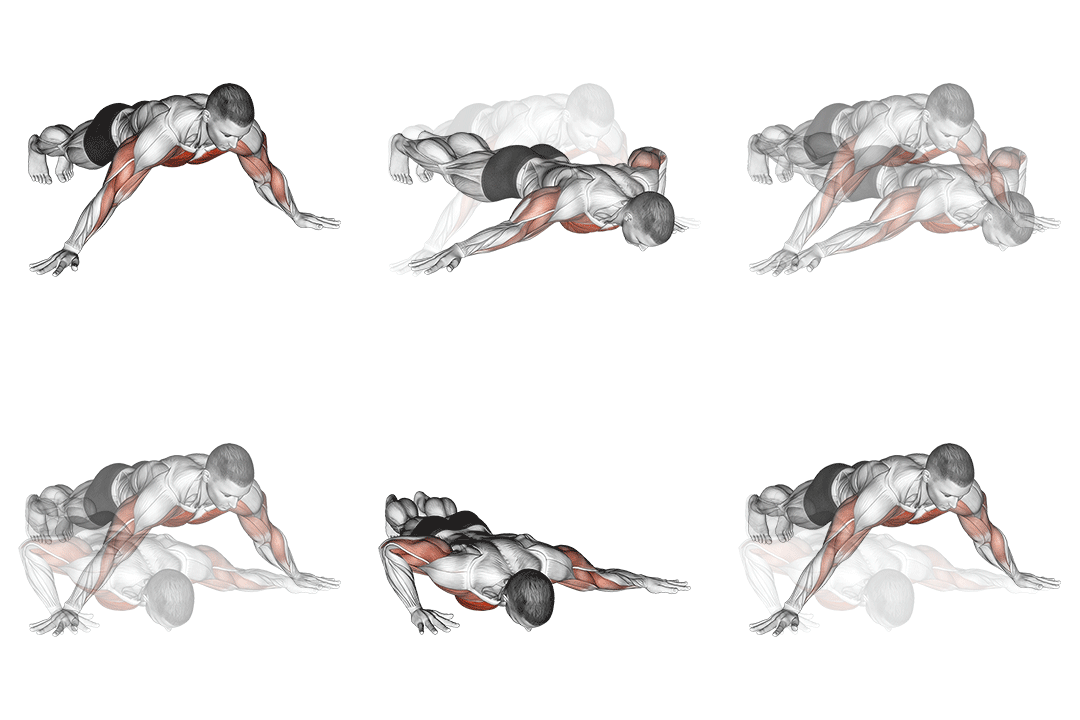
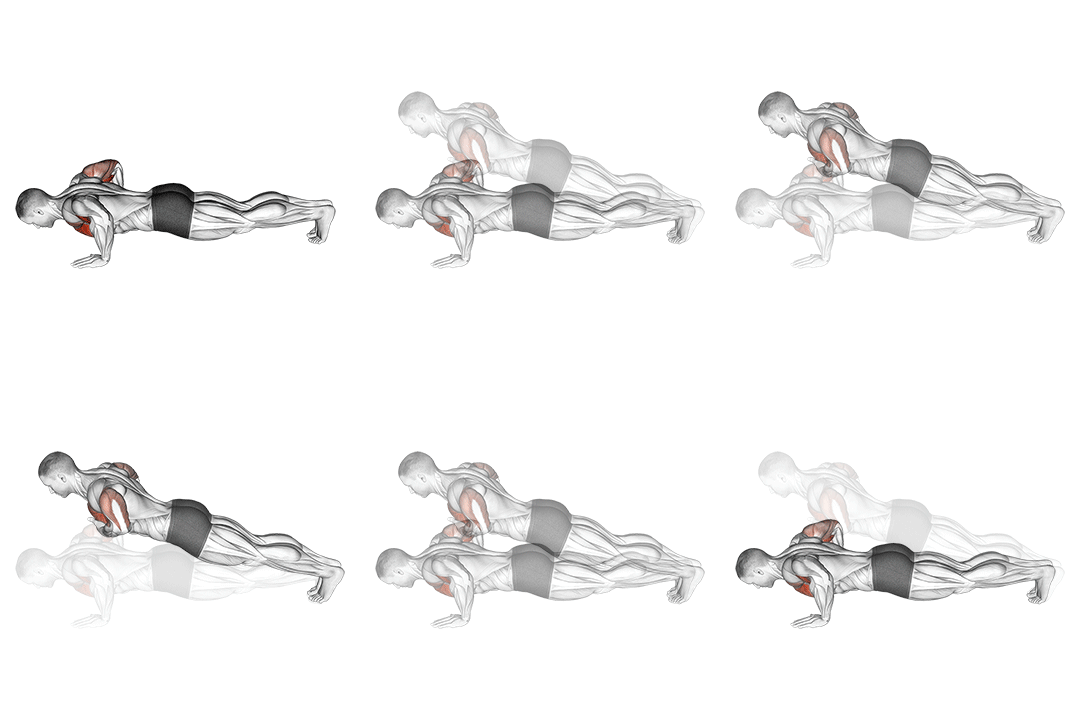
Archer Push Up
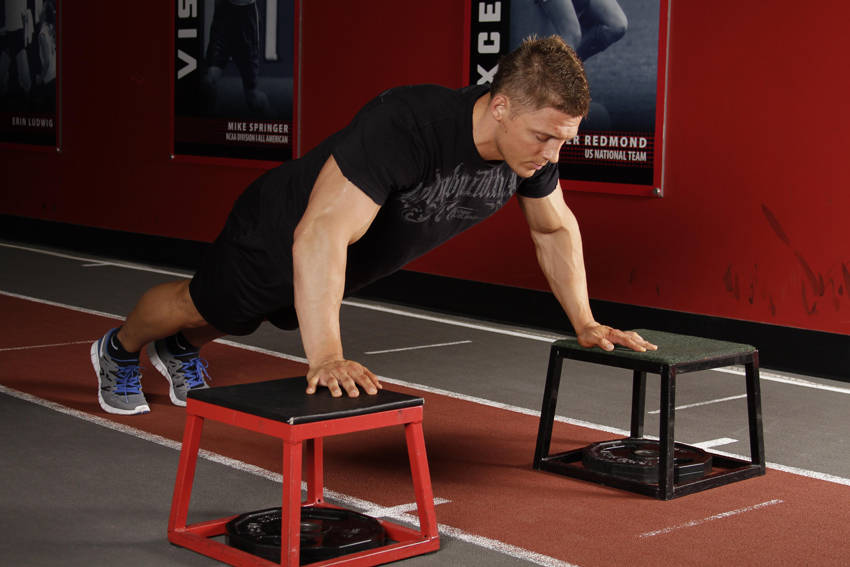
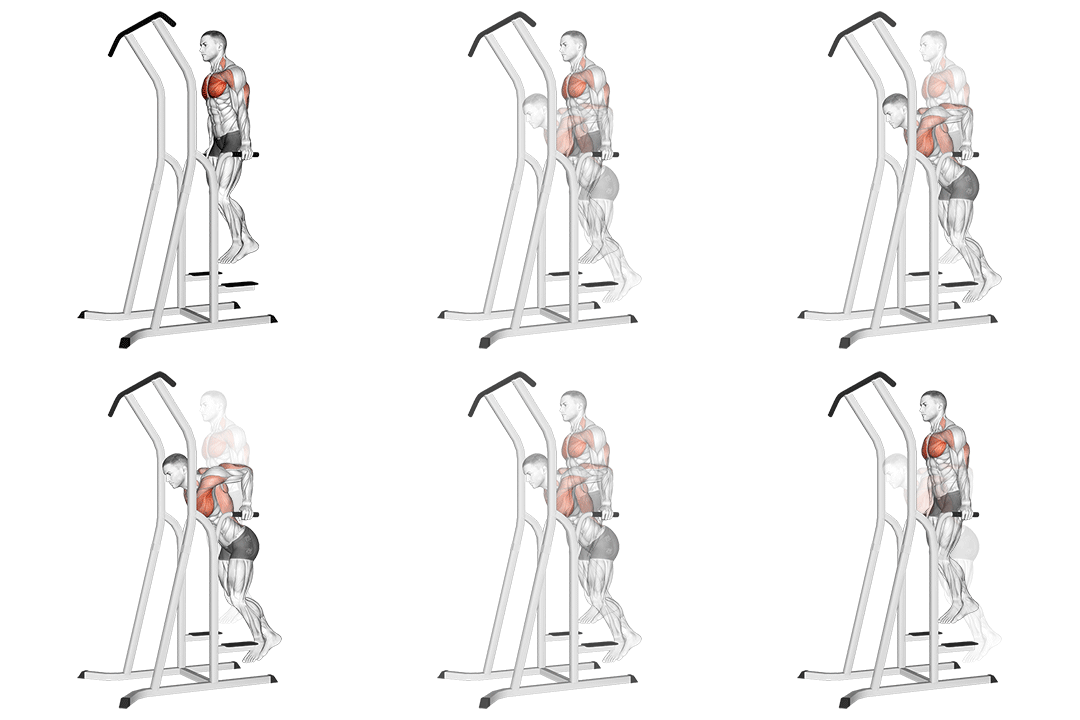
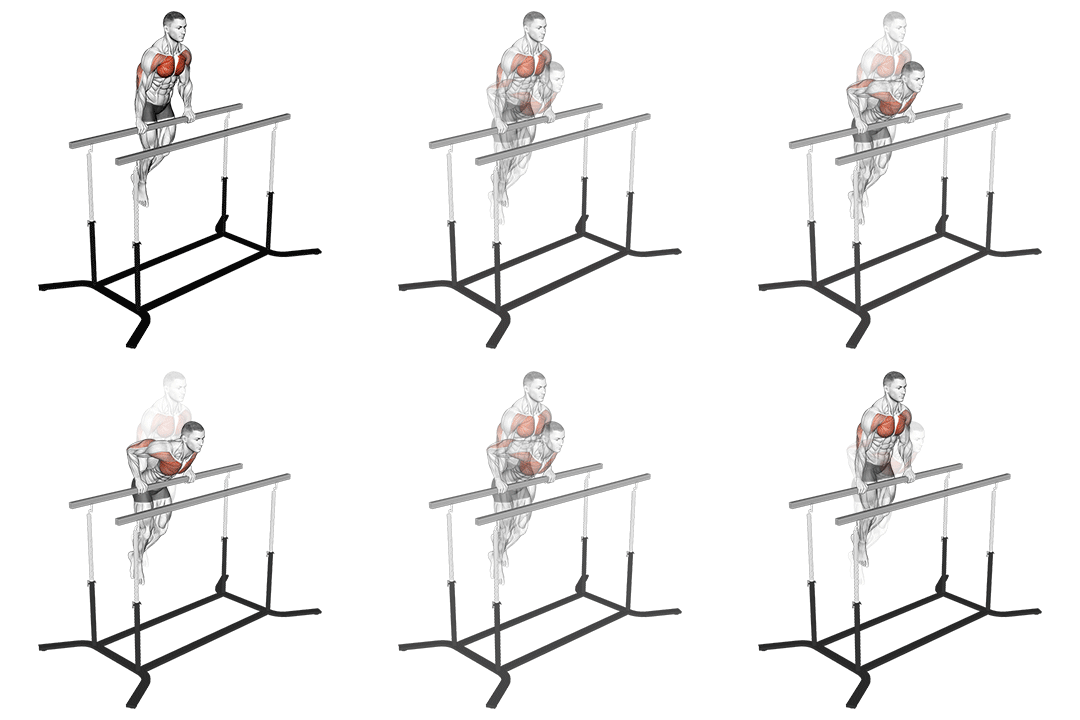
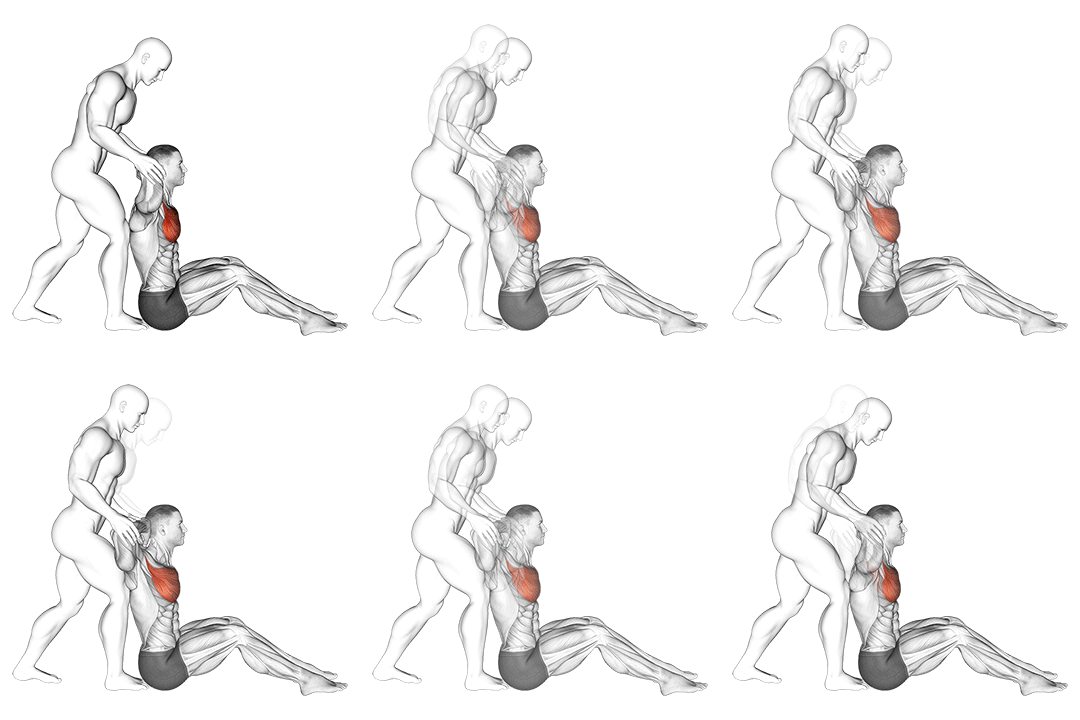
Drop Push
Head-to-Head Comparison
| Attribute | Archer Push Up | Drop Push |
|---|---|---|
| Target Muscle |
Pectorals
|
Pectorals
|
| Body Part |
Chest
|
Chest
|
| Equipment |
Body-weight
|
Other
|
| Difficulty |
Advanced
|
Intermediate
|
| Movement Type |
Compound
|
Compound
|
| Secondary Muscles |
3
|
2
|
Secondary Muscles Activated
Archer Push Up
Drop Push
Visual Comparison
Overview
Archer Push Up vs Drop Push is a clear head-to-head you should consider if your goal is bigger, stronger pecs or more functional pushing strength. You’ll get a practical breakdown of how each movement loads the pectorals, which secondary muscles take the hit, what equipment you need, and who should prioritize each exercise. I’ll give technique cues, biomechanical reasons behind the differences (think force vectors and length-tension), and actionable progressions so you can choose the right move for your program.
Key Differences
- Equipment differs: Archer Push Up uses Body-weight, while Drop Push requires Other.
- Difficulty levels differ: Archer Push Up is advanced, while Drop Push is intermediate.
Pros & Cons
Archer Push Up
+ Pros
- High unilateral loading for addressing side-to-side imbalances
- Builds anti-rotation core strength and scapular stability
- Progresses toward one-arm push-up for functional strength
- Requires no equipment — easy for home training
− Cons
- Advanced technical demand — steep learning curve
- Higher shoulder stress if performed with poor control
- Harder to apply precise progressive overload compared to weighted presses
Drop Push
+ Pros
- Easier to learn and load progressively with added resistance
- Produces consistent bilateral hypertrophic stimulus (good time-under-tension)
- Lower technical/stability demand than advanced unilateral presses
- Versatile — can be adjusted via tempo, bench angle, or added weight
− Cons
- Requires equipment and setup that not all home users have
- Less emphasis on core anti-rotation and unilateral control
- Can overly rely on triceps/shoulders if technique or angle is off
When Each Exercise Wins
Drop Push allows easier progressive overload and consistent bilateral loading so you can target 6–12 reps with controlled eccentrics and tempos, producing more reliable time-under-tension for muscle growth.
Because you can add external load and control the load path, Drop Push lets you train heavier 3–6 rep ranges and manage overload safely, making it better for raw pressing strength.
Drop Push is easier to teach and scale — you maintain bilateral symmetry and can reduce load or adjust bench angle while learning pressing mechanics before attempting unilateral progressions.
Archer Push Up needs no equipment and builds unilateral strength and core control at bodyweight, making it ideal when you lack benches, weights, or specialized handles.
Frequently Asked Questions
Can I do both Archer Push Up and Drop Push in the same workout?
Yes. Use Drop Push as your heavy or volume-based primary set (3–6 heavy sets or 3–5 sets of 6–12) and add Archer Push Ups for 2–4 accessory sets to target unilateral stability and core anti-rotation. Sequence heavy bilateral pressing first, then archer variations while you’re less fatigued for technique.
Which exercise is better for beginners?
Drop Push is better for most beginners because it preserves bilateral mechanics and is easier to scale with equipment or bench angle. Start with lighter loads and perfect scapular control before progressing to unilateral moves like archer variations.
How do the muscle activation patterns differ?
Archer Push Up creates asymmetric loading that increases peak eccentric length and transverse-plane torque on the working pec, recruiting stabilizers and core anti-rotation. Drop Push distributes force more evenly, producing balanced concentric and eccentric activation across both pec heads and greater relative triceps involvement when externally loaded.
Can Drop Push replace Archer Push Up?
Drop Push can replace Archer Push Up if your goal is hypertrophy or absolute pressing strength because it is easier to progressively overload. However, if you need unilateral strength, imbalance correction, or anti-rotation carryover, keep archer variations in the program as an accessory.
Expert Verdict
Use Drop Push when your priority is systematic overload and consistent hypertrophy or maximal pressing strength — it’s easier to load, control tempo, and hit specific rep ranges (3–6 for strength, 6–12 for hypertrophy). Choose Archer Push Up when you want unilateral strength, anti-rotation core carryover, or you train at home with minimal gear. For programming, pair Drop Push as the primary chest strength/hypertrophy exercise and insert Archer Push Up as an accessory for imbalance correction, stability, and single-side work. Progress archer variations toward a one-arm push-up and use Drop Push variations to cycle intensity and volume.
Also Compare
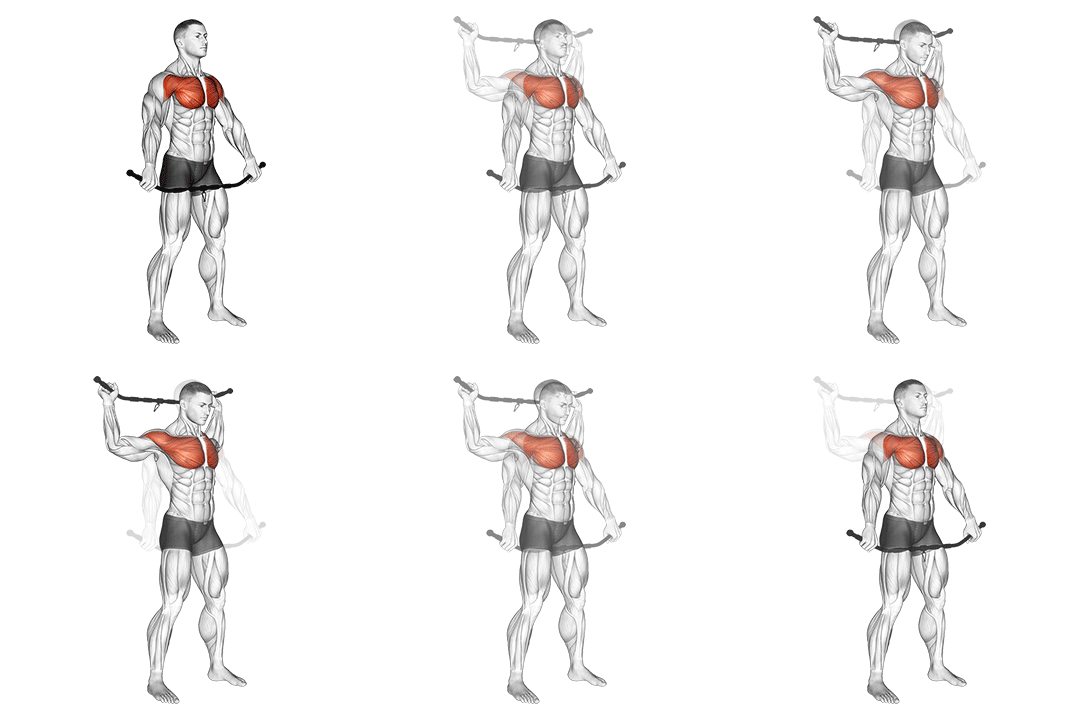
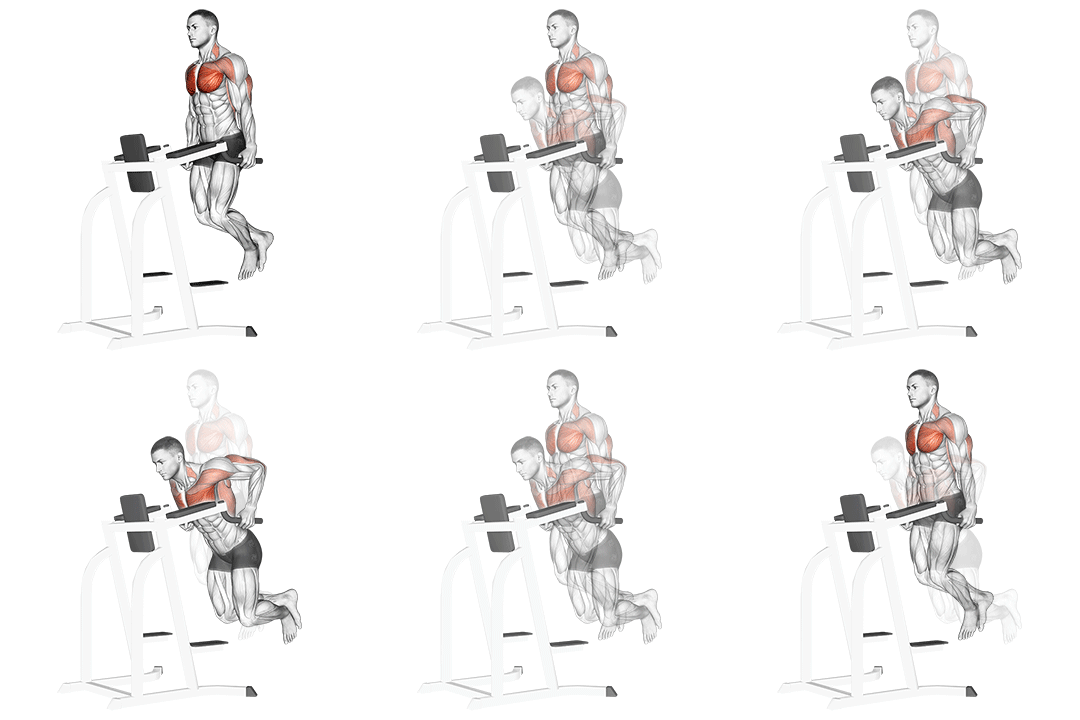
More comparisons with Archer Push Up
Compare More Exercises
Use our free comparison tool to analyze any two exercises head-to-head.
Compare Exercises