

Assisted Lying Calves Stretch vs Barbell Floor Calf Raise: Complete Comparison Guide
Assisted Lying Calves Stretch vs Barbell Floor Calf Raise — if you're targeting stronger, more resilient lower legs, you need to know which to choose. I’ll walk you through muscle activation, biomechanics, equipment needs, technique cues, progression options, and when each exercise fits your program. You’ll see how the assisted lying stretch emphasizes end-range dorsiflexion and passive tension for mobility and recovery, while the barbell floor calf raise loads the plantarflexors through concentric and eccentric force for hypertrophy and strength. Use this guide to pick the right move for your goals and environment.
Exercise Comparison
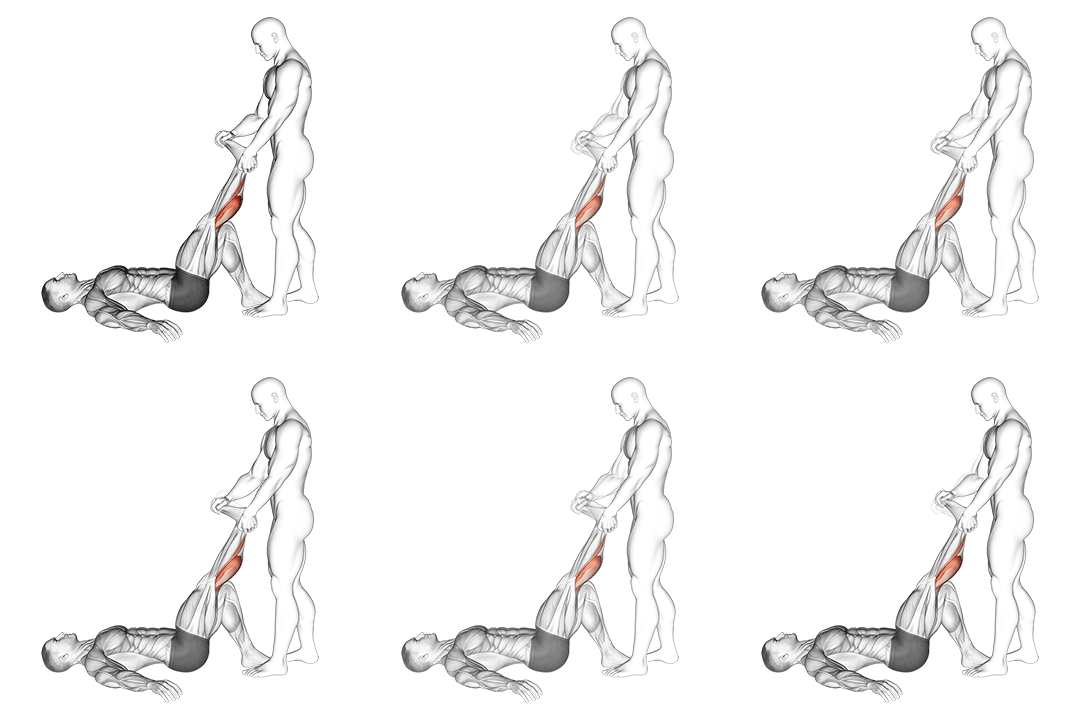
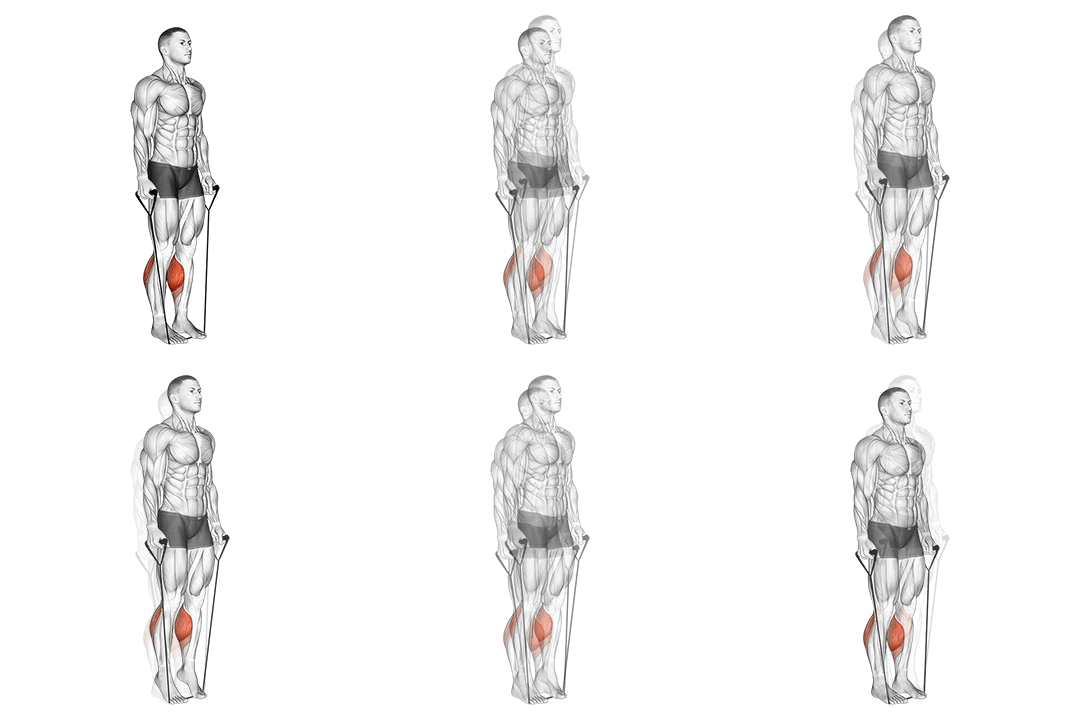
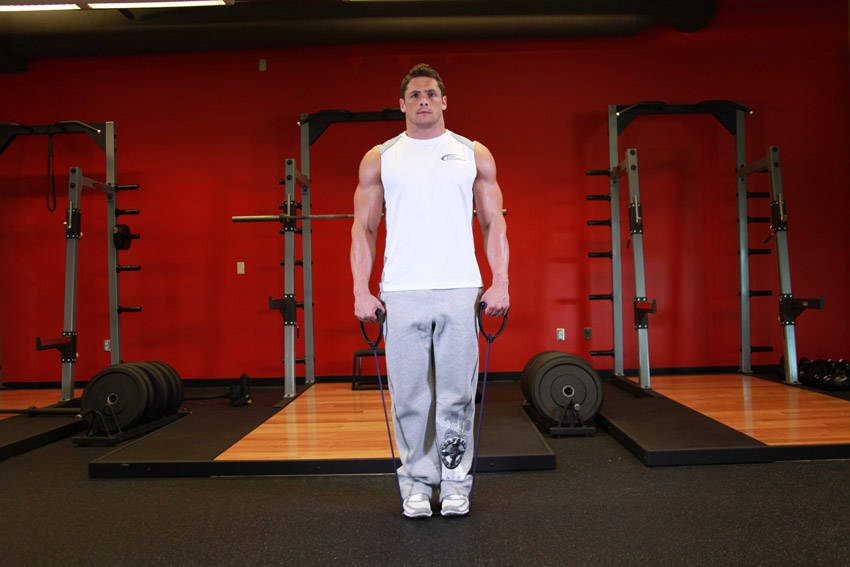
Assisted Lying Calves Stretch
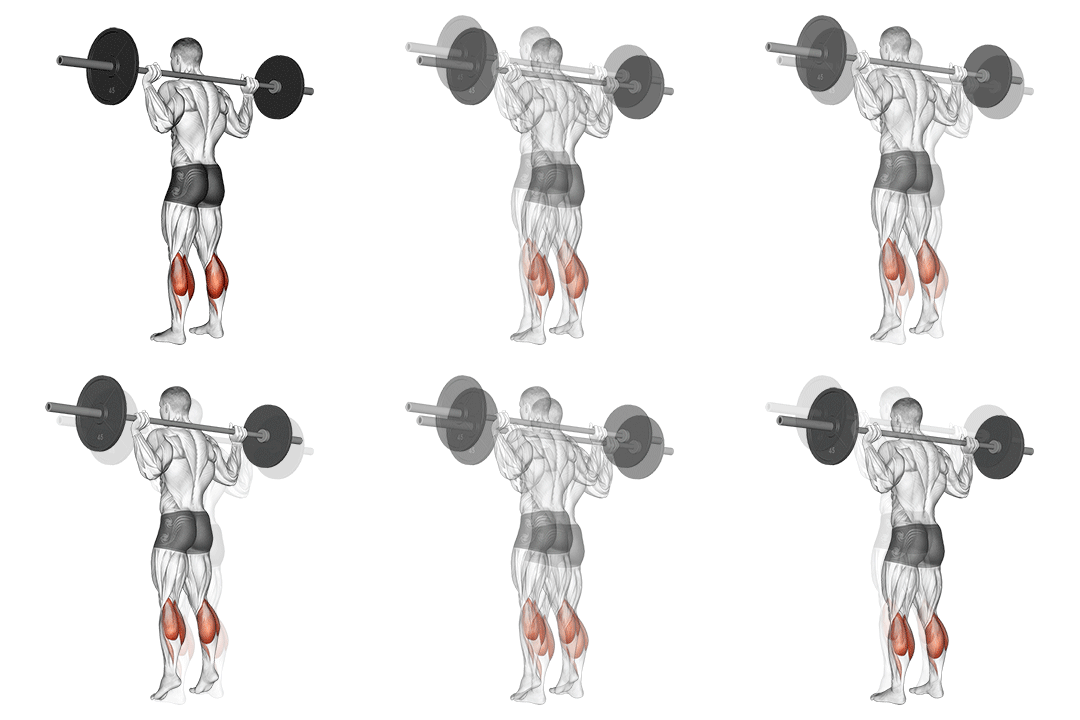
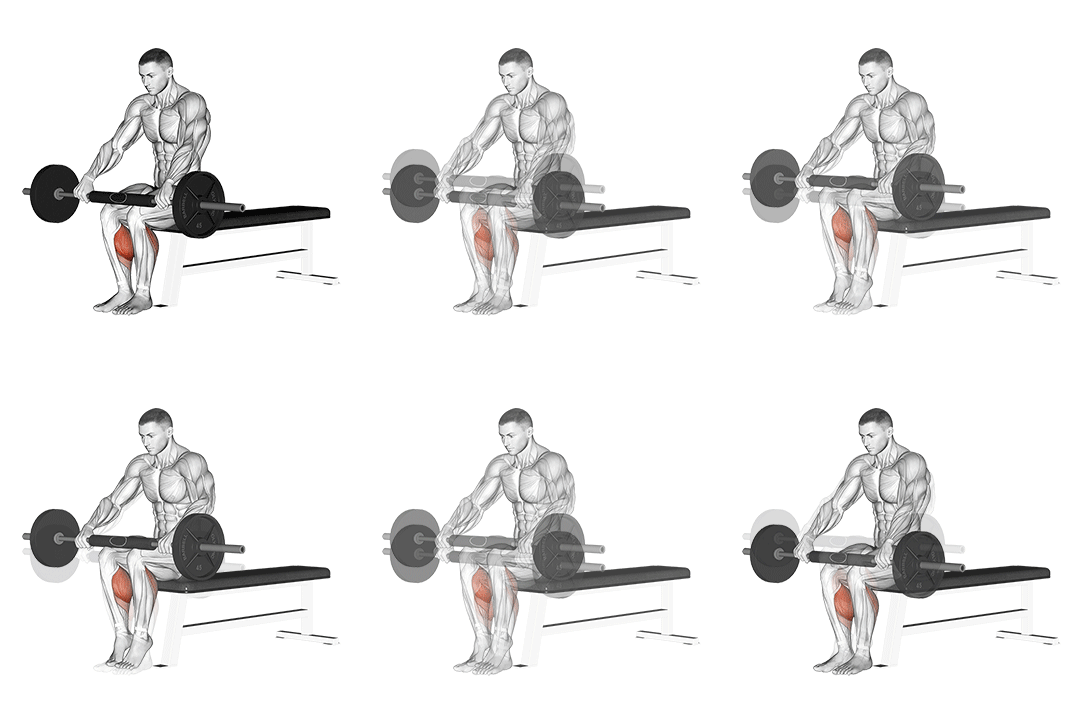
Barbell Floor Calf Raise
Head-to-Head Comparison
| Attribute | Assisted Lying Calves Stretch | Barbell Floor Calf Raise |
|---|---|---|
| Target Muscle |
Calves
|
Calves
|
| Body Part |
Lower-legs
|
Lower-legs
|
| Equipment |
Band
|
Barbell
|
| Difficulty |
Beginner
|
Beginner
|
| Movement Type |
Isolation
|
Isolation
|
| Secondary Muscles |
1
|
1
|
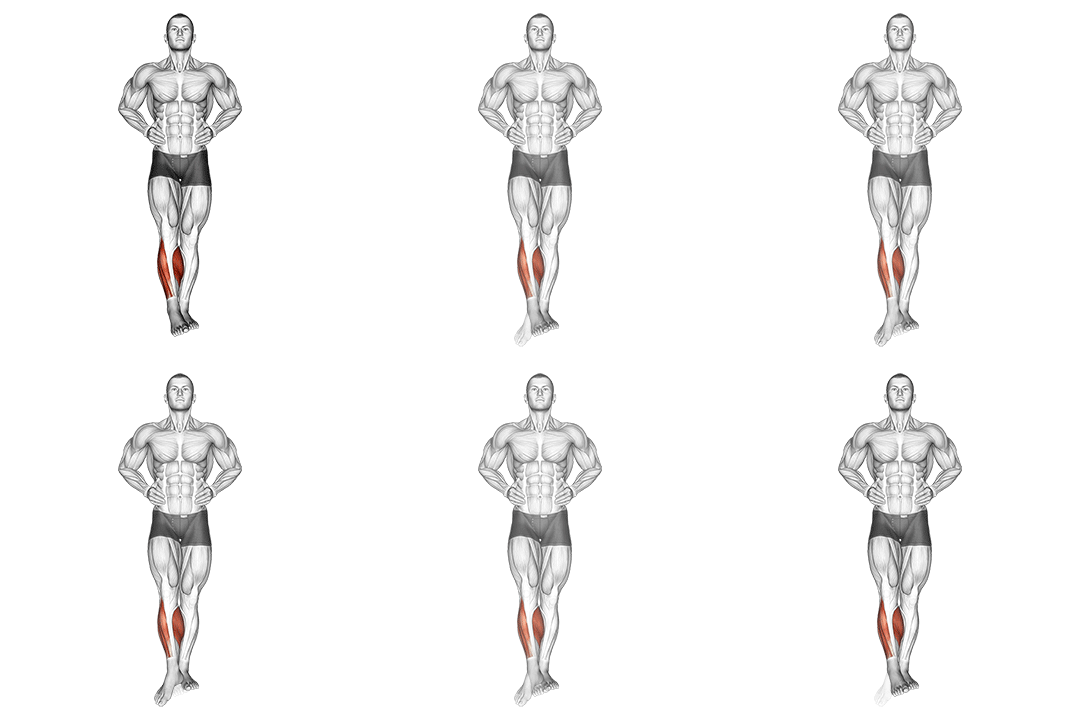
Secondary Muscles Activated
Assisted Lying Calves Stretch
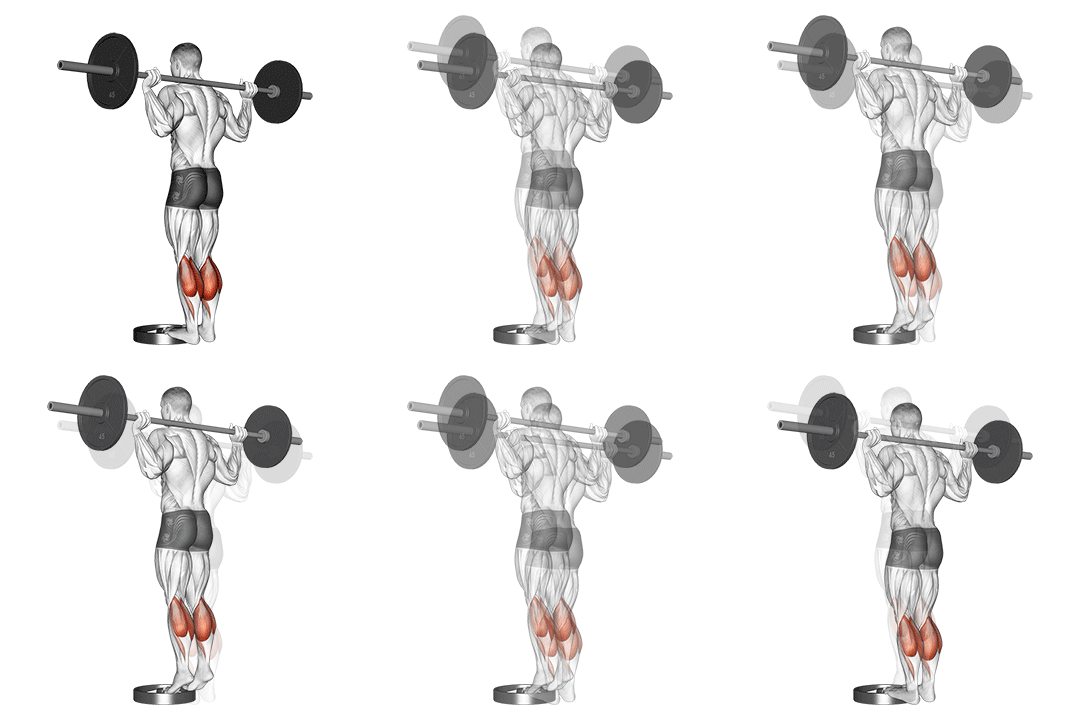
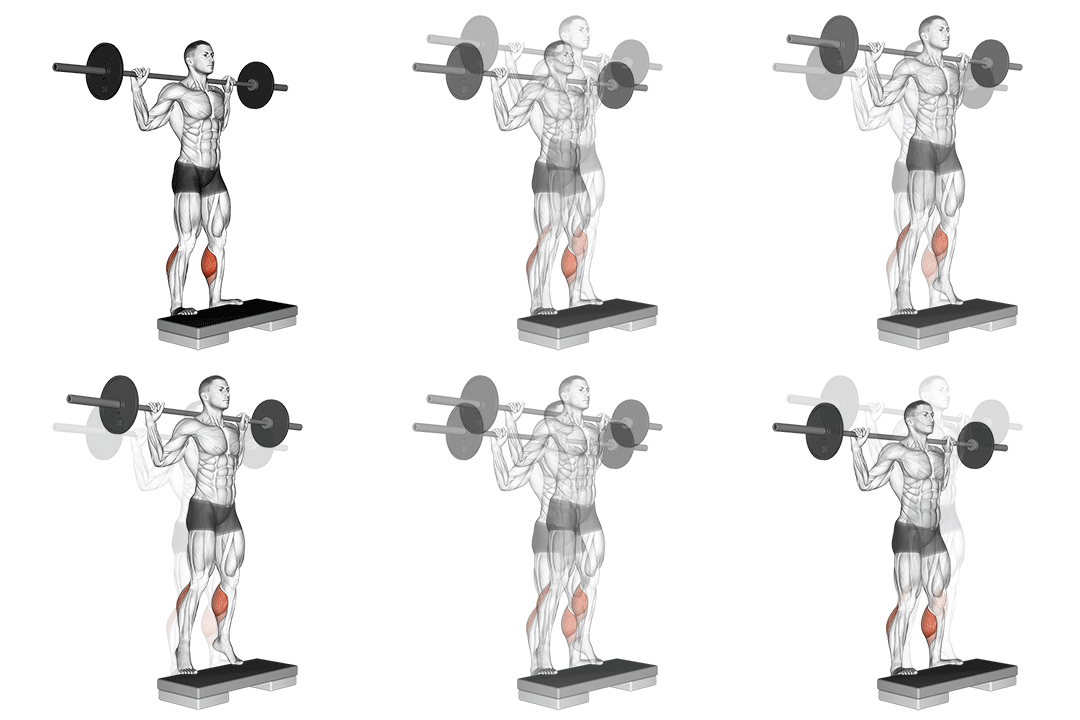
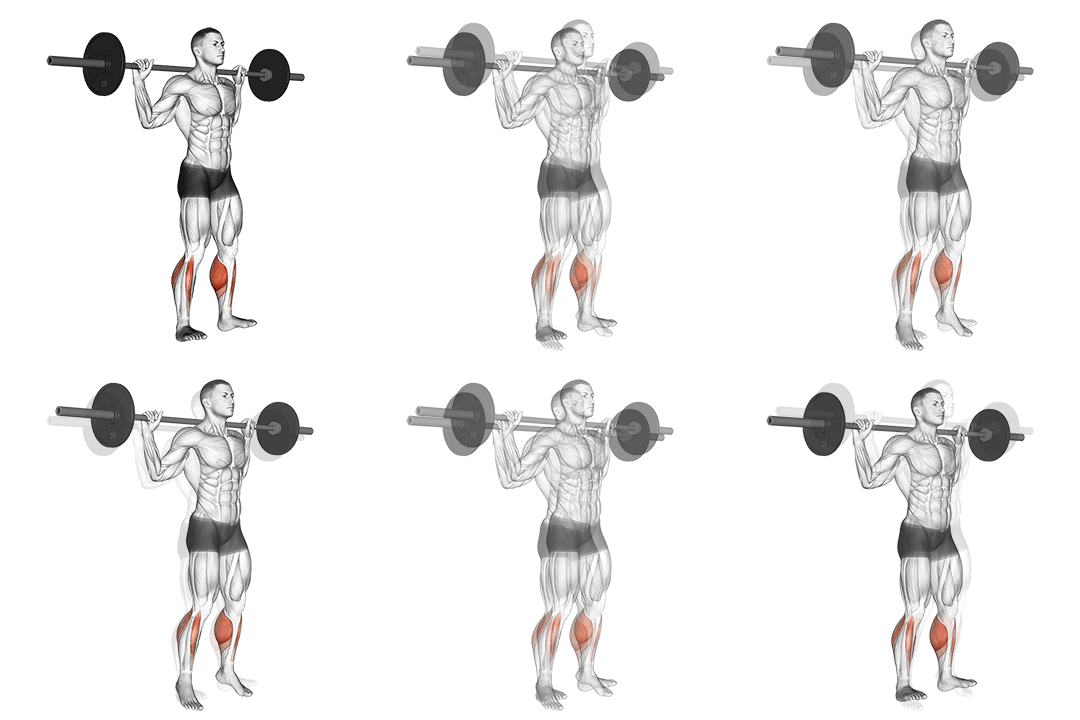
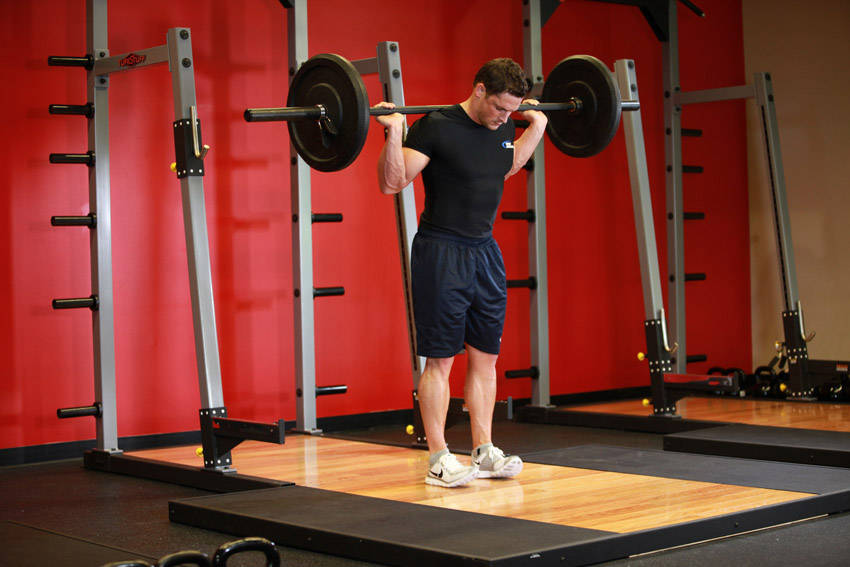
Barbell Floor Calf Raise
Visual Comparison
Overview
Assisted Lying Calves Stretch vs Barbell Floor Calf Raise — if you're targeting stronger, more resilient lower legs, you need to know which to choose. I’ll walk you through muscle activation, biomechanics, equipment needs, technique cues, progression options, and when each exercise fits your program. You’ll see how the assisted lying stretch emphasizes end-range dorsiflexion and passive tension for mobility and recovery, while the barbell floor calf raise loads the plantarflexors through concentric and eccentric force for hypertrophy and strength. Use this guide to pick the right move for your goals and environment.
Key Differences
- Equipment differs: Assisted Lying Calves Stretch uses Band, while Barbell Floor Calf Raise requires Barbell.
Pros & Cons
Assisted Lying Calves Stretch
+ Pros
- Requires minimal equipment — just a band and floor space
- Improves end-range dorsiflexion and calf flexibility (30–60 s holds)
- Low loading risk — good for rehab and recovery
- Easy to teach and scale via band tension and time under stretch
− Cons
- Limited capacity for heavy progressive overload for hypertrophy
- Produces low active concentric force compared to weighted raises
- Less direct stimulus for strength gains in the plantarflexors
Barbell Floor Calf Raise
+ Pros
- Delivers high active load to plantarflexors for hypertrophy and strength
- Simple progression by adding plates to increase mechanical tension
- Engages concentric and eccentric phases for muscle remodeling
- Effective for increasing maximal plantarflexion torque when progressed (4–6+ sets)
− Cons
- Requires barbell and sufficient loading capacity
- Higher injury risk to Achilles and ankle if overloaded or poorly controlled
- Limited dorsiflexion ROM on the floor can reduce stretch component
When Each Exercise Wins
The barbell raise allows progressive overload and greater active tension across concentric and eccentric phases, which stimulates muscle protein synthesis. Use 8–20 reps per set with controlled eccentrics to maximize time under tension for hypertrophy.
Strength gains require high mechanical tension and heavy loads; the barbell raise lets you load the plantarflexors incrementally (lower rep ranges, 4–6) and train neural adaptations under high force. Its force vector aligns with plantarflexion, producing higher peak torque.
Beginners benefit from the low-skill, low-load nature of the assisted stretch to improve ankle mobility and tolerance before adding heavy resistance. It teaches end-range control and reduces injury risk while you develop baseline calf strength.
A band and floor space are all you need, making the stretch ideal for home or travel. The barbell raise requires heavier equipment and safer loading options that many home setups lack.
Frequently Asked Questions
Can I do both Assisted Lying Calves Stretch and Barbell Floor Calf Raise in the same workout?
Yes — pair them strategically: perform the assisted lying stretch as a mobility/priming exercise (30–60 s holds) before strength work, then do barbell raises for heavy loading. Alternatively, use the stretch after heavy sets to improve range and aid recovery.
Which exercise is better for beginners?
The assisted lying calves stretch is better for beginners because it requires minimal skill and load while improving dorsiflexion and tendon tolerance. Start with consistent mobility and then add barbell raises once you have stable ankle control.
How do the muscle activation patterns differ?
The assisted stretch emphasizes passive tension and lengthening at long muscle lengths, producing low active concentric EMG but promoting sarcomere and fascial adaptation. The barbell raise produces higher active EMG in concentric and eccentric phases, recruiting more motor units and generating greater peak force.
Can Barbell Floor Calf Raise replace Assisted Lying Calves Stretch?
Not entirely — barbell raises replace active loading needs but don't provide the same end-range dorsiflexion or passive tissue adaptation that an assisted stretch does. If your goal is both mobility and strength, keep both in your program, prioritizing the stretch for ROM and the barbell for overload.
Expert Verdict
Choose the assisted lying calves stretch when your priorities are ankle mobility, tendon rehab, recovery, or limited equipment—use 3–4 sets of 30–60 second holds and build band tension gradually. Pick the barbell floor calf raise when you want to drive muscle growth and strength: progressively overload with heavier plates, emphasize controlled eccentrics, and program 3–5 sets of 4–20 reps depending on the goal. For balanced development, pair both: use stretches or loaded stretches pre/post-workout for mobility and perform barbell raises 1–3 times weekly for progressive mechanical tension.
Also Compare
More comparisons with Assisted Lying Calves Stretch
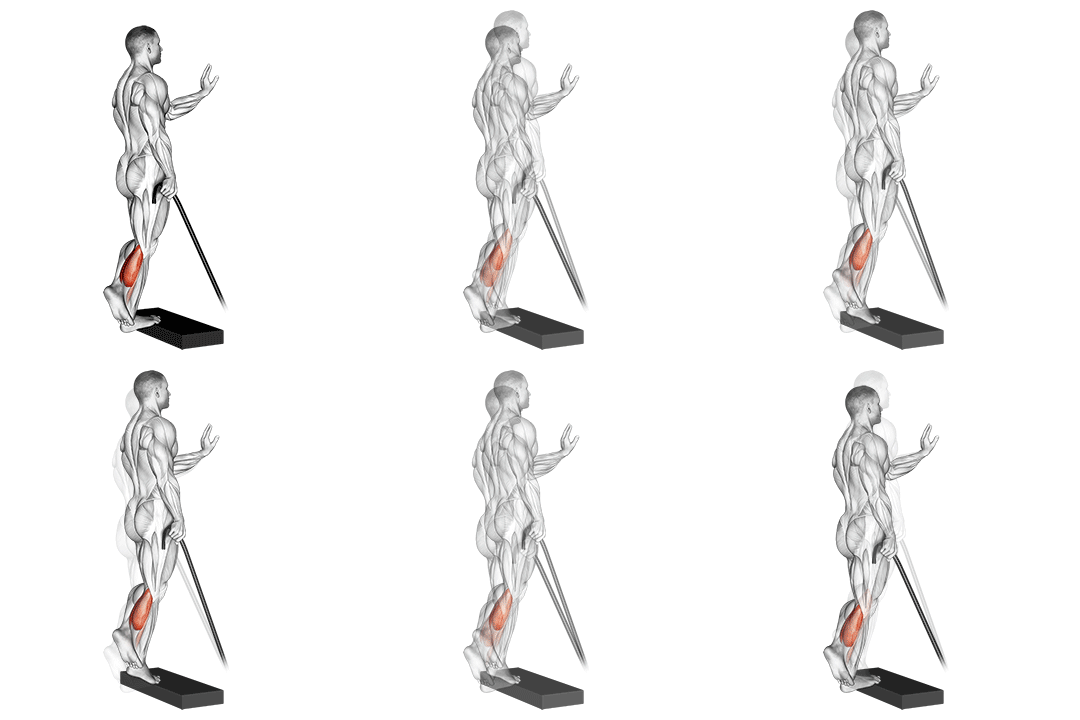
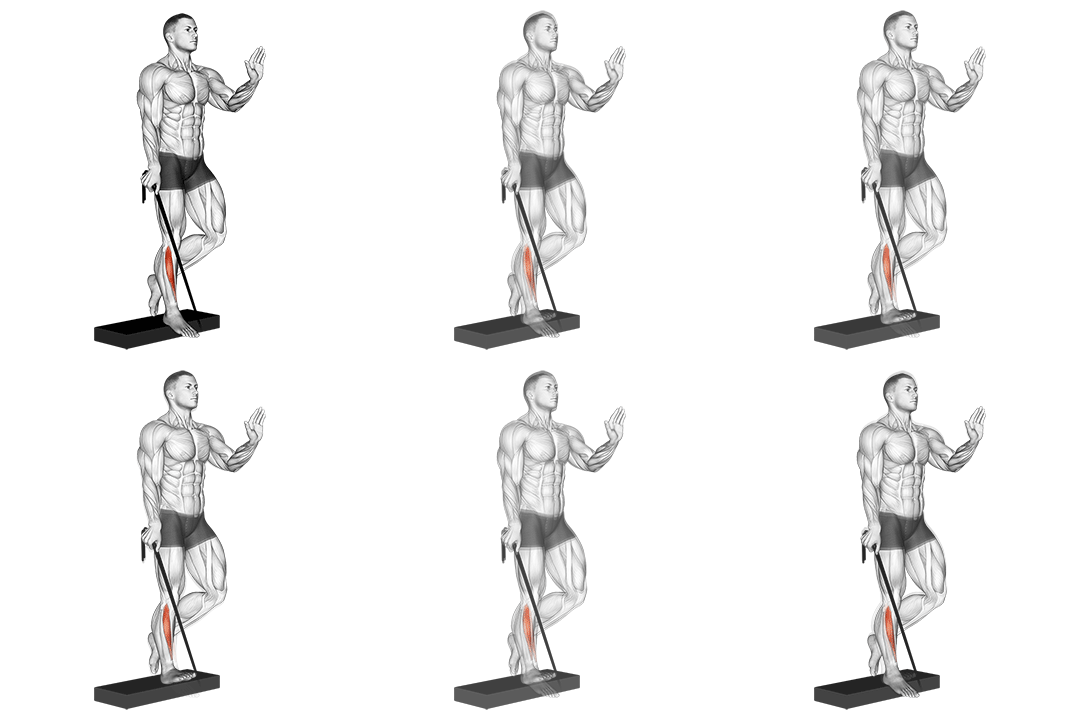
More comparisons with Barbell Floor Calf Raise
Compare More Exercises
Use our free comparison tool to analyze any two exercises head-to-head.
Compare Exercises