

Assisted Lying Glutes Stretch vs Box Jump (Multiple Response): Complete Comparison Guide
Assisted Lying Glutes Stretch vs Box Jump (Multiple Response) — you want clearer choices for training your glutes. I’ll walk you through how each move loads the glute muscles, which secondary muscles come into play, equipment needs, learning curve, and when to use each for muscle growth, strength, mobility, or home training. You’ll get technique cues, biomechanical reasoning about length-tension and force vectors, and practical rep or hold ranges so you can pick the right tool for your goals and program.
Exercise Comparison
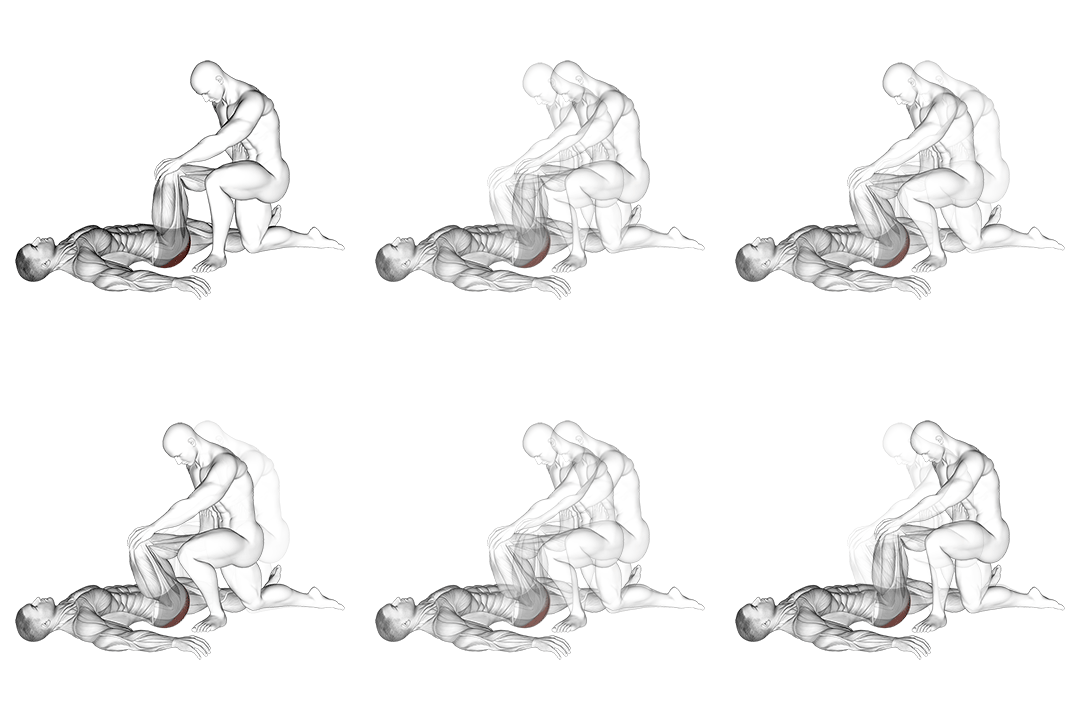
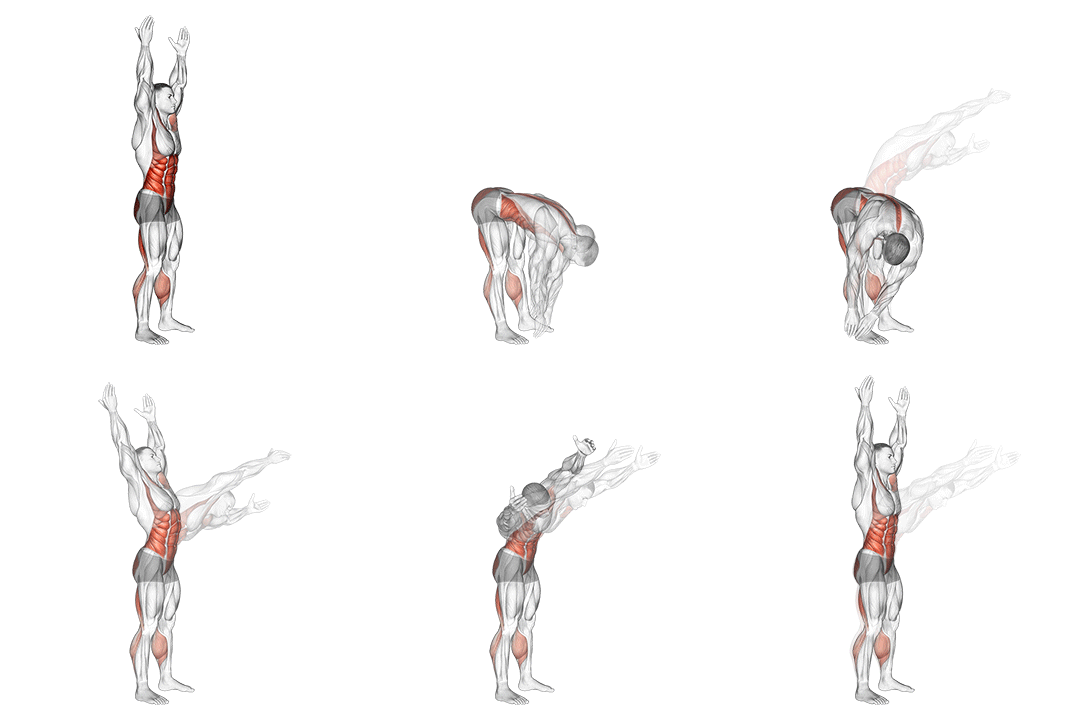
Assisted Lying Glutes Stretch

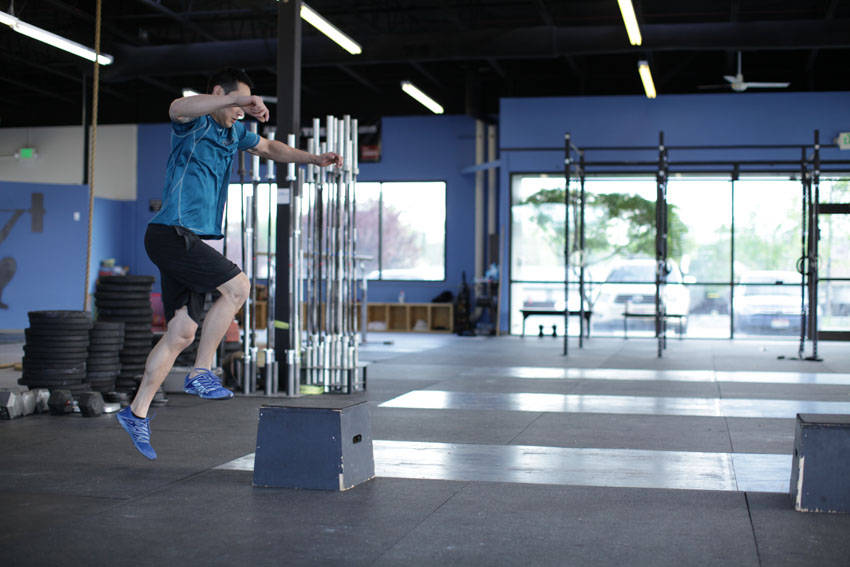
Box Jump (multiple Response)
Head-to-Head Comparison
| Attribute | Assisted Lying Glutes Stretch | Box Jump (multiple Response) |
|---|---|---|
| Target Muscle |
Glutes
|
Glutes
|
| Body Part |
Upper-legs
|
Upper-legs
|
| Equipment |
Band
|
Other
|
| Difficulty |
Beginner
|
Intermediate
|
| Movement Type |
Isolation
|
Compound
|
| Secondary Muscles |
1
|
5
|
Secondary Muscles Activated
Assisted Lying Glutes Stretch
Box Jump (multiple Response)
Visual Comparison
Overview
Assisted Lying Glutes Stretch vs Box Jump (Multiple Response) — you want clearer choices for training your glutes. I’ll walk you through how each move loads the glute muscles, which secondary muscles come into play, equipment needs, learning curve, and when to use each for muscle growth, strength, mobility, or home training. You’ll get technique cues, biomechanical reasoning about length-tension and force vectors, and practical rep or hold ranges so you can pick the right tool for your goals and program.
Key Differences
- Equipment differs: Assisted Lying Glutes Stretch uses Band, while Box Jump (multiple Response) requires Other.
- Assisted Lying Glutes Stretch is an isolation exercise, while Box Jump (multiple Response) is a compound movement.
- Difficulty levels differ: Assisted Lying Glutes Stretch is beginner, while Box Jump (multiple Response) is intermediate.
Pros & Cons
Assisted Lying Glutes Stretch
+ Pros
- Highly accessible — needs only a band and floor
- Isolates glutes and improves mind-muscle connection
- Useful for increasing hip extension range via length-tension positioning
- Low impact and low injury risk
− Cons
- Limited ability to produce high concentric force or power
- Lower absolute muscle activation unless band resistance is high
- Limited overload options compared to compound lifts
Box Jump (multiple Response)
+ Pros
- Develops explosive hip extension and rate of force development
- High glute and multi-muscle recruitment on takeoff and landing
- Easy to scale intensity by box height or added load
- Improves coordination and athletic transfer
− Cons
- Higher impact and injury risk with poor technique
- Requires specific equipment and safe surface
- Less isolation — harder to target glutes without quad dominance
When Each Exercise Wins
For targeted glute hypertrophy, isolation and controlled tension win. Use the stretch for pre-activation and band-loaded tempos (8–20 reps or 30–60 second holds) and then follow with heavy compound sets to apply progressive overload.
Box jumps increase rate of force development and transfer to maximal hip extension strength. Progressive increases in height or loaded jumps stimulate neural adaptations and force production that underlie strength improvements.
Beginners benefit from low-skill, low-impact drills that teach glute recruitment and range of motion. The assisted stretch builds activation without needing complex timing, landing mechanics, or high-impact forces.
A band and a floor are all you need, making it ideal for tight spaces and minimal equipment. Box jumps require a safe, stable platform and open vertical clearance, which many homes lack.
Frequently Asked Questions
What is the difference between Assisted Lying Glutes Stretch and Box Jump (multiple Response)?
Assisted Lying Glutes Stretch primarily targets the Glutes, while Box Jump (multiple Response) focuses on the Glutes. They also differ in equipment requirements: Assisted Lying Glutes Stretch uses Band, while Box Jump (multiple Response) requires Other.
Which is better: Assisted Lying Glutes Stretch or Box Jump (multiple Response)?
Neither exercise is universally better - it depends on your goals. Choose Assisted Lying Glutes Stretch to emphasize the Glutes. Choose Box Jump (multiple Response) for focus on the Glutes. Many training programs include both for balanced development.
Can I do Assisted Lying Glutes Stretch and Box Jump (multiple Response) in the same workout?
Yes, you can perform both exercises in the same workout. Since they target the same muscle group (Glutes), consider spacing them apart or doing them on different days for optimal recovery.
Which exercise is harder: Assisted Lying Glutes Stretch or Box Jump (multiple Response)?
Assisted Lying Glutes Stretch is rated as beginner difficulty, while Box Jump (multiple Response) is intermediate. Difficulty can vary based on your experience and the weight used.
Expert Verdict
Use the Assisted Lying Glutes Stretch when your priority is isolated glute activation, mobility, or low-impact work. It’s ideal for pre-activation, rehabilitation, and building mind-muscle connection with 8–20 rep sets or 30–90 second holds using band tension to scale. Choose Box Jump (Multiple Response) when you need power, athletic transfer, and high neural demand — progress via box height, reps of 3–6 for power, or loaded jumps. Be decisive: pick the stretch for control and accessibility, pick the box jump for force and sport-specific performance, and combine them smartly to cover both recruitment and power needs.
Also Compare
More comparisons with Assisted Lying Glutes Stretch
More comparisons with Box Jump (multiple Response)
Compare More Exercises
Use our free comparison tool to analyze any two exercises head-to-head.
Compare Exercises