

Assisted Parallel Close Grip Pull-up vs Dumbbell Bent Over Row: Complete Comparison Guide
Assisted Parallel Close Grip Pull-up vs Dumbbell Bent Over Row — you’re comparing two solid compound back moves that both target the lats but load the body differently. In this guide you’ll get clear technique cues, biomechanical differences (vertical vs horizontal pull, force vectors, torso angles), rep ranges for hypertrophy and strength, equipment needs, and which exercise suits your experience level. Read on so you can pick the best movement for your program and apply specific progressions and form cues right away.
Exercise Comparison
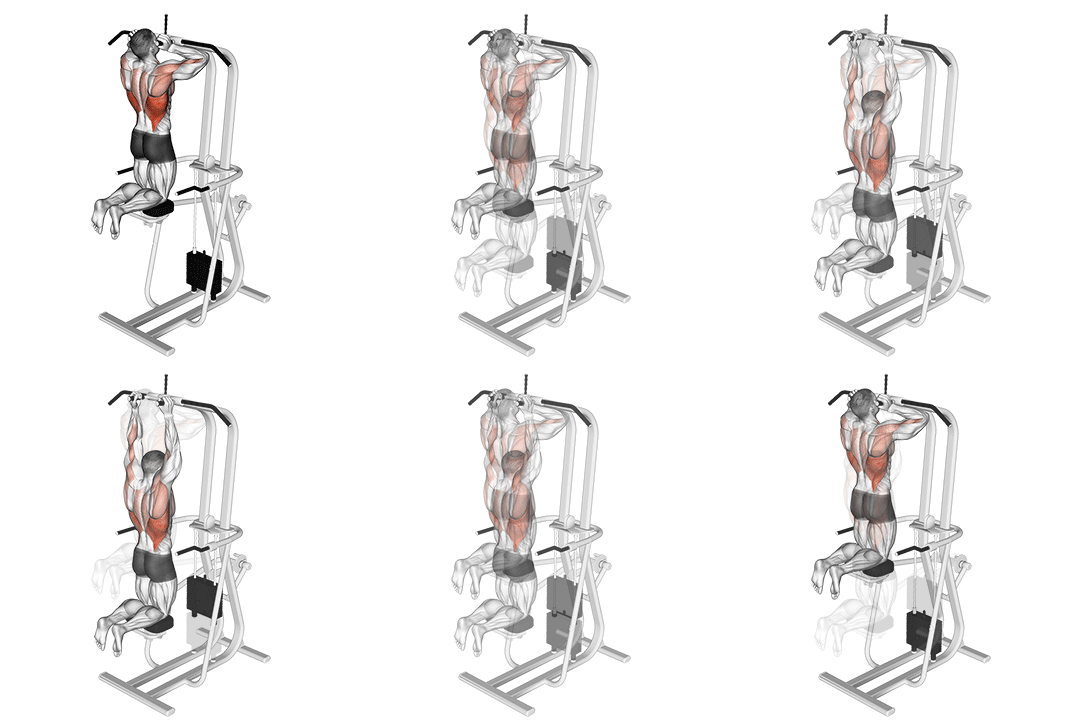
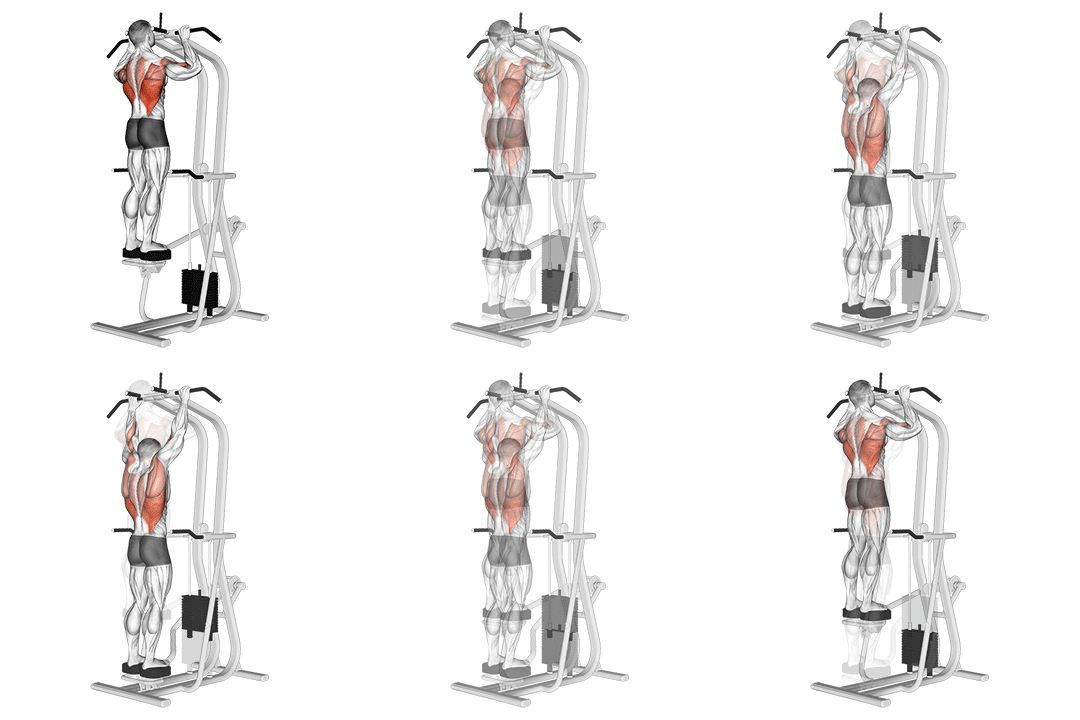
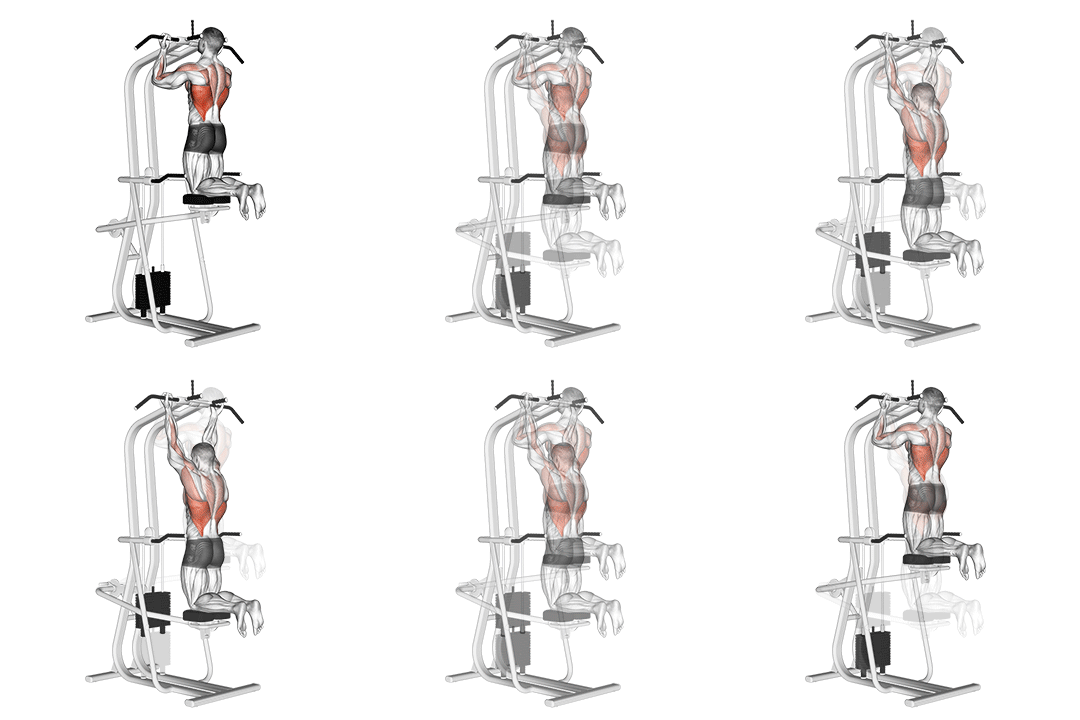
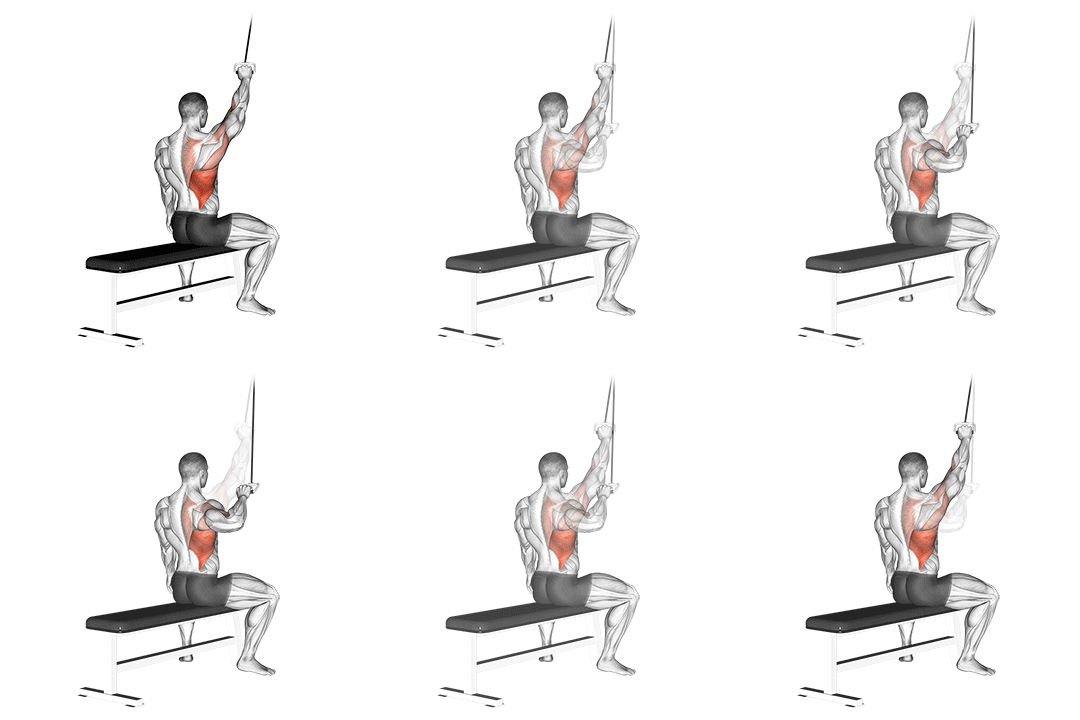
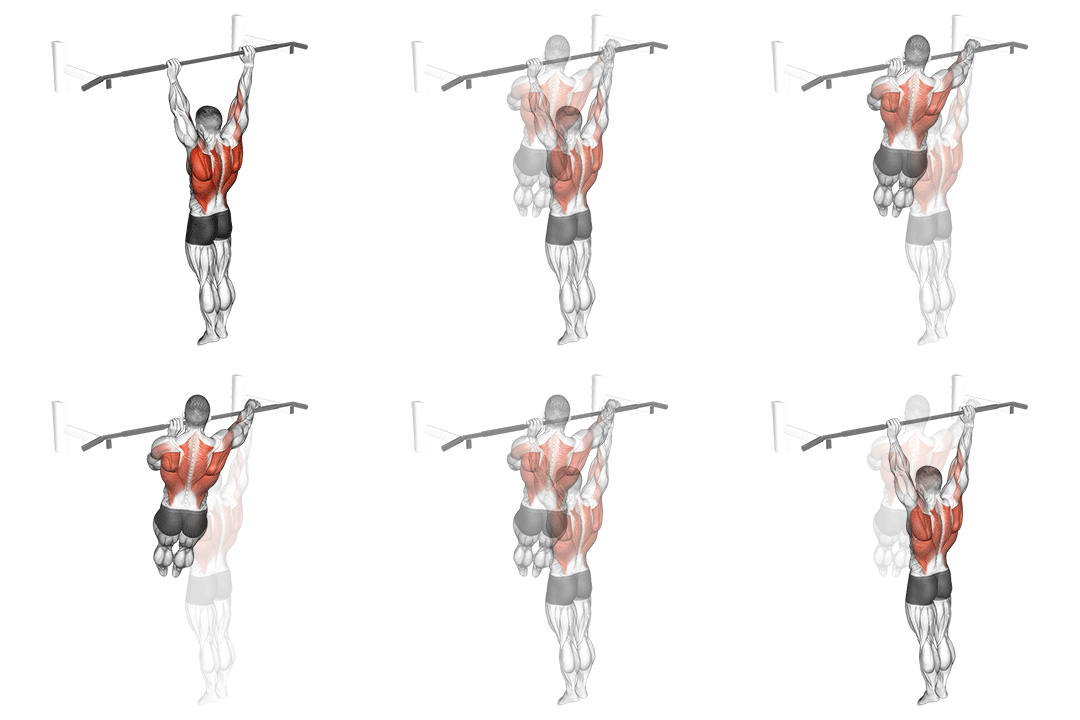
Assisted Parallel Close Grip Pull-up
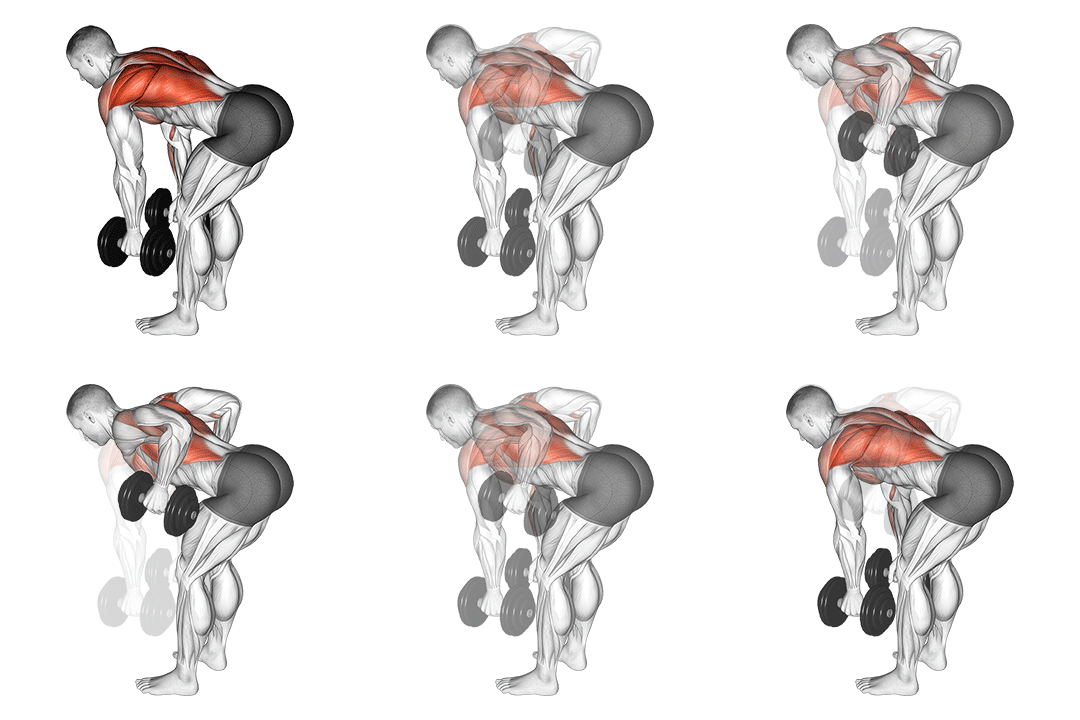
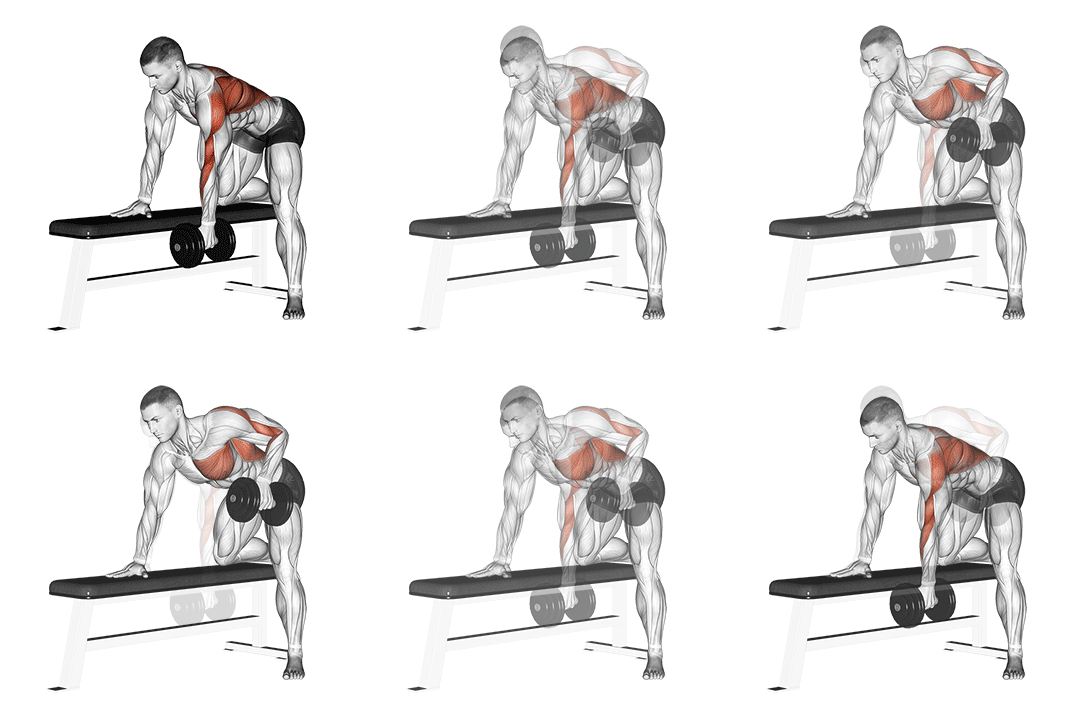
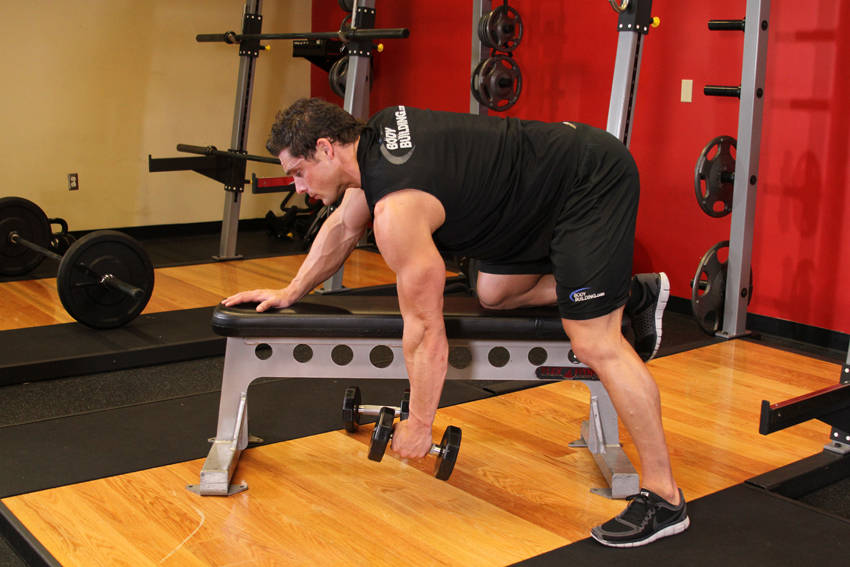
Dumbbell Bent Over Row
Head-to-Head Comparison
| Attribute | Assisted Parallel Close Grip Pull-up | Dumbbell Bent Over Row |
|---|---|---|
| Target Muscle |
Lats
|
Lats
|
| Body Part |
Back
|
Back
|
| Equipment |
Lever
|
Dumbbell
|
| Difficulty |
Beginner
|
Intermediate
|
| Movement Type |
Compound
|
Compound
|
| Secondary Muscles |
2
|
2
|
Secondary Muscles Activated
Assisted Parallel Close Grip Pull-up
Dumbbell Bent Over Row
Visual Comparison
Overview
Assisted Parallel Close Grip Pull-up vs Dumbbell Bent Over Row — you’re comparing two solid compound back moves that both target the lats but load the body differently. In this guide you’ll get clear technique cues, biomechanical differences (vertical vs horizontal pull, force vectors, torso angles), rep ranges for hypertrophy and strength, equipment needs, and which exercise suits your experience level. Read on so you can pick the best movement for your program and apply specific progressions and form cues right away.
Key Differences
- Equipment differs: Assisted Parallel Close Grip Pull-up uses Lever, while Dumbbell Bent Over Row requires Dumbbell.
- Difficulty levels differ: Assisted Parallel Close Grip Pull-up is beginner, while Dumbbell Bent Over Row is intermediate.
Pros & Cons
Assisted Parallel Close Grip Pull-up
+ Pros
- Beginner-friendly with adjustable assistance to build vertical pulling strength
- Strong lat stretch at top of movement promotes muscle growth via length-tension
- Neutral parallel grip reduces shoulder impingement risk compared to wide pronated grips
- Minimal spinal loading—good option if you have low-back sensitivity
− Cons
- Requires specialized lever/assist machine not always available at home
- Limited absolute overload compared to heavy free weights once assistance is removed
- Less emphasis on scapular retractors and posterior delts compared to horizontal rows
Dumbbell Bent Over Row
+ Pros
- Easy to load progressively and scale with small weight increments
- Stronger activation of scapular retractors, mid-traps, and posterior delts
- Works core and spinal erectors isometrically—good for overall posterior chain strength
- Highly accessible if you have dumbbells; multiple grip and tempo variations
− Cons
- Requires solid hip-hinge and bracing—technical errors increase low-back risk
- Horizontal force vector may be less effective at fully stretching the lower lat fibers
- Single-arm rows can create asymmetries if not programmed carefully
When Each Exercise Wins
Rows let you progressively load the lats and scapular retractors with heavier absolute weight and controlled tempos (6–12 reps for hypertrophy). The horizontal vector increases time-under-tension and lets you overload different lat fibers safely.
Rows support heavier loading and low-rep strength work (3–6 reps) while training torso stability. They’re easier to add micro-loads to and translate to greater pulling strength across rep ranges.
The lever-assisted pattern teaches vertical pulling and scapular control with low technical demand. Adjustable assistance lets you hit 6–12+ reps while building neural patterns for unassisted pull-ups.
Most home setups include dumbbells but not an assisted pull-up machine. Rows provide a full back stimulus with minimal equipment and multiple progressions (tempo, unilateral, heavier dumbbells).
Frequently Asked Questions
Can I do both Assisted Parallel Close Grip Pull-up and Dumbbell Bent Over Row in the same workout?
Yes. Pairing a vertical pull (assisted pull-up) with a horizontal pull (dumbbell row) in the same session creates balanced stimulus for the lats and scapular muscles. Start with the technique-demanding or heavier movement first (usually rows for load), then use assisted pull-ups for volume or technique work.
Which exercise is better for beginners?
Assisted Parallel Close Grip Pull-up is generally better for beginners because the machine controls load and lets you focus on scapular control and full-range vertical pulling. Bent-over rows require a reliable hip hinge and bracing, which take more practice to do safely.
How do the muscle activation patterns differ?
Vertical pulls lengthen the lats more at the top and emphasize humeral extension; activation peaks through the mid-range of the pull. Horizontal rows increase scapular retraction and mid-trap posterior deltoid activity, shifting some peak lat load earlier in the concentric due to the torso hinge and force vector.
Can Dumbbell Bent Over Row replace Assisted Parallel Close Grip Pull-up?
It can substitute when no pull-up machine is available, but it won’t fully replace the vertical stretch and shoulder mechanics of a pull-up. For balanced development, include at least one vertical and one horizontal pull each week or progress the assisted pull-up toward unassisted versions.
Expert Verdict
Use the assisted parallel close-grip pull-up as your go-to early-stage vertical pull: it teaches scapular depression, builds biceps-lat coordination, and keeps spinal load low while you develop pull mechanics. Transition to unassisted pull-ups as assistance drops. Use the dumbbell bent-over row when your priority is progressive overload, mid-back thickness, and core-braced strength. Program both if possible—alternate vertical and horizontal pulls across sessions (e.g., pull-up variation one day, heavy rows another) to cover full lat fiber recruitment and improve overall back development and posture.
Also Compare
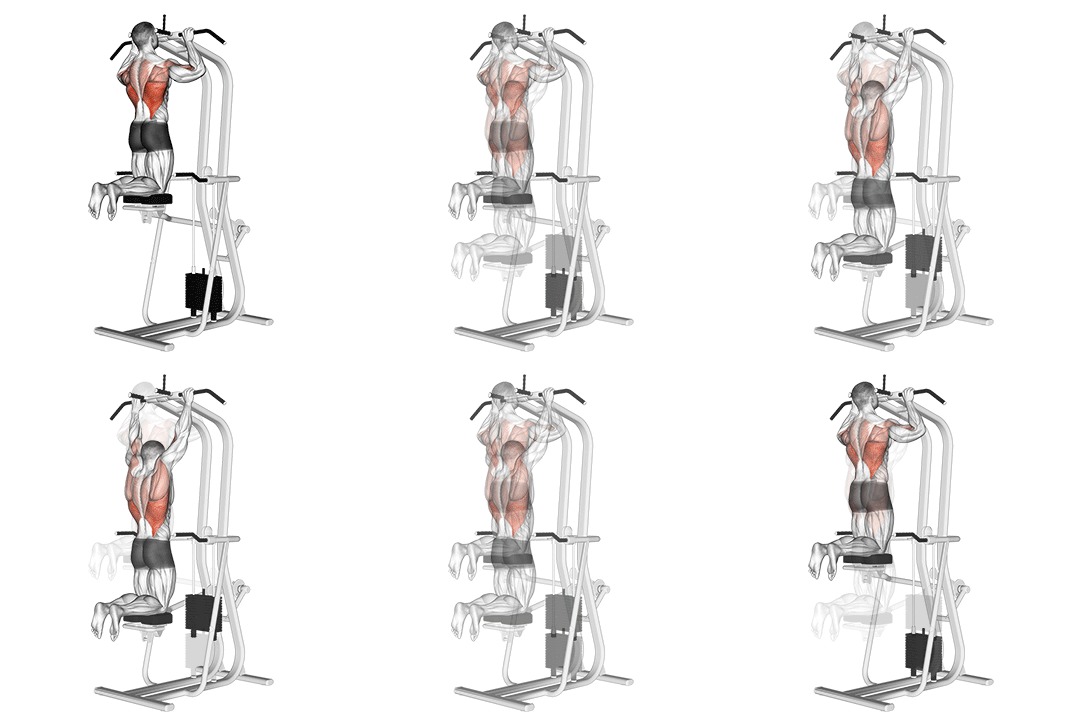
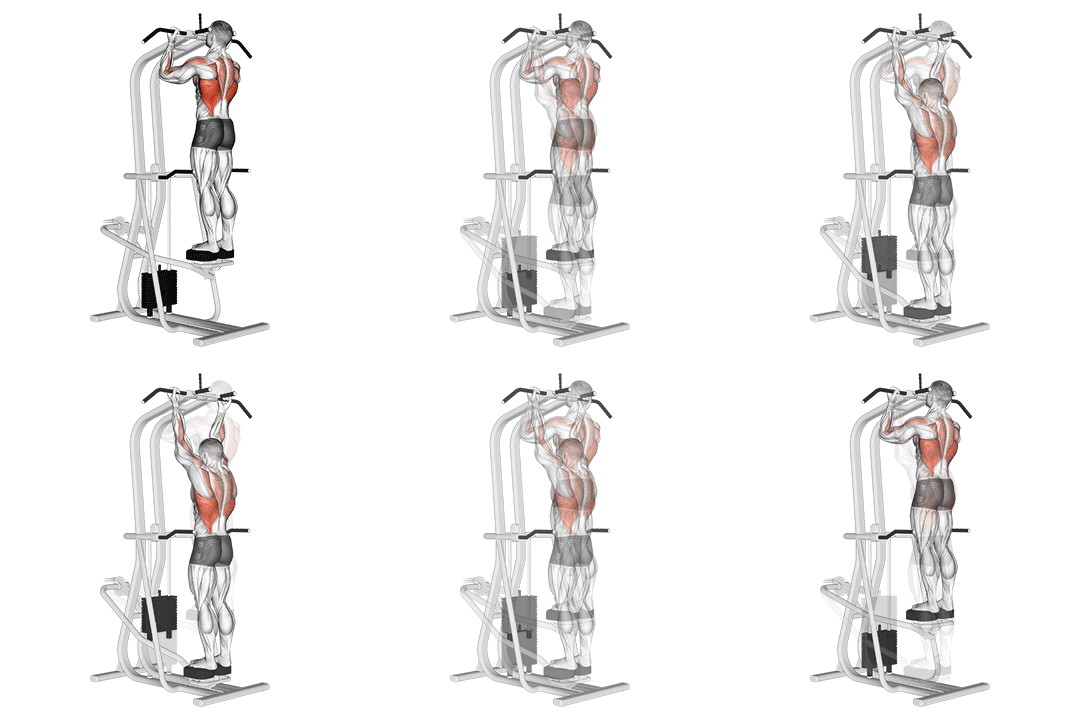
More comparisons with Assisted Parallel Close Grip Pull-up
More comparisons with Dumbbell Bent Over Row
Compare More Exercises
Use our free comparison tool to analyze any two exercises head-to-head.
Compare Exercises