

Assisted Pull-up vs Dumbbell Bent Over Row: Complete Comparison Guide
Assisted Pull-up vs Dumbbell Bent Over Row — if you want a stronger, wider back you need to pick the right tool. In this guide I’ll walk you through how each move loads the lats, which secondary muscles pick up the work, and the biomechanics that dictate range of motion and tension. You’ll get clear technique cues, rep ranges for hypertrophy and strength (6–12 and 3–6 reps respectively), equipment needs, and which exercise to use based on your goal and training environment.
Exercise Comparison
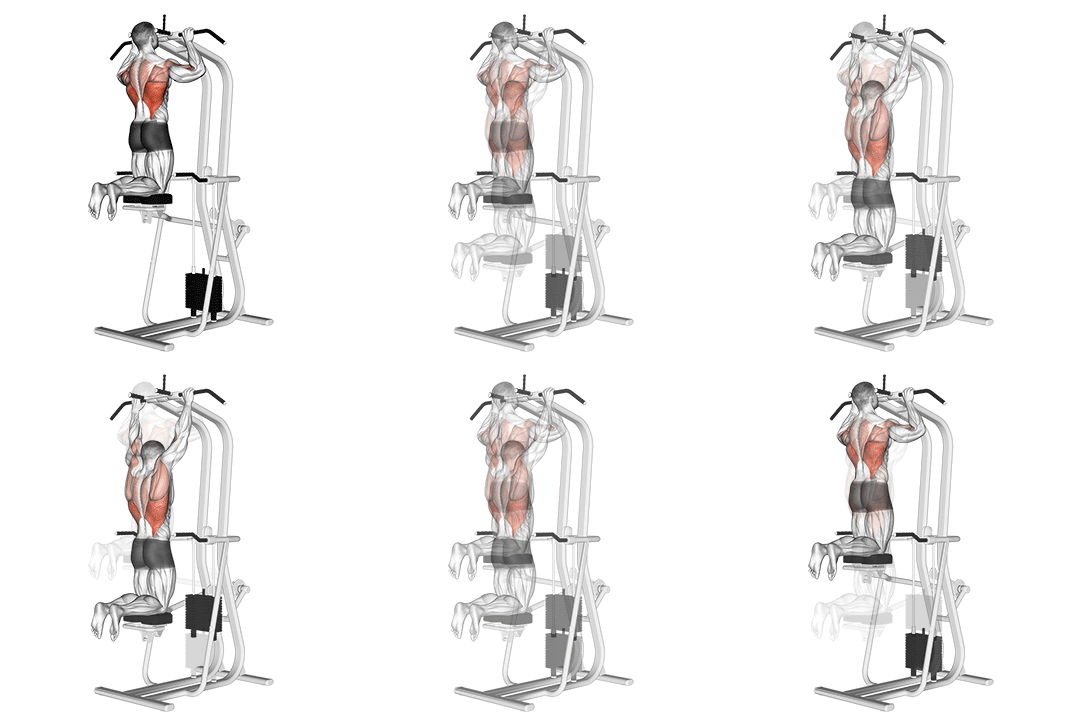
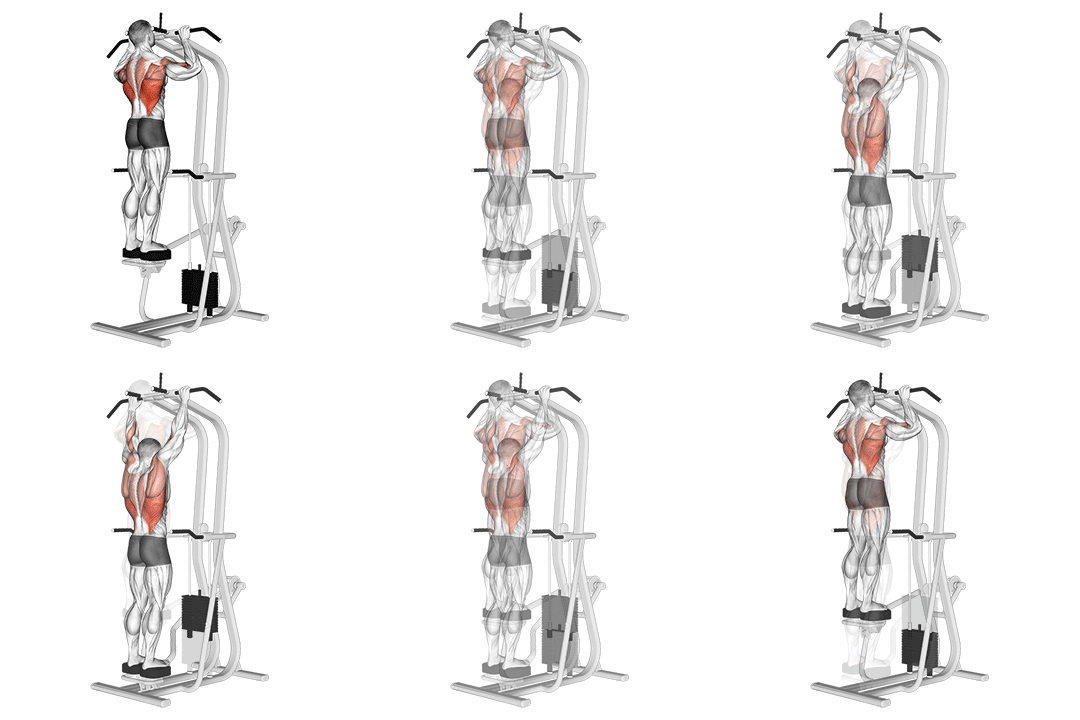
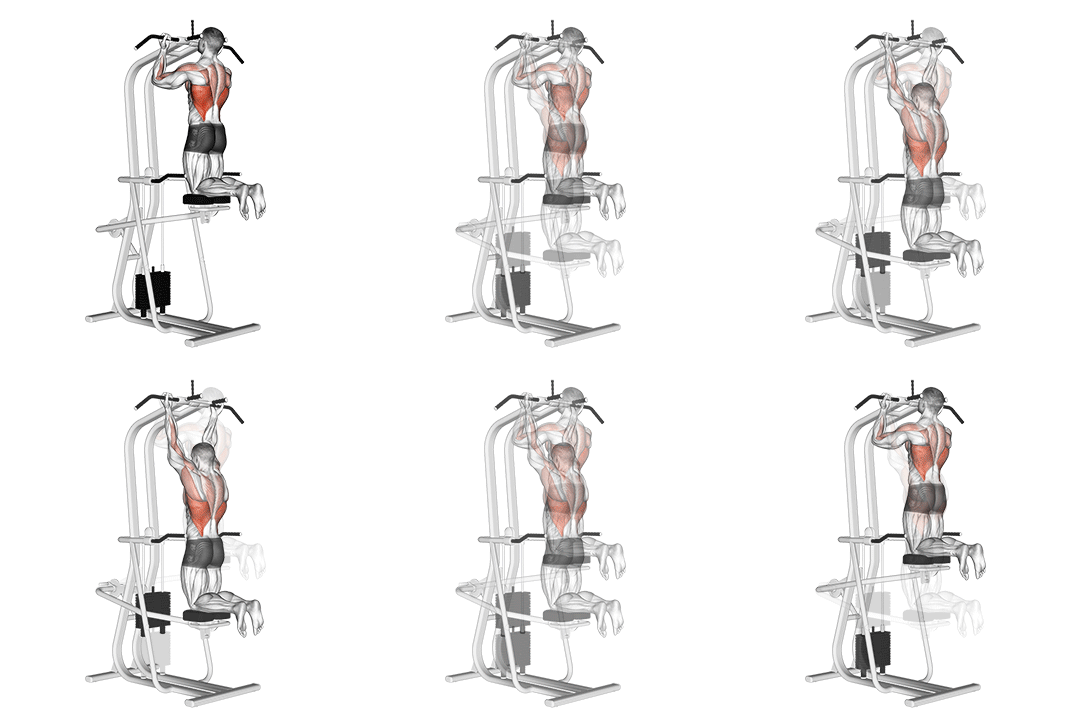
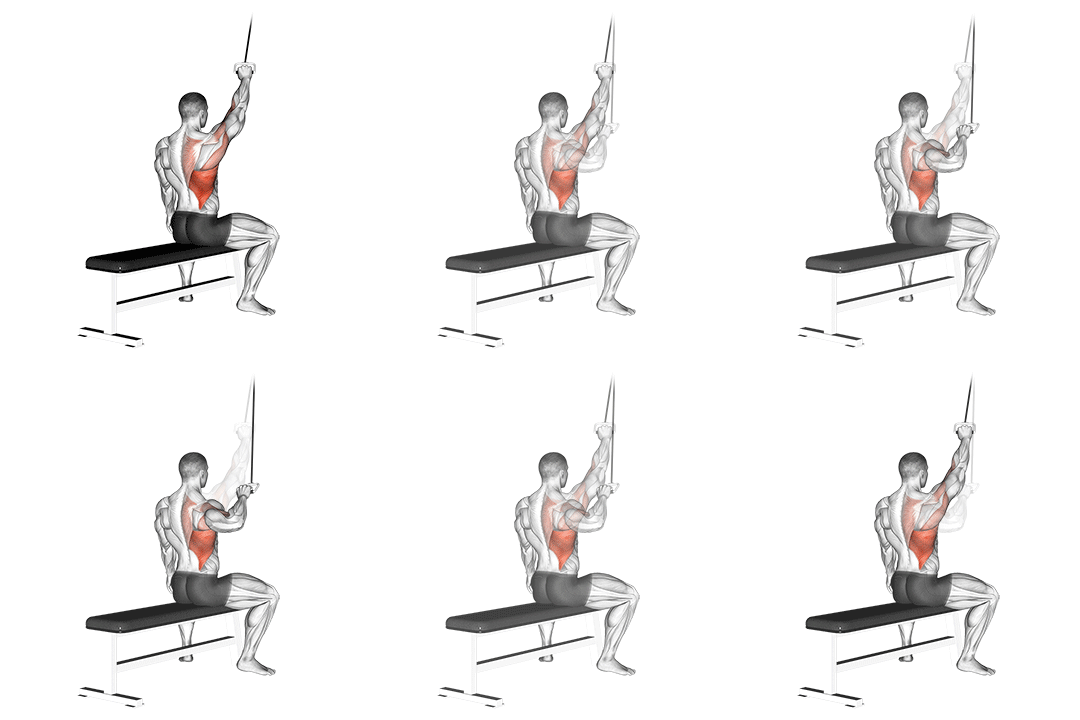
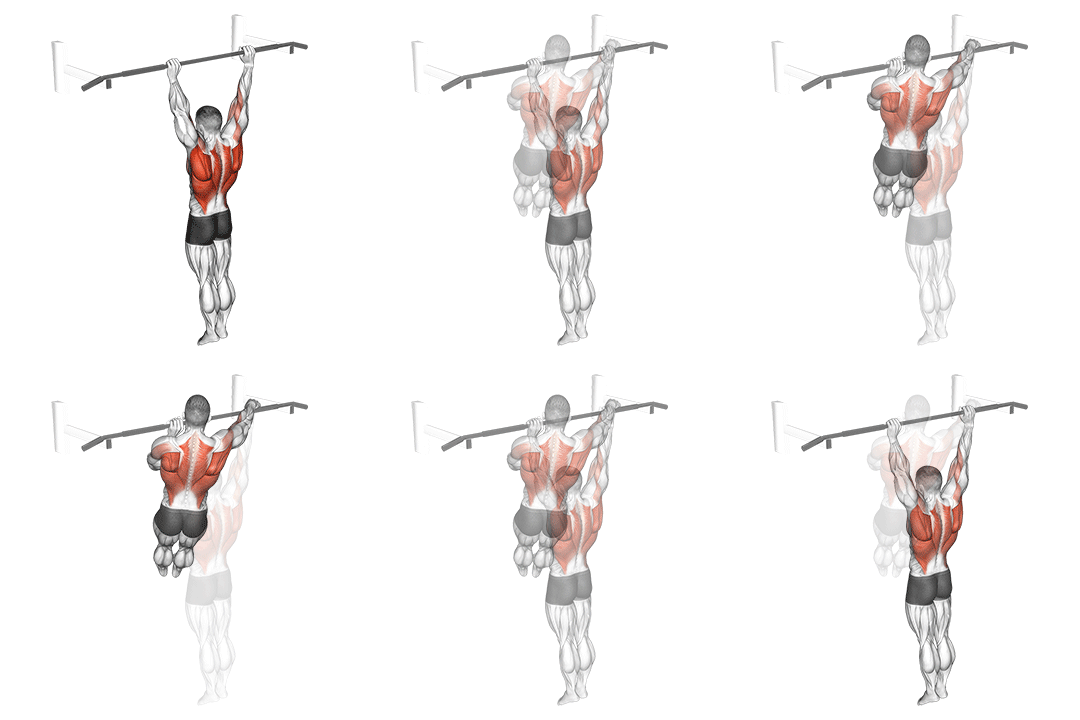
Assisted Pull-up
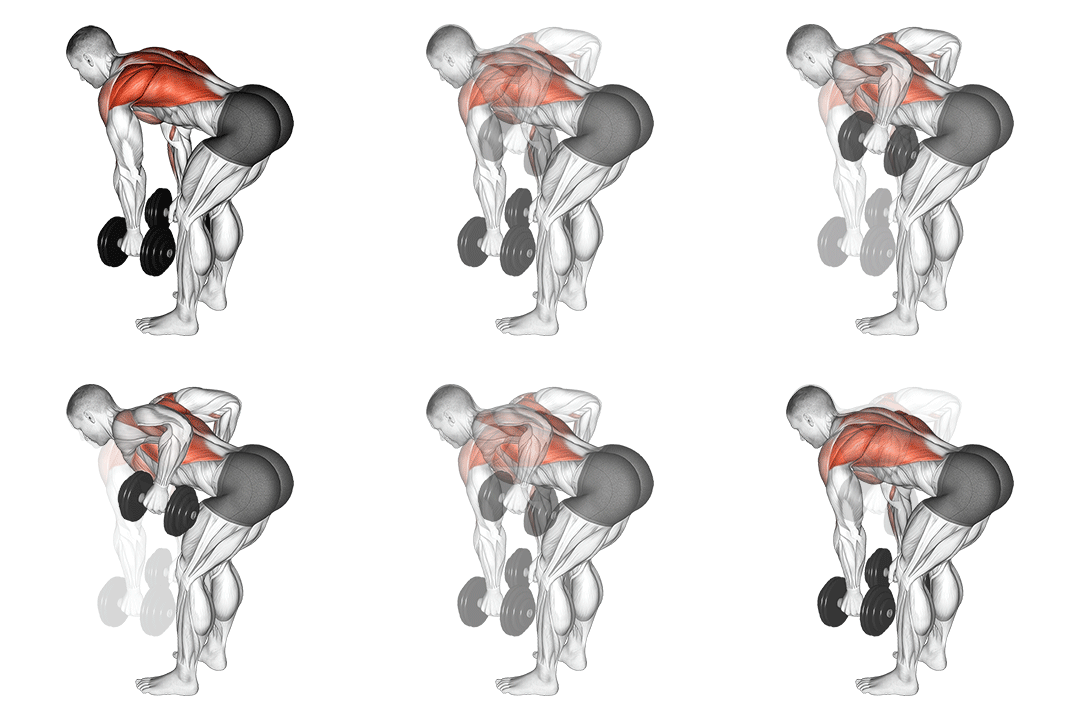
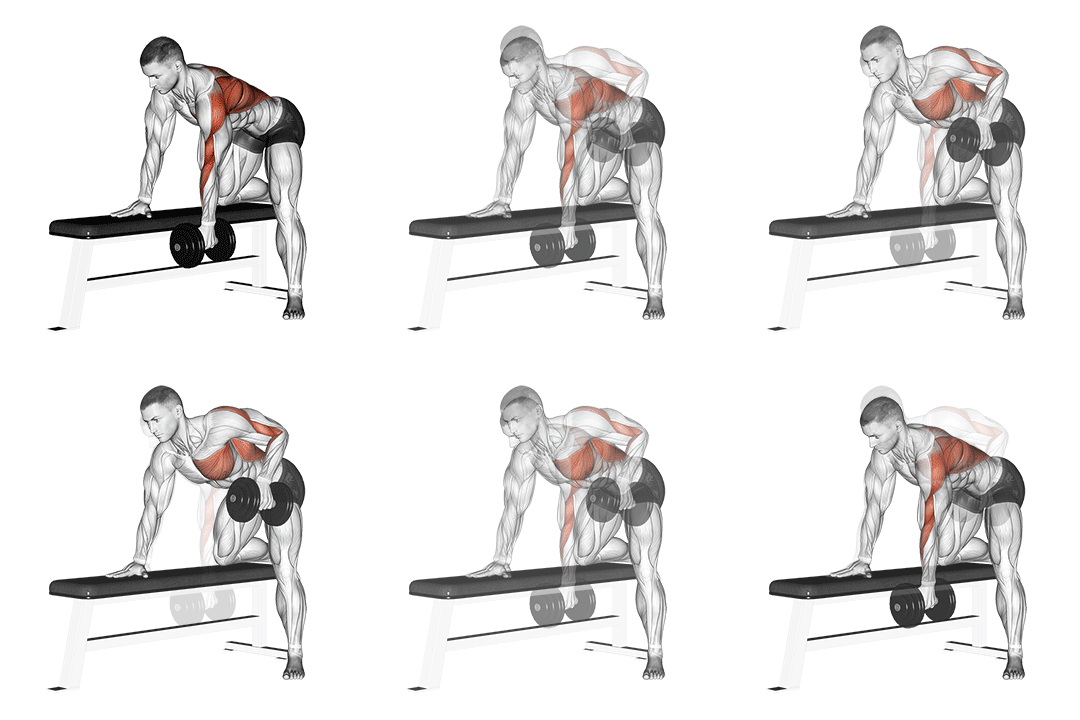
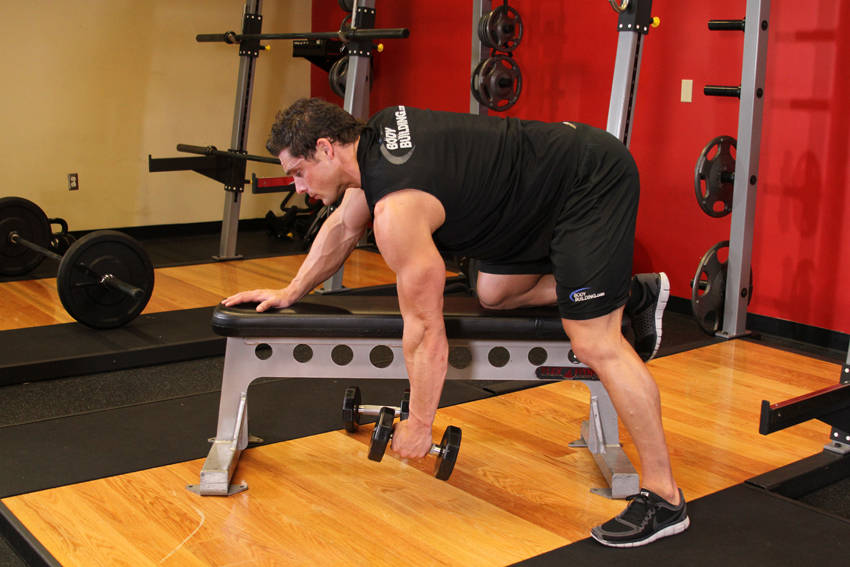
Dumbbell Bent Over Row
Head-to-Head Comparison
| Attribute | Assisted Pull-up | Dumbbell Bent Over Row |
|---|---|---|
| Target Muscle |
Lats
|
Lats
|
| Body Part |
Back
|
Back
|
| Equipment |
Lever
|
Dumbbell
|
| Difficulty |
Beginner
|
Intermediate
|
| Movement Type |
Compound
|
Compound
|
| Secondary Muscles |
2
|
2
|
Secondary Muscles Activated
Assisted Pull-up
Dumbbell Bent Over Row
Visual Comparison
Overview
Assisted Pull-up vs Dumbbell Bent Over Row — if you want a stronger, wider back you need to pick the right tool. In this guide I’ll walk you through how each move loads the lats, which secondary muscles pick up the work, and the biomechanics that dictate range of motion and tension. You’ll get clear technique cues, rep ranges for hypertrophy and strength (6–12 and 3–6 reps respectively), equipment needs, and which exercise to use based on your goal and training environment.
Key Differences
- Equipment differs: Assisted Pull-up uses Lever, while Dumbbell Bent Over Row requires Dumbbell.
- Difficulty levels differ: Assisted Pull-up is beginner, while Dumbbell Bent Over Row is intermediate.
Pros & Cons
Assisted Pull-up
+ Pros
- Scalable assistance removes 10–100% of bodyweight so beginners can train full ROM
- Vertical pull offers large lat stretch at bottom and strong chin-over-bar overload
- Less spinal loading than heavy bent-over rows
- Teaches the motor pattern for unassisted pull-ups and climbing strength
− Cons
- Requires a lever or assisted machine (less accessible at home)
- Limited absolute loading compared to heavy free-weight rows
- Can stress shoulders/elbows if scapular control is poor
Dumbbell Bent Over Row
+ Pros
- Easily progressive with heavier dumbbells and small increments (2.5–10% load increases)
- Highly accessible for home and commercial gyms with minimal equipment
- Allows unilateral variations to fix imbalances and increase time under tension
- Greater absolute overload potential for strength and muscle growth
− Cons
- Requires solid hip hinge and lumbar stability — technique errors increase injury risk
- Horizontal vector reduces the full vertical stretch lats get in a pull-up
- More core and lower-back demand, which can limit reps if core is weak
When Each Exercise Wins
Rows allow heavier absolute loading and more precise progressive overload (add 2.5–10% increments), and time under tension can be manipulated with tempo. For 6–12 rep hypertrophy blocks, rows give better control over load and volume.
You can progressively overload rows with heavier dumbbells or barbell variants to build maximal strength. The horizontal pull transfers well to heavy deadlift-assisted posterior chain strength and allows low-rep (3–6) phases.
Assistance lets you practice full ROM vertical pulling while removing a precise percentage of bodyweight (10–100%), making it easier to build coordination and lat activation before advancing to unassisted pull-ups.
Dumbbells are more commonly available at home than a lever-assisted machine. One dumbbell or kettlebell is enough to perform high-quality rows and progress over time.
Frequently Asked Questions
Can I do both Assisted Pull-up and Dumbbell Bent Over Row in the same workout?
Yes — pairing them is smart. Do heavier rows early if you want max strength (3–6 reps), then finish with assisted pull-ups for volume and technique practice (6–12 reps) to hit the lats from both vectors without excessive fatigue to the low back.
Which exercise is better for beginners?
Assisted Pull-ups are better for most beginners because adjustable assistance lets you practice full ROM and build scapular control while removing a specific percent of bodyweight, making progression predictable.
How do the muscle activation patterns differ?
Assisted Pull-ups are a vertical pull emphasizing shoulder adduction and lat stretch at the bottom; dumbbell rows are a horizontal pull with a fixed hip-hinge angle (30–45°) that shifts some demand to posterior deltoids and lumbar stabilizers while keeping lats under tension through the row.
Can Dumbbell Bent Over Row replace Assisted Pull-up?
It can replace pull-ups for building lat size and strength if you lack a pull-up station, but it won’t fully replicate the vertical pulling pattern or the long-axis stretch. Use rows for overload and pull-ups for specificity when possible.
Expert Verdict
Use Assisted Pull-ups when you need to train the vertical pull pattern, improve full-range lat stretch, and build the motor skill for unassisted pull-ups—start with 6–12 controlled reps, reduce assistance over weeks, and add slow eccentrics (3–4 seconds) to build tension. Choose Dumbbell Bent Over Rows when your goal is progressive overload and muscle growth or when you train at home; hinge at 30–45°, keep a neutral spine, and use 6–12 reps for hypertrophy or 3–6 for strength phases. Both moves complement each other: combine them across a week — rows for load, pull-ups for specificity and long-axis tension.
Also Compare
More comparisons with Assisted Pull-up
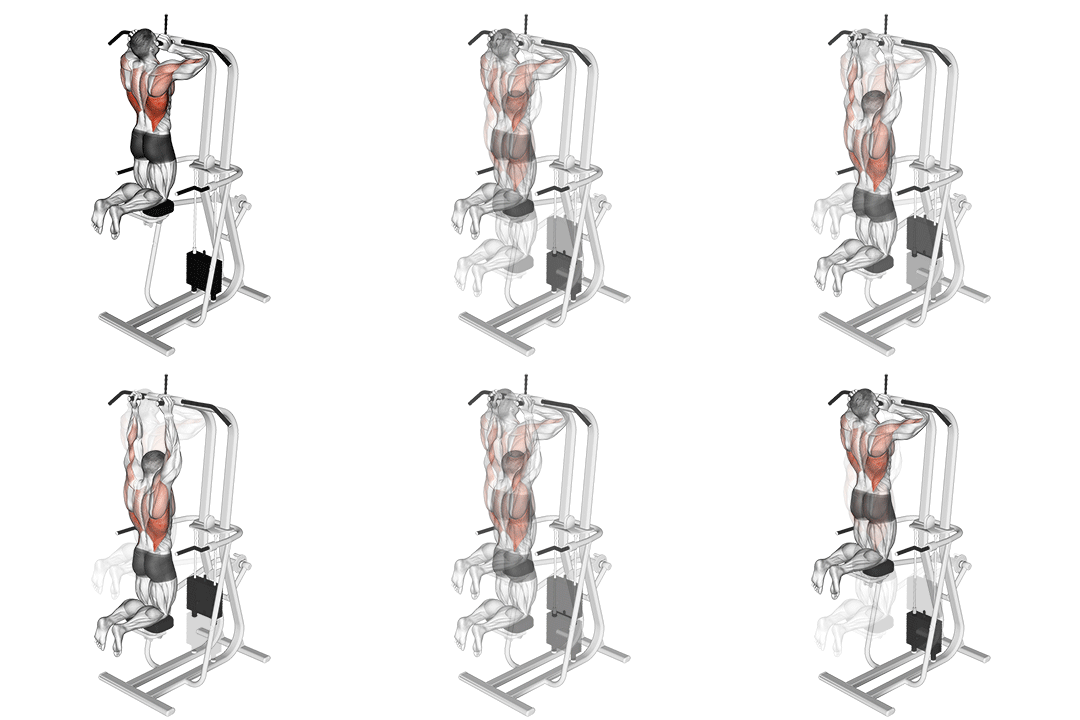
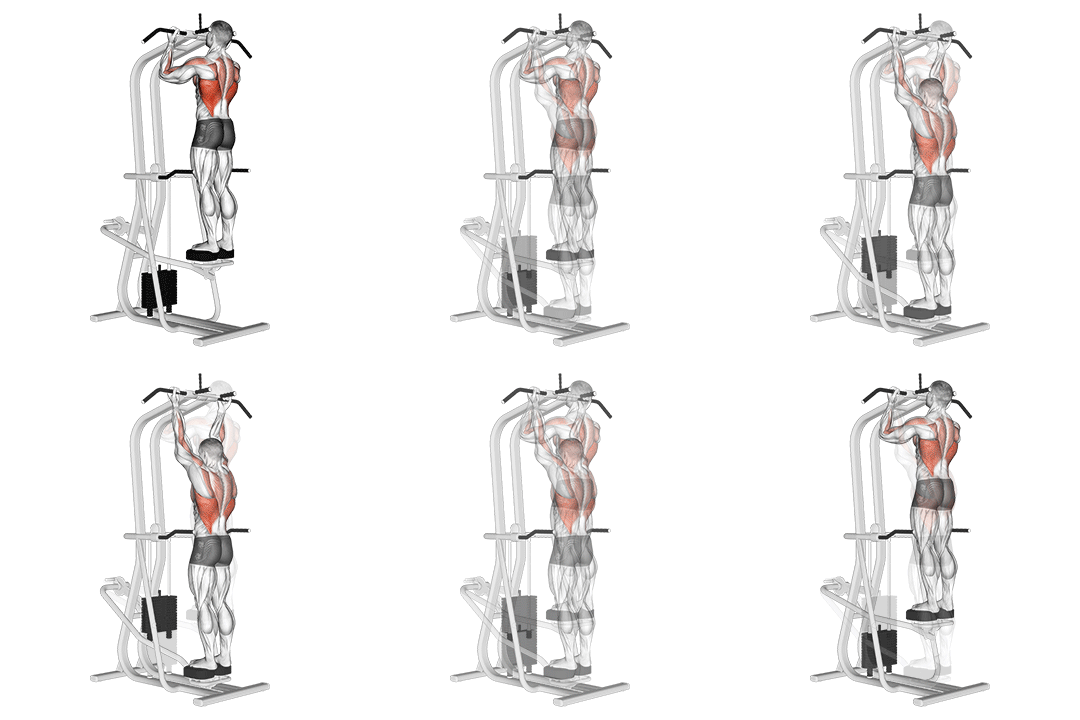
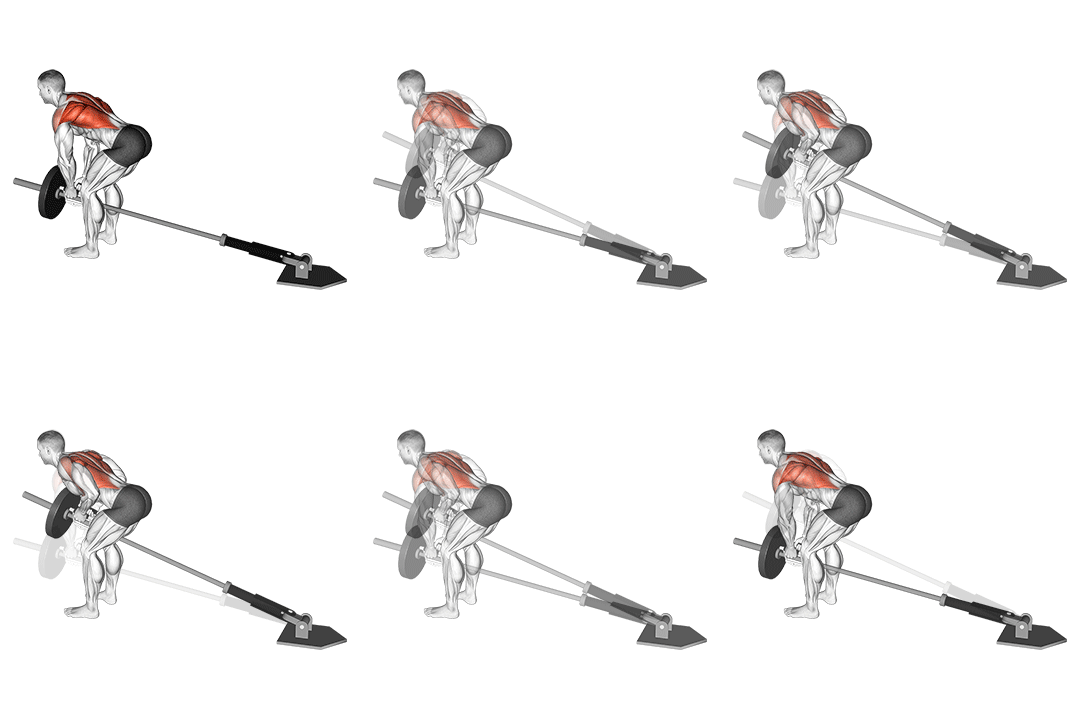
More comparisons with Dumbbell Bent Over Row
Compare More Exercises
Use our free comparison tool to analyze any two exercises head-to-head.
Compare Exercises