

Atlas Stone Trainer vs Atlas Stones: Complete Comparison Guide
Atlas Stone Trainer vs Atlas Stones — if you lift heavy odd objects you want to pick the tool that matches your goals. You’ll get a direct comparison of how each affects your lower back and posterior chain, which secondary muscles light up, what gear you need, and how to progress safely. I’ll cover biomechanics, technique cues (hip hinge, lap position, torso angle), rep ranges for strength and hypertrophy, and clear winner scenarios so you can choose the right implement for strength, muscle growth, or training at home.
Exercise Comparison
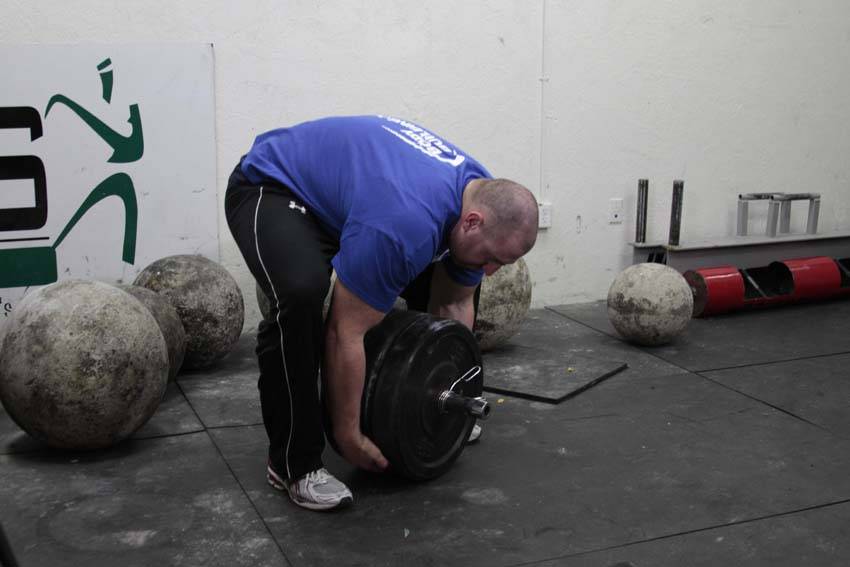
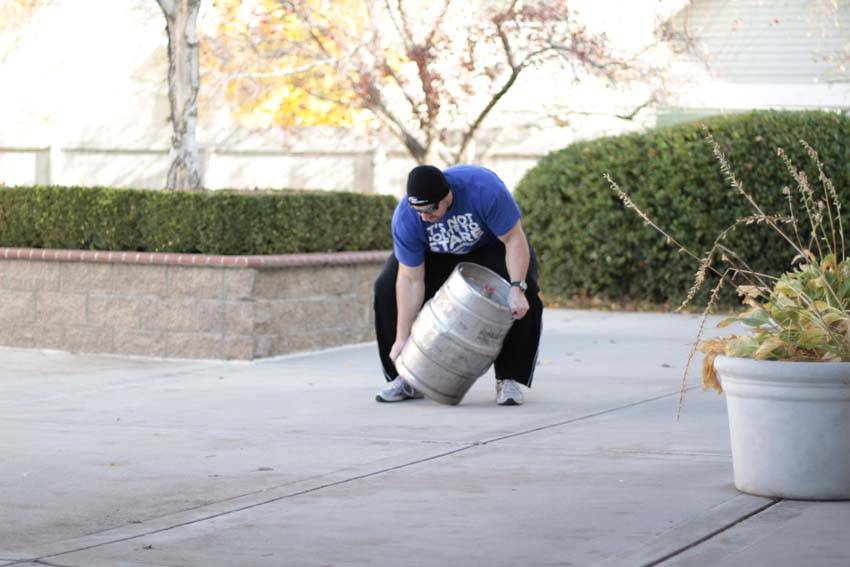
Atlas Stone Trainer
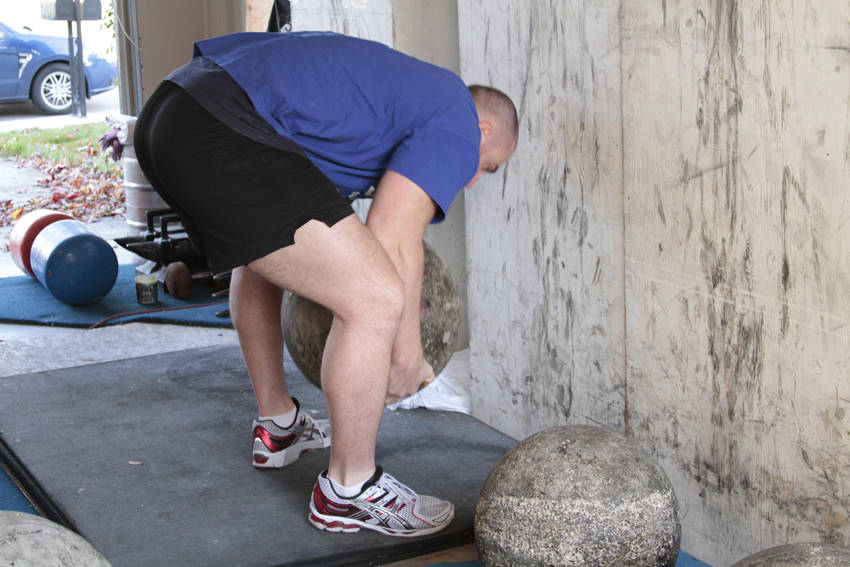
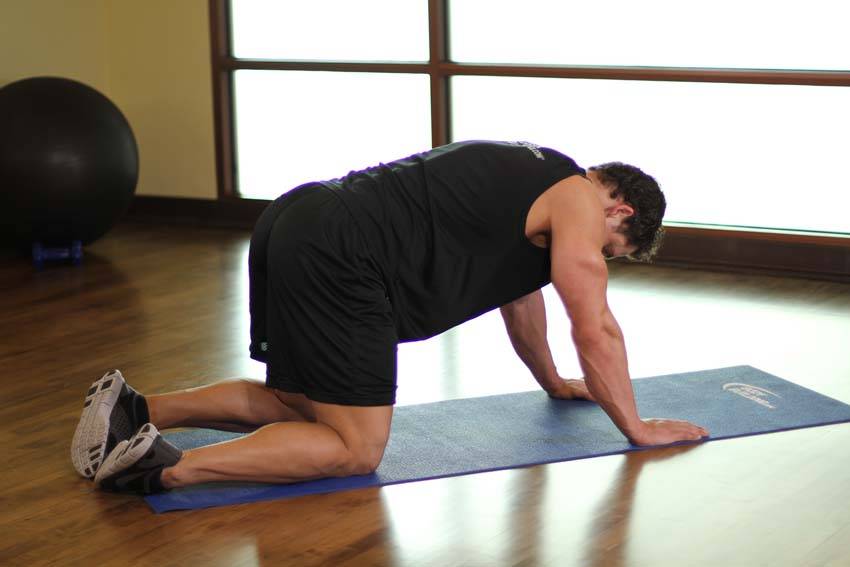
Atlas Stones
Head-to-Head Comparison
| Attribute | Atlas Stone Trainer | Atlas Stones |
|---|---|---|
| Target Muscle |
Lower-back
|
Lower-back
|
| Body Part |
Back
|
Back
|
| Equipment |
Other
|
Other
|
| Difficulty |
Advanced
|
Advanced
|
| Movement Type |
Compound
|
Compound
|
| Secondary Muscles |
5
|
10
|
Secondary Muscles Activated
Atlas Stone Trainer
Atlas Stones
Visual Comparison
Overview
Atlas Stone Trainer vs Atlas Stones — if you lift heavy odd objects you want to pick the tool that matches your goals. You’ll get a direct comparison of how each affects your lower back and posterior chain, which secondary muscles light up, what gear you need, and how to progress safely. I’ll cover biomechanics, technique cues (hip hinge, lap position, torso angle), rep ranges for strength and hypertrophy, and clear winner scenarios so you can choose the right implement for strength, muscle growth, or training at home.
Key Differences
- Both exercises target the Lower-back using Other. The main differences are in their movement patterns and muscle activation angles.
Pros & Cons
Atlas Stone Trainer
+ Pros
- More predictable contact surface reduces balance errors and allows cleaner reps
- Easier to store and set up in limited spaces
- Better for teaching hip-hinge timing and lap technique with less maximal mass
- Strong emphasis on posterior chain while still developing forearm and biceps endurance
− Cons
- May cap maximal load compared to real stones
- Slightly less carryover to real-world awkward stone lifting events
- Some trainers lack the full-body instability stimulus that challenges core adductors
Atlas Stones
+ Pros
- Highest transfer to strongman events and real-world odd-object lifting
- Engages a wider array of stabilizers (abdominals, adductors, middle back, traps)
- Unlimited progression by moving to heavier spheres
- Teaches raw force production under an awkward, anterior load vector
− Cons
- Requires more equipment, space, and often specialized storage
- Higher technical barrier and greater acute injury risk if form breaks down
- Heavier stones demand tacky and extra assistance for safe handling
When Each Exercise Wins
Atlas Stones recruit more stabilizers and allow longer time under tension for the trunk and hips across varied ranges, making them better for stimulating hypertrophy across the posterior chain and core in the 6–12 rep range.
Because you can incrementally move to much heavier spheres and practice maximal lifts (1–5 reps), Atlas Stones provide a superior overload stimulus and neural adaptation for absolute strength.
The Trainer gives a more consistent contact surface and controlled load, so you can learn the hip hinge, lap position, and bracing with lower unpredictability before advancing to awkward stones.
A single trainer implement is easier to store and set up at home and typically requires less space and no dolly, making consistent practice more practical.
Frequently Asked Questions
Can I do both Atlas Stone Trainer and Atlas Stones in the same workout?
Yes — a smart approach is technical first: start with the trainer for warm-up sets and technique (2–4 sets of 3–6 reps), then move to heavier stone work for low-rep strength (1–5 reps). Keep total heavy volume low to avoid cumulative lumbar fatigue.
Which exercise is better for beginners?
Atlas Stone Trainer is better for beginners because it reduces unpredictability and allows you to practice the lap, bracing, and hip-hinge without maximal awkward mass. Spend several sessions building technique before advancing to real stones.
How do the muscle activation patterns differ?
Both drive strong erector spinae and hip extensors, but Atlas Stones increase abdominal and adductor activation due to the anterior load and the need to stabilize the round mass. The trainer produces steadier forearm and biceps isometrics while allowing a more consistent eccentric-lift profile for the lower back.
Can Atlas Stones replace Atlas Stone Trainer?
Yes for strength-specific goals: real stones can replace the trainer if you have the space, equipment, and coaching. For technique teaching, progression control, or home training, the trainer is often a superior first step before transitioning to full stones.
Expert Verdict
If your priority is maximal strength and sport-specific transfer (strongman, odd-object lifts), go with Atlas Stones: they let you move heavier loads, force neural adaptations, and train stabilizers under an awkward anterior vector. If you want to learn the movement, train at home, or emphasize safer technical development with consistent contact, the Atlas Stone Trainer is the better choice. Program both if possible: use the trainer to build technique, then cycle in real stones for heavy, low-rep strength blocks and hypertrophy phases (6–12 reps). Always prioritize hip-hinge mechanics, brace the core, and progress volume by 5–10% per week to limit injury risk.
Also Compare
More comparisons with Atlas Stone Trainer
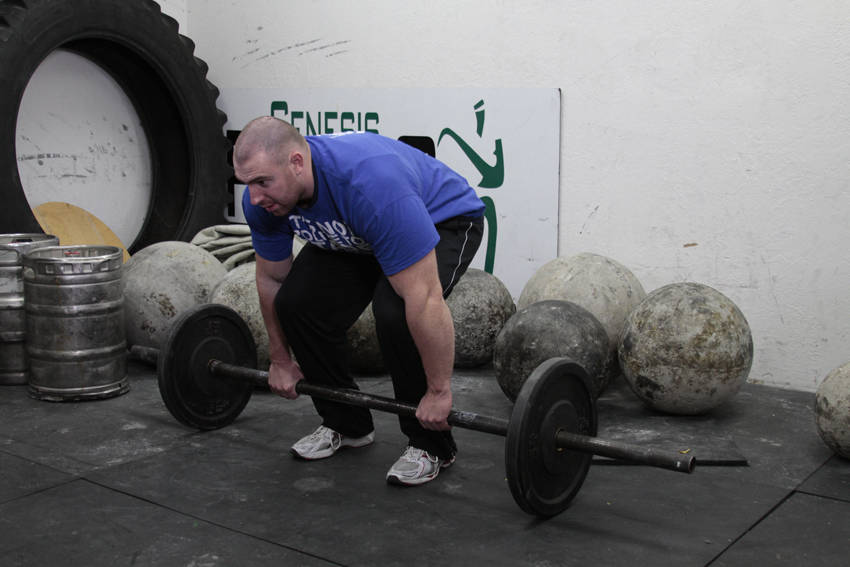
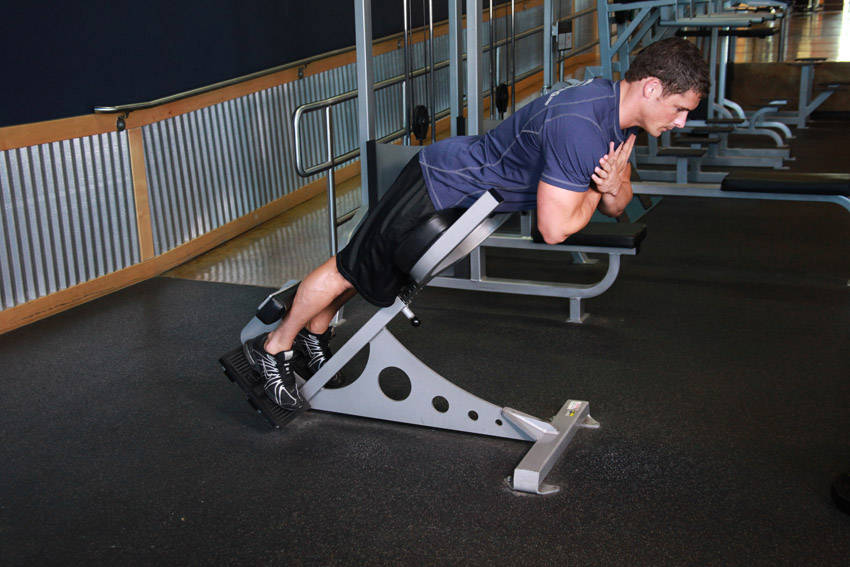
Compare More Exercises
Use our free comparison tool to analyze any two exercises head-to-head.
Compare Exercises