

Atlas Stone Trainer vs Axle Deadlift: Complete Comparison Guide
Atlas Stone Trainer vs Axle Deadlift puts two heavy, advanced back builders head-to-head so you can choose smartly. I’ll walk you through how each loads the lower-back and posterior chain, the secondary muscle recruitment (forearms, traps, glutes, hamstrings), equipment needs, technical cues, and programming recommendations. You’ll get clear comparisons of biomechanics — force vectors, hip hinge angles, and length-tension relationships — plus rep ranges (1–5 for maximal strength, 6–12 for muscle growth) and progression strategies. Read on and you’ll know which to use for strength cycles, hypertrophy blocks, or strongman-specific training.
Exercise Comparison
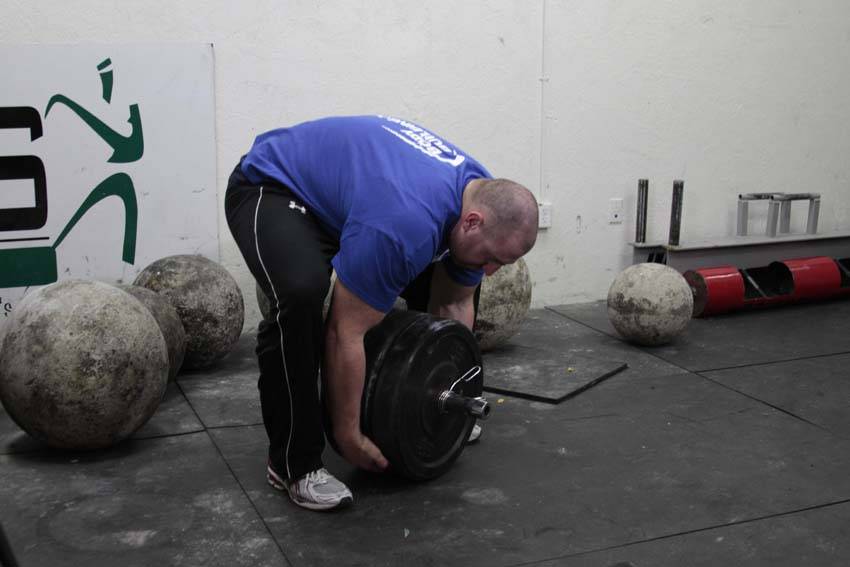
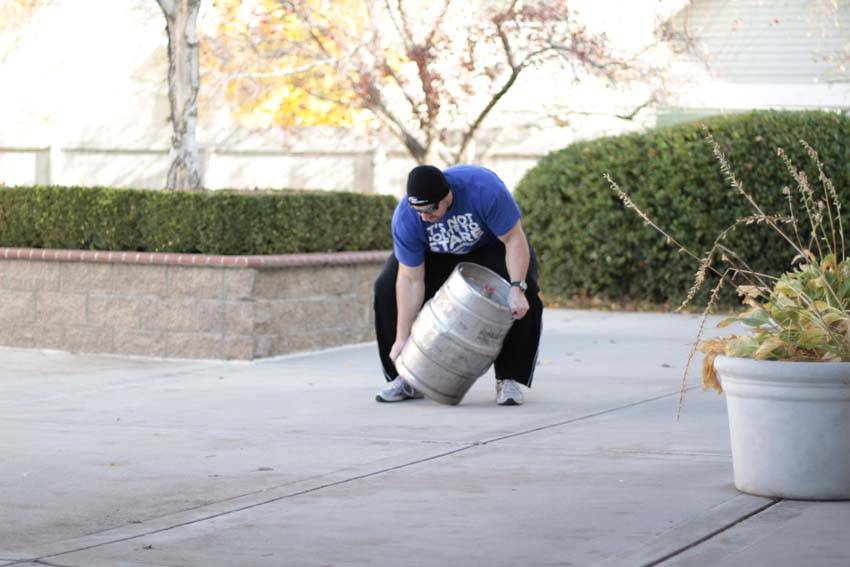
Atlas Stone Trainer
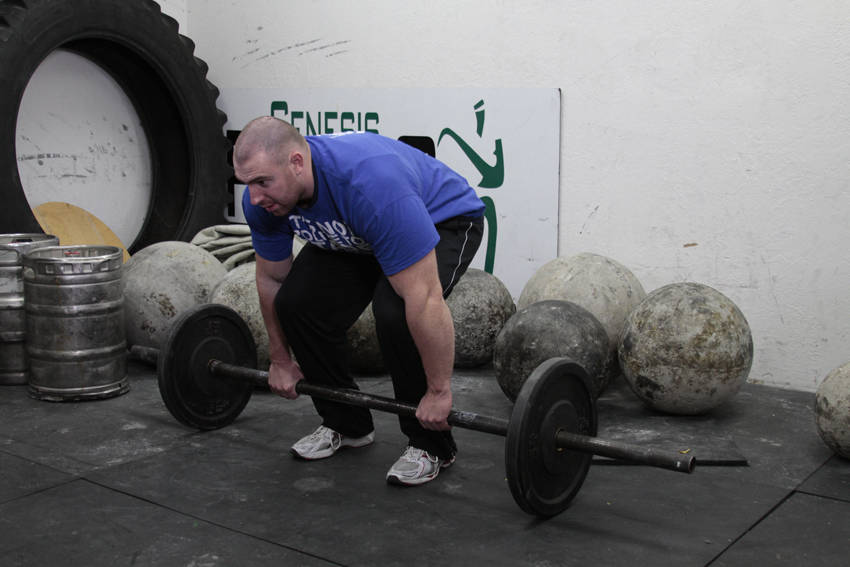
Axle Deadlift
Head-to-Head Comparison
| Attribute | Atlas Stone Trainer | Axle Deadlift |
|---|---|---|
| Target Muscle |
Lower-back
|
Lower-back
|
| Body Part |
Back
|
Back
|
| Equipment |
Other
|
Other
|
| Difficulty |
Advanced
|
Advanced
|
| Movement Type |
Compound
|
Compound
|
| Secondary Muscles |
5
|
6
|
Secondary Muscles Activated
Atlas Stone Trainer
Axle Deadlift
Visual Comparison
Overview
Atlas Stone Trainer vs Axle Deadlift puts two heavy, advanced back builders head-to-head so you can choose smartly. I’ll walk you through how each loads the lower-back and posterior chain, the secondary muscle recruitment (forearms, traps, glutes, hamstrings), equipment needs, technical cues, and programming recommendations. You’ll get clear comparisons of biomechanics — force vectors, hip hinge angles, and length-tension relationships — plus rep ranges (1–5 for maximal strength, 6–12 for muscle growth) and progression strategies. Read on and you’ll know which to use for strength cycles, hypertrophy blocks, or strongman-specific training.
Key Differences
- Both exercises target the Lower-back using Other. The main differences are in their movement patterns and muscle activation angles.
Pros & Cons
Atlas Stone Trainer
+ Pros
- Exceptional full-body tension and posterior chain coordination under an odd object
- Builds strong unilateral/stabilizer control and anti-rotation strength
- Specific carryover to strongman events and odd-object handling
- Short, explosive concentric phase that trains high-rate force development
− Cons
- Requires specialized equipment and space
- Chunky weight progression (10–20 lb jumps) limits fine loading
- Higher acute technical demand and awkward load placement
Axle Deadlift
+ Pros
- Smooth, measurable progression with microloading for strength phases
- Thick-bar grip increases forearm and brachialis development
- Predictable bar path recruits traps and middle back consistently
- More widely available in strength gyms; easier to program
− Cons
- Thick bar can limit top-end reps for some lifters due to grip fatigue
- Less odd-object stabilization carryover compared to stones
- Can encourage excessive lumbar loading if technique breaks down under very heavy loads
When Each Exercise Wins
Axle deadlifts let you use controlled progressive overload (6–12 reps for hypertrophy, or 3–6 with higher time under tension) and precise loading increments. The longer concentric phase and predictable bar path stimulate sustained erector, traps, and glute work for measurable muscle growth.
Axle deadlift supports percentage-based programming (85–100% 1RM) and smaller jumps between loads, which drives neural adaptation and maximal strength. While stones build brute contest strength, axle work transfers better to barbell-based strength tests.
The axle follows the conventional deadlift motor pattern, so teaching hip hinge mechanics and spinal control is simpler and safer. Beginners can progress with light loads and focus on form before moving to odd objects like stones.
An axle or thick-grip bar setup with plates is easier to store and adapt at home than heavy atlas stones. You can scale loads precisely and use common implements to mimic the thick-bar effect without specialized stone equipment.
Frequently Asked Questions
Can I do both Atlas Stone Trainer and Axle Deadlift in the same workout?
Yes. Sequence axle deadlifts early for heavy triples or doubles (85–95% 1RM) to prioritize neural strength, then use atlas stones for technique, high-tension carries, or 1–4 heavy attempts. Keep total volume manageable to avoid CNS fatigue and watch lower-back recovery.
Which exercise is better for beginners?
Axle Deadlift is better for most beginners because it follows a teachable hip-hinge and allows small load increments. Start with technique-focused sets and light weights before introducing atlas stones, which require more coordination and carry higher acute technical risk.
How do the muscle activation patterns differ?
Atlas stones create short, high-intensity concentric bursts with spikes in oblique and unilateral stabilizer activity due to off-center loading, while axle deadlifts produce sustained posterior chain tension throughout the range of motion. The axle shifts more consistent load into traps and middle back, whereas stones emphasize anti-rotation and rapid hip extension.
Can Axle Deadlift replace Atlas Stone Trainer?
If your goal is general strength or hypertrophy, axle deadlifts can effectively replace stones because of smoother overload and transfer to barbell lifts. If you need strongman-specific skill, odd-object handling, or transfer to stone events, the atlas stone is irreplaceable.
Expert Verdict
Pick axle deadlifts if you want measurable progression, predictable biomechanics, and broad gym accessibility — they’re the better tool for structured strength and hypertrophy blocks and for most home setups. Choose the Atlas Stone Trainer when your goal is strongman-specific conditioning, odd-object handling, and developing rapid full-body tension and stabilizer resilience; stones excel at teaching lift-transition and anti-rotation control. Programmatically, use axle work for 3–6 RM strength cycles and 6–12 RM hypertrophy blocks, and slot stones into low-rep maximal lifts or specialty sessions (1–6 reps) to tax stabilizers and train transfer for competition.
Also Compare
More comparisons with Atlas Stone Trainer
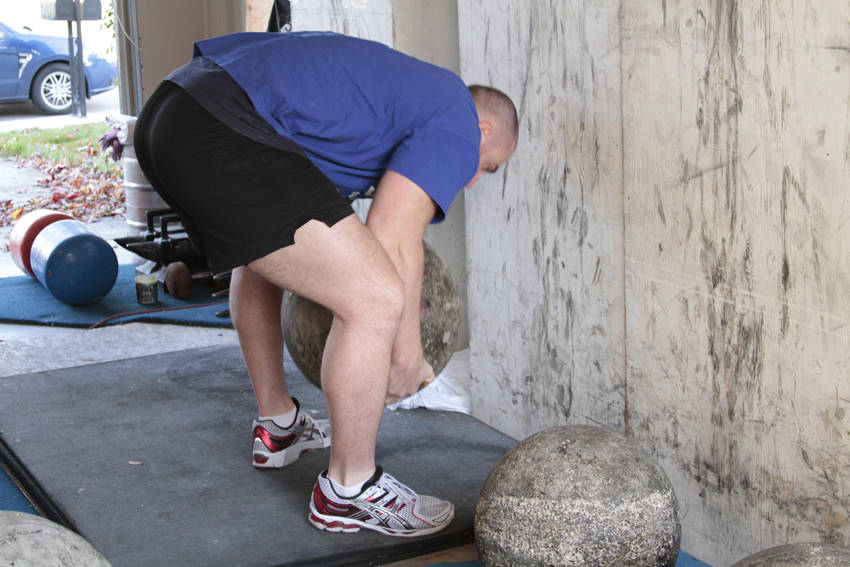
Compare More Exercises
Use our free comparison tool to analyze any two exercises head-to-head.
Compare Exercises