

Atlas Stone Trainer vs Cat Stretch: Complete Comparison Guide
Atlas Stone Trainer vs Cat Stretch — two back-focused moves that look nothing alike. You’ll get a clear comparison of how each stresses the lower-back, which secondary muscles they recruit, equipment needs, injury risk, and who should use which. I’ll give technique cues (spine position, hip angle), rep ranges for strength and mobility, and simple progressions you can apply immediately. Read on so you can pick the right tool for lower-back strength, spinal mobility, or recovery.
Exercise Comparison
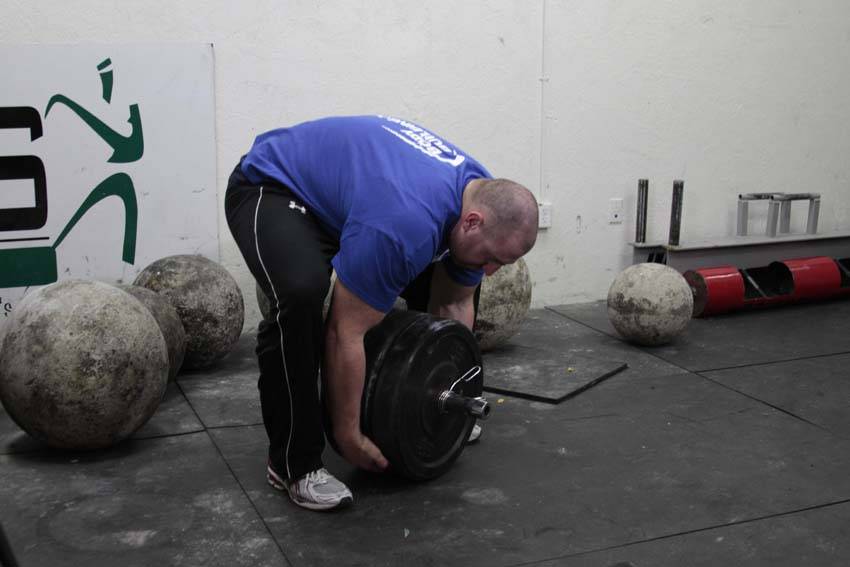
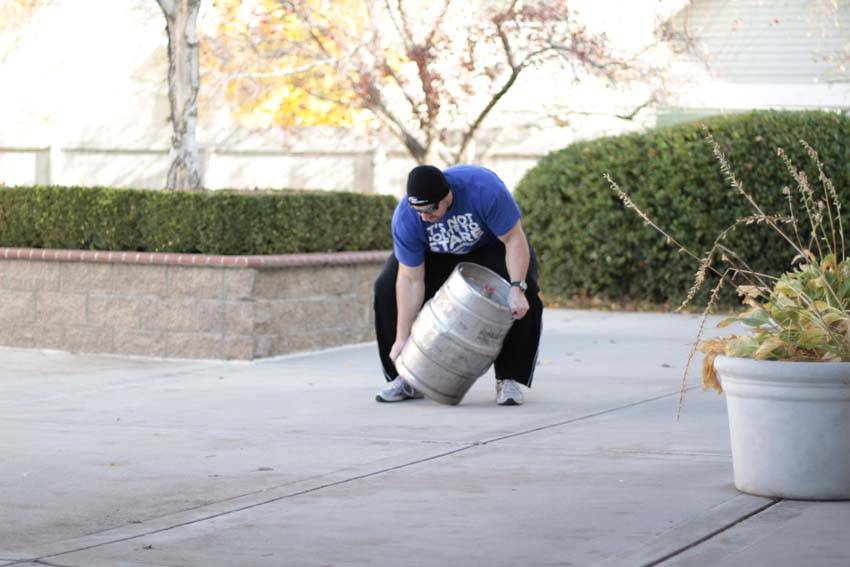
Atlas Stone Trainer
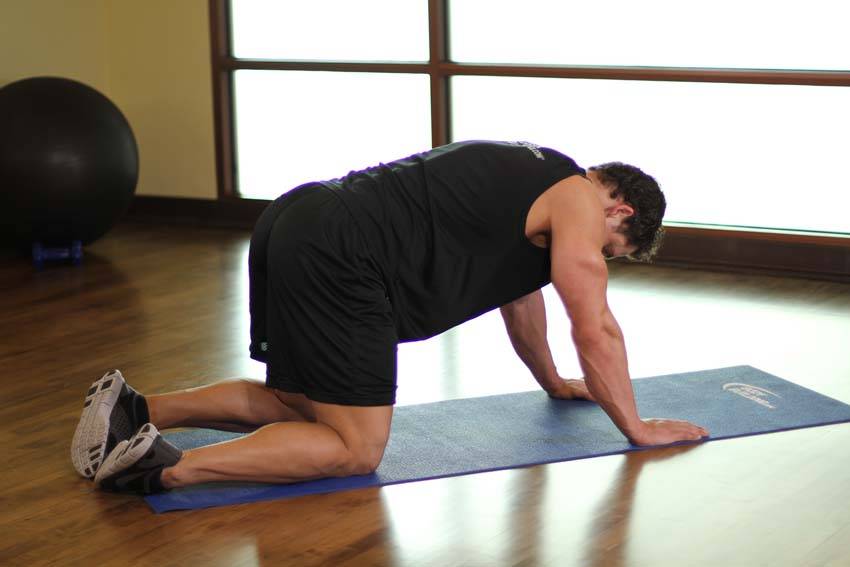
Cat Stretch
Head-to-Head Comparison
| Attribute | Atlas Stone Trainer | Cat Stretch |
|---|---|---|
| Target Muscle |
Lower-back
|
Lower-back
|
| Body Part |
Back
|
Back
|
| Equipment |
Other
|
Body-weight
|
| Difficulty |
Advanced
|
Beginner
|
| Movement Type |
Compound
|
Isolation
|
| Secondary Muscles |
5
|
2
|
Secondary Muscles Activated
Atlas Stone Trainer
Cat Stretch
Visual Comparison
Overview
Atlas Stone Trainer vs Cat Stretch — two back-focused moves that look nothing alike. You’ll get a clear comparison of how each stresses the lower-back, which secondary muscles they recruit, equipment needs, injury risk, and who should use which. I’ll give technique cues (spine position, hip angle), rep ranges for strength and mobility, and simple progressions you can apply immediately. Read on so you can pick the right tool for lower-back strength, spinal mobility, or recovery.
Key Differences
- Equipment differs: Atlas Stone Trainer uses Other, while Cat Stretch requires Body-weight.
- Atlas Stone Trainer is a compound movement, while Cat Stretch is an isolation exercise.
- Difficulty levels differ: Atlas Stone Trainer is advanced, while Cat Stretch is beginner.
Pros & Cons
Atlas Stone Trainer
+ Pros
- High-load compound stimulus that builds lower-back strength and muscle growth
- Strong posterior chain and hip extension recruitment (glutes, hamstrings)
- Improves real-world lifting force and carries over to deadlifts and strongman events
- Progression via load, reps, and lift variations (shoulder-to-platform, lap-and-stand)
− Cons
- Requires specialized equipment and space
- High compressive and shear lumbar loading increases injury risk if technique breaks
- Steep learning curve and often needs a spotter or coach
Cat Stretch
+ Pros
- Minimal equipment — can be done anywhere for mobility and pain-free movement
- Isolates lower-back control and improves thoracic-spine flexibility
- Low-impact with minimal compressive loading on the spine
- Great active recovery tool and warm-up to prepare the back for heavier lifts
− Cons
- Not effective for heavy strength or significant hypertrophy of erectors
- Limited progression for load-bearing strength gains
- May be insufficient alone for athletes needing high-force posterior-chain development
When Each Exercise Wins
Atlas Stone provides heavy, compound loading that drives muscle growth in the lower-back and posterior chain. Use 6–12 rep sets with controlled eccentrics and progressive load increases to stimulate hypertrophy.
The high external load and hip-hinge mechanics produce the force outputs needed for maximal strength (work in the 1–5 rep range at 70–90%+ of maximal effort). It replicates real-world lift mechanics more than an isolated stretch.
Cat Stretch teaches spinal control and thoracic mobility with minimal risk, making it ideal for novices to build motor control before loading the spine. Start with 8–12 slow cycles of 3–4 seconds each.
Cat Stretch requires no equipment and fits small spaces, making it the practical choice for home routines focused on mobility, recovery, and low-load back conditioning.
Frequently Asked Questions
Can I do both Atlas Stone Trainer and Cat Stretch in the same workout?
Yes. Use Cat Stretch as a warm-up and mobility primer (3–5 minutes of slow cycles) before heavy Atlas Stone sets to improve thoracic mobility and spinal control. Finish with Cat Stretch as a cool-down to aid recovery and lower neural tension.
Which exercise is better for beginners?
Cat Stretch is better for beginners because it teaches spinal flexion/extension control with low risk and no equipment. Beginners should master movement quality before attempting heavy Atlas Stone lifts.
How do the muscle activation patterns differ?
Atlas Stone produces high-load, concentric-driven activation of the erectors, glutes, and hamstrings with large compressive spine forces and hip extension power. Cat Stretch produces low-load, rhythmic activation focused on spinal flexion/extension and scapular movement, emphasizing control over peak force.
Can Cat Stretch replace Atlas Stone Trainer?
No — Cat Stretch cannot replace Atlas Stone for developing heavy lower-back strength or substantial posterior-chain muscle growth. It complements Atlas Stone by improving mobility and motor control, but it won’t provide the high-load stimulus needed for strength adaptations.
Expert Verdict
Use the Atlas Stone Trainer when your goal is lower-back and posterior-chain strength or when you need carryover to heavy lifts: focus on hip-hinge mechanics, keep a neutral lumbar curve, and work in 1–6 reps for maximal strength or 6–12 for hypertrophy. Choose Cat Stretch when your goal is spinal mobility, pain-free control, or a reliable warm-up/recovery tool. For most lifters, pair them smartly: build control and mobility with Cat Stretch (3–4×8–12 cycles) and add Atlas Stone sessions (2–3×3–6 heavy sets) only after technique and base strength are solid. Be decisive about technique to reduce injury risk.
Also Compare
More comparisons with Atlas Stone Trainer
Compare More Exercises
Use our free comparison tool to analyze any two exercises head-to-head.
Compare Exercises