

Atlas Stone Trainer vs Hug Knees To Chest: Complete Comparison Guide
Atlas Stone Trainer vs Hug Knees To Chest — you’ll get a clear, practical comparison so you can pick the right movement for your back work. I’ll walk you through who each exercise targets, the biomechanics behind the load, equipment and accessibility, how hard they are to learn, and when to program each for strength or muscle growth. Read this to learn specific technique cues, recommended rep ranges (3–8 for heavy Atlas Stone sets, 10–20 for Hug Knees endurance sets), and actionable progressions you can use in your next session.
Exercise Comparison
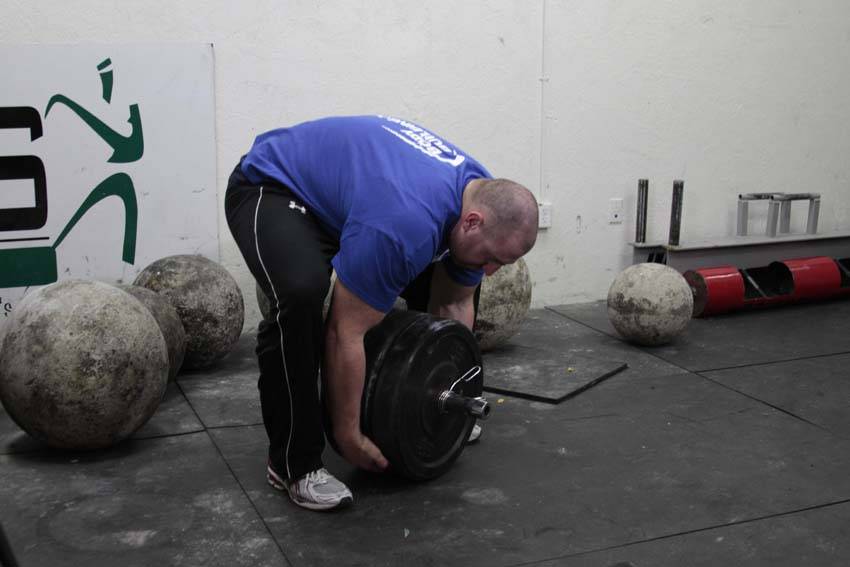
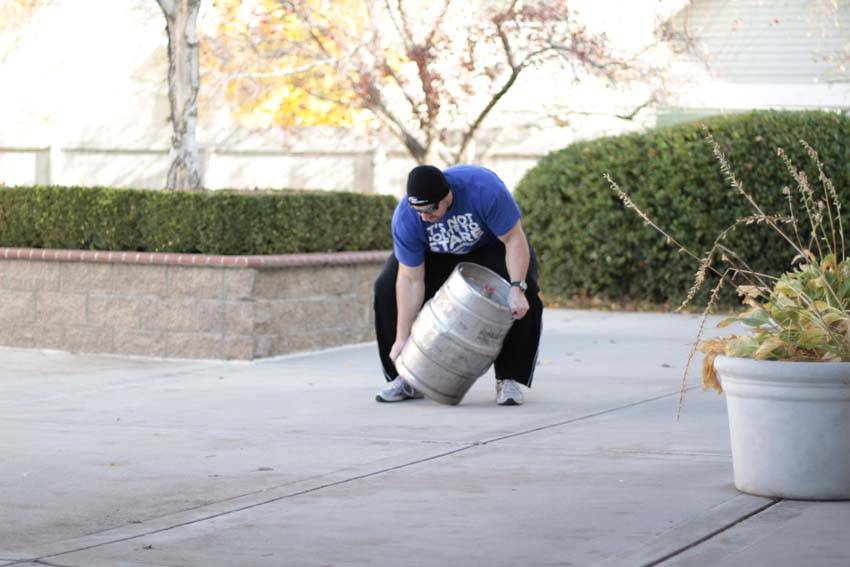
Atlas Stone Trainer
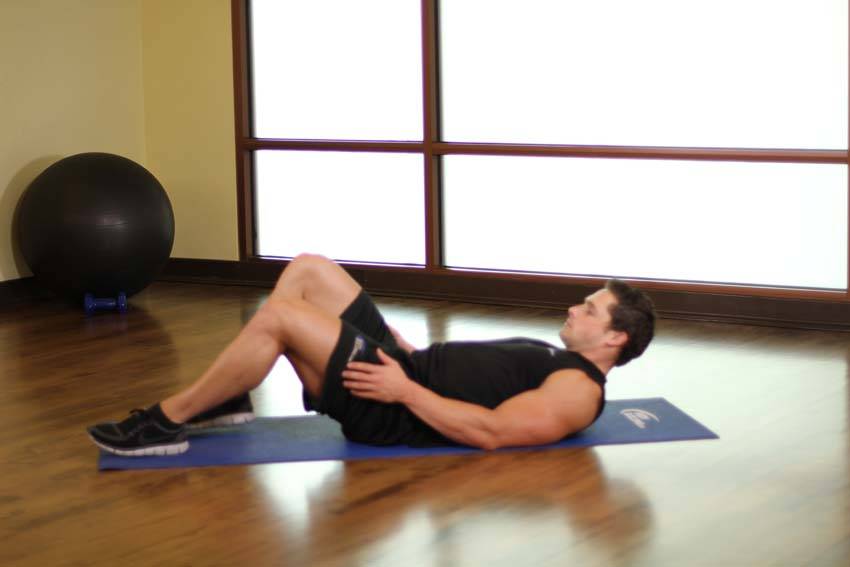
Hug Knees To Chest
Head-to-Head Comparison
| Attribute | Atlas Stone Trainer | Hug Knees To Chest |
|---|---|---|
| Target Muscle |
Lower-back
|
Lower-back
|
| Body Part |
Back
|
Back
|
| Equipment |
Other
|
Body-weight
|
| Difficulty |
Advanced
|
Beginner
|
| Movement Type |
Compound
|
Isolation
|
| Secondary Muscles |
5
|
1
|
Secondary Muscles Activated
Atlas Stone Trainer
Hug Knees To Chest
Visual Comparison
Overview
Atlas Stone Trainer vs Hug Knees To Chest — you’ll get a clear, practical comparison so you can pick the right movement for your back work. I’ll walk you through who each exercise targets, the biomechanics behind the load, equipment and accessibility, how hard they are to learn, and when to program each for strength or muscle growth. Read this to learn specific technique cues, recommended rep ranges (3–8 for heavy Atlas Stone sets, 10–20 for Hug Knees endurance sets), and actionable progressions you can use in your next session.
Key Differences
- Equipment differs: Atlas Stone Trainer uses Other, while Hug Knees To Chest requires Body-weight.
- Atlas Stone Trainer is a compound movement, while Hug Knees To Chest is an isolation exercise.
- Difficulty levels differ: Atlas Stone Trainer is advanced, while Hug Knees To Chest is beginner.
Pros & Cons
Atlas Stone Trainer
+ Pros
- High capacity for progressive overload — useful for strength and hypertrophy (3–8 and 6–12 rep ranges).
- Engages multiple joints and muscle groups — glutes, hamstrings, quads, biceps, forearms and erectors.
- Trains real-world force vectors and carries transfer to athletic and strongman tasks.
- Improves grip strength and posterior chain coordination under heavy anterior load.
− Cons
- Requires specialty equipment and a high skill level.
- High compressive and shear forces on the lumbar spine if technique breaks down.
- Not practical for most home gyms or beginners without supervision.
Hug Knees To Chest
+ Pros
- No equipment needed — ideal for home, rehab, or warm-ups.
- Low skill threshold — safe introduction to lumbar control and pelvic rhythm.
- Good for high-rep core endurance and teaching posterior chain length-tension control.
- Easily programmed into circuits or active recovery sessions (10–20+ reps).
− Cons
- Limited progressive overload potential for strength or hypertrophy.
- Primarily isolates lumbar flexion/extension and doesn’t build hip power.
- Can provoke lumbar disc symptoms in those intolerant of repeated flexion.
When Each Exercise Wins
Atlas Stone Trainer wins because you can apply heavy external load and target the posterior chain and lower-back under progressive tension (6–12 rep ranges). The multi-joint pattern creates greater overall muscle recruitment and mechanical tension necessary for muscle growth.
Atlas Stone Trainer allows heavy, low-rep work (3–8 reps) and specific overload of hip extension and spinal stabilizers, producing higher force production and neural adaptations required for strength development.
Hug Knees To Chest is beginner-friendly: it teaches lumbar-pelvic control with minimal risk, simple cues, and no equipment, making it a reliable entry point before progressing to loaded hip-hinge patterns.
Hug Knees To Chest requires no gear and fits limited-space sessions. Use it for core endurance, mobility, or as part of a bodyweight back routine when stones or heavy implements aren’t available.
Frequently Asked Questions
Can I do both Atlas Stone Trainer and Hug Knees To Chest in the same workout?
Yes. Pair them strategically: place Hug Knees To Chest as a warm-up or activation drill (2–3 sets of 10–15 reps) to groove lumbar control, then perform Atlas Stone Trainer as the heavy main lift (3–6 sets of 3–8 reps). Keep technique-focused volume low to avoid fatigue-driven breakdown.
Which exercise is better for beginners?
Hug Knees To Chest is better for beginners because it teaches pelvic and lumbar control without external load. It reduces injury risk and prepares you to learn hip-hinge mechanics before progressing to loaded stone work.
How do the muscle activation patterns differ?
Atlas Stone Trainer produces high erector spinae activation combined with strong glute and hamstring drive during hip extension; peak forces occur early in the concentric phase. Hug Knees To Chest produces lower peak erector activation but higher repetition of flexion/extension cycles, stressing stabilizers and endurance rather than maximal force.
Can Hug Knees To Chest replace Atlas Stone Trainer?
No, not for strength or heavy posterior-chain development. Hug Knees To Chest can supplement or prepare you for stone training by improving control and endurance, but it cannot replicate the progressive overload and multi-joint loading that Atlas Stone Trainer delivers for strength and muscle growth.
Expert Verdict
Use the Atlas Stone Trainer when your goal is raw posterior-chain strength, specific strongman work, or heavy lower-back and hip-loading for muscle growth — program heavy sets (3–8 reps) and controlled eccentrics, but only if you have the equipment and technique. Choose Hug Knees To Chest when you need a low-risk, no-equipment option to build lumbar control, core endurance, and rehab-friendly posterior chain activation (10–20+ reps). If you want both, start beginners with Hug Knees To Chest and progress to loaded hip-hinge variations before attempting heavy stone lifts.
Also Compare
More comparisons with Atlas Stone Trainer
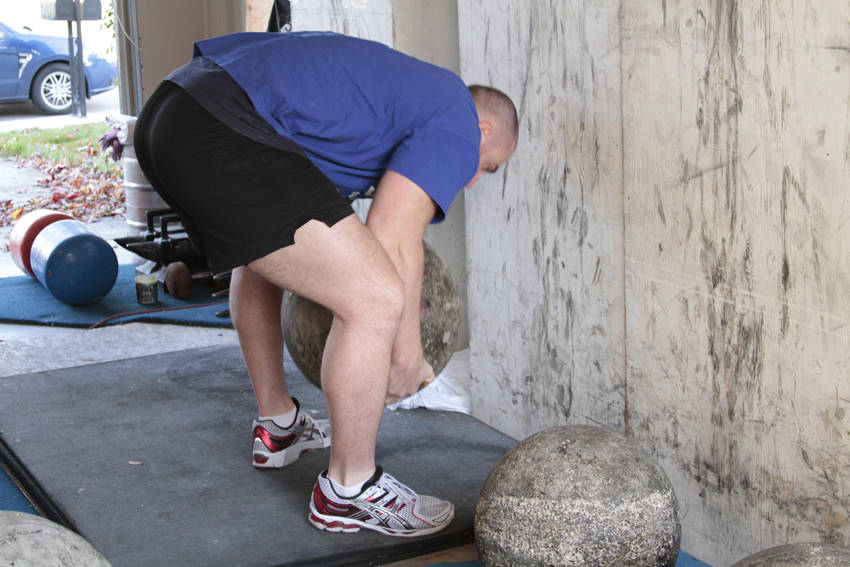
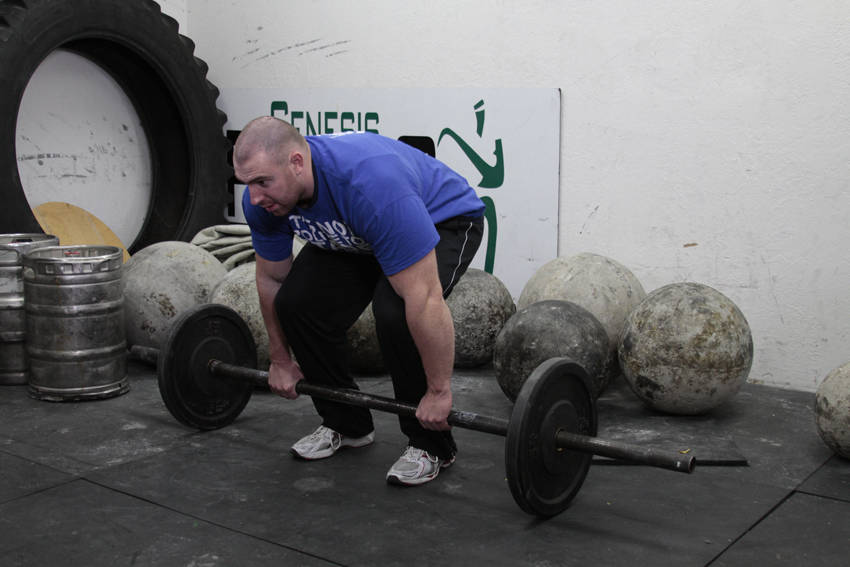
Compare More Exercises
Use our free comparison tool to analyze any two exercises head-to-head.
Compare Exercises