

Atlas Stone Trainer vs Hyperextensions (Back Extensions): Complete Comparison Guide
Atlas Stone Trainer vs Hyperextensions (Back Extensions) — you’re comparing two very different ways to load your lower back. I’ll walk you through how each exercise loads the lumbar extensors, how the hips and knees contribute, the equipment and skill required, and which one fits your goals: muscle growth, raw strength, beginner programming, or a home routine. Expect clear technique cues, recommended rep ranges (1–6 for max strength on Atlas, 8–20 for hypertrophy on hyperextensions), and biomechanics-based recommendations so you can pick the right movement and progress safely.
Exercise Comparison
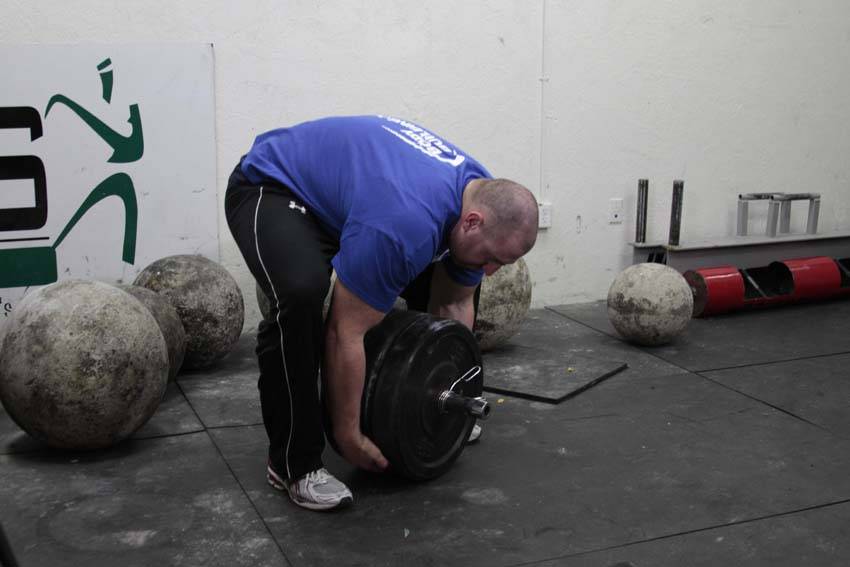
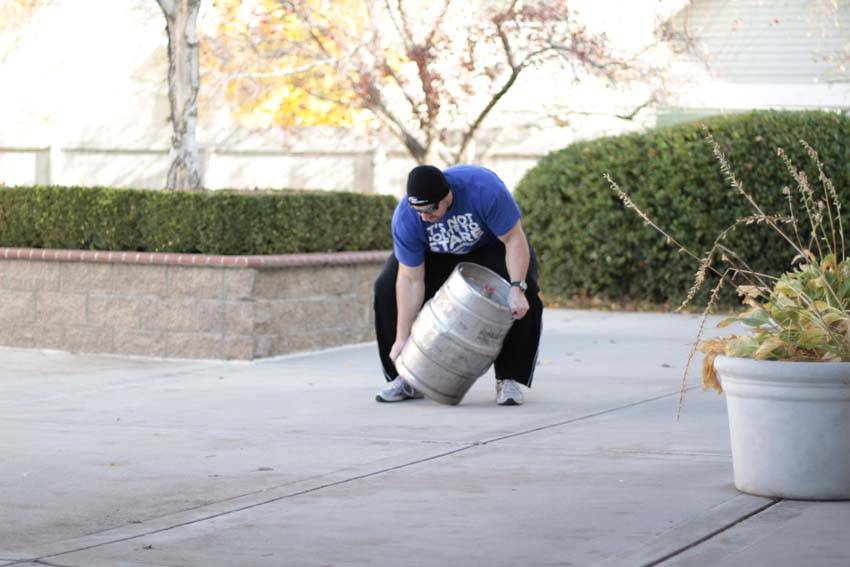
Atlas Stone Trainer
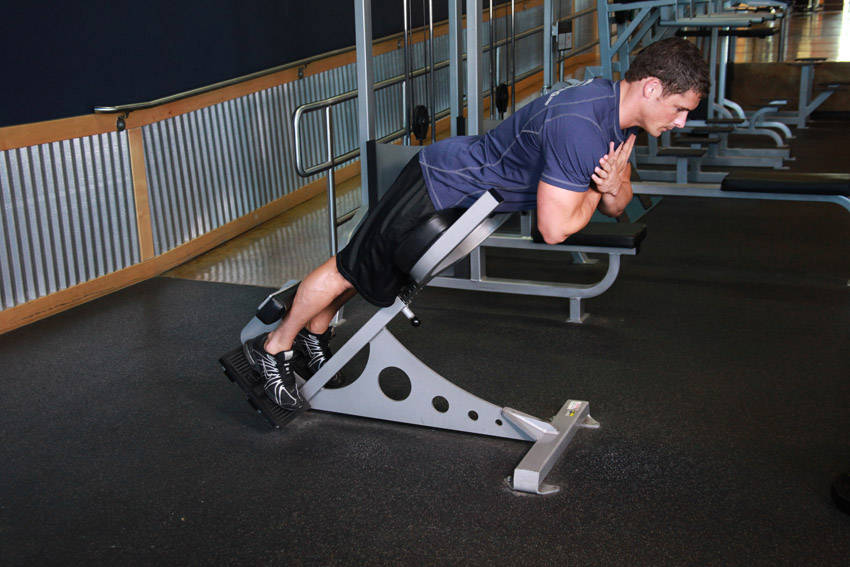
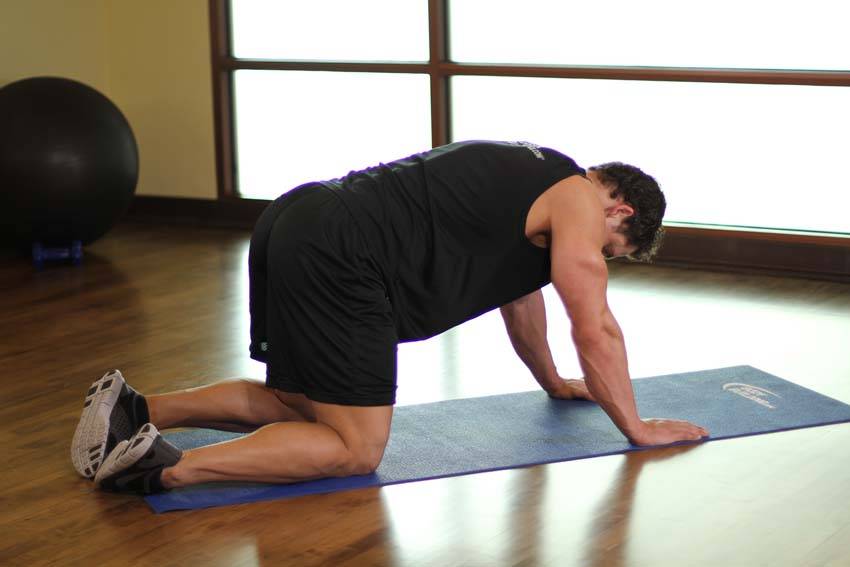
Hyperextensions (back Extensions)
Head-to-Head Comparison
| Attribute | Atlas Stone Trainer | Hyperextensions (back Extensions) |
|---|---|---|
| Target Muscle |
Lower-back
|
Lower-back
|
| Body Part |
Back
|
Back
|
| Equipment |
Other
|
Other
|
| Difficulty |
Advanced
|
Intermediate
|
| Movement Type |
Compound
|
Compound
|
| Secondary Muscles |
5
|
2
|
Secondary Muscles Activated
Atlas Stone Trainer
Hyperextensions (back Extensions)
Visual Comparison
Overview
Atlas Stone Trainer vs Hyperextensions (Back Extensions) — you’re comparing two very different ways to load your lower back. I’ll walk you through how each exercise loads the lumbar extensors, how the hips and knees contribute, the equipment and skill required, and which one fits your goals: muscle growth, raw strength, beginner programming, or a home routine. Expect clear technique cues, recommended rep ranges (1–6 for max strength on Atlas, 8–20 for hypertrophy on hyperextensions), and biomechanics-based recommendations so you can pick the right movement and progress safely.
Key Differences
- Difficulty levels differ: Atlas Stone Trainer is advanced, while Hyperextensions (back Extensions) is intermediate.
- Both exercises target the Lower-back using Other. The main differences are in their movement patterns and muscle activation angles.
Pros & Cons
Atlas Stone Trainer
+ Pros
- Allows very heavy, full-body loading that builds maximal posterior chain strength
- High carryover to functional and strongman tasks (stone lifting, loading)
- Recruits forearms and biceps for grip, improving overall stabilizer strength
- Develops explosive hip-knee-spine coordination under load
− Cons
- Requires specialized equipment and space
- High technical demand and longer learning curve
- Greater lumbar shear and compressive stress — higher injury risk
Hyperextensions (back Extensions)
+ Pros
- Easy to learn and scale from bodyweight to loaded variations
- Targets lower back with consistent, controllable tension for hypertrophy
- Requires minimal equipment (Roman chair, GHD, bench, or ball)
- Lower overall systemic fatigue — easy to program as assistance work
− Cons
- Limited absolute loading compared with Atlas-style lifts
- Less carryover to whole-body strength tasks
- Can encourage inappropriate hyperextension if performed incorrectly
When Each Exercise Wins
Hyperextensions let you keep continuous tension on the lumbar extensors and use higher rep ranges (8–20) and tempo variations for time under tension, which favors muscle growth. You can progressively overload safely with plates and slow eccentrics to increase stimulus.
Atlas Stone Trainer supports much higher absolute loads and multi-joint force production (hip + knee + trunk), so it drives neural adaptations and 1–5 rep max strength improvements more effectively than isolated extensions.
Hyperextensions are easier to teach and scale: set hip position, control the hinge, and work 10–15 reps. They develop lumbar endurance and hip-hinge mechanics with lower injury risk compared with heavy, awkward Atlas stones.
You can do hyperextensions with a stability ball, bench, or inexpensive Roman chair alternative and progress with a single dumbbell or plate. Atlas stones require specialized gear and more space.
Frequently Asked Questions
Can I do both Atlas Stone Trainer and Hyperextensions (Back Extensions) in the same workout?
Yes — do Atlas Stone Trainer early when your nervous system is fresh for heavy 1–6 rep sets, then use hyperextensions as accessory work for 8–20 reps to increase TUT and reinforce spinal endurance and hip-hinge mechanics.
Which exercise is better for beginners?
Hyperextensions are better for beginners because they teach lumbar control and allow gradual loading. Start with bodyweight or light plates and focus on hip-hinge form before adding heavier compound lifts.
How do the muscle activation patterns differ?
Atlas Stone Trainer creates short, high-magnitude activation peaks during lockout due to combined hip and knee extension plus spinal extension, while hyperextensions provide a longer, lower-magnitude tension curve focused on the erector spinae with hamstring/glute assistance through the ROM.
Can Hyperextensions (Back Extensions) replace Atlas Stone Trainer?
Hyperextensions can substitute as a lower-back builder and rehab tool, but they won’t replicate the high global loading and grip/coordination demands of Atlas stones. If your goal is maximal whole-body strength, keep Atlas-style work in the program.
Expert Verdict
Use Hyperextensions (Back Extensions) when your priority is targeted lower‑back hypertrophy, teaching a safe hip hinge, or programming accessible accessory work — aim for 8–20 reps with slow eccentrics (2–4 seconds) and controlled range (stop at neutral or a slight 0–15° hyperextension). Use Atlas Stone Trainer when you need to maximize absolute posterior-chain strength and train whole‑body coordination under heavy, unstable loads; program low reps (1–6) with full recovery and a focus on leg drive, chest-up lap technique, and a braced core. For balanced development, pair both: use Atlas for low‑rep strength phases and hyperextensions for hypertrophy and rehab-oriented work.
Also Compare
More comparisons with Atlas Stone Trainer
More comparisons with Hyperextensions (back Extensions)
Compare More Exercises
Use our free comparison tool to analyze any two exercises head-to-head.
Compare Exercises