

Atlas Stone Trainer vs Keg Load: Complete Comparison Guide
Atlas Stone Trainer vs Keg Load — you’re comparing two advanced, strongman-style lifts that hammer the lower back while recruiting big posterior chains. This guide gives you a clear breakdown of primary and secondary muscle activation, required equipment, learning curve, injury risk, and specific technique cues so you can pick the right movement for strength, hypertrophy, or conditioning. You’ll get rep ranges, progression options, and practical coaching tips (hip hinge angles, trunk bracing, grip strategy) to use in the gym or at home.
Exercise Comparison
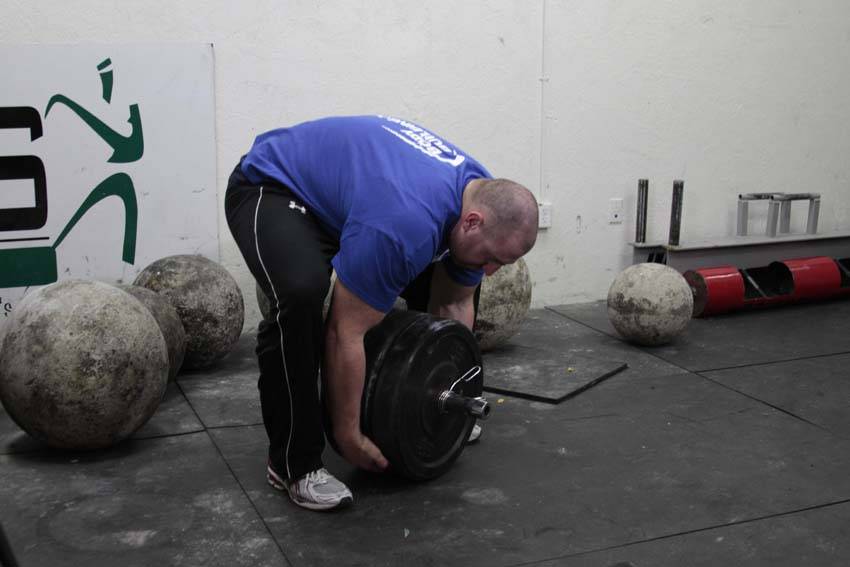
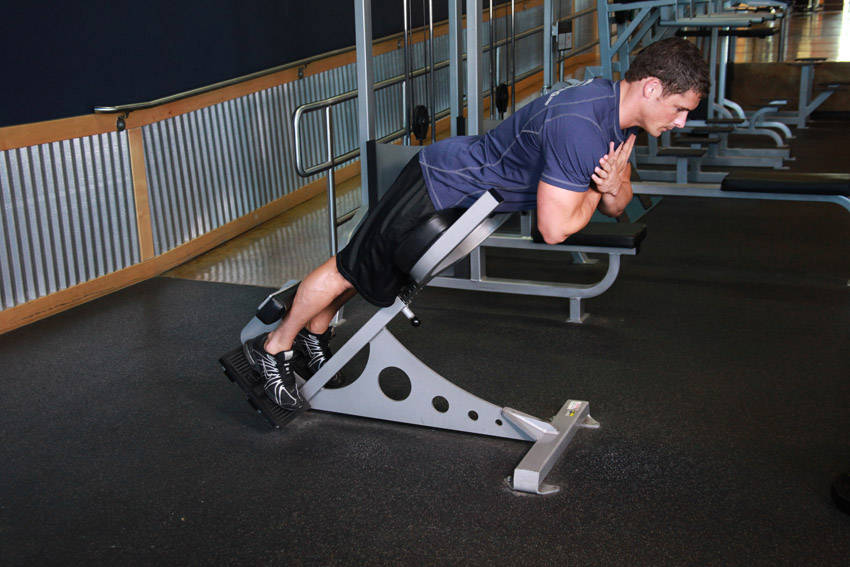
Atlas Stone Trainer
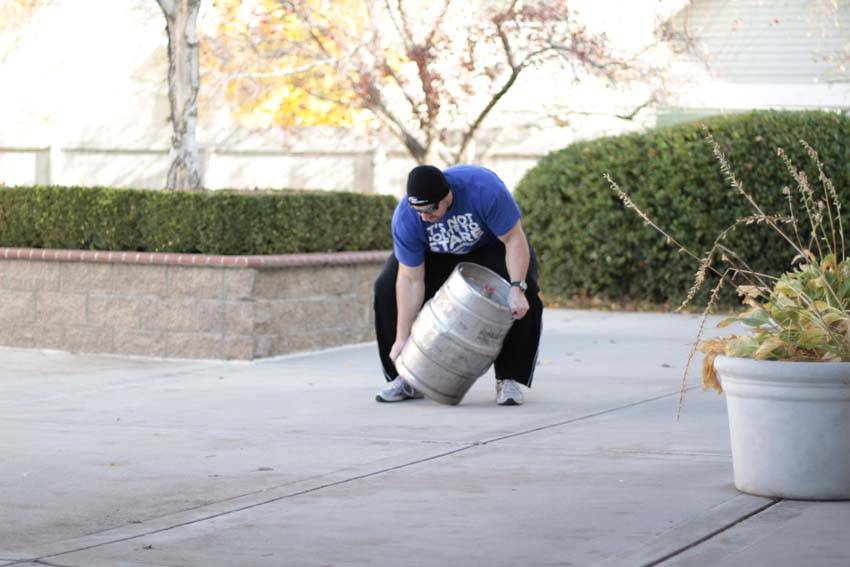
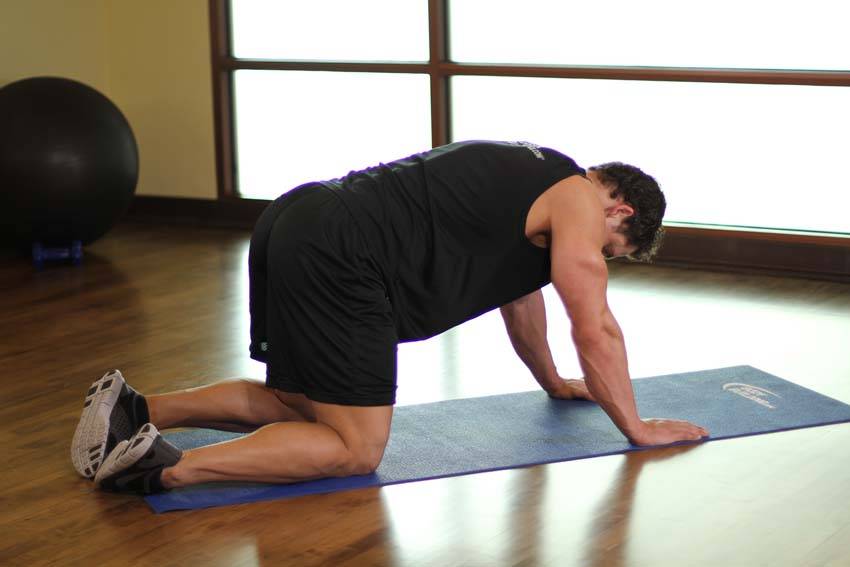
Keg Load
Head-to-Head Comparison
| Attribute | Atlas Stone Trainer | Keg Load |
|---|---|---|
| Target Muscle |
Lower-back
|
Lower-back
|
| Body Part |
Back
|
Back
|
| Equipment |
Other
|
Other
|
| Difficulty |
Advanced
|
Advanced
|
| Movement Type |
Compound
|
Compound
|
| Secondary Muscles |
5
|
10
|
Secondary Muscles Activated
Atlas Stone Trainer
Keg Load
Visual Comparison
Overview
Atlas Stone Trainer vs Keg Load — you’re comparing two advanced, strongman-style lifts that hammer the lower back while recruiting big posterior chains. This guide gives you a clear breakdown of primary and secondary muscle activation, required equipment, learning curve, injury risk, and specific technique cues so you can pick the right movement for strength, hypertrophy, or conditioning. You’ll get rep ranges, progression options, and practical coaching tips (hip hinge angles, trunk bracing, grip strategy) to use in the gym or at home.
Key Differences
- Both exercises target the Lower-back using Other. The main differences are in their movement patterns and muscle activation angles.
Pros & Cons
Atlas Stone Trainer
+ Pros
- Extremely effective for maximal posterior chain strength and low-rep force production
- High erector spinae and glute torque at lockout enhances raw strength transfer
- Short, intense effort — good for heavy singles and strength testing (1–5 reps)
- Mimics competition strongman loading patterns for sport-specific training
− Cons
- Requires specialized stone or replica and tacky/chalk for safe handling
- Steep technical learning curve; poor technique increases lumbar compression risk
- Less carry and overhead conditioning compared with keg work
Keg Load
+ Pros
- More accessible equipment — kegs are easier to source and scale
- Broader muscle recruitment including shoulders, traps, and abdominals for full-body work
- Easier to program for hypertrophy and conditioning with higher-rep sets (4–12+)
- Versatile: load, carry, and hoist variations add conditioning and stability demand
− Cons
- Dynamic instability can blunt maximum single-rep strength transfer compared with stones
- Requires careful loading strategy to avoid awkward shifts and shoulder strain
- Can be messy and require extra space and cleanup
When Each Exercise Wins
Keg Load supports higher-rep work and longer time under tension (4–12+ reps), recruiting a wider set of secondary muscles like shoulders, traps, and abdominals. The keg’s instability forces additional eccentric control and scapular stabilization, increasing overall muscle stimulus for hypertrophy.
Atlas Stone Trainer produces higher peak hip-extension torque and allows heavy singles (1–5 reps) that build maximal posterior chain force. The short, high-torque lockout specifically overloads erector spinae and hip extensors, transferring directly to raw strength improvements.
Keg Load is easier to scale down (empty or partially filled kegs) and teaches practical lifting and carry mechanics without the tight cradle technique stones demand. You can incrementally increase load and distance while practicing trunk bracing and hip hinge in safer progressions.
Kegs are generally easier to obtain and store at home; you can adjust volume by changing fluid or sand. Atlas stones typically require bulky, specialized replicas or gym access, making keg work the practical choice for at-home training.
Frequently Asked Questions
Can I do both Atlas Stone Trainer and Keg Load in the same workout?
Yes — but structure them sensibly. Use Atlas Stone Trainer early for heavy singles (1–5 reps) when you’re fresh, then finish with keg variations for volume, carries, or conditioning. Keep total spinal work in a session reasonable and allow 3–5 minutes rest after heavy stone attempts.
Which exercise is better for beginners?
Keg Load is generally more beginner-friendly because you can start lighter and practice basic hinge and carry mechanics. Progressively fill the keg and focus on trunk bracing, neutral spine, and short carries before attempting heavy or awkward positions.
How do the muscle activation patterns differ?
Atlas Stone Trainer creates high peak activation of the erectors and glutes at lockout with short-range, high-torque contractions, while Keg Load distributes activation across the posterior chain, shoulders, traps, and abdominals over a longer force curve. The stone emphasizes maximal hip extension torque; the keg emphasizes dynamic stabilization and repeated eccentric control.
Can Keg Load replace Atlas Stone Trainer?
Keg Load can substitute for many training goals — hypertrophy, conditioning, and general posterior chain work — but it won’t replicate the exact peak torque and cradle mechanics of heavy stones. If your goal is maximal stone strength or competition prep, you should include stone-specific work; for general strength and versatility, the keg is a solid replacement.
Expert Verdict
If your primary goal is raw strength and sport-specific strongman practice, prioritize the Atlas Stone Trainer for heavy singles and low-rep overloads (1–5 reps, long rests). Use strict hip-hinge cues: push hips back, keep chest high, brace the abdomen, and keep the stone close to the sternum to minimize lumbar shear. If you want hypertrophy, conditioning, or a more accessible option for home training, choose Keg Load and program 4–12 reps, carries of 20–60 m, or circuits that demand scapular and core stabilization. Both movements benefit from progressive loading, technical coaching, and attention to lumbar positioning; choose Atlas Stone for maximum posterior chain torque and Keg Load for volume, versatility, and practicality.
Also Compare
More comparisons with Atlas Stone Trainer
Compare More Exercises
Use our free comparison tool to analyze any two exercises head-to-head.
Compare Exercises