

Atlas Stone Trainer vs Superman: Complete Comparison Guide
Atlas Stone Trainer vs Superman {Exercise1} vs {Exercise2} — this side-by-side comparison helps you decide which posterior-chain move fits your goals. You’ll get clear biomechanics on lumbar loading, muscle activation differences, equipment needs, risk levels, and practical programming tips. I’ll show technique cues, recommended rep ranges (1–5 for heavy Atlas Stone work; 8–20 for Superman variations), and how to progress each movement so you can pick the right exercise for strength, hypertrophy, or rehab.
Exercise Comparison
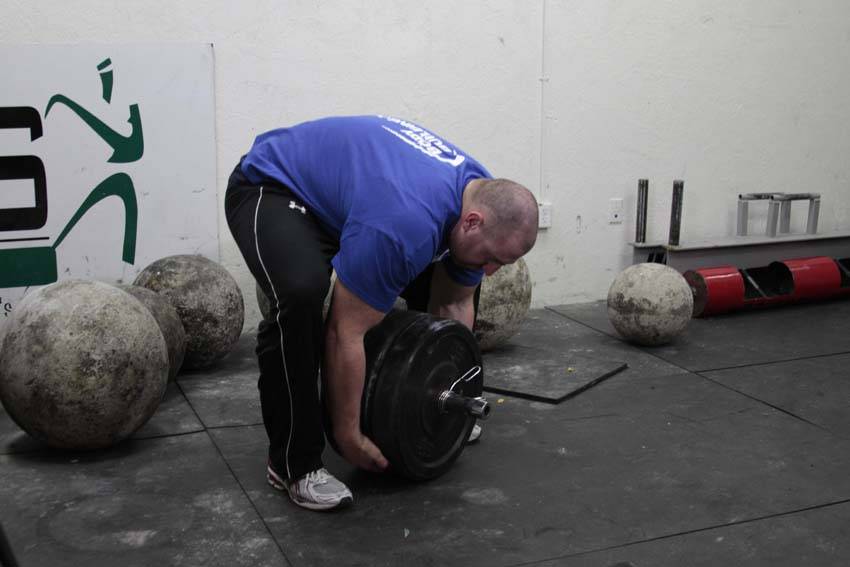
Atlas Stone Trainer
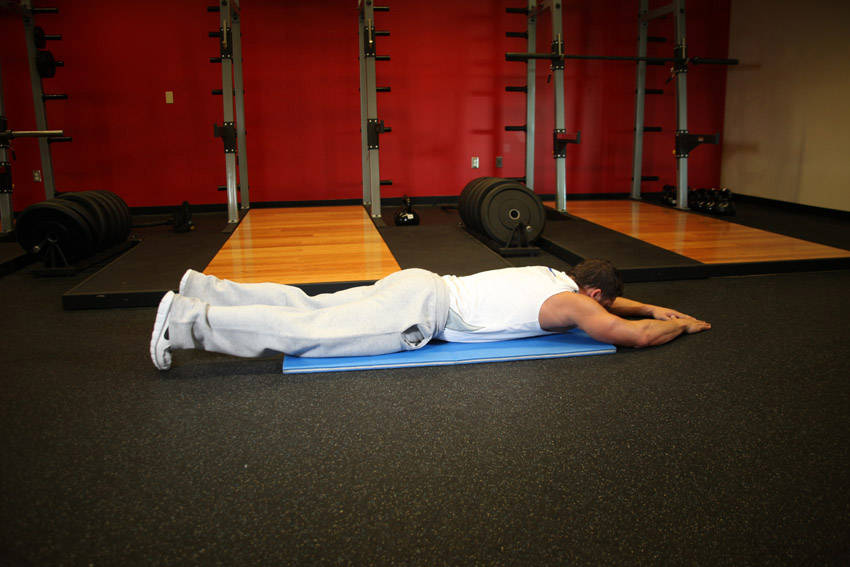
Superman
Head-to-Head Comparison
| Attribute | Atlas Stone Trainer | Superman |
|---|---|---|
| Target Muscle |
Lower-back
|
Lower-back
|
| Body Part |
Back
|
Back
|
| Equipment |
Other
|
Body-weight
|
| Difficulty |
Advanced
|
Beginner
|
| Movement Type |
Compound
|
Isolation
|
| Secondary Muscles |
5
|
2
|
Secondary Muscles Activated
Atlas Stone Trainer
Superman
Visual Comparison
Overview
Atlas Stone Trainer vs Superman {Exercise1} vs {Exercise2} — this side-by-side comparison helps you decide which posterior-chain move fits your goals. You’ll get clear biomechanics on lumbar loading, muscle activation differences, equipment needs, risk levels, and practical programming tips. I’ll show technique cues, recommended rep ranges (1–5 for heavy Atlas Stone work; 8–20 for Superman variations), and how to progress each movement so you can pick the right exercise for strength, hypertrophy, or rehab.
Key Differences
- Equipment differs: Atlas Stone Trainer uses Other, while Superman requires Body-weight.
- Atlas Stone Trainer is a compound movement, while Superman is an isolation exercise.
- Difficulty levels differ: Atlas Stone Trainer is advanced, while Superman is beginner.
Pros & Cons
Atlas Stone Trainer
+ Pros
- High absolute load leads to strong hypertrophy and maximal strength stimulus for erector spinae and posterior chain
- Multi-joint, compound pattern recruits glutes, hamstrings, quads, biceps, and forearms—great for whole-body force transfer
- Teaches force production under awkward, real-world load vectors which transfer to strongman and heavy lifting
- Clear progressive overload: increase stone weight or sets/rep intensity for linear strength progression
− Cons
- Requires specialized equipment and space not available in most gyms or homes
- High technical demand; improper setup or breathing increases spinal shear risk
- Significant loading can exacerbate pre-existing lumbar issues without careful progression
Superman
+ Pros
- No equipment required; ideal for home, travel, or warm-ups
- Low-barrier learning curve that improves lumbar endurance and motor control
- Excellent for high-rep endurance, rehabilitation, and core integration via long time under tension
- Safe to program in high volumes (3–4 sets of 12–20) for posterior chain conditioning
− Cons
- Limited ability to apply progressive overload for maximal strength development
- Minimal upper-body involvement—doesn’t train biceps or forearms meaningfully
- Can encourage excessive lumbar hyperextension if performed with poor cueing
When Each Exercise Wins
Atlas Stone Trainer lets you apply heavy external load and mechanical tension to the erector spinae and full posterior chain, enabling hypertrophy-focused sets (6–12 reps or heavy singles with volume accumulation) that Superman can’t match in absolute load.
For maximal strength you need high-force, low-rep work and varied load vectors; lifting heavy stones produces peak force outputs and neural adaptations (1–5 rep ranges) that translate directly to improved maximal posterior-chain strength.
Superman is beginner-friendly: learn hip extension and lumbar control with low risk, use 3–4 sets of 12–20 reps to build endurance and motor patterns before progressing to loaded compound options.
With no equipment needed and minimal space, Superman fits home programming and offers meaningful posterior-chain stimulus through higher reps and tempo control—great for consistent training without a gym.
Frequently Asked Questions
Can I do both Atlas Stone Trainer and Superman in the same workout?
Yes. Start with Atlas Stone Trainer while fresh if you plan heavy sets (1–5 reps), then finish with Superman for volume-based posterior-chain endurance and motor control (3 sets of 12–20). This order prevents fatigue from compromising heavy lift technique.
Which exercise is better for beginners?
Superman is better for beginners because it teaches spinal and hip extension with minimal external load. Use it to build control and endurance before introducing complex, heavy Atlas Stone lifts.
How do the muscle activation patterns differ?
Atlas Stone Trainer creates short, high-amplitude activation spikes in erector spinae and glutes due to heavy concentric force and eccentric control, while Superman produces sustained low-to-moderate activation with longer time under tension, favoring endurance and motor control over peak force.
Can Superman replace Atlas Stone Trainer?
Superman can replace Atlas Stone Trainer if your goal is lumbar endurance or rehab, but it cannot substitute for heavy overload needed for maximal strength or large hypertrophy adaptations. Use Superman as an accessory if heavy loading isn’t available.
Expert Verdict
Choose Atlas Stone Trainer when your primary goal is heavy posterior-chain strength or packed hypertrophy and you have access to proper equipment and coaching; program it with low reps (1–6), full bracing, and 2–5 minute rests to manage fatigue and spinal load. Choose Superman if you’re building lumbar endurance, rehabbing, or training at home—do 3–4 sets of 10–20 reps with tempo control (2s concentric, 2–3s eccentric) and focus on glute squeeze and neutral spine. For balanced programming, use Superman as a low-load accessory and reserve Atlas Stone work for targeted heavy sessions once technique and joint tolerance are established.
Also Compare
More comparisons with Atlas Stone Trainer
Compare More Exercises
Use our free comparison tool to analyze any two exercises head-to-head.
Compare Exercises