

Atlas Stones vs Axle Deadlift: Complete Comparison Guide
Atlas Stones vs Axle Deadlift — if you want raw posterior-chain strength and brutal carryover, you’ve picked two heavy hitters. I’ll break down how each exercise loads your lower back, which secondary muscles light up, what equipment you need, and which movement fits strength, hypertrophy, or functional work. You’ll get technique cues, rep ranges (singles to 6–8 reps), injury-risk notes, and clear winners for specific goals. Read this to decide which lift to prioritize in your program and how to progress safely and intentionally.
Exercise Comparison
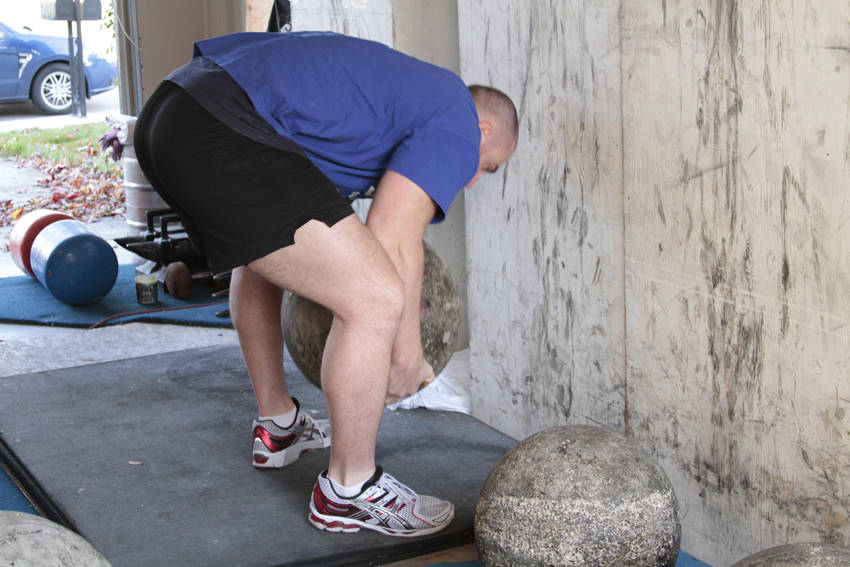
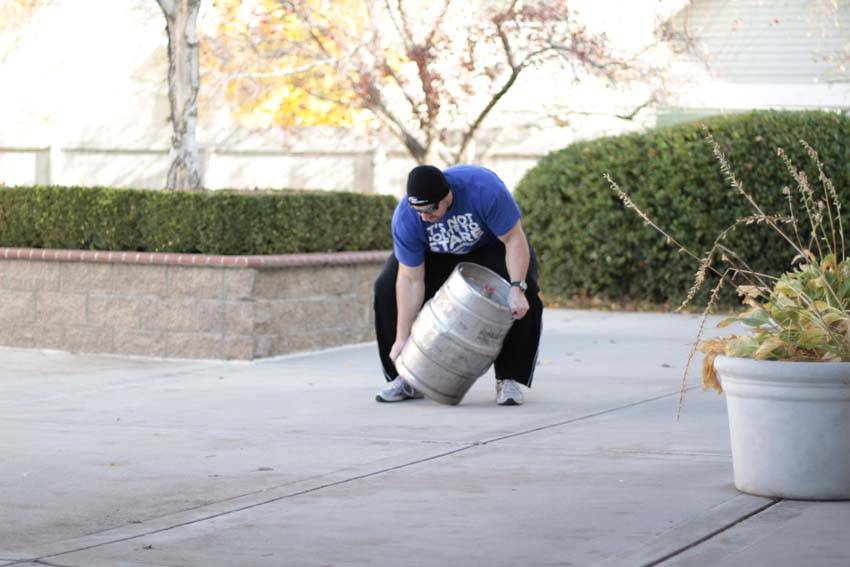
Atlas Stones
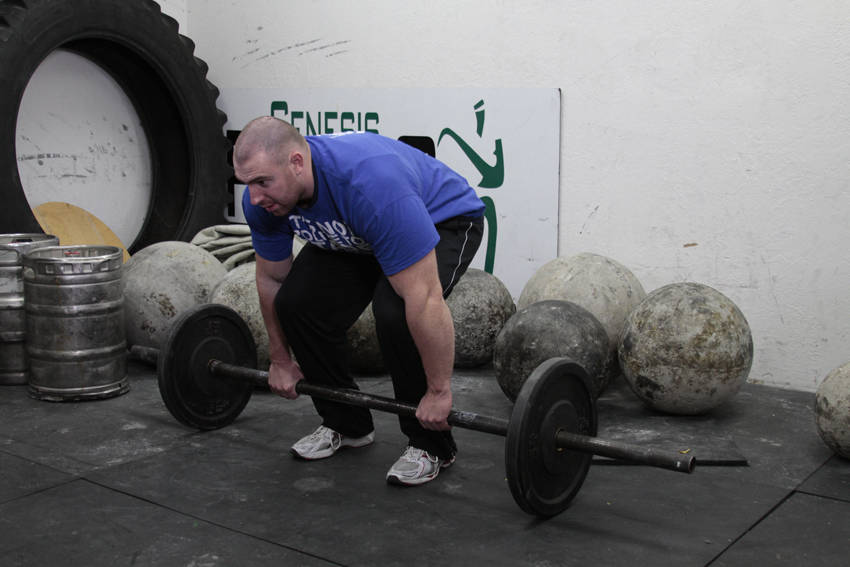
Axle Deadlift
Head-to-Head Comparison
| Attribute | Atlas Stones | Axle Deadlift |
|---|---|---|
| Target Muscle |
Lower-back
|
Lower-back
|
| Body Part |
Back
|
Back
|
| Equipment |
Other
|
Other
|
| Difficulty |
Advanced
|
Advanced
|
| Movement Type |
Compound
|
Compound
|
| Secondary Muscles |
10
|
6
|
Secondary Muscles Activated
Atlas Stones
Axle Deadlift
Visual Comparison
Overview
Atlas Stones vs Axle Deadlift — if you want raw posterior-chain strength and brutal carryover, you’ve picked two heavy hitters. I’ll break down how each exercise loads your lower back, which secondary muscles light up, what equipment you need, and which movement fits strength, hypertrophy, or functional work. You’ll get technique cues, rep ranges (singles to 6–8 reps), injury-risk notes, and clear winners for specific goals. Read this to decide which lift to prioritize in your program and how to progress safely and intentionally.
Key Differences
- Both exercises target the Lower-back using Other. The main differences are in their movement patterns and muscle activation angles.
Pros & Cons
Atlas Stones
+ Pros
- High transfer to real-world lifting and strongman events
- Massive recruitment of core, adductors, forearms and lower back for full-body stability
- Develops awkward-object handling and coordination
- Teaches explosive hip and spine extension through odd-shaped load
− Cons
- Specialty equipment and space required
- Difficult to progress in small weight increments
- Higher technical demand and acute injury risk for uncoached lifters
Axle Deadlift
+ Pros
- Straightforward progressive overload with plates
- High posterior-chain recruitment for hamstrings, glutes and lower back
- Thick-bar grip strengthens forearms and lats distinctly
- Easier to program for both strength (1–6 reps) and hypertrophy (6–12 reps)
− Cons
- Thick bar can limit load if grip is weak
- Less carryover to awkward-object handling compared to stones
- Can be taxing on the lower back if form breaks down
When Each Exercise Wins
Axle deadlifts let you control volume and load precisely (6–12 rep ranges, 3–5 sets) which optimizes time under tension and mechanical overload for muscle growth. The vertical pull and repeatable rep schemes target hamstrings, glutes and lower back more consistently for hypertrophy.
Axle deadlifts provide clearer progressive loading and specificity for maximal strength work (1–5 reps). Their consistent bar path and ability to use straps or chalk let you handle heavier absolute loads to push neural strength adaptations.
The deadlift pattern is easier to coach and scale; you can start with lighter loads, practice hip-hinge mechanics, and gradually increase weight. Atlas Stones demand complex timing and awkward positioning that can overwhelm new lifters.
Axles or thick bars and plates are easier to acquire or mimic at home than a set of atlas stones and platforms. You can also use straps and progressive plate loading to scale workouts in limited space.
Frequently Asked Questions
Can I do both Atlas Stones and Axle Deadlift in the same workout?
Yes — sequence matters: do axle deadlifts earlier for heavy triples or singles (1–5 reps) when your hinge is fresh, then use lighter stone work for technique or endurance. Keep total volume in check to avoid excessive lumbar fatigue.
Which exercise is better for beginners?
Axle deadlift is better for most beginners because the hip-hinge is easier to learn and you can progress in 5–10% weight increments. Stones require complex timing and awkward positioning that usually needs coaching.
How do the muscle activation patterns differ?
Axle deadlifts produce a vertical force vector through a hip-hinge, emphasizing hamstrings, glutes and erectors during lockout; activation is cyclic across reps. Atlas Stones add sustained trunk flexion and wrap forces, increasing abdominal, adductor and forearm co-contraction during the lap-and-press phase.
Can Axle Deadlift replace Atlas Stones?
For general strength and posterior-chain development, yes — axle deadlifts are a practical replacement. For sport-specific strongman preparation or odd-object conditioning that stresses different stabilizers, atlas stones cannot be fully replaced.
Expert Verdict
Choose the axle deadlift if you want precise, programmable strength and hypertrophy work: it supports 1–6 rep maximal strength phases and 6–12 rep hypertrophy blocks with predictable progression. Pick atlas stones when you need sport-specific strongman preparation, functional odd-object handling, and maximal core/adductor demand—use heavy singles and low reps (1–5) with platform progressions. If you can only pick one, prioritize axle deadlifts for long-term, scalable lower-back and posterior-chain development, then add stones periodically to develop real-world stability and transfer.
Also Compare
More comparisons with Atlas Stones
Compare More Exercises
Use our free comparison tool to analyze any two exercises head-to-head.
Compare Exercises