

Atlas Stones vs Cat Stretch: Complete Comparison Guide
Atlas Stones vs Cat Stretch is a comparison that puts an advanced, compound strongman lift against a beginner-level spinal mobility move. You’ll get clear, evidence-based guidance so you can choose the right tool for strength, muscle growth, or recovery. I’ll cover primary and secondary muscle activation, biomechanics (force vectors and length-tension), equipment needs, injury risk, and practical programming tips—including rep ranges and progressions—so you can apply the winner to your training plan immediately.
Exercise Comparison
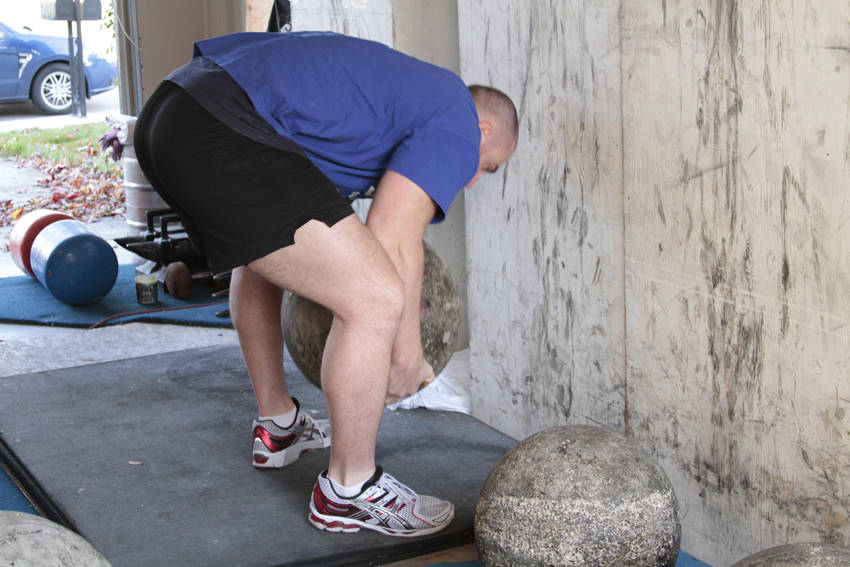
Atlas Stones
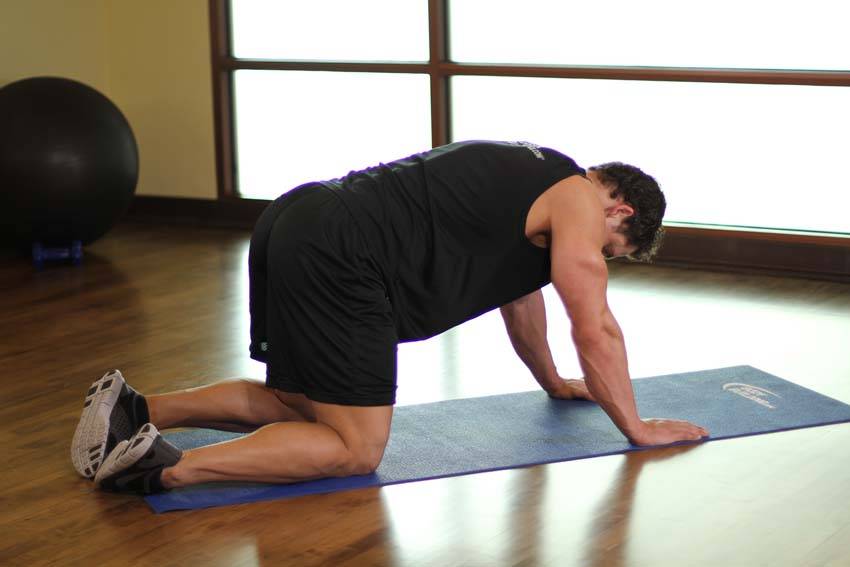
Cat Stretch
Head-to-Head Comparison
| Attribute | Atlas Stones | Cat Stretch |
|---|---|---|
| Target Muscle |
Lower-back
|
Lower-back
|
| Body Part |
Back
|
Back
|
| Equipment |
Other
|
Body-weight
|
| Difficulty |
Advanced
|
Beginner
|
| Movement Type |
Compound
|
Isolation
|
| Secondary Muscles |
10
|
2
|
Secondary Muscles Activated
Atlas Stones
Cat Stretch
Visual Comparison
Overview
Atlas Stones vs Cat Stretch is a comparison that puts an advanced, compound strongman lift against a beginner-level spinal mobility move. You’ll get clear, evidence-based guidance so you can choose the right tool for strength, muscle growth, or recovery. I’ll cover primary and secondary muscle activation, biomechanics (force vectors and length-tension), equipment needs, injury risk, and practical programming tips—including rep ranges and progressions—so you can apply the winner to your training plan immediately.
Key Differences
- Equipment differs: Atlas Stones uses Other, while Cat Stretch requires Body-weight.
- Atlas Stones is a compound movement, while Cat Stretch is an isolation exercise.
- Difficulty levels differ: Atlas Stones is advanced, while Cat Stretch is beginner.
Pros & Cons
Atlas Stones
+ Pros
- Massively tax posterior chain and lumbar extensors for strength and muscle growth
- High systemic overload—benefits neural drive and full-body coordination
- Multiple progression variables: weight, rep range (1–5), and loading frequency
- Builds grip, adductor, and hip stability through multi-joint force transfer
− Cons
- Requires specialized equipment and space
- Steep technical learning curve with higher injury risk if done poorly
- Not practical for daily mobility or low-load recovery work
Cat Stretch
+ Pros
- No equipment and extremely accessible
- Improves lumbar and thoracic mobility and spinal segment control
- Very low injury risk when performed correctly
- Helpful daily warm-up or recovery tool to reduce stiffness
− Cons
- Minimal hypertrophy or maximal strength stimulus
- Limited progression options for long-term overload
- Does not load hips, glutes, or legs meaningfully
When Each Exercise Wins
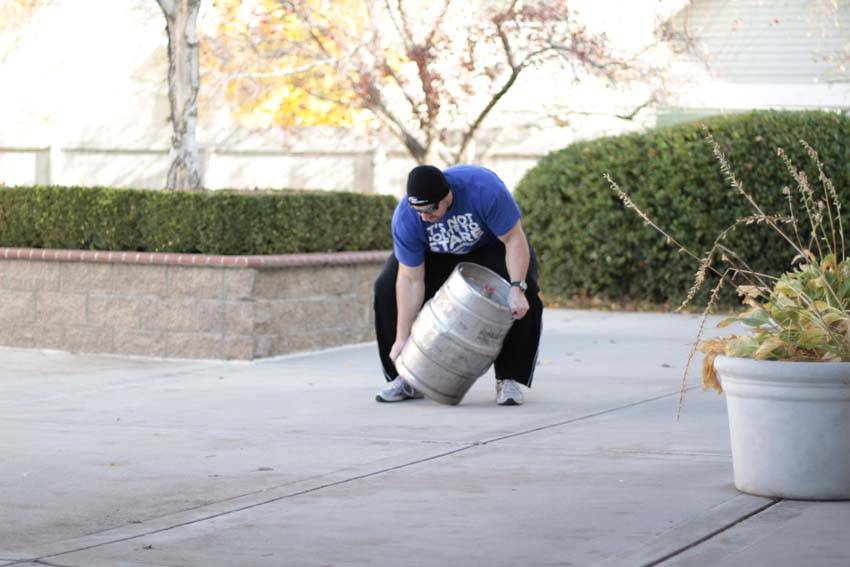
Atlas Stones provide heavy, multi-joint loading and long tension times on the posterior chain, which drive muscle growth. Use heavy sets (1–5 reps) and accessory work to target hypertrophy in glutes, hamstrings, and lower back.
Atlas Stones offer high neural demand and heavy eccentric/concentric loading, ideal for increasing maximal strength and rate of force development. The lift forces coordinated hip extension and trunk stabilization under large external loads.
Cat Stretch teaches spinal mobility and control with almost no load, reducing injury risk while improving movement awareness. It’s a foundational exercise before adding loaded extension patterns.
Cat Stretch needs no equipment and can be done in small spaces, making it perfect for home or travel. Atlas Stones are impractical at home without specialized gear and safe surfaces.
Frequently Asked Questions
Can I do both Atlas Stones and Cat Stretch in the same workout?
Yes — do Cat Stretch as a warm-up or cool-down to prepare the spine and improve mobility, then perform Atlas Stones later in the session when your nervous system is primed. Use Cat Stretch after heavy sets to assist recovery and reduce stiffness.
Which exercise is better for beginners?
Cat Stretch is better for beginners because it teaches spinal control and mobility with negligible load and risk. Start here to build tolerance before progressing to loaded hip-extension patterns.
How do the muscle activation patterns differ?
Atlas Stones produce high eccentric and concentric activation in the lumbar extensors and global posterior chain due to large external loads and hip extension torque. Cat Stretch uses low-amplitude, segmental spinal flexion/extension that emphasizes mobility and neuromuscular control rather than high force output.
Can Cat Stretch replace Atlas Stones?
No—Cat Stretch cannot replace Atlas Stones when the goal is maximal strength or significant posterior-chain hypertrophy. It can complement stones by improving spinal mobility and recovery, but it lacks the mechanical load and force vectors needed for heavy strength adaptations.
Expert Verdict
Use Atlas Stones when your goal is to develop maximal lower-back strength, posterior-chain muscle growth, and full-body force transfer—program heavy sets (1–5 reps) and pair with accessory posterior-chain work. Reserve them for experienced lifters with proper equipment and coaching. Choose Cat Stretch when your aim is mobility, recovery, or preparing the spine for heavier loading—perform 8–15 slow reps or 20–60 second holds to improve lumbar-thoracic control and reduce stiffness. For most training plans, combine both: Cat Stretch as daily mobility and warm-up, Atlas Stones as periodic heavy strength work when available.
Also Compare
More comparisons with Atlas Stones
Compare More Exercises
Use our free comparison tool to analyze any two exercises head-to-head.
Compare Exercises