

Atlas Stones vs Hug Knees To Chest: Complete Comparison Guide
Atlas Stones vs Hug Knees To Chest — you’re comparing a brute-force compound lift with a simple bodyweight isolation move. If you want practical advice you can act on, this guide breaks down technique cues, biomechanics, muscle activation, equipment needs, and programming. I’ll show how each movement stresses the lower back, what secondary muscles light up, the rep ranges to use for strength or endurance, and when to pick one over the other depending on your goal and training environment.
Exercise Comparison
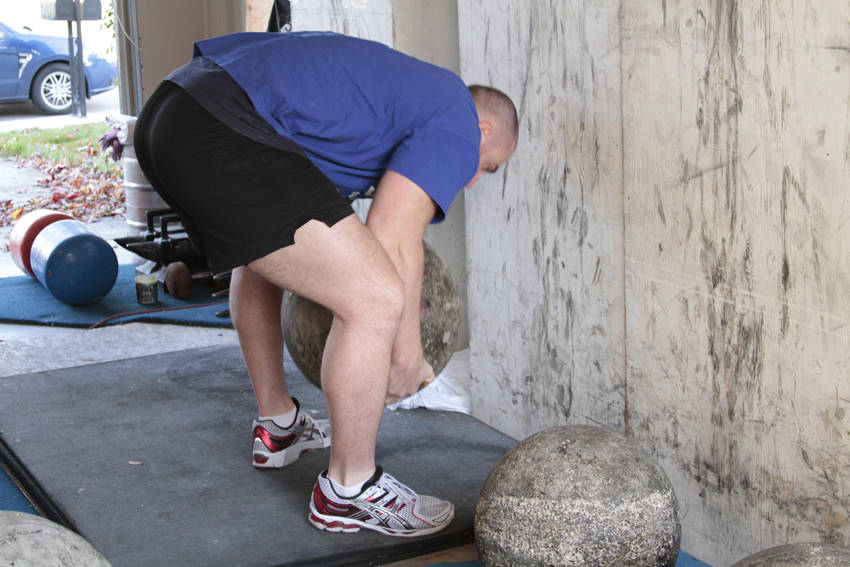
Atlas Stones
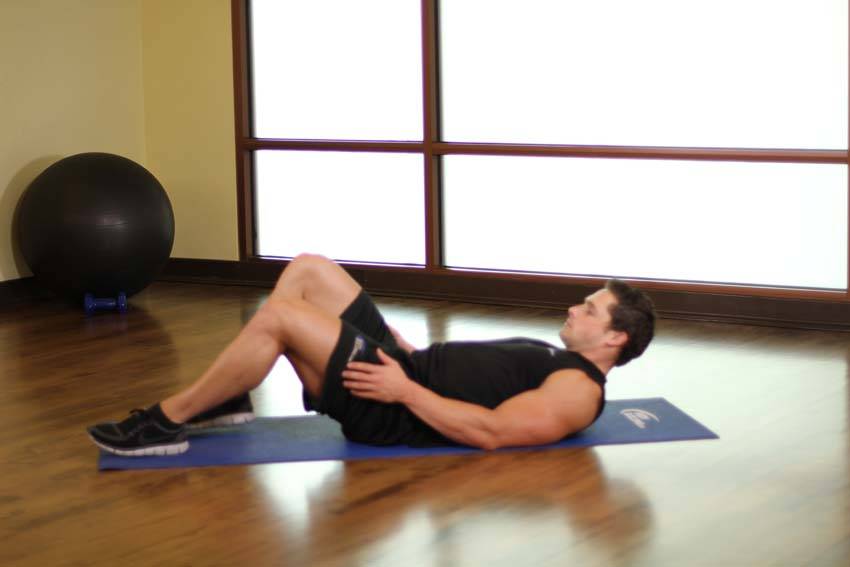
Hug Knees To Chest
Head-to-Head Comparison
| Attribute | Atlas Stones | Hug Knees To Chest |
|---|---|---|
| Target Muscle |
Lower-back
|
Lower-back
|
| Body Part |
Back
|
Back
|
| Equipment |
Other
|
Body-weight
|
| Difficulty |
Advanced
|
Beginner
|
| Movement Type |
Compound
|
Isolation
|
| Secondary Muscles |
10
|
1
|
Secondary Muscles Activated
Atlas Stones
Hug Knees To Chest
Visual Comparison
Overview
Atlas Stones vs Hug Knees To Chest — you’re comparing a brute-force compound lift with a simple bodyweight isolation move. If you want practical advice you can act on, this guide breaks down technique cues, biomechanics, muscle activation, equipment needs, and programming. I’ll show how each movement stresses the lower back, what secondary muscles light up, the rep ranges to use for strength or endurance, and when to pick one over the other depending on your goal and training environment.
Key Differences
- Equipment differs: Atlas Stones uses Other, while Hug Knees To Chest requires Body-weight.
- Atlas Stones is a compound movement, while Hug Knees To Chest is an isolation exercise.
- Difficulty levels differ: Atlas Stones is advanced, while Hug Knees To Chest is beginner.
Pros & Cons
Atlas Stones
+ Pros
- Massive posterior-chain and lower-back overload for strength and muscle growth
- High core and grip demand drives full-body integration
- Wide progression options with heavier stones and platform heights
- Translates to strongman-style functional strength and real-world lifting
− Cons
- Requires specialized equipment and space
- Steep technical learning curve and higher injury risk
- Difficult to program safely without a partner or coach
Hug Knees To Chest
+ Pros
- No equipment, safe and easy to learn
- Useful for lumbar mobility, rehab-style conditioning, and core endurance
- Low impact and low spinal compressive load compared with heavy lifts
- Easy to program into warm-ups, cooldowns, or high-rep circuits
− Cons
- Limited ability to drive maximal strength or large muscle growth
- Minimal carryover to heavy lifting or real-world load handling
- Can be easy to cheat by using momentum or lifting the head/neck
When Each Exercise Wins
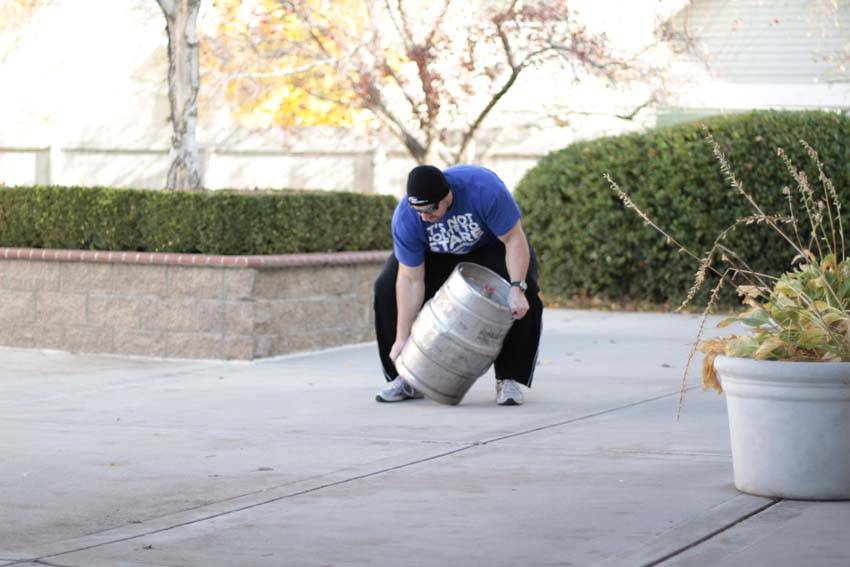
Atlas Stones allow heavy external loading and multi-joint recruitment that stimulates muscle growth across the posterior chain and lower-back. Use 6–12 reps with progressive loading to stimulate hypertrophy in the erectors, glutes and hamstrings.
Atlas Stones permit maximal-load efforts (1–5 reps) and require forceful hip and trunk extension under load, which develops raw lower-back and posterior-chain strength more effectively than a bodyweight isolation move.
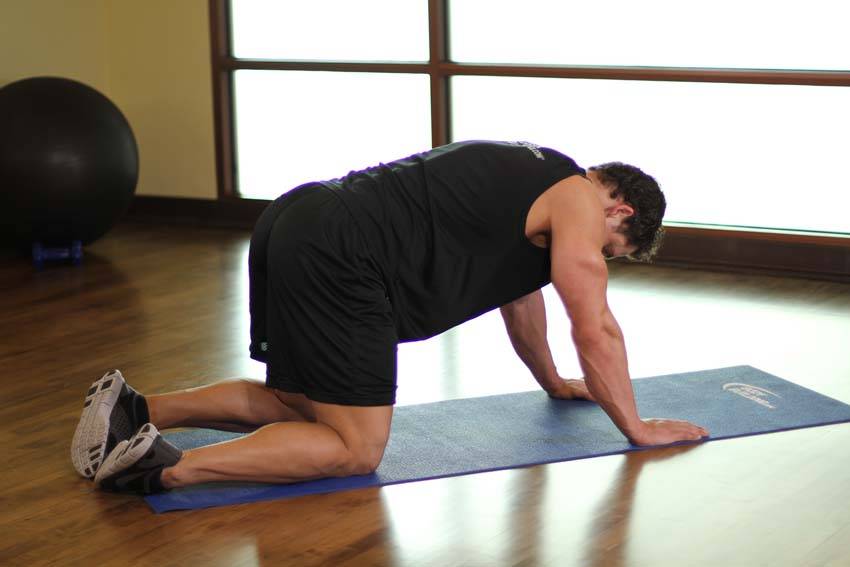
Hug Knees has a shallow learning curve and low external load, making it a safer way to teach spinal positioning, hip mobility and lower-back control before progressing to loaded compound lifts.
Hug Knees requires no equipment, minimal space, and can be scaled by reps or tempo, making it ideal for home programming when you can't access stones or heavy implements.
Frequently Asked Questions
Can I do both Atlas Stones and Hug Knees To Chest in the same workout?
Yes. Do Atlas Stones early when your nervous system is fresh (use 1–6 heavy reps) and add Hug Knees as a mobility or core finisher for 10–20 reps or a 30–60 second hold to restore lumbar range of motion and work endurance.
Which exercise is better for beginners?
Hug Knees To Chest is better for beginners because it teaches pelvic positioning and spinal control with minimal risk. Start here to build mobility and core endurance before attempting heavy, technical lifts like Atlas Stones.
How do the muscle activation patterns differ?
Atlas Stones produce high erector spinae activation under heavy eccentric-to-concentric loading with large hip extension torque, while Hug Knees shifts the spine into flexion so the erectors work more isometrically for stabilization and the abdominals/hip flexors take a larger concentric role.
Can Hug Knees To Chest replace Atlas Stones?
Not if your goal is heavy strength or substantial posterior-chain muscle growth. Hug Knees can substitute for mobility, rehab, or core endurance work, but it won’t replicate the mechanical load, force vectors, or progressive overload potential of Atlas Stones.
Expert Verdict
Use Atlas Stones when your primary goal is maximal posterior-chain strength or substantial muscle growth and you have access to proper equipment and coaching. Program stones for low-rep strength blocks (1–5) or moderate-rep hypertrophy (6–12) while prioritizing hip hinge mechanics and a neutral to slightly extended thoracic position. Choose Hug Knees To Chest when you need a low-risk option for lumbar mobility, core endurance, or a beginner-friendly movement you can do anywhere — perform 10–30 reps or timed holds for mobility and conditioning. If you train both, do stones early in the session and use Hug Knees for warm-up, cooldown or supplemental core work.
Also Compare
More comparisons with Atlas Stones
Compare More Exercises
Use our free comparison tool to analyze any two exercises head-to-head.
Compare Exercises