

Atlas Stones vs Hyperextensions (Back Extensions): Complete Comparison Guide
Atlas Stones vs Hyperextensions (Back Extensions) — if you want a stronger, more resilient lower back you need to pick the right tool. You’ll get a direct comparison of how each movement loads the lumbar erectors, how they recruit hips and hamstrings, and what equipment and progressions they demand. I’ll cover muscle activation, technique cues (hip hinge, neutral spine, pad placement), rep ranges, safety considerations, and clear recommendations for hypertrophy, strength, beginners, and home workouts so you can choose the best fit for your goals.
Exercise Comparison
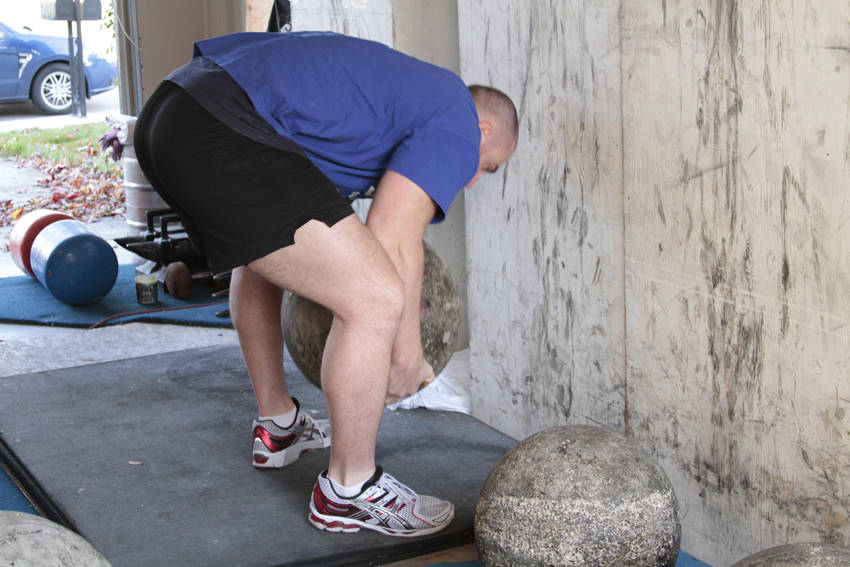
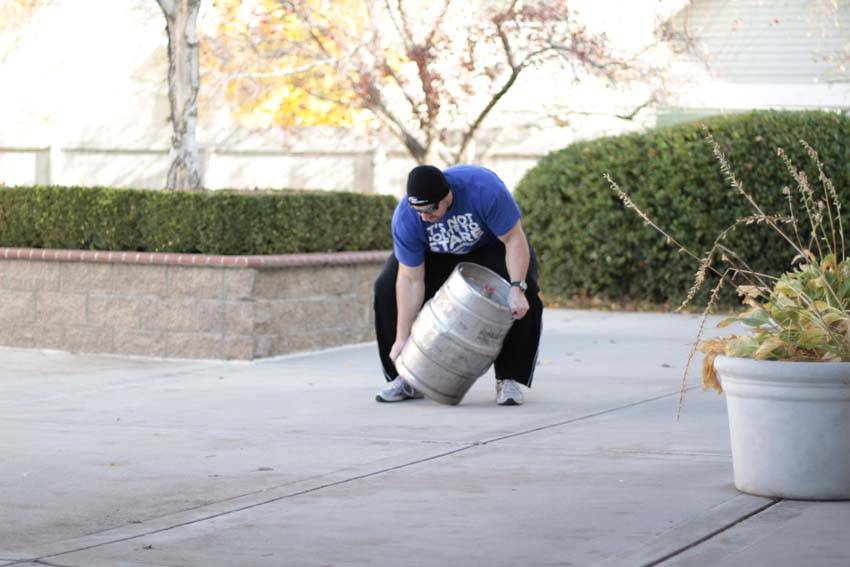
Atlas Stones
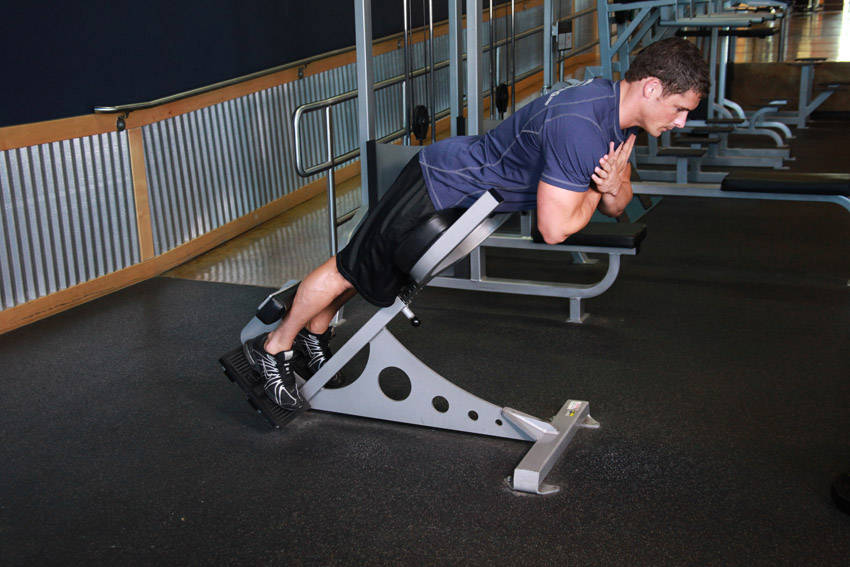
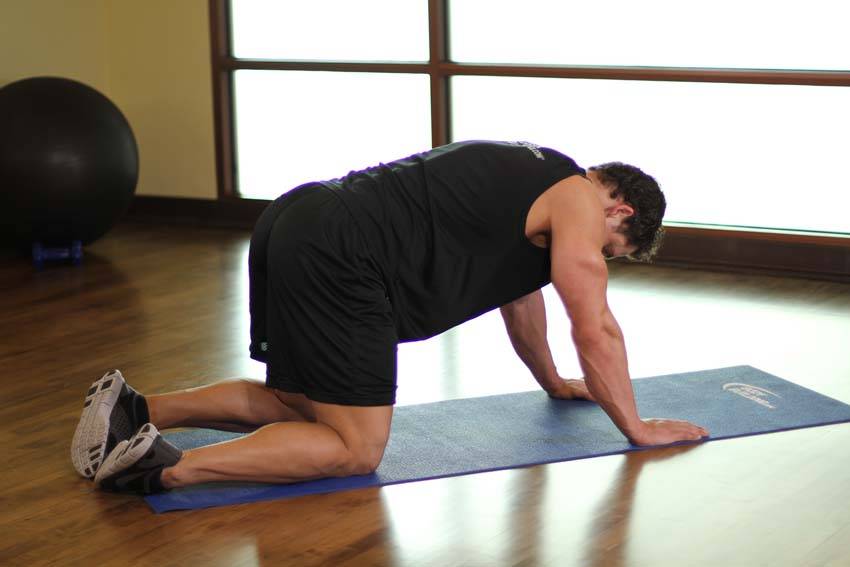
Hyperextensions (back Extensions)
Head-to-Head Comparison
| Attribute | Atlas Stones | Hyperextensions (back Extensions) |
|---|---|---|
| Target Muscle |
Lower-back
|
Lower-back
|
| Body Part |
Back
|
Back
|
| Equipment |
Other
|
Other
|
| Difficulty |
Advanced
|
Intermediate
|
| Movement Type |
Compound
|
Compound
|
| Secondary Muscles |
10
|
2
|
Secondary Muscles Activated
Atlas Stones
Hyperextensions (back Extensions)
Visual Comparison
Overview
Atlas Stones vs Hyperextensions (Back Extensions) — if you want a stronger, more resilient lower back you need to pick the right tool. You’ll get a direct comparison of how each movement loads the lumbar erectors, how they recruit hips and hamstrings, and what equipment and progressions they demand. I’ll cover muscle activation, technique cues (hip hinge, neutral spine, pad placement), rep ranges, safety considerations, and clear recommendations for hypertrophy, strength, beginners, and home workouts so you can choose the best fit for your goals.
Key Differences
- Difficulty levels differ: Atlas Stones is advanced, while Hyperextensions (back Extensions) is intermediate.
- Both exercises target the Lower-back using Other. The main differences are in their movement patterns and muscle activation angles.
Pros & Cons
Atlas Stones
+ Pros
- Massive posterior-chain recruitment: glutes, hamstrings, erectors and quads engage for heavy lifts
- High overload potential — stones scale from light to very heavy for strength progression
- Improves real-world lifting patterns, core stiffness, and grip under awkward loads
- Strongman carryover and functional, full-body demand that builds robust strength
− Cons
- Specialized equipment and space required
- Higher lumbar compression and shear risk if technique or conditioning is inadequate
- Steeper technical learning curve and higher acute injury potential
Hyperextensions (back Extensions)
+ Pros
- Easy to learn and teach; isolates lumbar extensors reliably
- Requires simple equipment (Roman chair/GHD/bench) and adapts well to progressive loading
- Lower acute compressive load compared with heavy atlas stones when performed correctly
- Great for targeted hypertrophy/endurance of the lower back and rehab progressions
− Cons
- Less total-body stimulus and lower absolute loading ceiling
- Limited upper-body and grip development compared with atlas stones
- Risk of harmful lumbar hyperextension if performed aggressively with load
When Each Exercise Wins
Atlas Stones produce a larger systemic stimulus and allow heavier loading, which drives greater overall posterior-chain muscle growth. If your goal is broad hypertrophy across glutes, hamstrings, and lower back, the stone's compound pattern creates more mechanical tension per rep.
Heavier external loads and full-body recruitment make Atlas Stones better for maximal strength and transfer to heavy lifting. The lift trains force production under a large anterior moment and demands total-body bracing, which builds raw strength.
Hyperextensions offer a controlled ROM and simpler mechanics so you can learn spinal stability, hip-hinge timing, and progressive loading safely. They let you build lumbar endurance and glute activation before advancing to awkward heavy loads.
Hyperextensions require minimal, affordable equipment and can be regressed to floor variations or performed on a bench with bands. Atlas Stones are impractical for most home setups due to weight, size, and safety needs.
Frequently Asked Questions
Can I do both Atlas Stones and Hyperextensions (Back Extensions) in the same workout?
Yes. Use hyperextensions as a prioritized accessory for lumbar hypertrophy or volume (8–20 reps) and atlas stones for heavy strength sets (3–6 reps) later in the session. Keep volume and intensity in check to manage cumulative lumbar fatigue.
Which exercise is better for beginners?
Hyperextensions are better for beginners because they teach controlled trunk extension and allow you to build lumbar endurance and glute activation safely. Start with bodyweight or light added load, master form, then progress to heavier compound lifts.
How do the muscle activation patterns differ?
Hyperextensions emphasize isolated lumbar erector contraction across a shorter ROM with strong end-range posterior torque, while atlas stones shift much of the work to hip extensors (glutes/hamstrings) with erectors stabilizing under high anterior load. The atlas pattern creates larger whole-body force vectors and compressive load.
Can Hyperextensions (Back Extensions) replace Atlas Stones?
Not fully. Hyperextensions can replace atlas stones for targeted lumbar conditioning and hypertrophy, but they don’t replicate the heavy anterior loading, grip challenge, or full-body coordination of atlas stones required for maximal strength and strongman carryover. Use them as a precursor or accessory.
Expert Verdict
Use Atlas Stones when you are an advanced lifter seeking maximal posterior-chain overload, functional strength, and strongman-specific carryover. They excel at heavy, compound loading but demand careful technique, progressive loading, and appropriate equipment. Choose Hyperextensions (Back Extensions) when you want a repeatable, lower-risk way to strengthen and hypertrophy the lumbar erectors and improve hip extension mechanics — especially for beginners, rehab, or limited equipment. Program both if possible: use hyperextensions for targeted lumbar work and technical practice, and introduce atlas stones later for high-load, full-body development.
Also Compare
More comparisons with Atlas Stones
More comparisons with Hyperextensions (back Extensions)
Compare More Exercises
Use our free comparison tool to analyze any two exercises head-to-head.
Compare Exercises