

Atlas Stones vs Superman: Complete Comparison Guide
Atlas Stones vs Superman pits an advanced, heavy compound lift against a beginner-friendly bodyweight isolation move. You’ll get a clear breakdown of how each targets the lower back, which secondary muscles come into play, and the biomechanics behind each movement. I’ll cover equipment needs, learning curve, progression options, injury risk, and practical programming cues so you can pick the right tool for muscle growth, strength, or rehab. Read on for technique tips, rep ranges, and specific scenarios where one exercise clearly outperforms the other.
Exercise Comparison
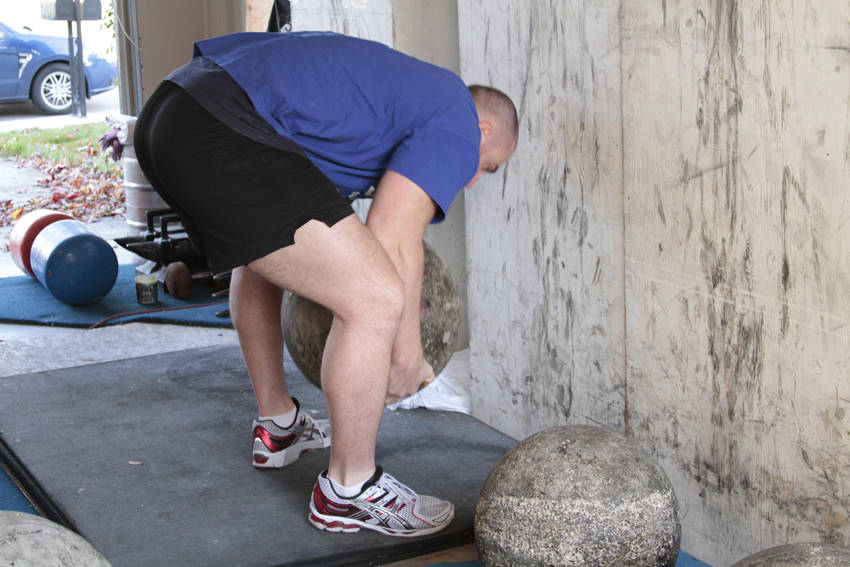
Atlas Stones
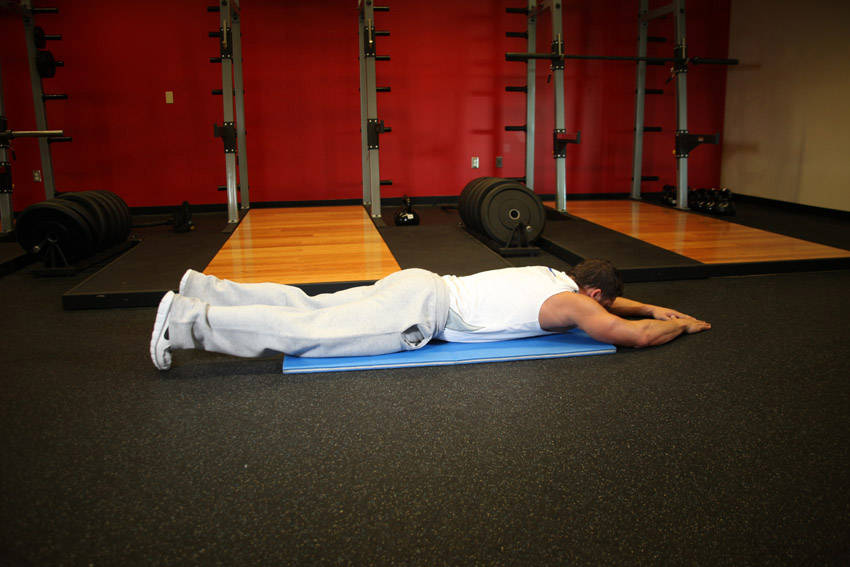
Superman
Head-to-Head Comparison
| Attribute | Atlas Stones | Superman |
|---|---|---|
| Target Muscle |
Lower-back
|
Lower-back
|
| Body Part |
Back
|
Back
|
| Equipment |
Other
|
Body-weight
|
| Difficulty |
Advanced
|
Beginner
|
| Movement Type |
Compound
|
Isolation
|
| Secondary Muscles |
10
|
2
|
Secondary Muscles Activated
Atlas Stones
Superman
Visual Comparison
Overview
Atlas Stones vs Superman pits an advanced, heavy compound lift against a beginner-friendly bodyweight isolation move. You’ll get a clear breakdown of how each targets the lower back, which secondary muscles come into play, and the biomechanics behind each movement. I’ll cover equipment needs, learning curve, progression options, injury risk, and practical programming cues so you can pick the right tool for muscle growth, strength, or rehab. Read on for technique tips, rep ranges, and specific scenarios where one exercise clearly outperforms the other.
Key Differences
- Equipment differs: Atlas Stones uses Other, while Superman requires Body-weight.
- Atlas Stones is a compound movement, while Superman is an isolation exercise.
- Difficulty levels differ: Atlas Stones is advanced, while Superman is beginner.
Pros & Cons
Atlas Stones
+ Pros
- High absolute load for maximal lower-back and hip extension strength
- Massive systemic recruitment—promotes greater muscle growth across posterior chain
- Clear progressive overload via heavier stones or higher sets
- Develops functional strength and grip under awkward loads
− Cons
- Requires specialized equipment and space
- High lumbar compressive and shear forces increase injury risk
- Steep technical learning curve; needs coaching or spotter
Superman
+ Pros
- Accessible—no equipment and easy to teach
- Low-impact way to build posterior chain endurance and motor control
- Safe option for rehab and beginners when performed with neutral neck and core bracing
- Easy to program into high-rep or corrective work
− Cons
- Limited overload potential for strength or hypertrophy without added resistance
- Smaller ROM and lower absolute muscular tension compared to heavy lifts
- Less carryover to maximal strength under load
When Each Exercise Wins
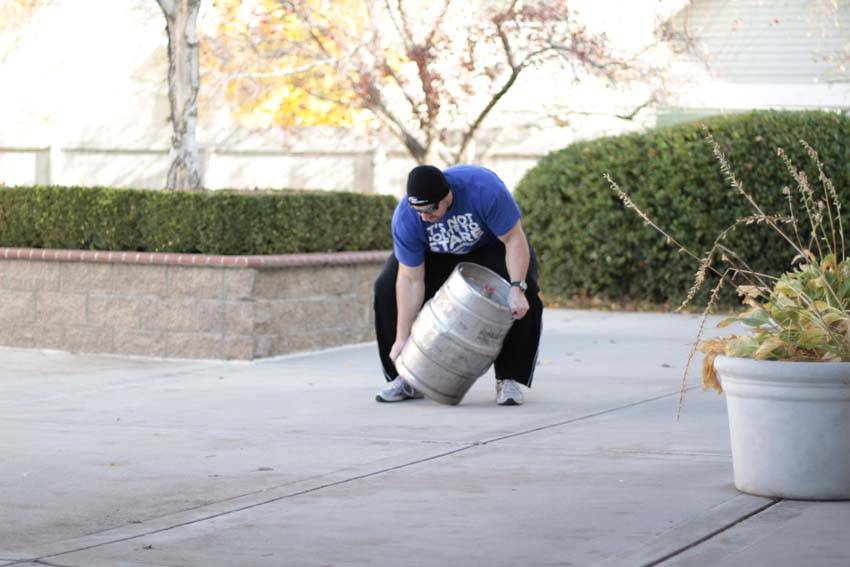
Atlas Stones allow heavy external loading and recruit multiple large muscle groups simultaneously, producing higher mechanical tension and metabolic stress. With 3–8 heavy reps you stimulate greater hypertrophic signaling across erectors, glutes, hamstrings, and traps.
Atlas Stones place large torque demands on hip and spinal extensors and let you progressively add weight, which is essential for maximal strength development. Train near 85–95% of 1RM equivalent (very heavy stones, low reps) for neural and structural adaptation.
Superman teaches spinal extension control and postural endurance with minimal load or risk, letting you build motor control and tissue tolerance before advancing to loaded variations. Aim for 2–4 sets of 8–15 reps or 10–30s holds.
Superman needs just a mat and small space, so you can program it into bodyweight posterior-chain sessions at home. It’s scalable with ankle weights or plates if you want gradual overload.
Frequently Asked Questions
Can I do both Atlas Stones and Superman in the same workout?
Yes. Use Superman as an activation or prehab drill—2–3 sets of 8–15 reps or 10–20s holds—before heavy Atlas Stone work to prime the erectors and glutes. Finish with Supermans for volume or endurance if you need extra posterior-chain conditioning without adding heavy load.
Which exercise is better for beginners?
Superman is better for beginners because it teaches spinal extension and builds endurance with minimal risk. Start with bodyweight holds and progress to weighted variations before attempting heavy, technical lifts like Atlas Stones.
How do the muscle activation patterns differ?
Atlas Stones combine hip and spinal extension with large concentric forces—erectors, glutes, and hamstrings fire strongly during lift-off and lockout. Superman emphasizes isolated spinal extension and isometric control of the erectors with secondary glute/hamstring activation at lower absolute force.
Can Superman replace Atlas Stones?
Superman can replace Atlas Stones for endurance, motor control, or rehab goals, but not for maximal strength or heavy hypertrophy. If your goal is to overload the posterior chain under heavy external resistance, Atlas Stones or other loaded hip/spine-extensors are necessary.
Expert Verdict
Choose Atlas Stones when your priority is maximal lower-back and posterior-chain strength or cross-transfer to heavy, functional tasks—they provide unmatched overload and full-body recruitment but demand coaching, space, and progressive loading. Pick Superman when you need accessible posterior-chain reinforcement, rehab-safe spinal extension work, or a beginner-friendly movement to build endurance and motor control. Program both: use Superman for technique, prehab, or volume work (8–20 reps or long holds), and use Atlas Stones sparingly for heavy strength or hypertrophy blocks (sets of 1–6 heavy reps) once you’ve developed core control and hip-hinge proficiency.
Also Compare
More comparisons with Atlas Stones
Compare More Exercises
Use our free comparison tool to analyze any two exercises head-to-head.
Compare Exercises