

Axle Deadlift vs Cat Stretch: Complete Comparison Guide
Axle Deadlift vs Cat Stretch introduces a clear contrast: a heavy compound lift versus a bodyweight mobility drill. You’ll see how each attacks the lower-back, which muscles are additionally recruited, what equipment and skill each requires, and when to pick one for strength, muscle growth, or recovery. I’ll give technique cues—hip-hinge angles, spine alignment, grip strategy for the thick axle—and mobility timing and breath cues for the Cat Stretch. You’ll also get rep ranges (1–6 for maximal strength, 6–12 for hypertrophy), progression ideas, and decisive recommendations you can use in your next session.
Exercise Comparison
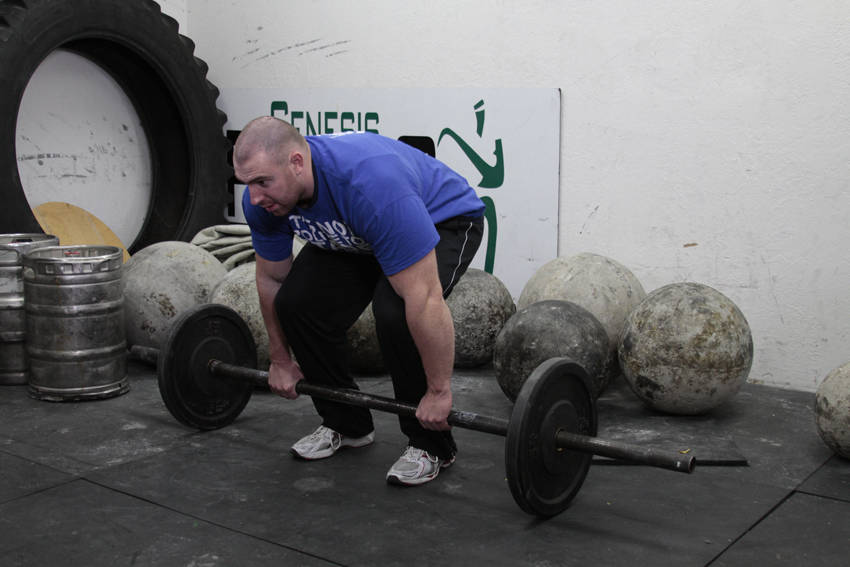
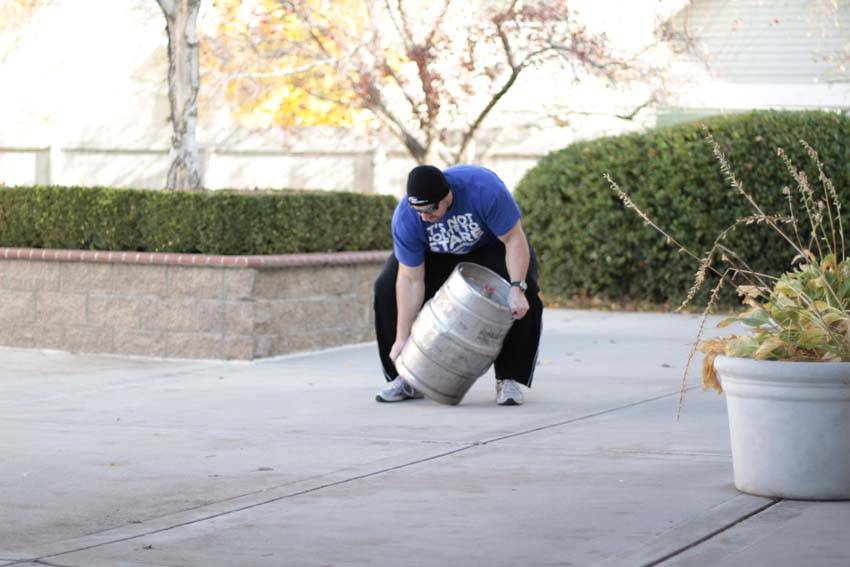
Axle Deadlift
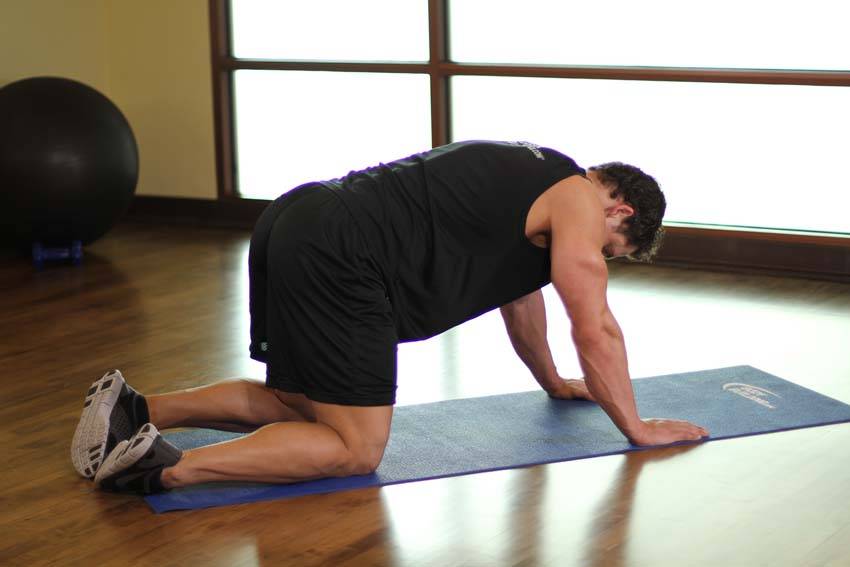
Cat Stretch
Head-to-Head Comparison
| Attribute | Axle Deadlift | Cat Stretch |
|---|---|---|
| Target Muscle |
Lower-back
|
Lower-back
|
| Body Part |
Back
|
Back
|
| Equipment |
Other
|
Body-weight
|
| Difficulty |
Advanced
|
Beginner
|
| Movement Type |
Compound
|
Isolation
|
| Secondary Muscles |
6
|
2
|
Secondary Muscles Activated
Axle Deadlift
Cat Stretch
Visual Comparison
Overview
Axle Deadlift vs Cat Stretch introduces a clear contrast: a heavy compound lift versus a bodyweight mobility drill. You’ll see how each attacks the lower-back, which muscles are additionally recruited, what equipment and skill each requires, and when to pick one for strength, muscle growth, or recovery. I’ll give technique cues—hip-hinge angles, spine alignment, grip strategy for the thick axle—and mobility timing and breath cues for the Cat Stretch. You’ll also get rep ranges (1–6 for maximal strength, 6–12 for hypertrophy), progression ideas, and decisive recommendations you can use in your next session.
Key Differences
- Equipment differs: Axle Deadlift uses Other, while Cat Stretch requires Body-weight.
- Axle Deadlift is a compound movement, while Cat Stretch is an isolation exercise.
- Difficulty levels differ: Axle Deadlift is advanced, while Cat Stretch is beginner.
Pros & Cons
Axle Deadlift
+ Pros
- High mechanical tension on posterior chain for strength and muscle growth
- Thick-bar grip builds forearm strength and challenges grip endurance
- Large progression window via load, sets, and variations
- Efficient full-body compound pattern that transfers to other lifts
− Cons
- Requires special equipment (axle/thick bar) and space
- High technical demand; poor form increases lumbar stress
- Longer recovery needs and greater cumulative fatigue
Cat Stretch
+ Pros
- No equipment and very low injury risk when controlled
- Excellent for spinal mobility, motor control, and warm-up
- Improves segmental control of middle back and traps
- Easy to scale for beginners and rehab settings
− Cons
- Minimal stimulus for strength or hypertrophy of posterior chain
- Limited progressive overload options
- Not a replacement for compound loading when strength is the goal
When Each Exercise Wins
Axle Deadlift wins because hypertrophy depends on mechanical tension and metabolic stress that come from heavy, repeated loading. Use 6–12 rep ranges at 65–85% 1RM or higher-volume sets and variations to increase muscle cross-sectional area in lower back, glutes, and hamstrings.
Axle Deadlift directly trains maximal force production and neural drive; heavy sets of 1–6 reps at 80–95% 1RM teach high-threshold motor unit recruitment, carryover to other lifts, and grip strength specific to a thick bar.
Cat Stretch is safer and faster to learn for novices, teaching spinal awareness, breathing, and scapular control with minimal load. It prepares you for loaded progressions by improving range of motion and reducing maladaptive stiffness.
Cat Stretch requires no equipment and can be done anywhere to maintain spinal health and mobility. The Axle Deadlift requires specialized gear and space, making it impractical for most home setups.
Frequently Asked Questions
Can I do both Axle Deadlift and Cat Stretch in the same workout?
Yes. Use the Cat Stretch as an active mobility warm-up for 8–15 reps or 30–60 seconds to prime spinal flexion/extension and breathing, then progress to Axle Deadlift work sets. The mobility work lowers stiffness and improves movement quality without fatiguing the posterior chain.
Which exercise is better for beginners?
Cat Stretch is better for absolute beginners because it teaches spinal awareness and scapular control with very low risk. Start with mobility and bodyweight control before adding complex, heavy patterns like the Axle Deadlift.
How do the muscle activation patterns differ?
Axle Deadlift elicits high-force concentric hip extension and eccentric control of the lumbar spine, recruiting large motor units in erectors, glutes, and hamstrings. Cat Stretch cycles low-load flexion/extension, emphasizing segmental activation and neuromuscular control rather than high motor-unit recruitment.
Can Cat Stretch replace Axle Deadlift?
No, not when your goal is strength or hypertrophy. Cat Stretch improves mobility and control but lacks the progressive overload and vertical force vectors needed to stimulate significant strength or muscle growth in the posterior chain.
Expert Verdict
Choose the Axle Deadlift when your priority is maximal strength or serious posterior-chain muscle growth—its vertical force vector, high lumbar and hip torque, and thick-bar grip produce the mechanical tension required for long-term progression. Use conservative rep ranges (1–6 for strength, 6–12 for hypertrophy), maintain a neutral spine, and prioritize bracing. Choose the Cat Stretch when your goal is spinal mobility, recovery, or beginner training: it changes erector length-tension relationships, improves segmental control, and lowers injury risk. For most lifters, pair them: use Cat Stretch for warm-up and mobility, and program Axle Deadlift or conventional deadlift variants for heavy loading days.
Also Compare
More comparisons with Axle Deadlift
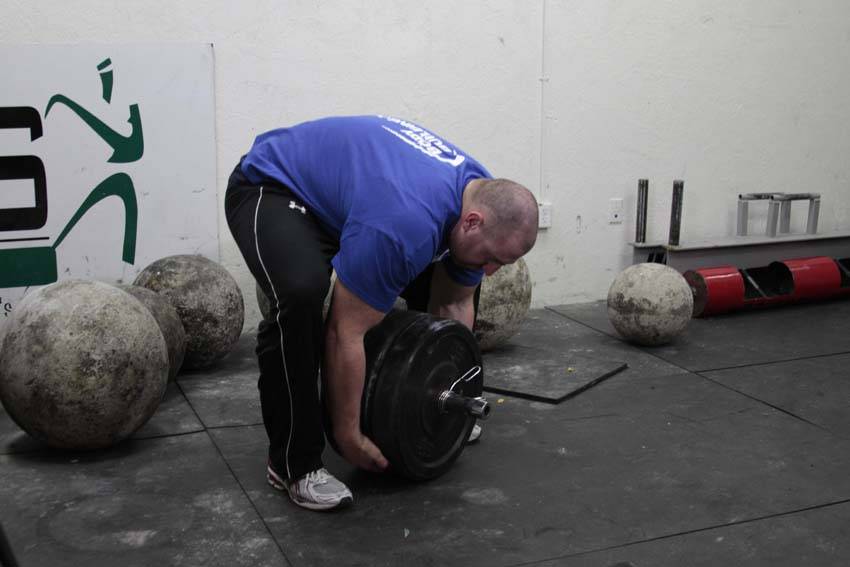
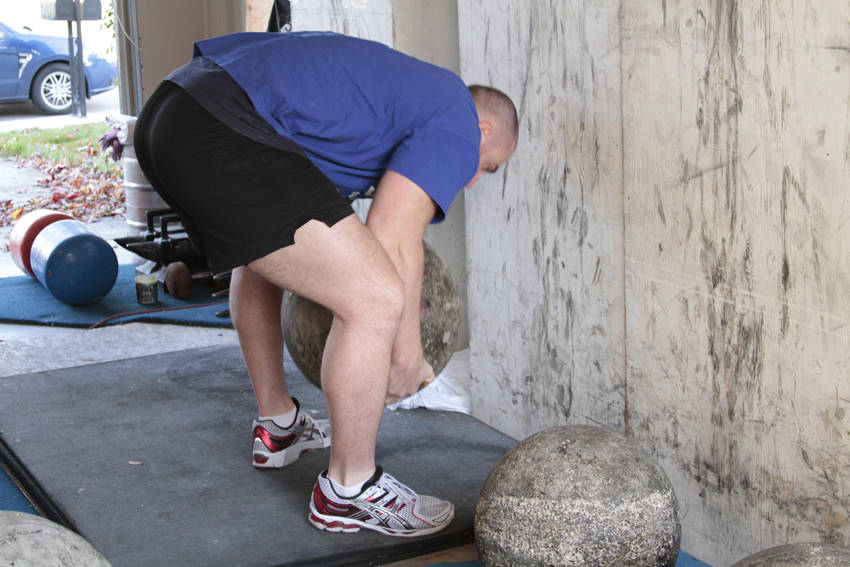
Compare More Exercises
Use our free comparison tool to analyze any two exercises head-to-head.
Compare Exercises