

Axle Deadlift vs Hyperextensions (Back Extensions): Complete Comparison Guide
Axle Deadlift vs Hyperextensions (Back Extensions) — which should you be doing? You’ll get a clear, actionable comparison so you can pick the right move for strength, hypertrophy, or rehab. I’ll cover primary muscle activation, secondary recruitment, biomechanics like hip hinge versus spinal extension, equipment needs, risk profiles, and practical programming cues (rep ranges, loading percentages, and angles). Read on to learn how each exercise stresses the lower back and posterior chain, plus specific technique tips so you can perform either movement safely and effectively.
Exercise Comparison
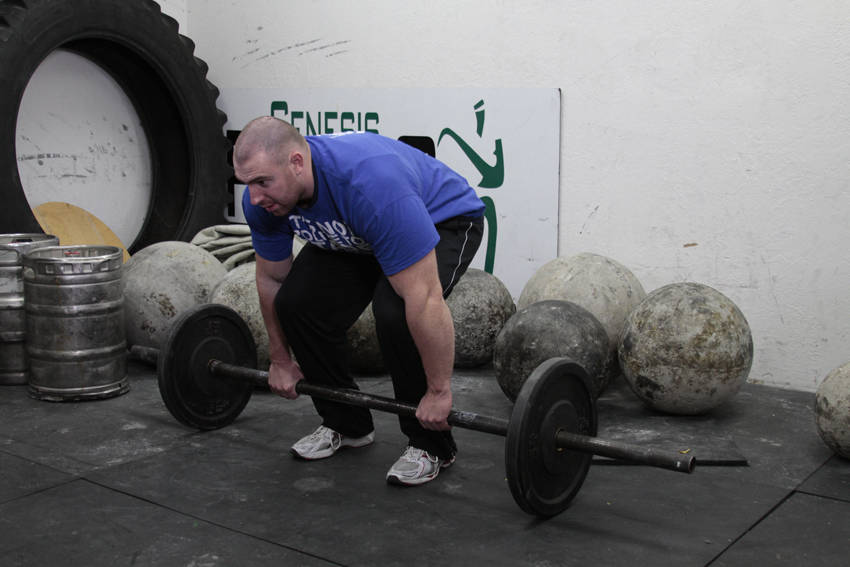
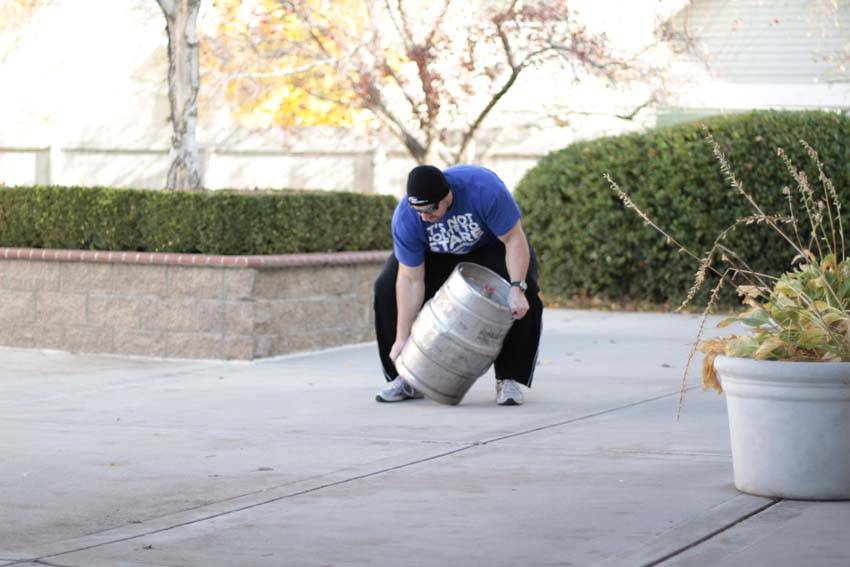
Axle Deadlift
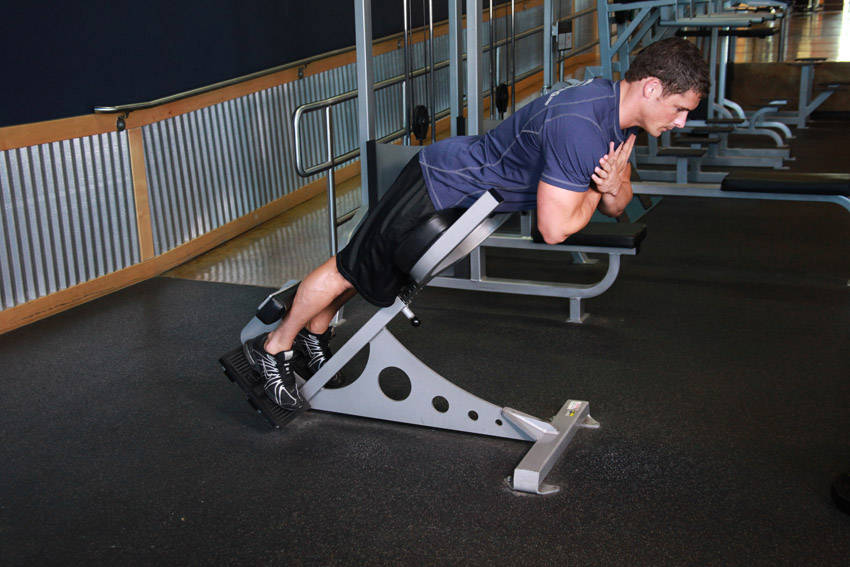
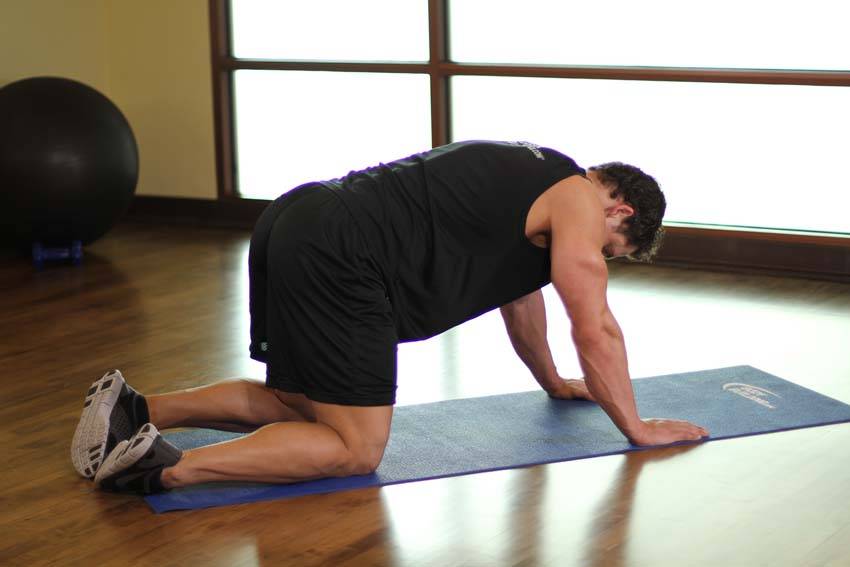
Hyperextensions (back Extensions)
Head-to-Head Comparison
| Attribute | Axle Deadlift | Hyperextensions (back Extensions) |
|---|---|---|
| Target Muscle |
Lower-back
|
Lower-back
|
| Body Part |
Back
|
Back
|
| Equipment |
Other
|
Other
|
| Difficulty |
Advanced
|
Intermediate
|
| Movement Type |
Compound
|
Compound
|
| Secondary Muscles |
6
|
2
|
Secondary Muscles Activated
Axle Deadlift
Hyperextensions (back Extensions)
Visual Comparison
Overview
Axle Deadlift vs Hyperextensions (Back Extensions) — which should you be doing? You’ll get a clear, actionable comparison so you can pick the right move for strength, hypertrophy, or rehab. I’ll cover primary muscle activation, secondary recruitment, biomechanics like hip hinge versus spinal extension, equipment needs, risk profiles, and practical programming cues (rep ranges, loading percentages, and angles). Read on to learn how each exercise stresses the lower back and posterior chain, plus specific technique tips so you can perform either movement safely and effectively.
Key Differences
- Difficulty levels differ: Axle Deadlift is advanced, while Hyperextensions (back Extensions) is intermediate.
- Both exercises target the Lower-back using Other. The main differences are in their movement patterns and muscle activation angles.
Pros & Cons
Axle Deadlift
+ Pros
- High mechanical tension for total posterior-chain strength and hypertrophy
- Thick-bar grip improves forearm strength and grip endurance
- Multiple progression options (load, deficits, pauses, variations)
- Transfers strongly to athletic and power movements due to multi-joint demand
− Cons
- Higher technical demand and steeper learning curve
- Greater injury risk with heavy loads and poor bracing
- Requires heavy equipment and space, limiting accessibility
Hyperextensions (back Extensions)
+ Pros
- Excellent isolation of lumbar erectors for targeted development
- Low equipment barrier — can be done on bench, GHD, or ball
- Easier to teach and control range of motion (good for rehab)
- Lower systemic fatigue; can be used frequently in accessory work
− Cons
- Limited absolute loading and progression ceiling compared to deadlifts
- Less transfer to full-body strength because hips and quads are less involved
- Risk of lumbar hyperextension if done without pelvic control
When Each Exercise Wins
Axle deadlifts create higher mechanical tension across the posterior chain and allow progressive overload at heavier absolute loads (work sets at 6–12 reps using 70–85%+ of 1RM). That sustained axial compression and multi-joint recruitment drives broader muscle growth in erectors, glutes, and hamstrings.
Deadlifts load the spine and hips under high force, enabling strength programming at 85–95% 1RM and specificity for maximal posterior-chain force production. The movement trains intermuscular coordination under heavy loads, which directly improves maximal strength.
Hyperextensions isolate spinal extension with lower absolute load and a controlled fulcrum, making it easier to teach bracing, pelvic control, and correct lumbar activation before progressing to heavy hip-hinge lifts.
A stability ball or bench can replicate hyperextension movements with limited equipment, and bodyweight or small added loads provide useful progression. Axle deadlifts require heavy plates and a thick bar, which are less feasible at home.
Frequently Asked Questions
Can I do both Axle Deadlift and Hyperextensions (Back Extensions) in the same workout?
Yes. Place axle deadlifts early as your primary strength lift when fresh (heavy sets at low reps), then use hyperextensions later as accessory work for 8–20 reps to target the lumbar erectors and improve endurance without crushing recovery.
Which exercise is better for beginners?
Hyperextensions are better for beginners because they teach spinal control and lumbar activation with lower load. Start with bodyweight or a stability ball and master pelvic positioning before attempting heavy axle deadlifts.
How do the muscle activation patterns differ?
Deadlifts use a hip-hinge pattern that loads hamstrings and glutes strongly while erectors stabilize the spine across the lift; peak erector activity is near lockout. Hyperextensions emphasize spinal extension around a fixed hip axis, producing higher lumbar erector activation at the end range with less hip torque.
Can Hyperextensions (Back Extensions) replace Axle Deadlift?
Not fully. Hyperextensions can substitute as a low-risk lumbar-strengthening exercise or accessory for hypertrophy, but they don’t replicate the multi-joint loading, nervous-system demand, or maximal strength transfer that axle deadlifts provide.
Expert Verdict
Use axle deadlifts when your priority is heavy posterior-chain strength and broad hypertrophy: program them for heavy sets (3–6 reps for strength, 6–12 for hypertrophy) and focus on a tight neutral spine, strong brace, and hip hinge. Pick hyperextensions when you need lumbar isolation, rehab-friendly work, or frequent low-fatigue accessory volume — perform 10–20 reps with tempo (2–3s eccentric, 1s hold) and add light plates as you progress. Ideally, integrate both: prioritize axle deadlifts for main lifts and use hyperextensions as targeted accessory work to manage low-back resilience and muscle balance.
Also Compare
More comparisons with Axle Deadlift
More comparisons with Hyperextensions (back Extensions)
Compare More Exercises
Use our free comparison tool to analyze any two exercises head-to-head.
Compare Exercises