

Axle Deadlift vs Superman: Complete Comparison Guide
Axle Deadlift vs Superman — two exercises that load your lower back very differently. If you want to build raw posterior chain strength, or you need a low-equipment option to strengthen your erector spinae and glutes, this comparison will help you choose. I’ll walk you through primary and secondary muscle activation, equipment needs, learning curves, injury risk, and practical programming cues so you can pick the right move for strength, hypertrophy, rehab, or home training. Read on and decide which one belongs in your plan.
Exercise Comparison
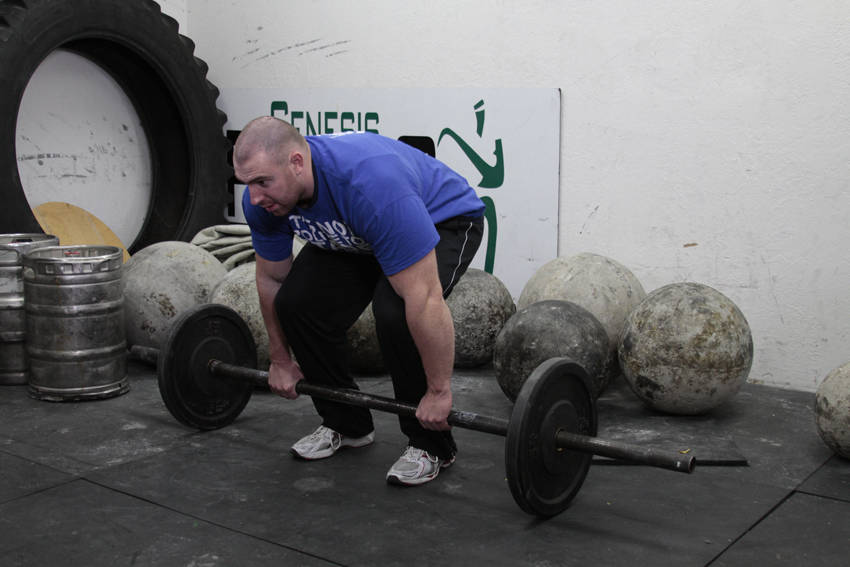
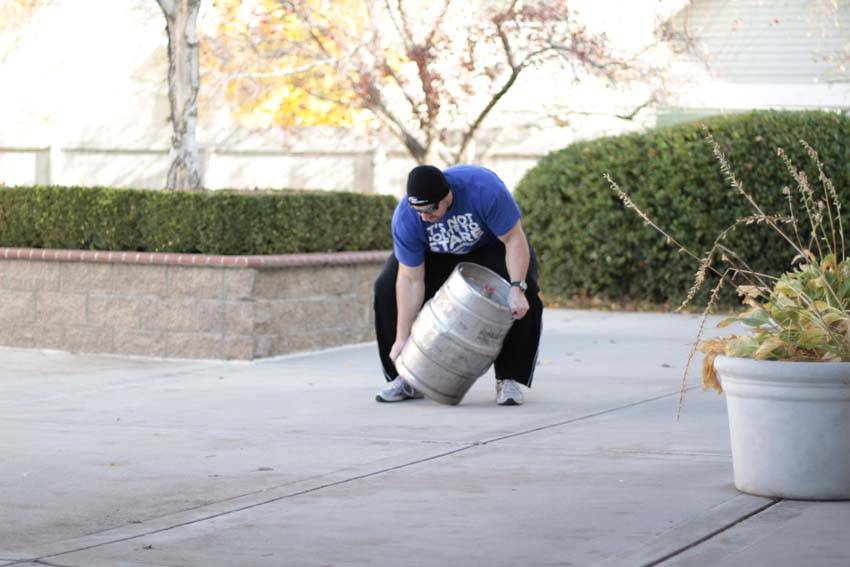
Axle Deadlift
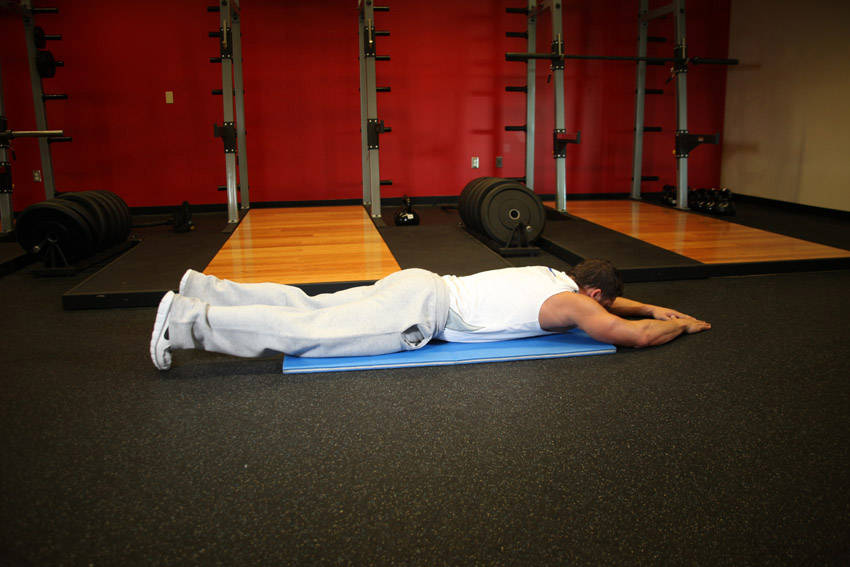
Superman
Head-to-Head Comparison
| Attribute | Axle Deadlift | Superman |
|---|---|---|
| Target Muscle |
Lower-back
|
Lower-back
|
| Body Part |
Back
|
Back
|
| Equipment |
Other
|
Body-weight
|
| Difficulty |
Advanced
|
Beginner
|
| Movement Type |
Compound
|
Isolation
|
| Secondary Muscles |
6
|
2
|
Secondary Muscles Activated
Axle Deadlift
Superman
Visual Comparison
Overview
Axle Deadlift vs Superman — two exercises that load your lower back very differently. If you want to build raw posterior chain strength, or you need a low-equipment option to strengthen your erector spinae and glutes, this comparison will help you choose. I’ll walk you through primary and secondary muscle activation, equipment needs, learning curves, injury risk, and practical programming cues so you can pick the right move for strength, hypertrophy, rehab, or home training. Read on and decide which one belongs in your plan.
Key Differences
- Equipment differs: Axle Deadlift uses Other, while Superman requires Body-weight.
- Axle Deadlift is a compound movement, while Superman is an isolation exercise.
- Difficulty levels differ: Axle Deadlift is advanced, while Superman is beginner.
Pros & Cons
Axle Deadlift
+ Pros
- Enables high absolute overload for strength and muscle growth (3–6 reps for strength, 6–12 for hypertrophy).
- Loads multiple posterior chain muscles and forearms, improving transfer to real-world tasks.
- Develops hip-hinge mechanics and intersegmental core stiffness under load.
- Provides scalable progression through weight, sets, and positional variations (deficit, block pulls).
− Cons
- Requires specialized equipment (axle/fat bar, plates) and gym space.
- Higher technical demand and recovery requirement; poor form increases injury risk.
- Can stress grip and lower back excessively if not programmed or loaded responsibly.
Superman
+ Pros
- No equipment needed — ideal for home or rehab work.
- Low technical barrier; teaches end-range spinal extension and posterior chain endurance.
- Safe introduction to lumbar extension control for beginners and postural work.
- Easily paired with breathing drills and glute activation exercises.
− Cons
- Limited ability to progressive overload for maximal strength or hypertrophy.
- Low stimulus for forearms, traps, and quads compared to heavy compounds.
- If performed with excessive arching, can promote harmful lumbar hyperextension patterns.
When Each Exercise Wins
Axle Deadlift allows heavy, progressive loading and longer time under tension across hips and lumbar extensors, making it superior for muscle growth when programmed with 6–12 rep ranges and proper volume. The ability to manipulate load and tempo yields greater mechanical tension than a Superman.
Axle Deadlift places high axial load and force vectors through the posterior chain, enabling low-rep maximal strength work (1–6 reps), neural adaptation, and carryover to other lifts. Superman cannot provide the same absolute overload for strength.
Superman teaches spinal extension control and glute activation with minimal risk and no equipment, making it ideal for novices to build endurance and motor control before they progress to loaded hinges.
Superman requires only bodyweight and a small space, so it fits home or travel routines, whereas Axle Deadlift needs a thick bar and heavy plates that are usually gym-bound.
Frequently Asked Questions
Can I do both Axle Deadlift and Superman in the same workout?
Yes. Put the Axle Deadlift earlier as your primary heavy lift (after warm-up) and use Supermans afterward as an accessory or cool-down to reinforce extension control and reinforce glute activation with lower loading.
Which exercise is better for beginners?
Superman is better for beginners because it teaches lumbar extension control, requires no equipment, and carries a lower acute injury risk. Once you have consistent bracing and hip-hinge mechanics, introduce light loaded hinges before progressing to an Axle Deadlift.
How do the muscle activation patterns differ?
Axle Deadlift creates high dynamic concentric and eccentric activation across a large hip and torso range under axial load, recruiting glutes, hamstrings, erectors, quads and traps. Superman produces an isometric or small-range concentric pattern focused at end-range spine extension and glute endurance, with lower absolute tension.
Can Superman replace Axle Deadlift?
No, not if your goal is maximal strength or heavy hypertrophy: Superman cannot match the axial load and progressive overload capacity of an Axle Deadlift. It can, however, replace heavy work temporarily for rehab, deloads, or when equipment isn’t available.
Expert Verdict
Use the Axle Deadlift when your goal is maximal posterior chain strength or substantial muscle growth. Its hip-hinge mechanics, high axial load, and capacity for progressive overload (1–6 reps for strength, 6–12 for hypertrophy) make it the primary exercise for advanced trainees who can brace and maintain a neutral spine. Use Superman as a complementary movement: 2–4 sets of 12–30 reps or 15–45 second holds to improve end-range extension, build endurance, and activate glutes safely. For most programs, pair the two — heavy deadlifts as the main compound, Supermans as accessory work to reinforce extension control and reduce injury risk.
Also Compare
More comparisons with Axle Deadlift
Compare More Exercises
Use our free comparison tool to analyze any two exercises head-to-head.
Compare Exercises