

Band Bent-over Hip Extension vs Band Pull Through: Complete Comparison Guide
Band Bent-over Hip Extension vs Band Pull Through — if you want stronger, fuller glutes you should know the trade-offs. I’ll walk you through how each move loads the glutes, the different hamstring and lower-back demands, exact technique cues (hip angles, band placement, knee bend), rep ranges for hypertrophy and strength, and which exercise to pick based on your experience and equipment. Read on to get specific coaching tips, biomechanical reasoning, and clear recommendations so you can choose the right movement for your program.
Exercise Comparison
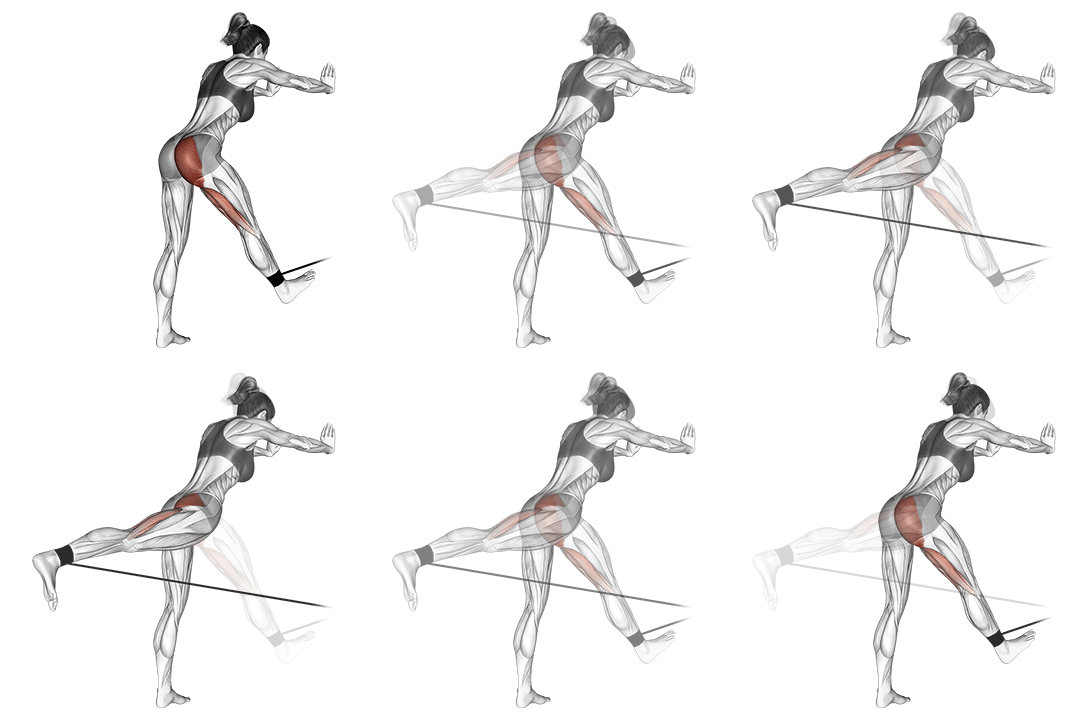
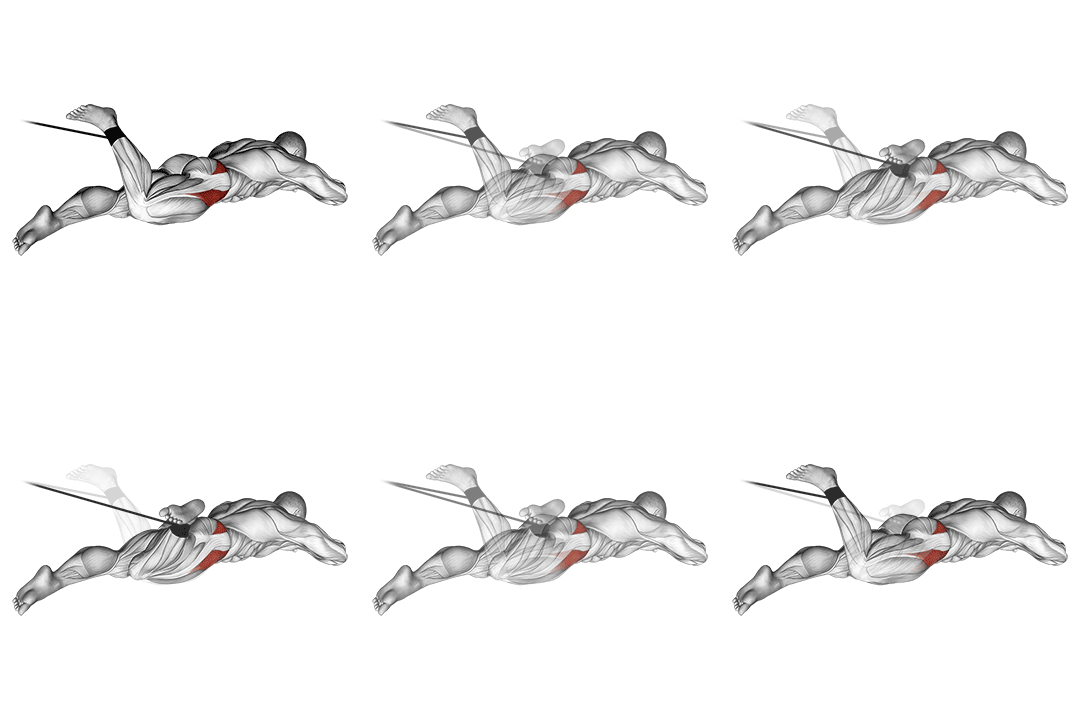
Band Bent-over Hip Extension
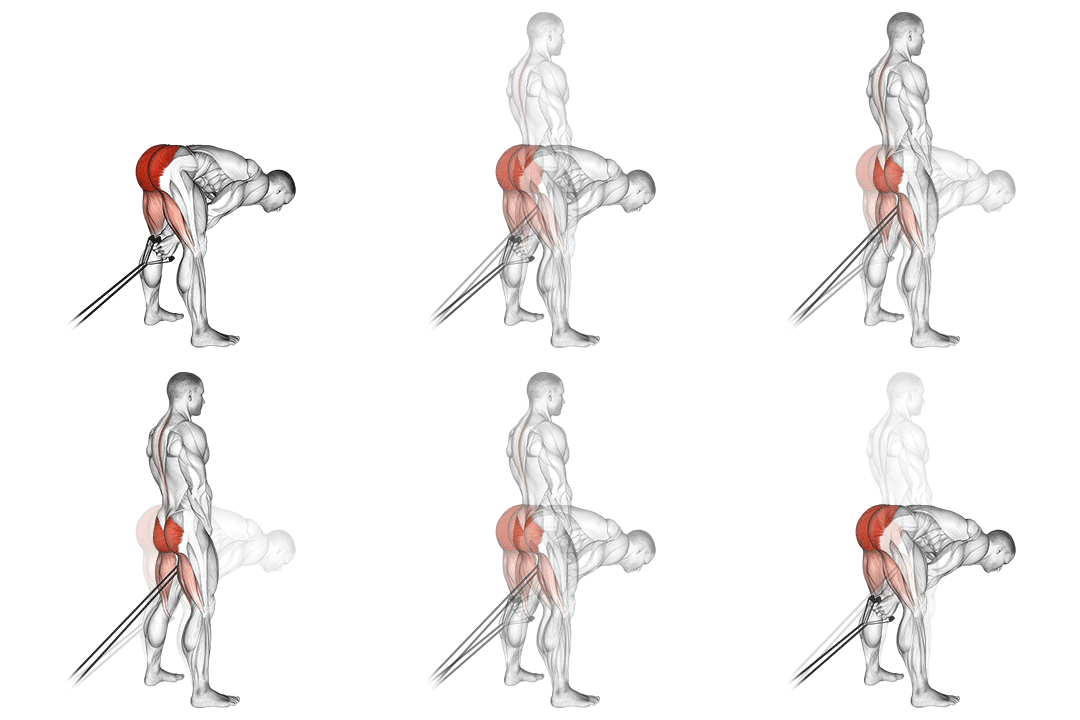
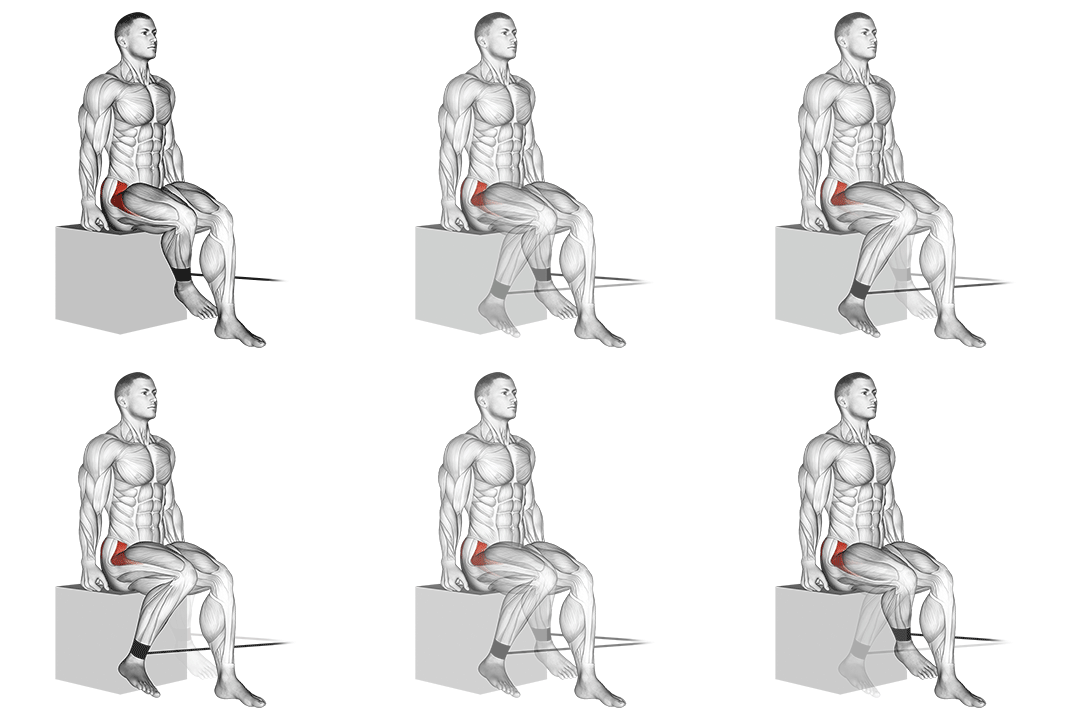
Band Pull Through
Head-to-Head Comparison
| Attribute | Band Bent-over Hip Extension | Band Pull Through |
|---|---|---|
| Target Muscle |
Glutes
|
Glutes
|
| Body Part |
Upper-legs
|
Upper-legs
|
| Equipment |
Band
|
Band
|
| Difficulty |
Beginner
|
Intermediate
|
| Movement Type |
Isolation
|
Compound
|
| Secondary Muscles |
2
|
2
|
Secondary Muscles Activated
Band Bent-over Hip Extension
Band Pull Through
Visual Comparison
Overview
Band Bent-over Hip Extension vs Band Pull Through — if you want stronger, fuller glutes you should know the trade-offs. I’ll walk you through how each move loads the glutes, the different hamstring and lower-back demands, exact technique cues (hip angles, band placement, knee bend), rep ranges for hypertrophy and strength, and which exercise to pick based on your experience and equipment. Read on to get specific coaching tips, biomechanical reasoning, and clear recommendations so you can choose the right movement for your program.
Key Differences
- Band Bent-over Hip Extension is an isolation exercise, while Band Pull Through is a compound movement.
- Difficulty levels differ: Band Bent-over Hip Extension is beginner, while Band Pull Through is intermediate.
- Both exercises target the Glutes using Band. The main differences are in their movement patterns and muscle activation angles.
Pros & Cons
Band Bent-over Hip Extension
+ Pros
- Simple setup—no anchor point required
- Strong peak glute contraction for isolation
- Lower lumbar loading with proper bracing
- Great for high-rep finishers and mind-muscle focus
− Cons
- Smaller overall ROM than pull-through
- Less hamstring and posterior chain carryover
- Harder to achieve very high mechanical work compared to compound hinge
Band Pull Through
+ Pros
- Larger hip ROM increases mechanical work
- Better posterior chain integration (hamstrings, erectors)
- Easily scaled by using thicker bands or doubling bands
- Transfers well to hip-hinge strength for deadlifts and sprinting
− Cons
- Requires anchor/setup and more space
- Higher technical demand on hip hinge and pelvic control
- Greater lumbar and hamstring strain risk if done poorly
When Each Exercise Wins
The pull-through provides a longer hip flexion-to-extension ROM and greater mechanical work per rep. Use 8–12 reps with heavy band tension to maximize time under tension and muscle growth.
Because it loads the hip hinge pattern and posterior chain more effectively, the pull-through builds strength transfer to deadlifts and hip-thrust movement patterns. Focus on heavier bands and 4–8 controlled reps.
Easier to learn and safer for new lifters: smaller ROM, simpler setup, and lower demands on pelvic stability let you build a reliable glute contraction first.
Requires less space and no anchor point. It’s ideal for quick, effective glute sessions when you have one band and limited room.
Frequently Asked Questions
Can I do both Band Bent-over Hip Extension and Band Pull Through in the same workout?
Yes. Pair the pull-through as your main hip-hinge set (6–12 reps) and finish with bent-over hip extensions for 12–20 reps to boost metabolic stress and isolate the glutes. Sequence compound then isolation to prioritize strength and then hypertrophy.
Which exercise is better for beginners?
Band Bent-over Hip Extension is better for beginners because it’s easier to cue (hinge slightly, squeeze the glutes) and places less demand on pelvic control. Start here to learn a strong contraction before progressing to pull-throughs.
How do the muscle activation patterns differ?
Pull-throughs load the glutes from a lengthened position into full extension, increasing hamstring and erector involvement due to the posterior force vector and deeper hinge. Bent-over extensions emphasize peak glute contraction at shorter hamstring stretch, isolating the glute maximus more.
Can Band Pull Through replace Band Bent-over Hip Extension?
It can in many programs if your goal is overall posterior-chain development, but it won’t fully replace the isolation effect. Keep bent-over extensions as a finisher when you need focused glute recruitment or lower lumbar stress is a concern.
Expert Verdict
Use the Band Pull Through when you want compound posterior-chain work, higher mechanical load, and carryover to hip-hinge strength—aim for 6–12 heavy reps, emphasizing a controlled hinge from ~70–90° hip flexion to full extension. Choose the Band Bent-over Hip Extension when you want targeted glute isolation, lower lumbar loading, or a simple home option—perform 12–20 reps, focus on peak contraction, and keep a neutral spine with a 10–20° knee bend. Ideally, program the pull-through as a primary strength/hypertrophy movement and the bent-over as an accessory or finisher to prioritize glute activation.
Also Compare
More comparisons with Band Bent-over Hip Extension
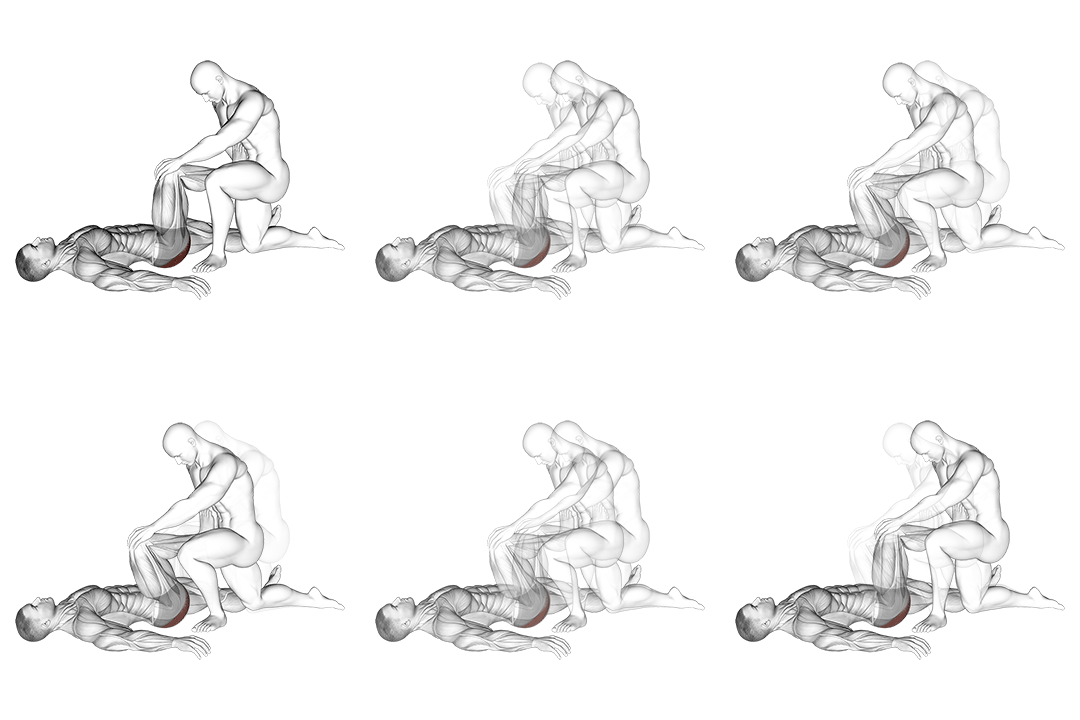
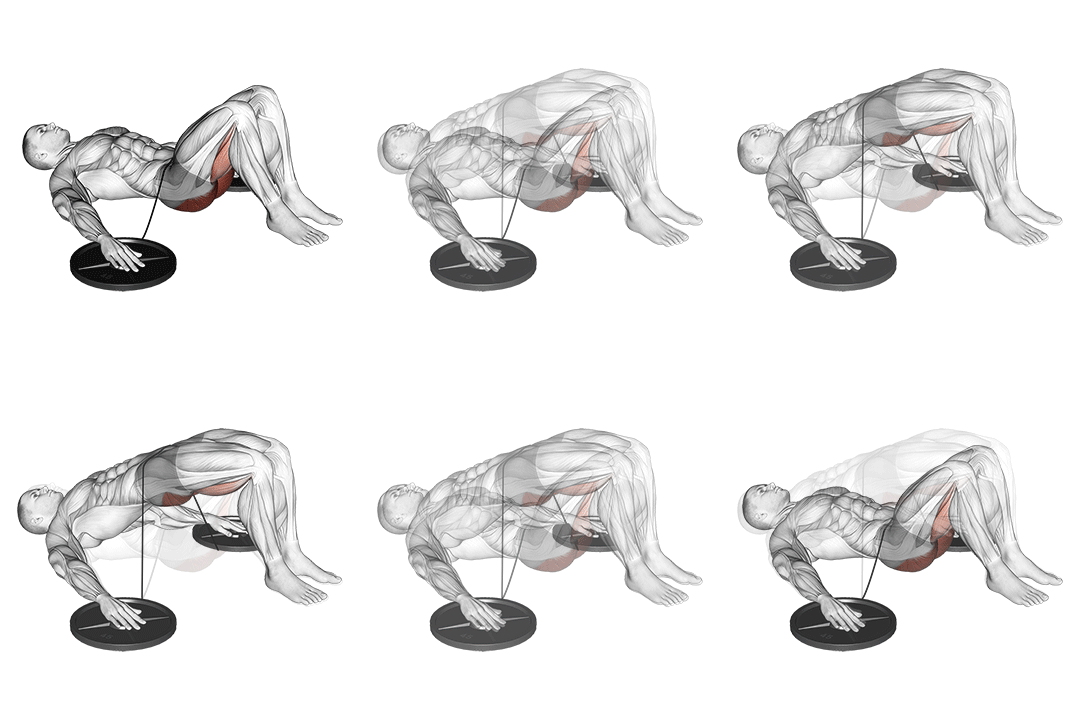
More comparisons with Band Pull Through
Compare More Exercises
Use our free comparison tool to analyze any two exercises head-to-head.
Compare Exercises