

Band Bent-over Hip Extension vs Band Seated Hip Internal Rotation: Complete Comparison Guide
Band Bent-over Hip Extension vs Band Seated Hip Internal Rotation — two beginner-friendly band isolation moves that target your glutes but load them differently. If you want practical guidance, this piece compares muscle activation, equipment needs, technique cues, progression options, and injury risk. You’ll get clear recommendations for muscle growth, strength, beginners, and home workouts plus rep ranges and specific biomechanical reasons why one exercise will serve your goal better than the other.
Exercise Comparison
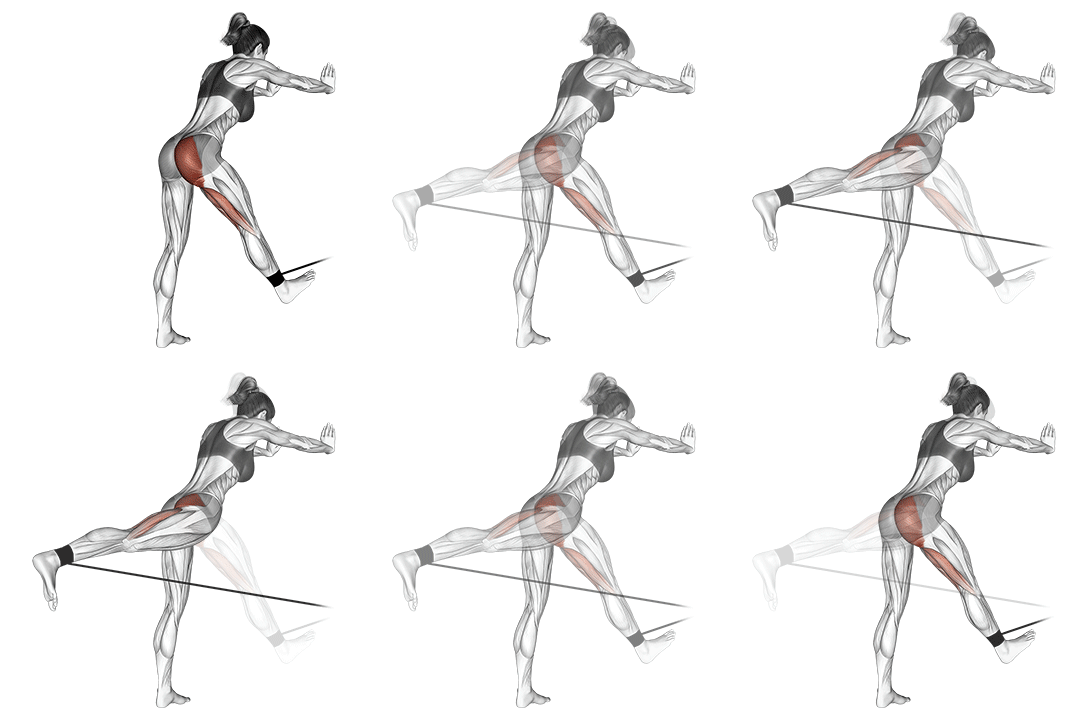
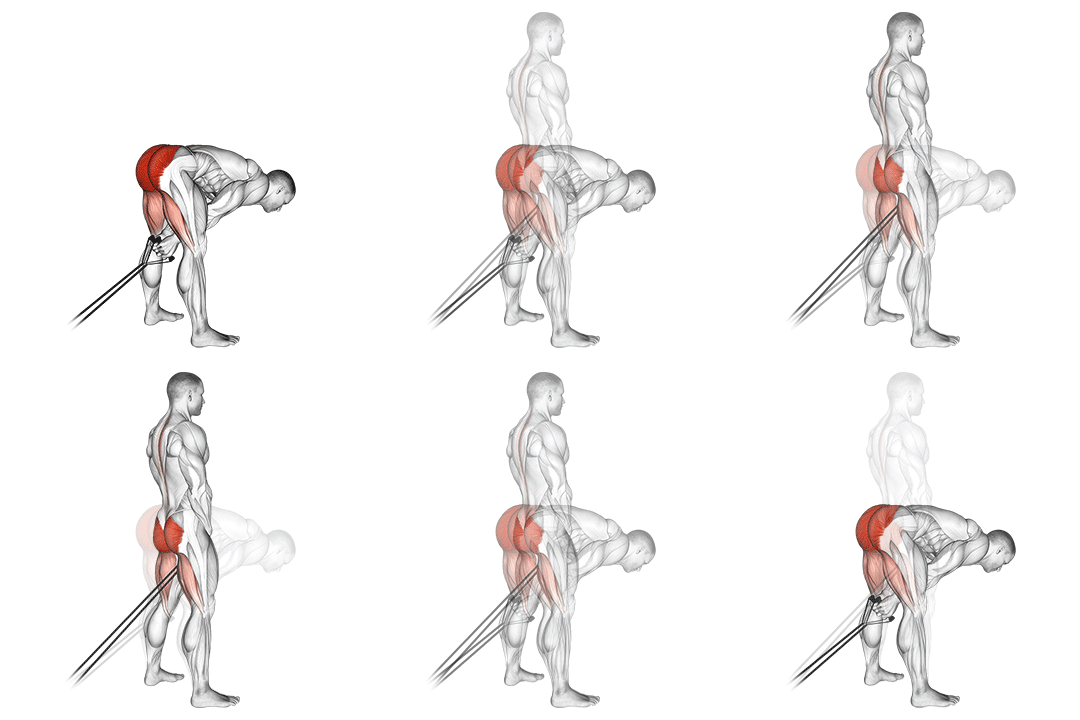
Band Bent-over Hip Extension
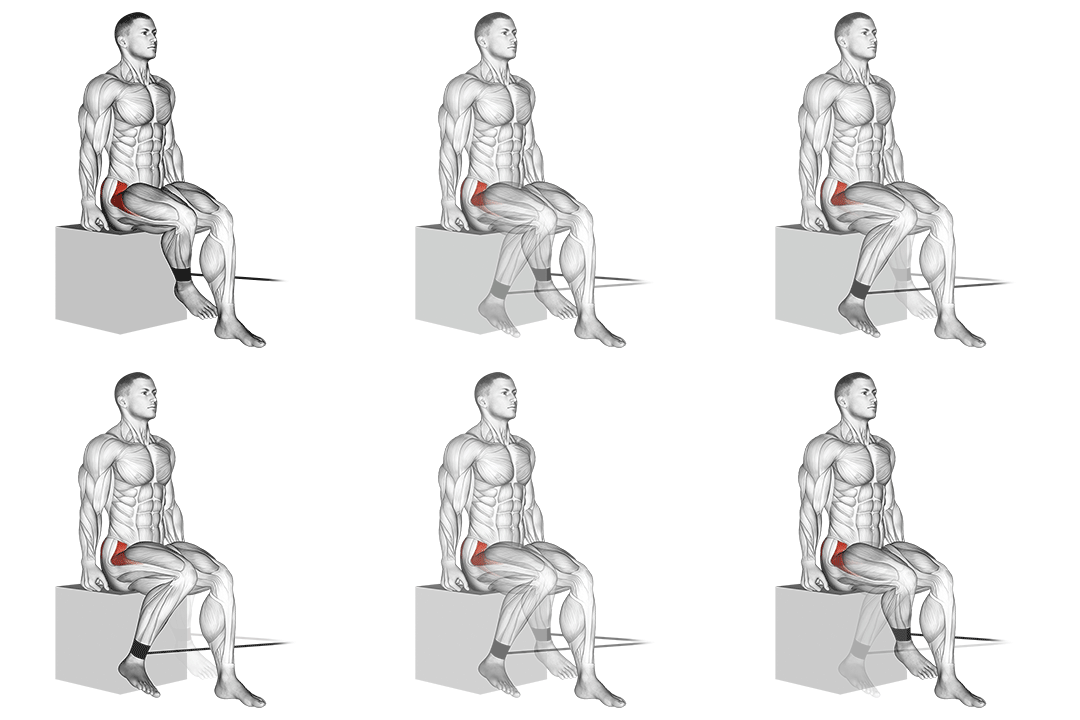
Band Seated Hip Internal Rotation
Head-to-Head Comparison
| Attribute | Band Bent-over Hip Extension | Band Seated Hip Internal Rotation |
|---|---|---|
| Target Muscle |
Glutes
|
Glutes
|
| Body Part |
Upper-legs
|
Upper-legs
|
| Equipment |
Band
|
Band
|
| Difficulty |
Beginner
|
Beginner
|
| Movement Type |
Isolation
|
Isolation
|
| Secondary Muscles |
2
|
2
|
Secondary Muscles Activated
Band Bent-over Hip Extension
Band Seated Hip Internal Rotation
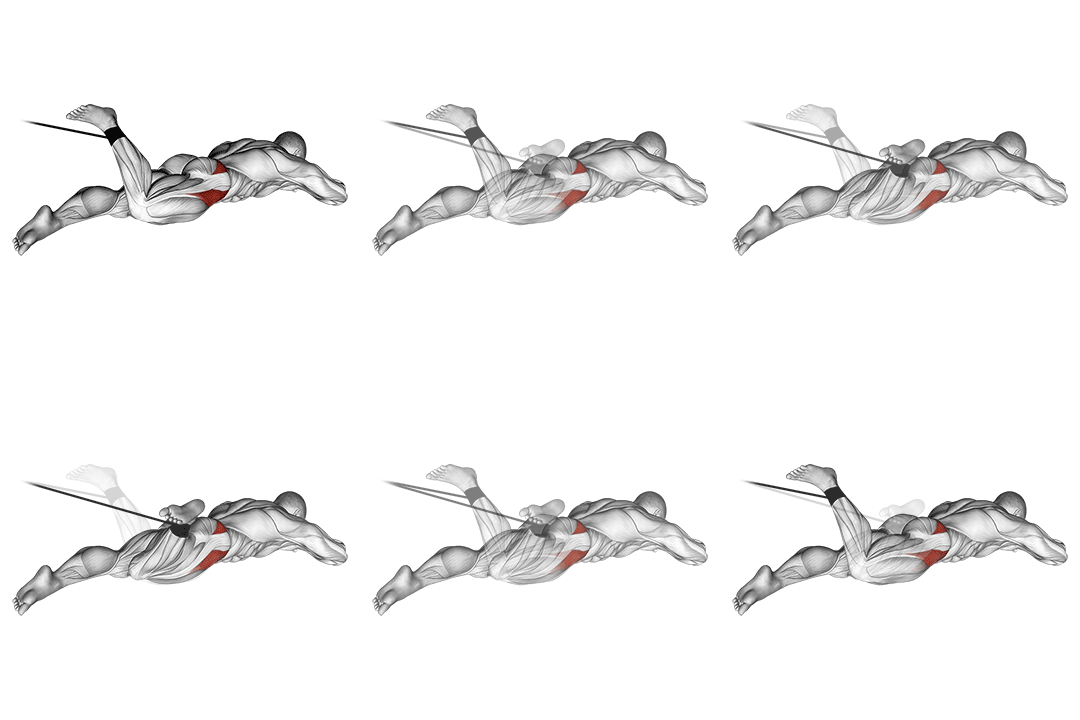
Visual Comparison
Overview
Band Bent-over Hip Extension vs Band Seated Hip Internal Rotation — two beginner-friendly band isolation moves that target your glutes but load them differently. If you want practical guidance, this piece compares muscle activation, equipment needs, technique cues, progression options, and injury risk. You’ll get clear recommendations for muscle growth, strength, beginners, and home workouts plus rep ranges and specific biomechanical reasons why one exercise will serve your goal better than the other.
Key Differences
- Both exercises target the Glutes using Band. The main differences are in their movement patterns and muscle activation angles.
Pros & Cons
Band Bent-over Hip Extension
+ Pros
- Higher gluteus maximus activation thanks to direct hip-extension torque.
- Easier to progressively overload with thicker bands and heavy resistance.
- Trains posterior chain patterning (hip hinge) useful for athletic movements.
- Improves hip extension strength and horizontal force production.
− Cons
- Requires solid hip-hinge form to protect the lower back.
- Needs more space and balance than seated options.
- Can underload medial glute fibers (hip rotators) compared to rotational drills.
Band Seated Hip Internal Rotation
+ Pros
- Very beginner-friendly and low balance demand (performed seated).
- Directly targets glute medius/minimus and internal rotation control.
- Minimal spinal loading, safe for lower-back sensitive individuals.
- Simple to set up at home with a chair and loop band.
− Cons
- Limited absolute overload potential compared with hip-extension patterns.
- Less carryover to explosive hip extension strength.
- May place stress on knee joint if tibial rotation is uncontrolled.
When Each Exercise Wins
Its force vector and longer moment arm better load the gluteus maximus and posterior chain, allowing heavier band tension and lower-rep strength work (6–12 reps) or hypertrophy sets (8–15 reps) to drive muscle growth.
The hip-extension torque closely mimics functional strength demands and lets you increase external resistance and time-under-tension to build force capacity across the hip hinge.
Seated position reduces balance and spinal demands, making it easier to learn isolated hip control and medial glute activation with clear ranges (rotate 20°–45°) and high-rep work (12–25).
Requires only a chair and a band, minimal space, and quick setup, so you can add it to circuits or warm-ups without risking back strain.
Frequently Asked Questions
Can I do both Band Bent-over Hip Extension and Band Seated Hip Internal Rotation in the same workout?
Yes. Pair them intelligently: start with seated internal rotations for activation and neuromuscular control (2–3 sets of 12–20) then perform bent-over extensions for strength/hypertrophy (3–5 sets of 6–15). This order primes medial glutes and reduces compensation during heavier hip-extension work.
Which exercise is better for beginners?
Band Seated Hip Internal Rotation is better for absolute beginners because it isolates hip rotators with minimal balance or lumbar demand. It teaches hip control before adding hinge patterns like the bent-over extension.
How do the muscle activation patterns differ?
Bent-over hip extension produces peak gluteus maximus activation near full extension due to a larger hip-extension moment arm and posterior chain loading. Seated internal rotation emphasizes the gluteus medius/minimus early in the rotation range as those fibers control femoral internal rotation and pelvic stability.
Can Band Seated Hip Internal Rotation replace Band Bent-over Hip Extension?
Not entirely. Seated internal rotation improves hip control and medial glute activation but lacks the same overload potential and hip-extension mechanics needed for maximal posterior chain strength and hypertrophy. Use it as a supplement or rehab tool rather than a full replacement.
Expert Verdict
Use the Band Bent-over Hip Extension when your goal is to build gluteus maximus size and hip-extension strength: load the band so the final 10°–0° of hip extension is challenging, hinge at 30°–45° hip flexion, keep a neutral spine, and train in 6–15 rep ranges. Choose Band Seated Hip Internal Rotation when you need targeted medial glute work, rehab or prehab for hip control, or a low-back-friendly option: sit tall, keep knee at 90°, and rotate the femur inward 20°–45° for 12–25 reps. Ideally, pair them across phases—use seated rotation for motor control and bent-over extensions for overload and progressive strength.
Also Compare
More comparisons with Band Bent-over Hip Extension
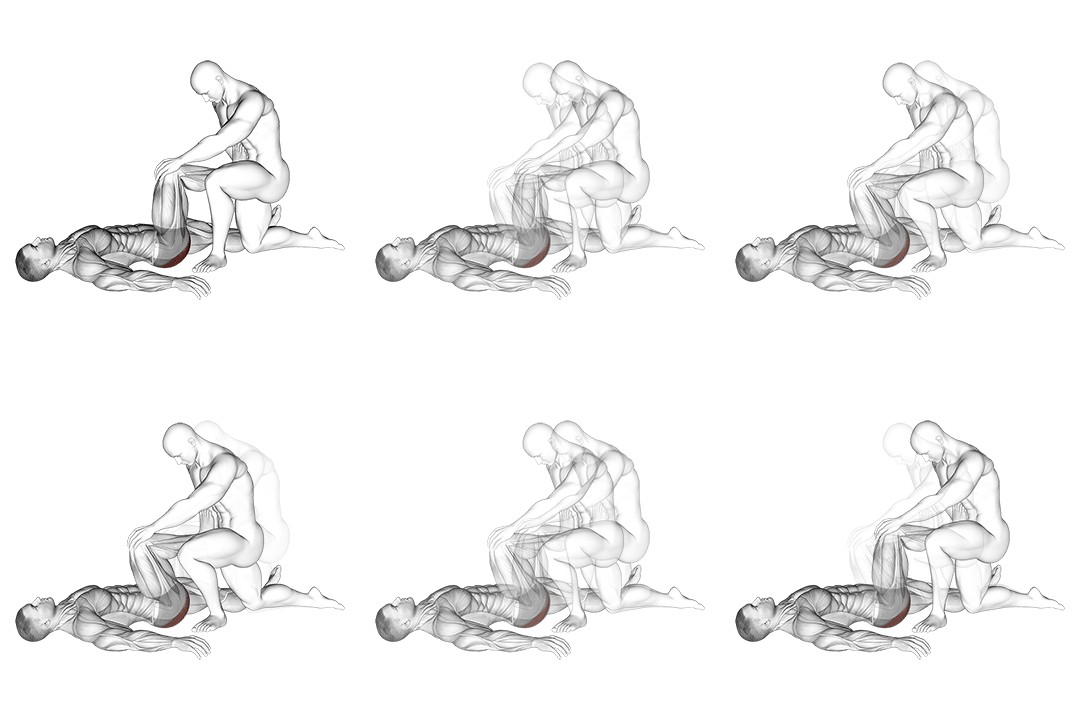
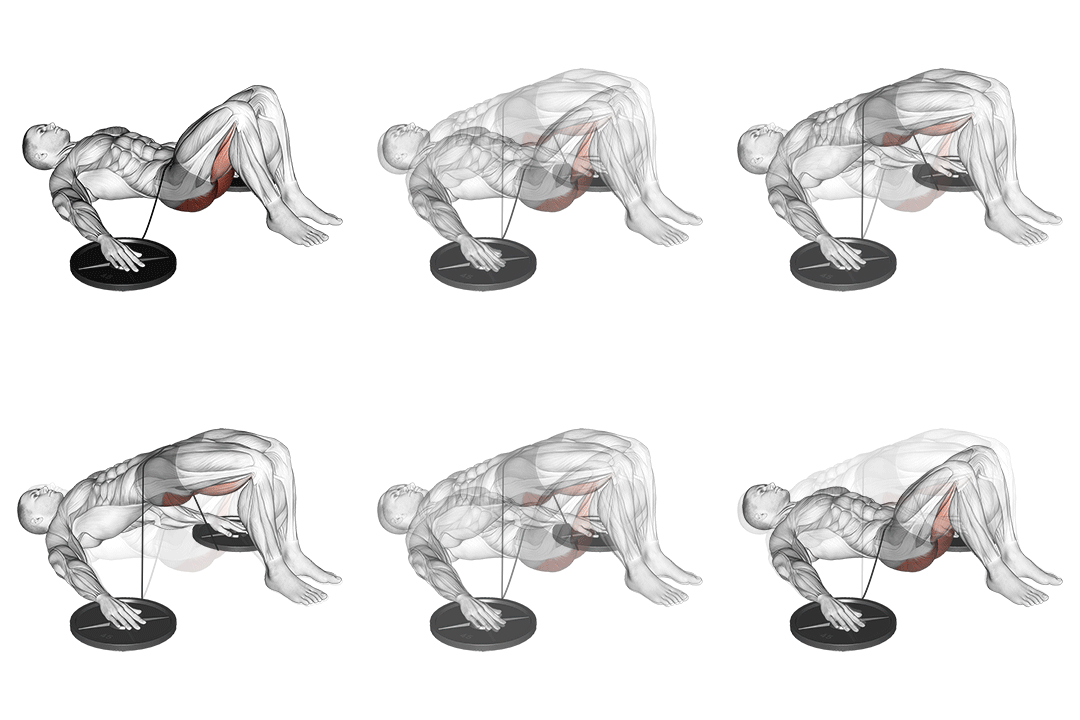
More comparisons with Band Seated Hip Internal Rotation
Compare More Exercises
Use our free comparison tool to analyze any two exercises head-to-head.
Compare Exercises