

Band Hip Lift vs Band Pull Through: Complete Comparison Guide
Band Hip Lift vs Band Pull Through is a practical comparison to help you choose the best banded glute move for your goals. If you want clear cues, biomechanics, and specific programming, this guide has your back. You’ll get side-by-side notes on primary and secondary muscle activation, technique cues (angles, knee position, band placement), rep ranges for hypertrophy and endurance, accessibility for home workouts, and when to pick one over the other for strength or rehab. Read on to find the stronger option for your program and how to perform each safely.
Exercise Comparison
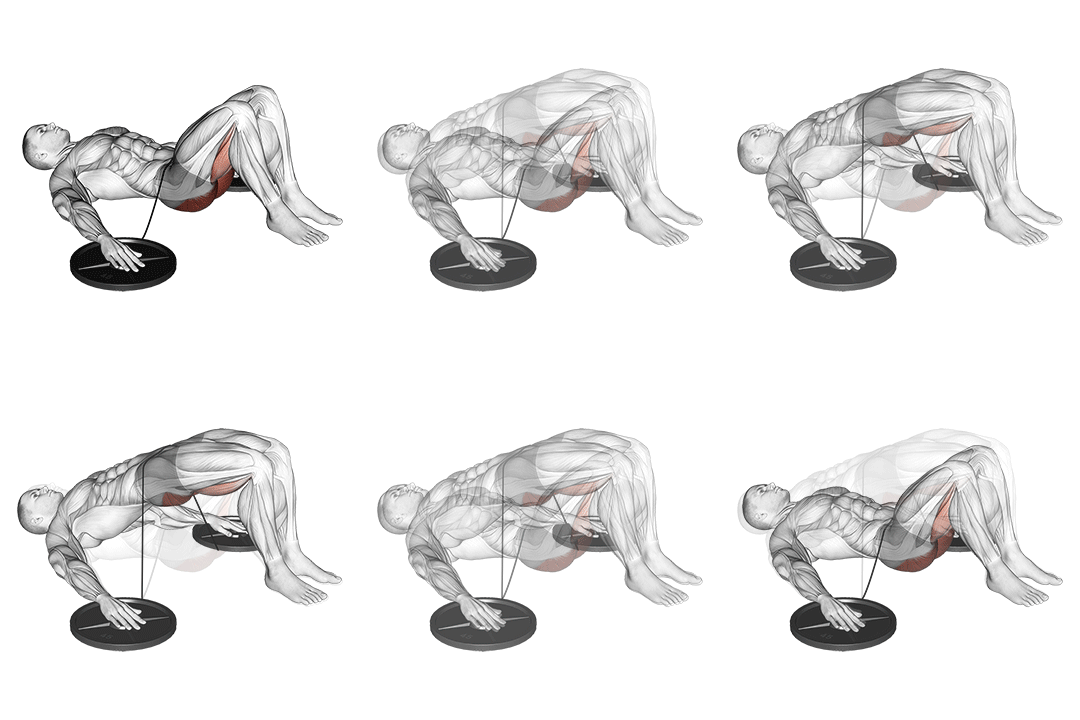
Band Hip Lift
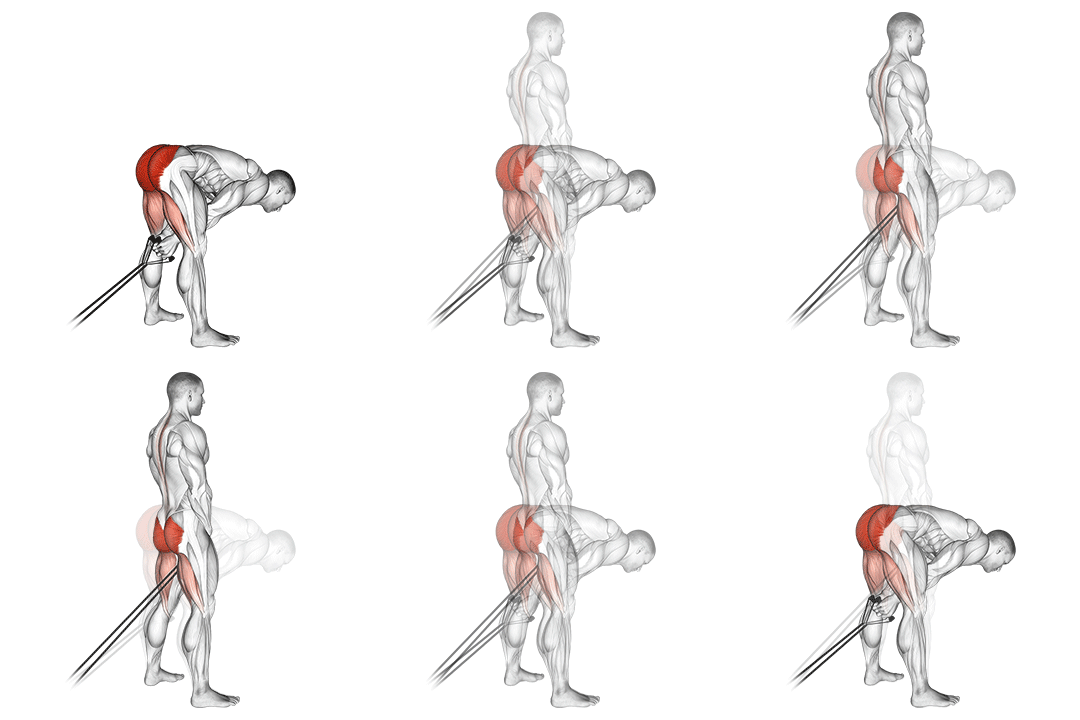
Band Pull Through
Head-to-Head Comparison
| Attribute | Band Hip Lift | Band Pull Through |
|---|---|---|
| Target Muscle |
Glutes
|
Glutes
|
| Body Part |
Upper-legs
|
Upper-legs
|
| Equipment |
Band
|
Band
|
| Difficulty |
Beginner
|
Intermediate
|
| Movement Type |
Compound
|
Compound
|
| Secondary Muscles |
2
|
2
|
Secondary Muscles Activated
Band Hip Lift
Band Pull Through
Visual Comparison
Overview
Band Hip Lift vs Band Pull Through is a practical comparison to help you choose the best banded glute move for your goals. If you want clear cues, biomechanics, and specific programming, this guide has your back. You’ll get side-by-side notes on primary and secondary muscle activation, technique cues (angles, knee position, band placement), rep ranges for hypertrophy and endurance, accessibility for home workouts, and when to pick one over the other for strength or rehab. Read on to find the stronger option for your program and how to perform each safely.
Key Differences
- Difficulty levels differ: Band Hip Lift is beginner, while Band Pull Through is intermediate.
- Both exercises target the Glutes using Band. The main differences are in their movement patterns and muscle activation angles.
Pros & Cons
Band Hip Lift
+ Pros
- Excellent glute isolation with knees bent and minimal hamstring dominance
- Very accessible—no anchor point needed and low coordination demand
- Easy to teach and scale: adjust band tension, unilateral set, or tempo
- Lower lumbar loading; safer for clients with back issues when performed correctly
− Cons
- Limited hamstring and posterior chain overload compared to hinge variations
- Smaller range of motion for hip extensors, which can limit strength carryover
- Less effective for teaching hip-hinge mechanics used in deadlift-style lifts
Band Pull Through
+ Pros
- Loads the entire posterior chain: glutes, hamstrings, and erector spinae
- Greater range of motion and hip extensor torque for strength development
- Easy to increase mechanical demand by changing hinge depth or band tension
- Better carryover to hip-hinge based lifts (deadlifts, kettlebell swings)
− Cons
- Requires solid hip-hinge and trunk control to protect the lower back
- More coordination and setup needed (anchor point/space)
- Can shift load to hamstrings if knees are kept too straight, reducing glute isolation
When Each Exercise Wins
Band Hip Lift wins for targeted glute hypertrophy because knee flexion minimizes hamstring contribution and lets you load the glute maximus through strong peak contractions. Use 3–4 sets of 8–12 reps with a 1–2 second pause at full extension to increase time under tension.
Band Pull Through wins for posterior chain strength: the hip hinge creates larger hip extensor moments across a longer ROM, allowing progressive overload through increased band tension and hinge depth. Aim for 3–5 sets of 5–8 controlled reps to build force production.
Band Hip Lift is simpler to learn and safer for novices since it limits balance and requires less trunk control. It lets you teach glute activation and build baseline strength with low injury risk.
Band Hip Lift is more home-friendly because it needs no anchor and works in tight spaces. You can progress it with single-leg versions and heavier bands without additional equipment.
Frequently Asked Questions
Can I do both Band Hip Lift and Band Pull Through in the same workout?
Yes. Pair them strategically: start with Band Pull Throughs for strength and hinge practice (3–5 sets of 5–8 reps) then finish with Band Hip Lifts for glute isolation and metabolic work (3–4 sets of 10–15 reps). That sequence uses the pull through to load the posterior chain and the hip lift to target glute contraction.
Which exercise is better for beginners?
Band Hip Lift is better for beginners because it reduces balance and hinge demands and isolates the glute with knees bent. Begin with 2–3 light sets to learn glute squeeze and pelvic control before progressing to unilateral or heavier-band variations.
How do the muscle activation patterns differ?
Band Hip Lift concentrates activation at the top of hip extension with reduced hamstring lengthening, favoring glute isolation. Band Pull Through loads glutes and hamstrings across a longer ROM and requires trunk stabilization, increasing hamstring length-tension demand and erector spinae activity.
Can Band Pull Through replace Band Hip Lift?
Not entirely. Band Pull Through can increase posterior chain strength and hypertrophy but will recruit more hamstrings and lower back. If your goal is pure glute isolation or you have lumbar concerns, keep Band Hip Lifts in your program alongside pull throughs.
Expert Verdict
Choose the Band Hip Lift when your priority is targeted glute development, ease of use, and lower back safety. Its supine setup and knee position let you maximize peak glute contraction and control tension with minimal coordination. Choose the Band Pull Through when you want bigger posterior chain strength and carryover to hip-hinge lifts; it loads hamstrings and erector spinae more and produces higher hip extensor torque across a larger range of motion. Program both: use hip lifts for focused hypertrophy (8–12 reps, pause at top) and pull throughs for strength and hinge mechanics (5–8 reps, heavier tension).
Also Compare
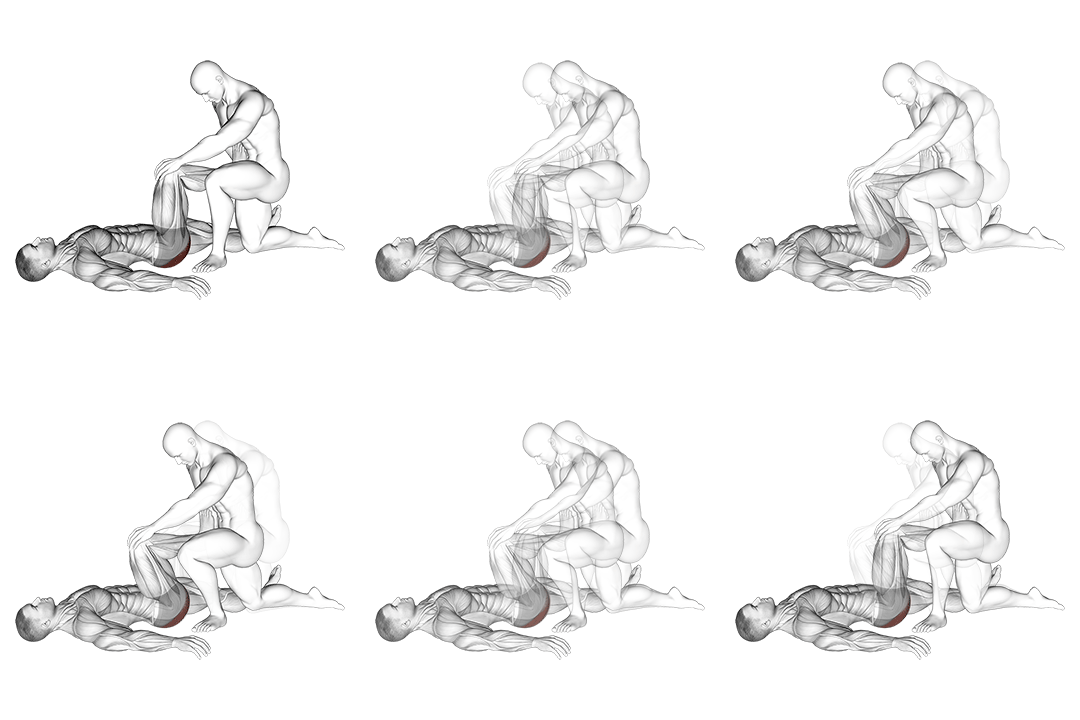
More comparisons with Band Hip Lift
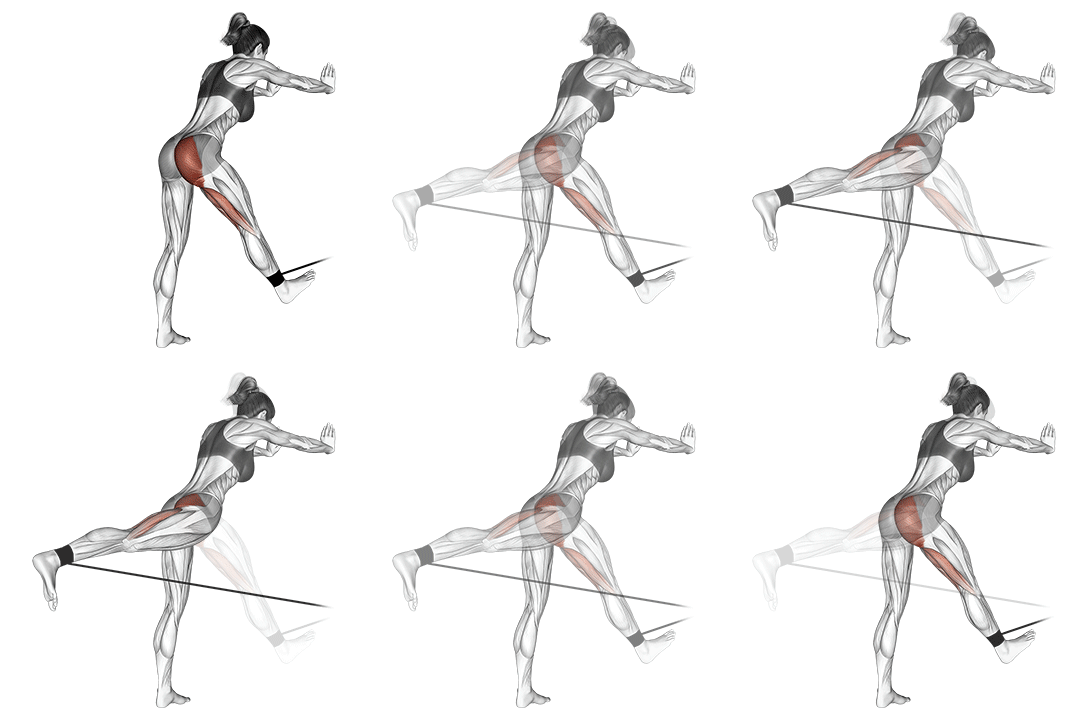
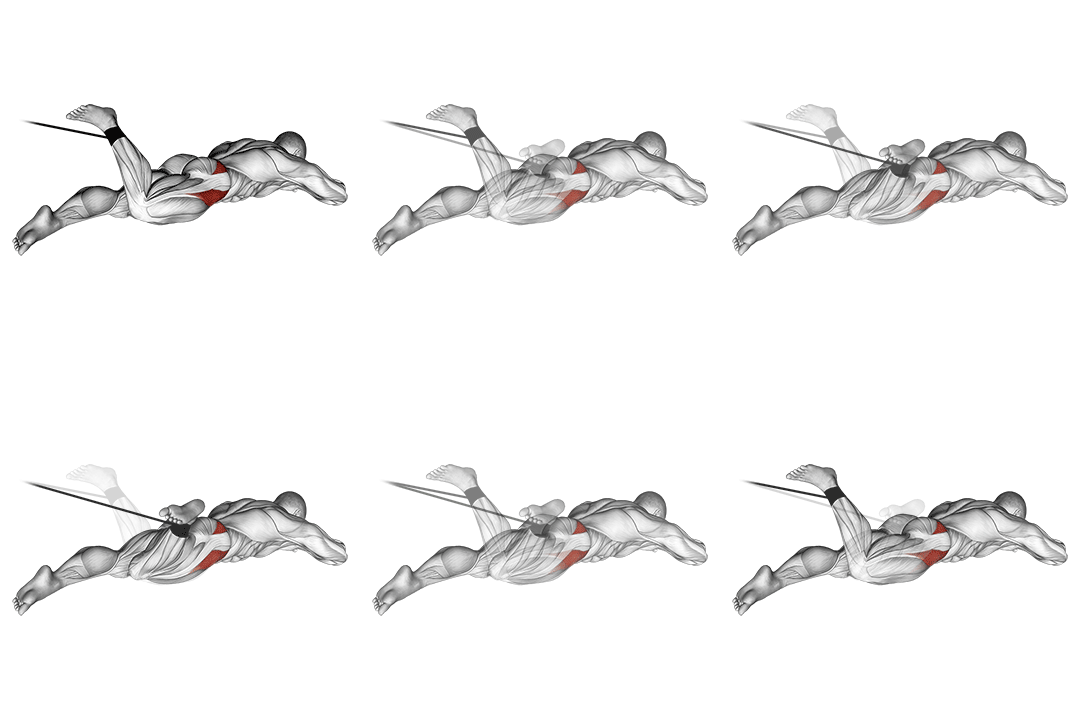
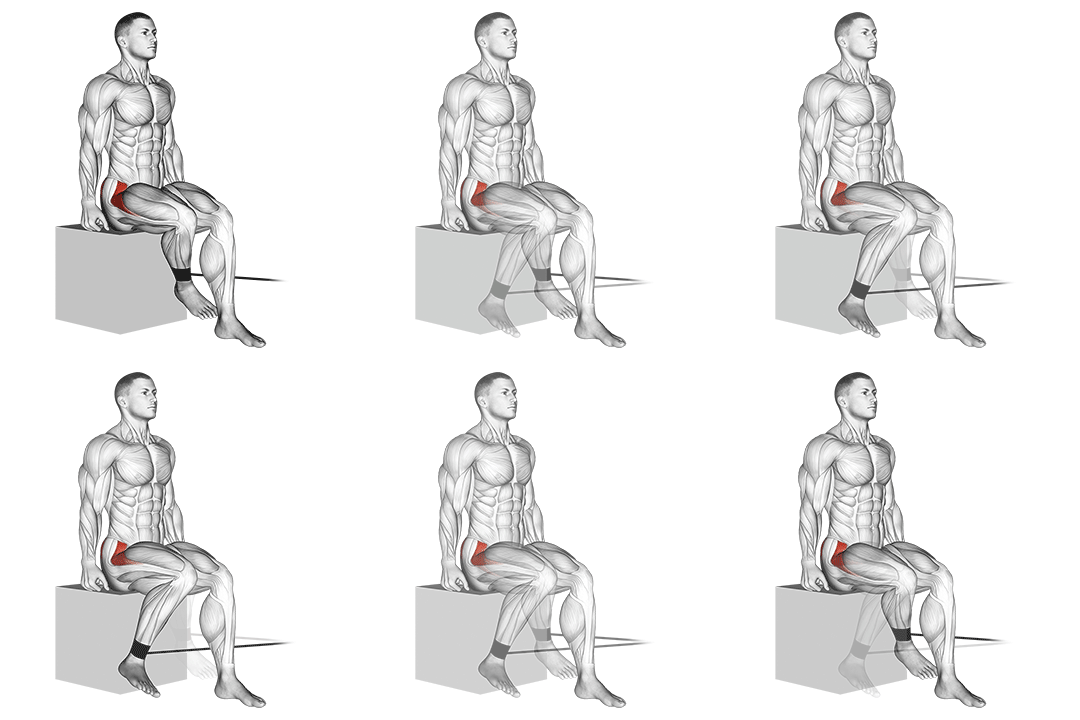
More comparisons with Band Pull Through
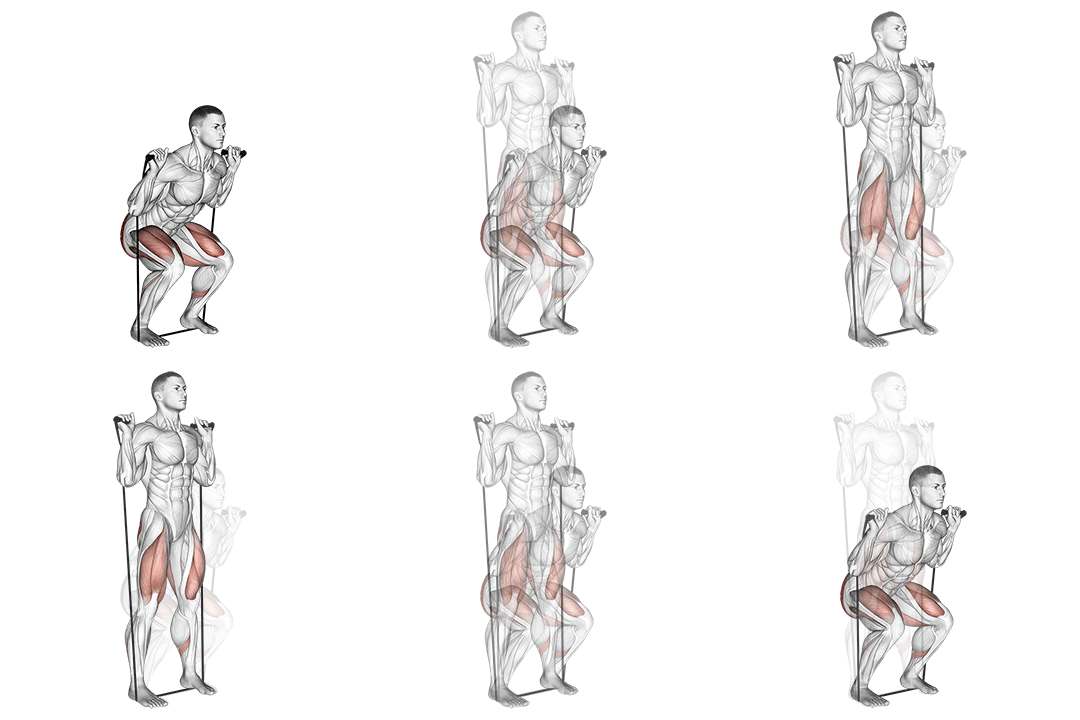
Compare More Exercises
Use our free comparison tool to analyze any two exercises head-to-head.
Compare Exercises