

Barbell Bench Press vs Barbell Decline Bench Press: Complete Comparison Guide
Barbell Bench Press vs Barbell Decline Bench Press — if you want a clearer path to bigger, stronger pecs, you need to pick the right press for your goals. I’ll walk you through how each move loads the pectorals, how the shoulder and triceps assist, the gear you need, and technique cues you can use right away. You’ll see which exercise favors heavier loading, which shifts emphasis to the lower chest, sample rep ranges for strength and hypertrophy, and practical programming recommendations so you can apply the best choice to your plan.
Exercise Comparison
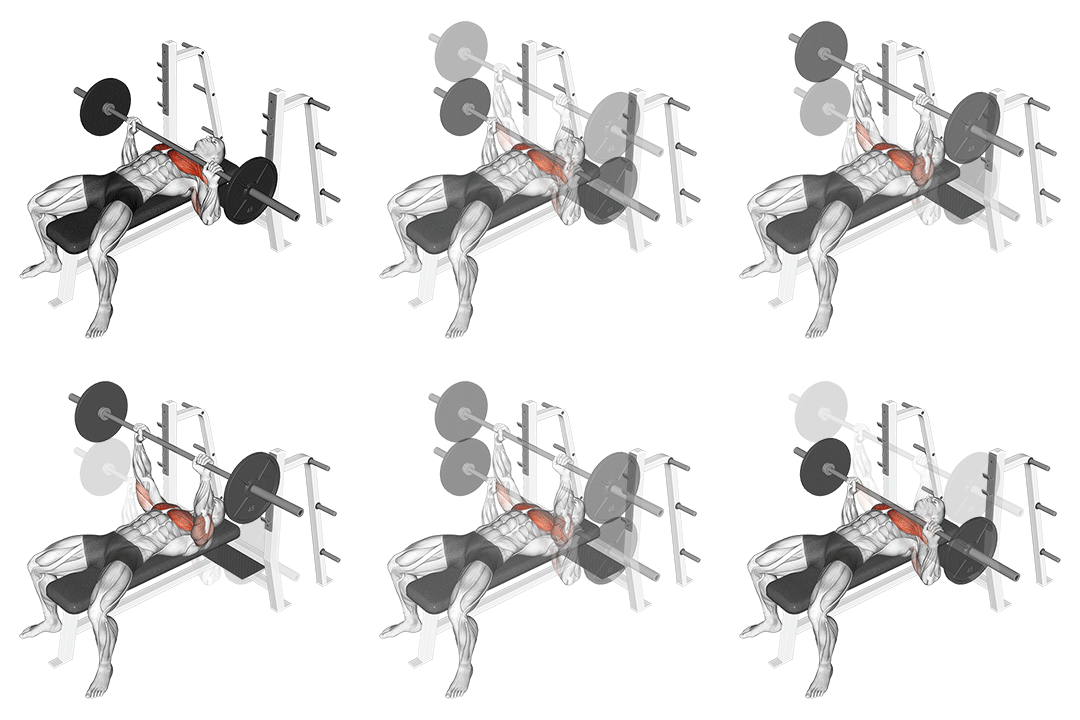
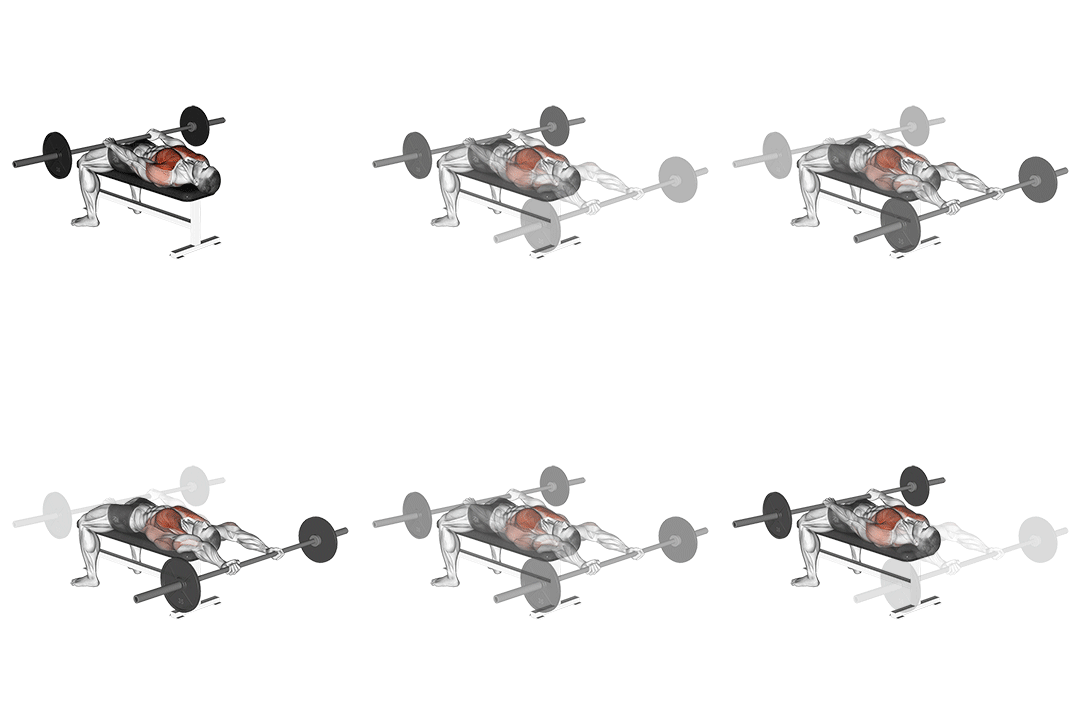
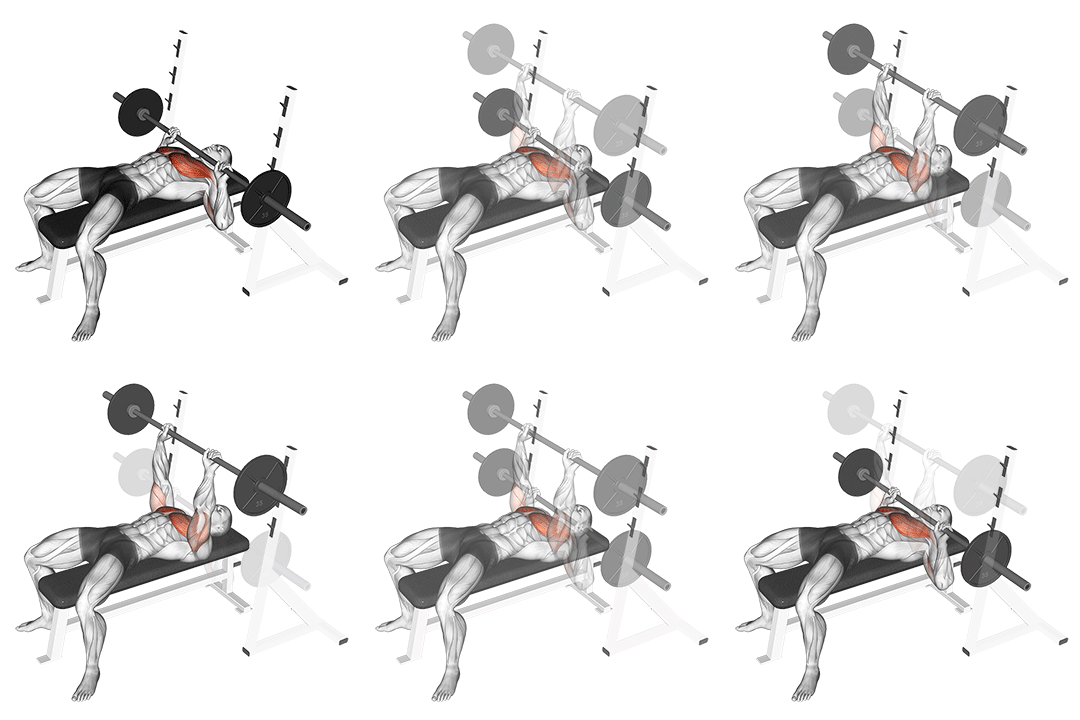
Barbell Bench Press
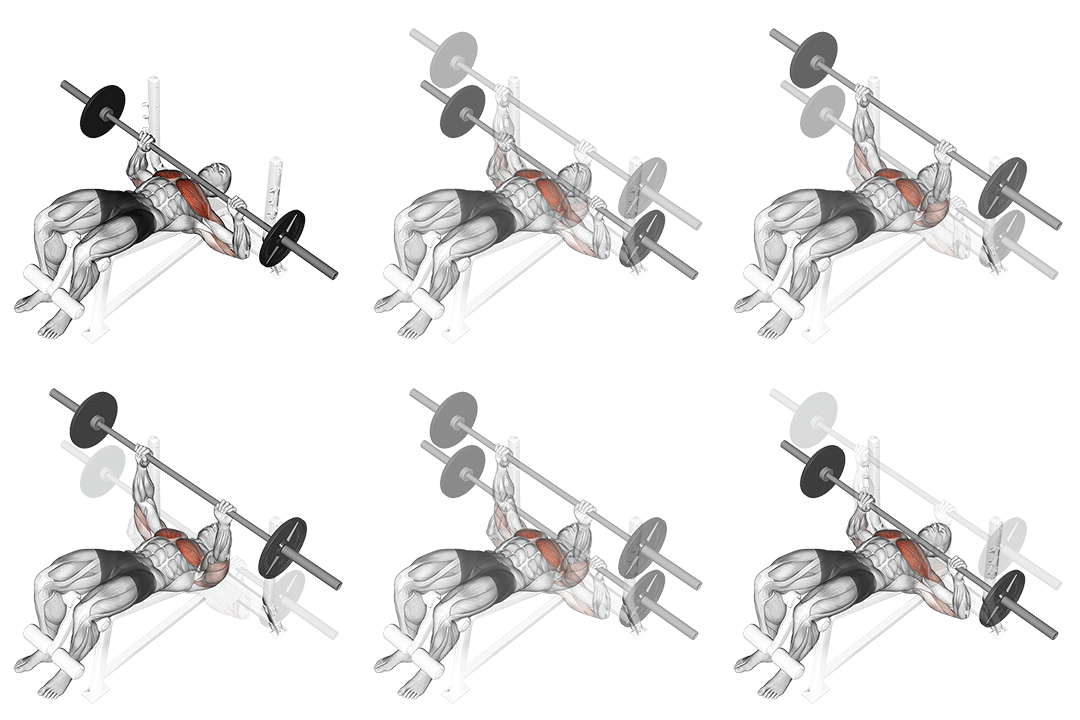
Barbell Decline Bench Press
Head-to-Head Comparison
| Attribute | Barbell Bench Press | Barbell Decline Bench Press |
|---|---|---|
| Target Muscle |
Pectorals
|
Pectorals
|
| Body Part |
Chest
|
Chest
|
| Equipment |
Barbell
|
Barbell
|
| Difficulty |
Intermediate
|
Intermediate
|
| Movement Type |
Compound
|
Compound
|
| Secondary Muscles |
2
|
2
|
Secondary Muscles Activated
Barbell Bench Press
Barbell Decline Bench Press
Visual Comparison
Overview
Barbell Bench Press vs Barbell Decline Bench Press — if you want a clearer path to bigger, stronger pecs, you need to pick the right press for your goals. I’ll walk you through how each move loads the pectorals, how the shoulder and triceps assist, the gear you need, and technique cues you can use right away. You’ll see which exercise favors heavier loading, which shifts emphasis to the lower chest, sample rep ranges for strength and hypertrophy, and practical programming recommendations so you can apply the best choice to your plan.
Key Differences
- Both exercises target the Pectorals using Barbell. The main differences are in their movement patterns and muscle activation angles.
Pros & Cons
Barbell Bench Press
+ Pros
- Versatile for strength and hypertrophy programming across rep ranges (e.g., 6–8 for strength, 8–12 for hypertrophy).
- Common equipment and easy to progress with variations (pause, tempo, close-grip).
- Balanced pectoral activation with significant upper and mid-pec involvement.
- Safer unrack/rack mechanics for many lifters when using a power rack and safety pins.
− Cons
- Higher anterior deltoid involvement can limit pure chest overload.
- Potential for shoulder stress if elbows flare excessively or scapulae aren’t retracted.
- Less focused on lower-pec fibers compared with decline variations.
Barbell Decline Bench Press
+ Pros
- Shifts emphasis to lower sternal pec fibers via a downward force vector at -15° to -30°.
- Often allows heavier absolute loads because of a shorter moment arm and reduced shoulder flexion.
- Can reduce anterior shoulder stress for lifters with shoulder pain during flat pressing.
- Useful for targeted chest shaping phases when you want to emphasize lower-pec development.
− Cons
- Decline benches are less common, reducing accessibility.
- Setup and unrack can be awkward; requires secure foot placement and often a spotter.
- May shorten pec at the start position, which can limit tension at longer muscle lengths compared with flat or incline presses.
When Each Exercise Wins
For overall chest hypertrophy the flat bench is more versatile and loads a broader portion of the pectorals. Use 8–12 reps and manipulate tempo and pauses to increase time under tension across the pec’s length-tension curve.
Decline typically allows higher absolute loads due to a shorter moment arm and reduced shoulder demand, making it a strong choice in heavy 3–6 rep blocks to overload the nervous system and improve lockout strength.
Flat bench is easier to teach and progress with simple cues (scapular retraction, feet drive, bar path to mid-chest), and flat benches and racks are more widely available for safe practice.
A flat bench and rack are more practical for most home setups; decline benches are bulky and rare, so flat bench offers better accessibility and usable variations at home.
Frequently Asked Questions
Can I do both Barbell Bench Press and Barbell Decline Bench Press in the same workout?
Yes — pairing them can work well if you manage volume. Use the flat bench as your heavy compound set and add a decline variation as a secondary 3–4 set accessory in 6–10 reps to emphasize lower-pec fibers without overtaxing shoulders.
Which exercise is better for beginners?
Barbell Bench Press is better for beginners because it’s easier to coach, the setup is straightforward, and equipment is more available. Focus on perfecting bracing, scapular retraction, and bar path before adding decline work.
How do the muscle activation patterns differ?
Activation differs by force vector and joint angle: flat bench gives a balanced mid-pec load and more anterior deltoid contribution, while decline shifts the vector toward the lower sternal fibers and reduces shoulder flexion, slightly increasing triceps demand at lockout.
Can Barbell Decline Bench Press replace Barbell Bench Press?
Not as a full replacement — decline is excellent for targeting lower-pec fibers and overloading, but flat bench provides broader pectoral development and programming versatility. Use decline as a complement or phase-specific tool rather than a permanent substitute.
Expert Verdict
Use the Barbell Bench Press as your default press when you want a versatile movement that builds broad pectoral mass and transfers well to multiple pressing variants. It’s easier to learn and program across rep ranges, and it’s the best starter choice for most lifters. Add the Barbell Decline Bench Press when your goal is to overload the lower sternal fibers or push heavier absolute weights with reduced shoulder flexion — use it cyclically during heavy phases or to target lower-chest development. Both lifts require strict technique: retract the scapulae, maintain a 30–45° elbow path, control descent to the chest, and choose rep ranges (6–8 strength, 8–12 hypertrophy) that match your phase.
Also Compare
More comparisons with Barbell Bench Press
More comparisons with Barbell Decline Bench Press
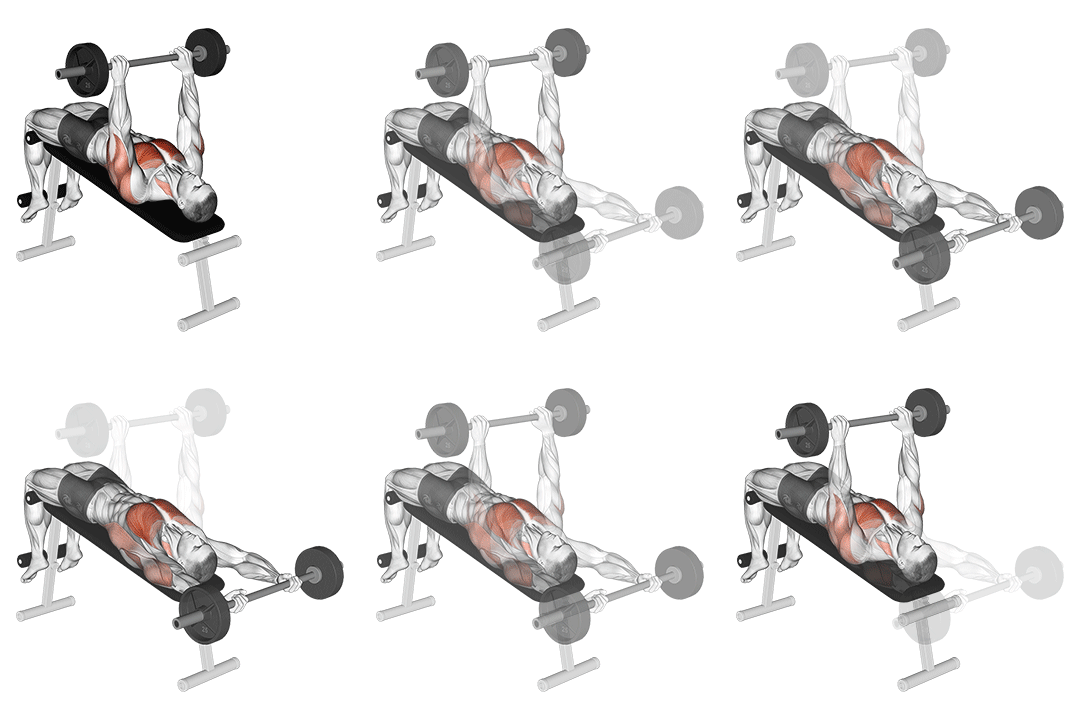
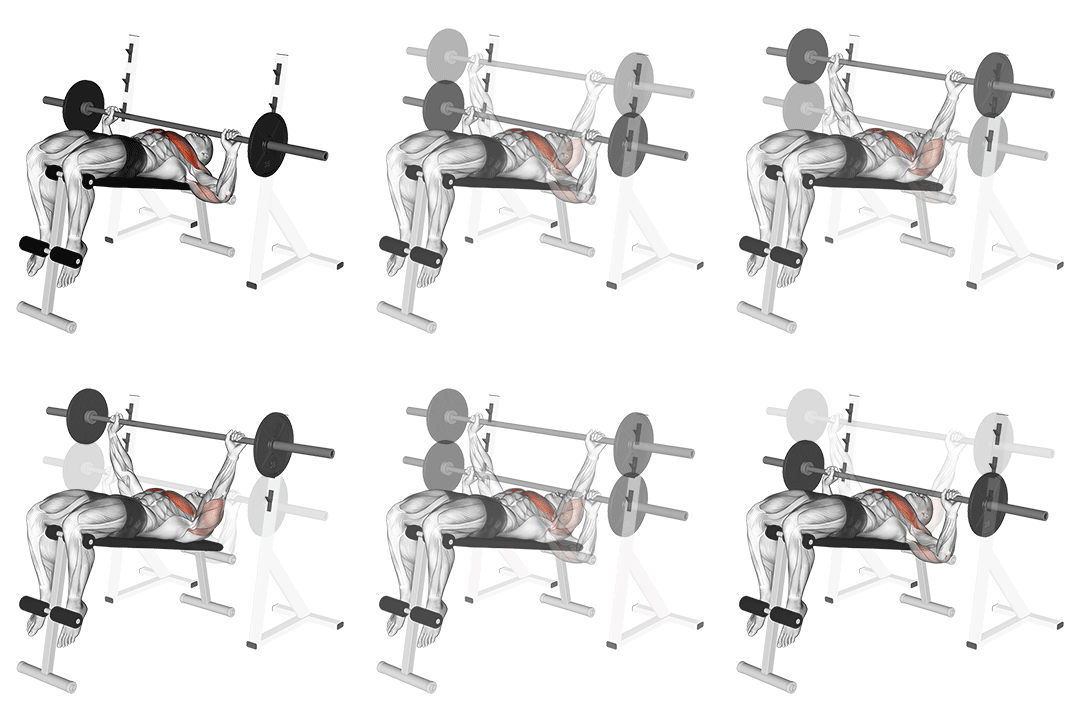
Compare More Exercises
Use our free comparison tool to analyze any two exercises head-to-head.
Compare Exercises