

Barbell Bench Press vs Dumbbell Bench Press: Complete Comparison Guide
Barbell Bench Press vs Dumbbell Bench Press — both are staples for building a bigger, stronger chest. You’ll get a clear breakdown of how each loads the pectorals, how secondary muscles like triceps and anterior delts behave, and practical technique cues so you can pick the right tool for your goals. I’ll cover muscle activation, equipment needs, learning curve, injury considerations, rep ranges for hypertrophy and strength, and when to program one or both into your workouts.
Exercise Comparison
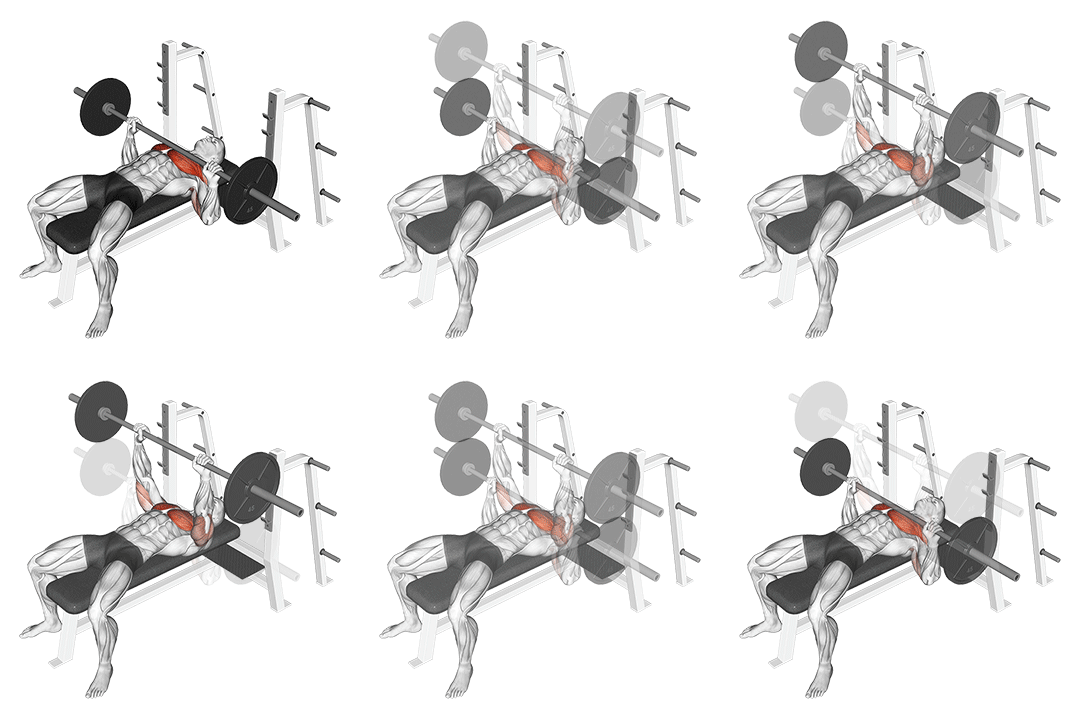
Barbell Bench Press
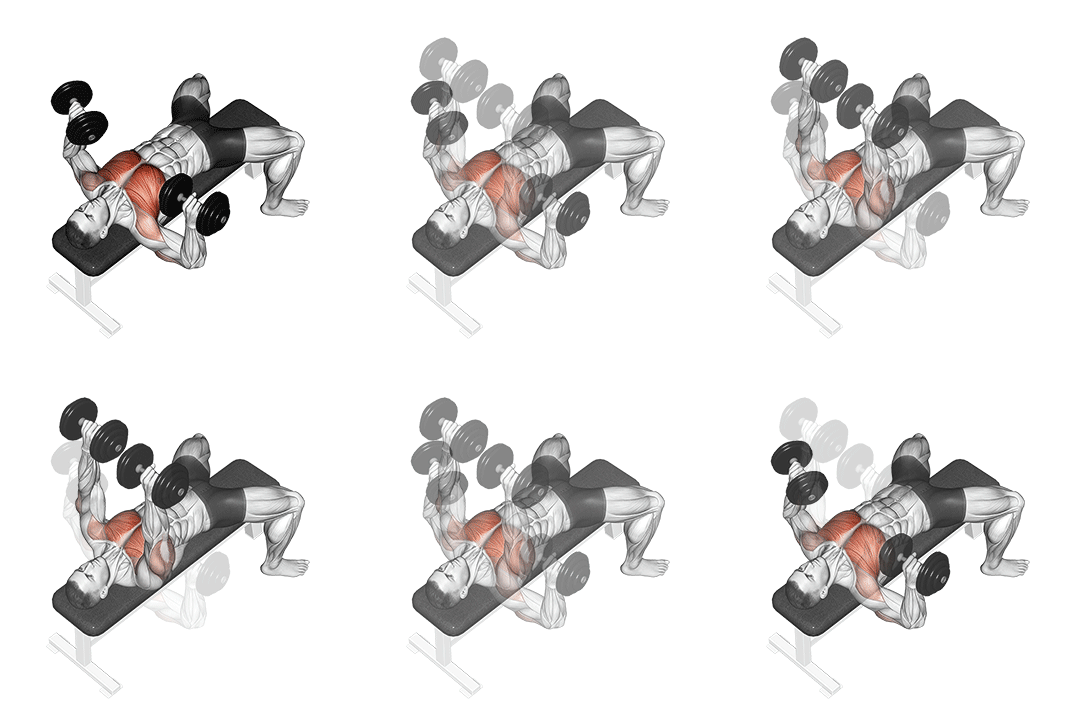
Dumbbell Bench Press
Head-to-Head Comparison
| Attribute | Barbell Bench Press | Dumbbell Bench Press |
|---|---|---|
| Target Muscle |
Pectorals
|
Pectorals
|
| Body Part |
Chest
|
Chest
|
| Equipment |
Barbell
|
Dumbbell
|
| Difficulty |
Intermediate
|
Intermediate
|
| Movement Type |
Compound
|
Compound
|
| Secondary Muscles |
2
|
2
|
Secondary Muscles Activated
Barbell Bench Press
Dumbbell Bench Press
Visual Comparison
Overview
Barbell Bench Press vs Dumbbell Bench Press — both are staples for building a bigger, stronger chest. You’ll get a clear breakdown of how each loads the pectorals, how secondary muscles like triceps and anterior delts behave, and practical technique cues so you can pick the right tool for your goals. I’ll cover muscle activation, equipment needs, learning curve, injury considerations, rep ranges for hypertrophy and strength, and when to program one or both into your workouts.
Key Differences
- Equipment differs: Barbell Bench Press uses Barbell, while Dumbbell Bench Press requires Dumbbell.
Pros & Cons
Barbell Bench Press
+ Pros
- Allows higher absolute loads for maximal strength and overload
- Easier to add small, precise increments for progressive loading
- Stable fixed bar path helps lifters coordinate maximal force
- Better for tracking 1RM and strength-specific cycles (3–5 reps)
− Cons
- Fixed bar path can force a less natural shoulder position
- Requires a rack or spotter for heavy sets
- Less demand on stabilizers and unilateral control
Dumbbell Bench Press
+ Pros
- Greater range of motion and stretch on the pecs for hypertrophy
- Improves unilateral control and corrects left-right imbalances
- More shoulder-friendly rotations available (neutral/supinated grips)
- More accessible for home gyms and variable programming
− Cons
- Harder to overload as you approach top-end strength due to dumbbell weight limits
- Can be awkward to unrack very heavy dumbbells without a spotter
- Requires more scapular and rotator cuff stability, which can fatigue earlier
When Each Exercise Wins
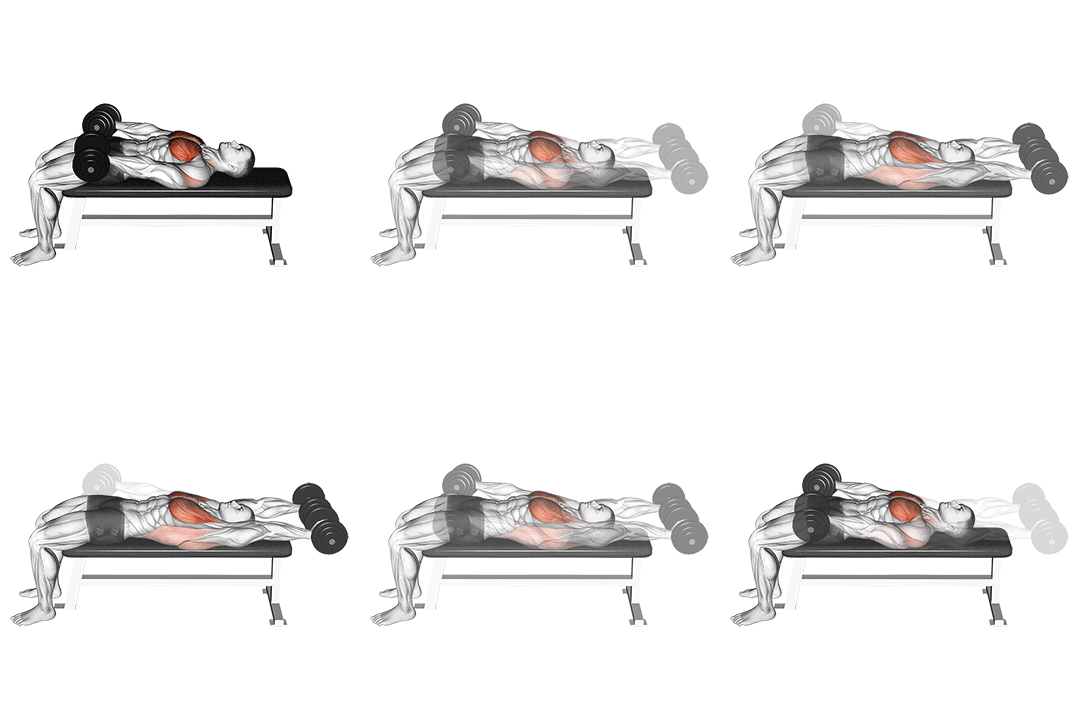
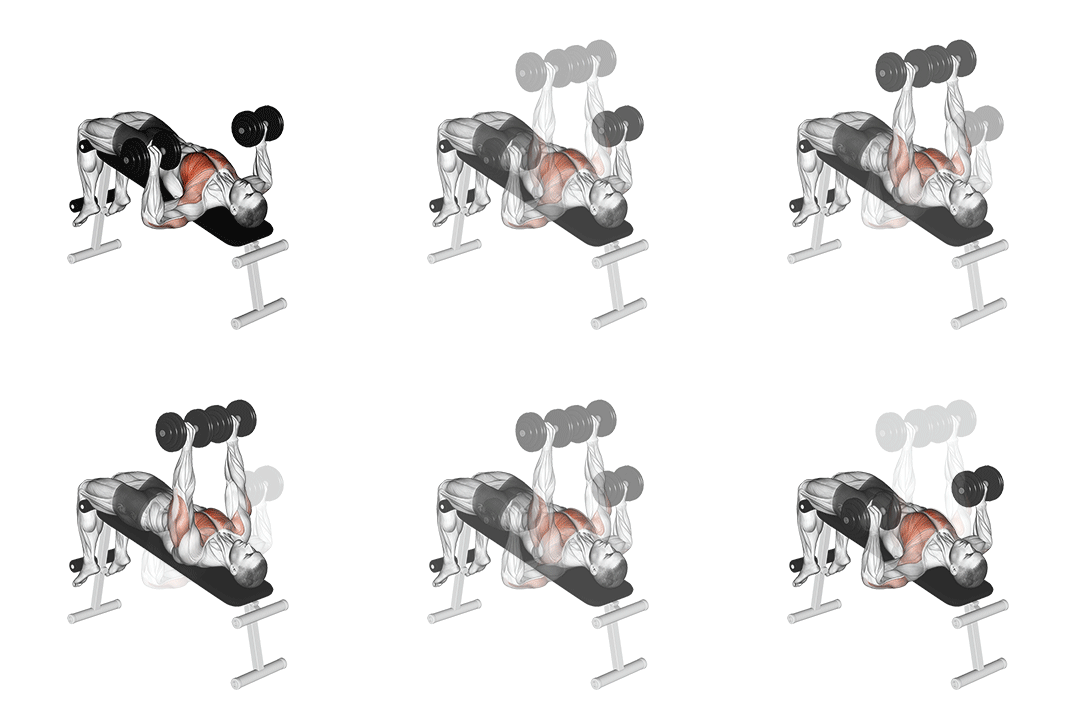
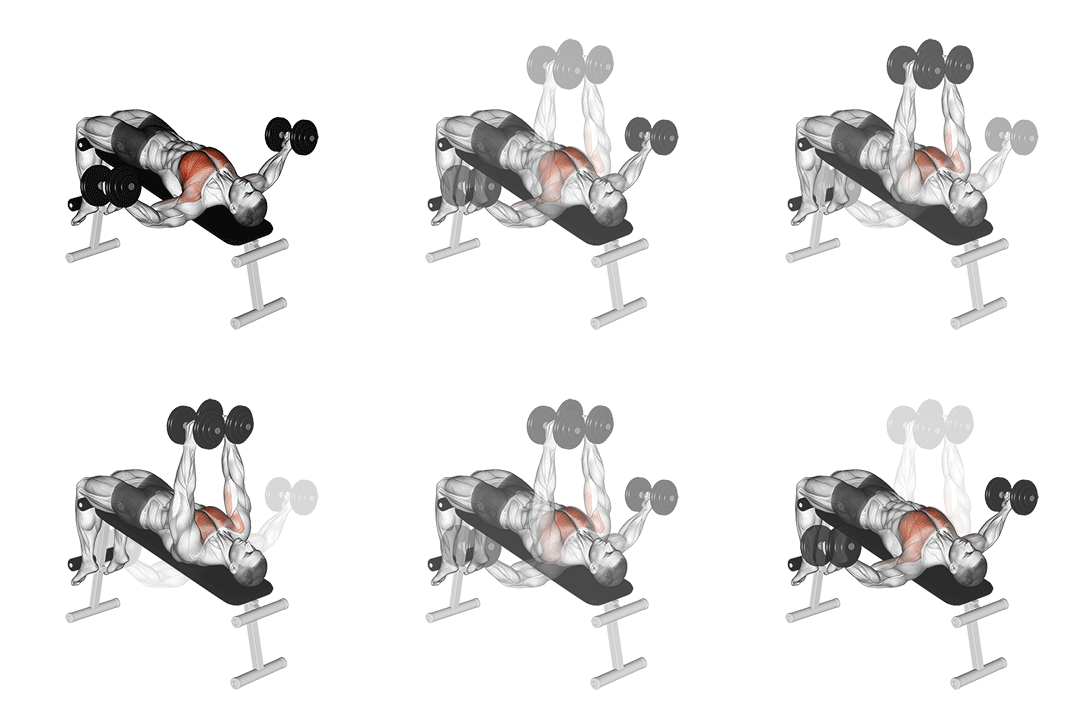
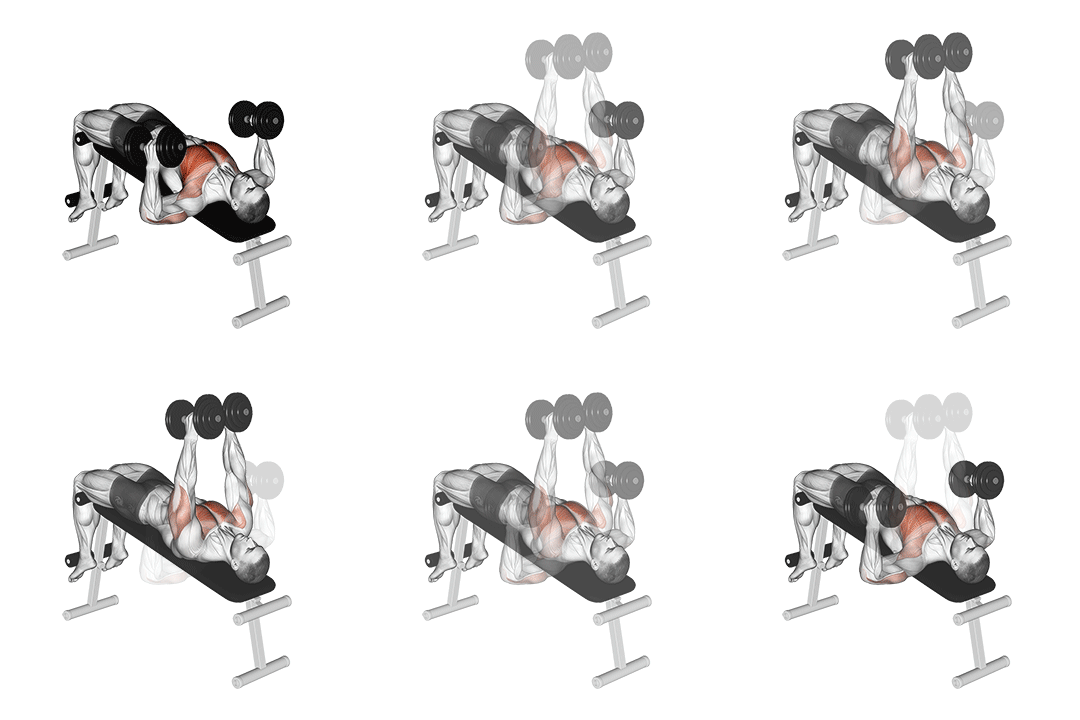
Dumbbells increase range of motion and allow a greater pec stretch at the bottom, improving time under tension. Use 6–12 reps per set, 3–5 sets, and include slow eccentrics (2–3 seconds) to exploit length-tension and promote muscle growth.
Barbells let you overload with heavier absolute loads and track 1RM progressions precisely. Program heavy sets in the 3–5 rep range and use bench-specific variations to increase maximal horizontal force output.
Dumbbells let beginners use a natural arm path and build scapular and rotator cuff stability early, reducing poor motor patterns. Start with 8–15 reps and focus on tight setup and controlled eccentrics.
Dumbbells require less bulky equipment and work well with adjustable pairs, making them the practical choice for most home setups. They let you progress volume and unilateral work without a rack.
Frequently Asked Questions
Can I do both Barbell Bench Press and Dumbbell Bench Press in the same workout?
Yes. A common approach is to perform barbell bench first for heavy strength sets (3–6 reps) and follow with dumbbell bench for volume (8–12 reps). That sequence uses the barbell to build maximal force and dumbbells to add ROM, time under tension, and stabilizer work.
Which exercise is better for beginners?
Dumbbell bench is often better for beginners because the arms move independently and allow a more natural shoulder position, reducing compensation. Start with lighter weights, focus on scapular retraction and controlled eccentrics, and progress to heavier loads as stability improves.
How do the muscle activation patterns differ?
Both target the pec major via horizontal adduction, but dumbbells place the pecs under more stretch at the bottom and increase stabilizer activation (serratus, rotator cuff). Barbell concentrates peak force mid-range and at lockout, shifting more absolute load to the triceps during heavy presses.
Can Dumbbell Bench Press replace Barbell Bench Press?
Dumbbells can replace the barbell for hypertrophy and general strength, especially in home settings, but they’re limited for maximal strength due to practical weight constraints. If your goal is high-level bench strength or competitive lifting, keep the barbell as a foundation while using dumbbells for accessory work.
Expert Verdict
Use barbell bench press when your primary goal is maximal strength and progressive overload—its fixed bar path and ability to increase load in small increments make it ideal for 1–5 rep strength cycles. Choose dumbbell bench press when your goal is hypertrophy, shoulder health, or correcting side-to-side imbalances; dumbbells increase ROM and stabilizer demand, which promotes balanced muscle growth. For most trainees, alternating phases works best: 6–12 week blocks of barbell-focused strength work followed by 6–12 weeks of dumbbell-focused hypertrophy (8–12 reps) will combine heavy overload with increased muscle stretch and control.
Also Compare
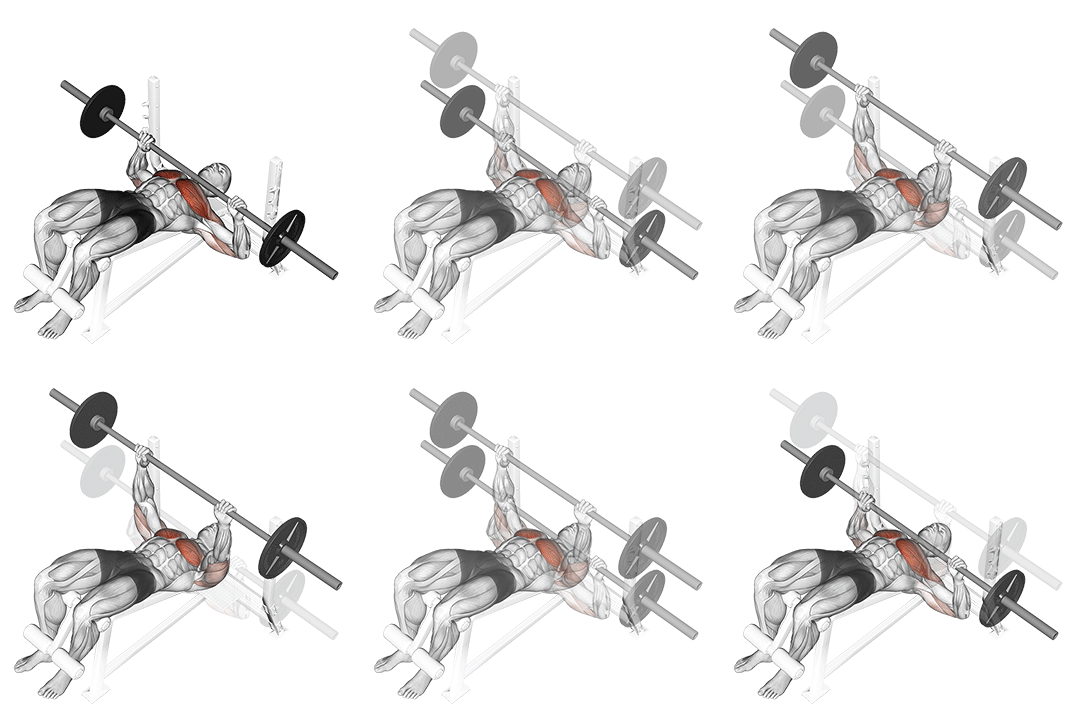
More comparisons with Barbell Bench Press
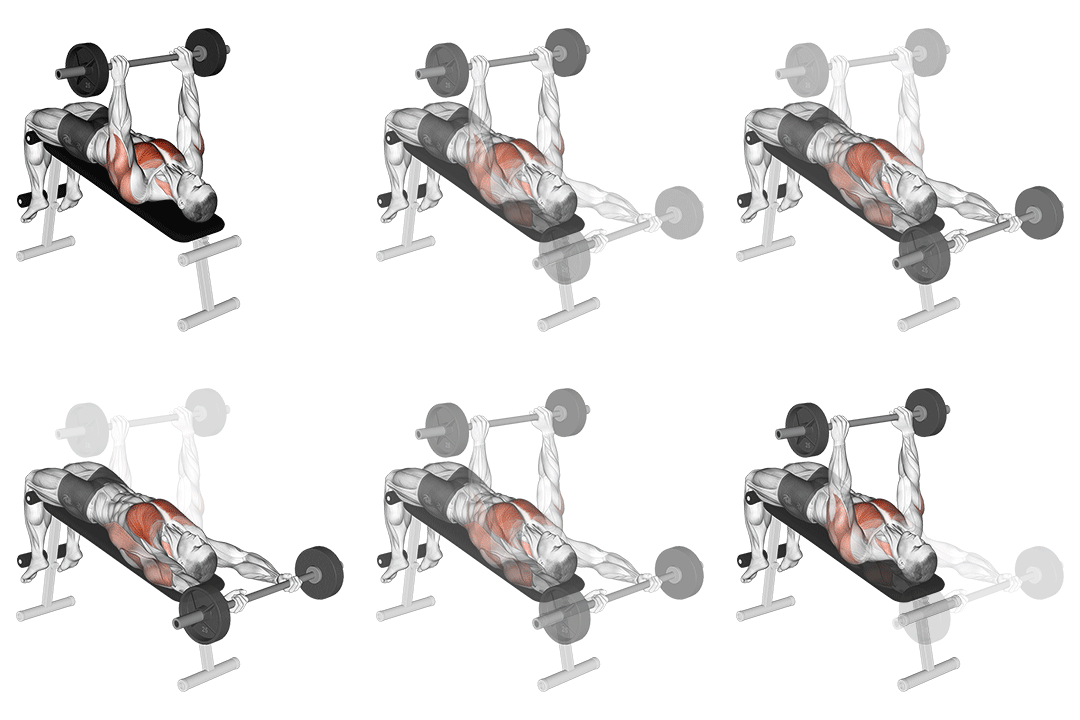
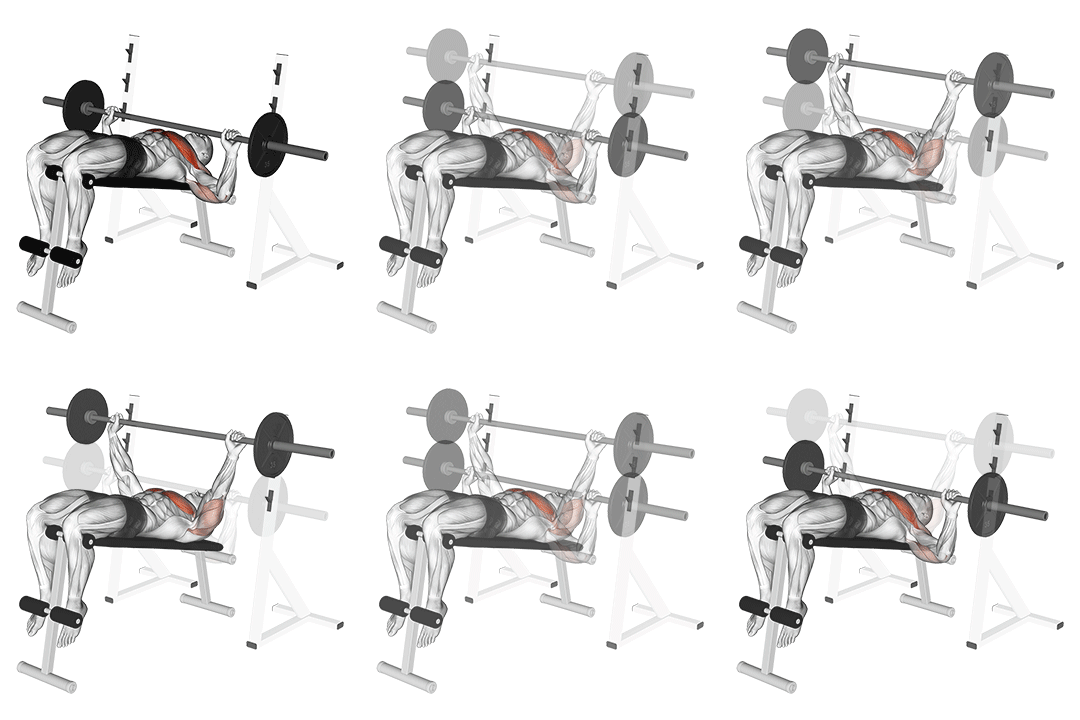
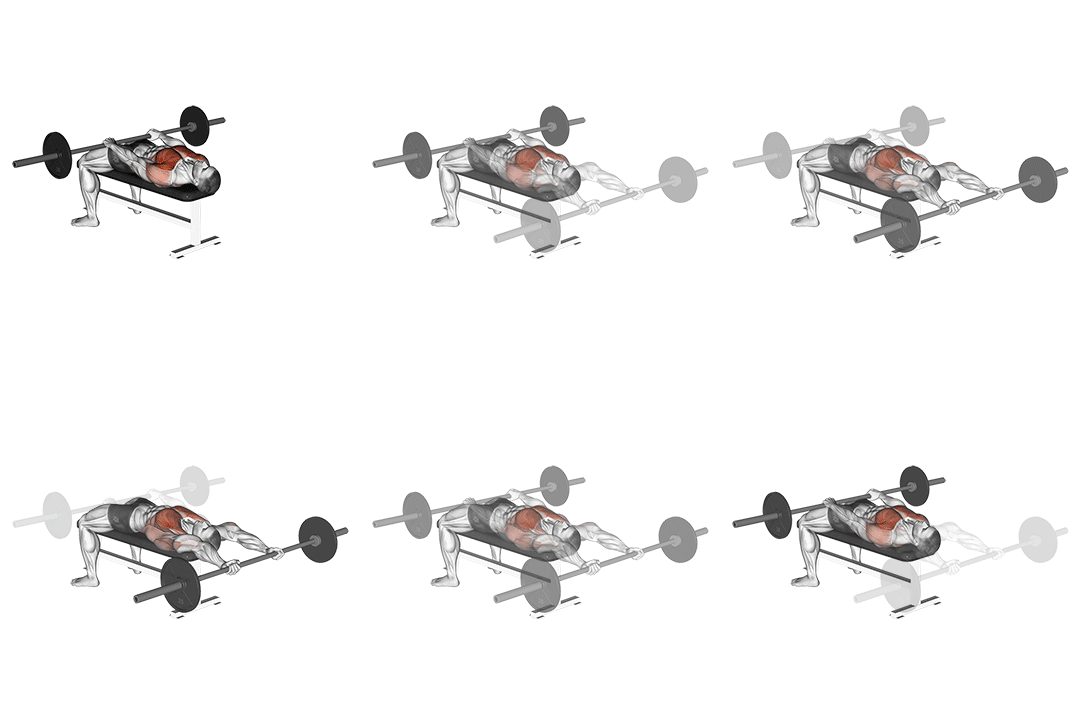
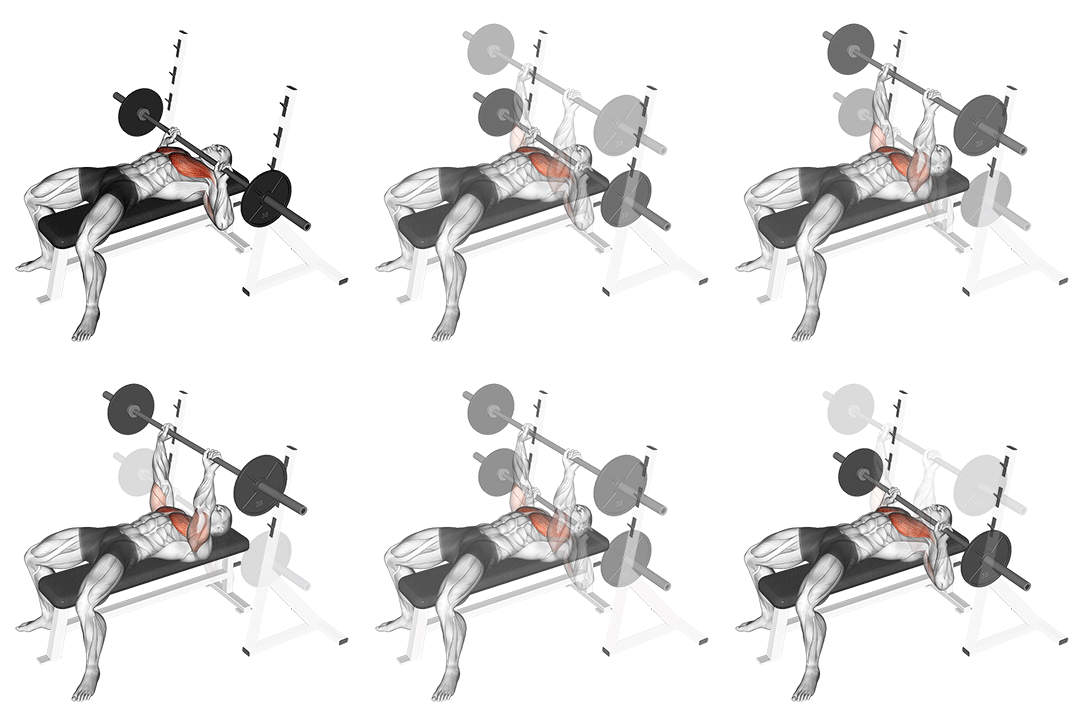
More comparisons with Dumbbell Bench Press
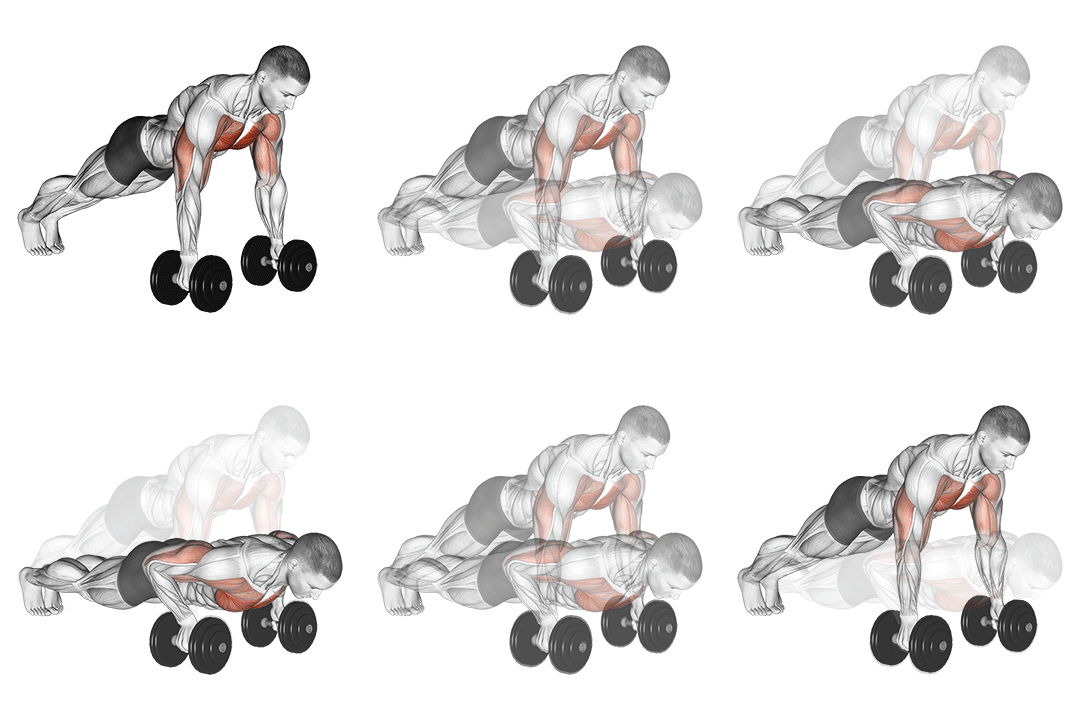
Compare More Exercises
Use our free comparison tool to analyze any two exercises head-to-head.
Compare Exercises