

Barbell Bent Over Row vs Dumbbell Bent Over Row: Complete Comparison Guide
Barbell Bent Over Row vs Dumbbell Bent Over Row — you probably know both moves, but which one should you program more often? {Exercise1} vs {Exercise2} works as a simple shorthand for this head-to-head. In this guide you'll get clear, actionable comparisons of muscle emphasis, biomechanics, equipment needs, injury risk, and programming (rep ranges, progressions, and technique cues). I’ll tell you when to prioritize each variation, show the key setup and pulling cues (torso angle, elbow path, tempo), and give specific recommendations for hypertrophy, strength, beginners, and home training.
Exercise Comparison
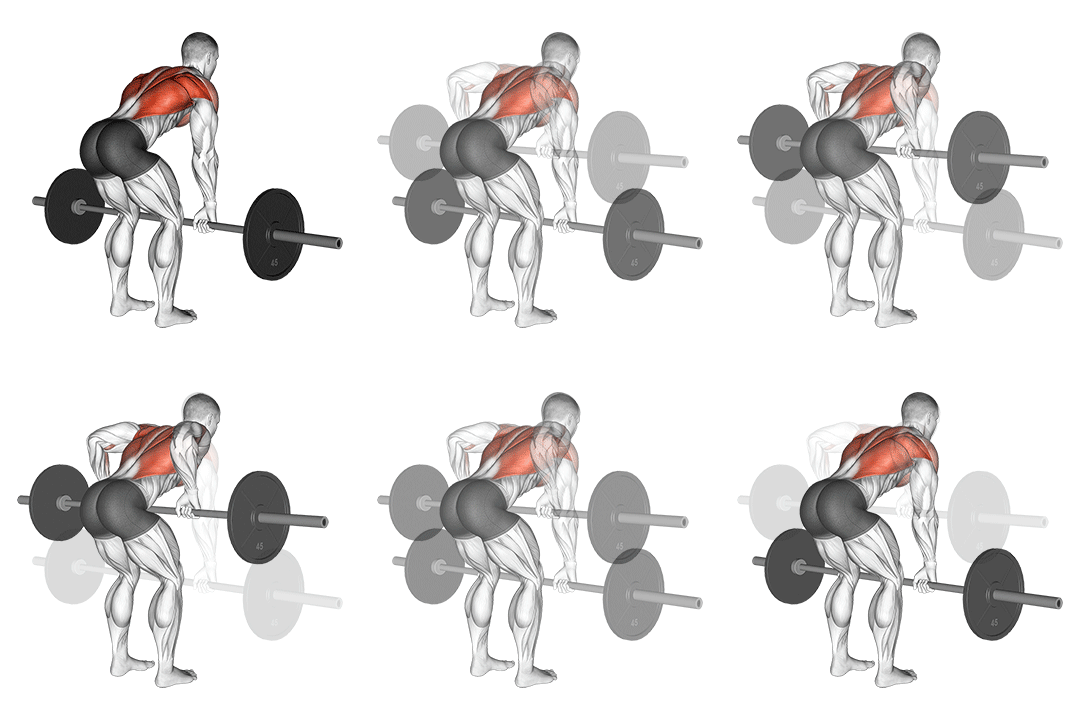
Barbell Bent Over Row
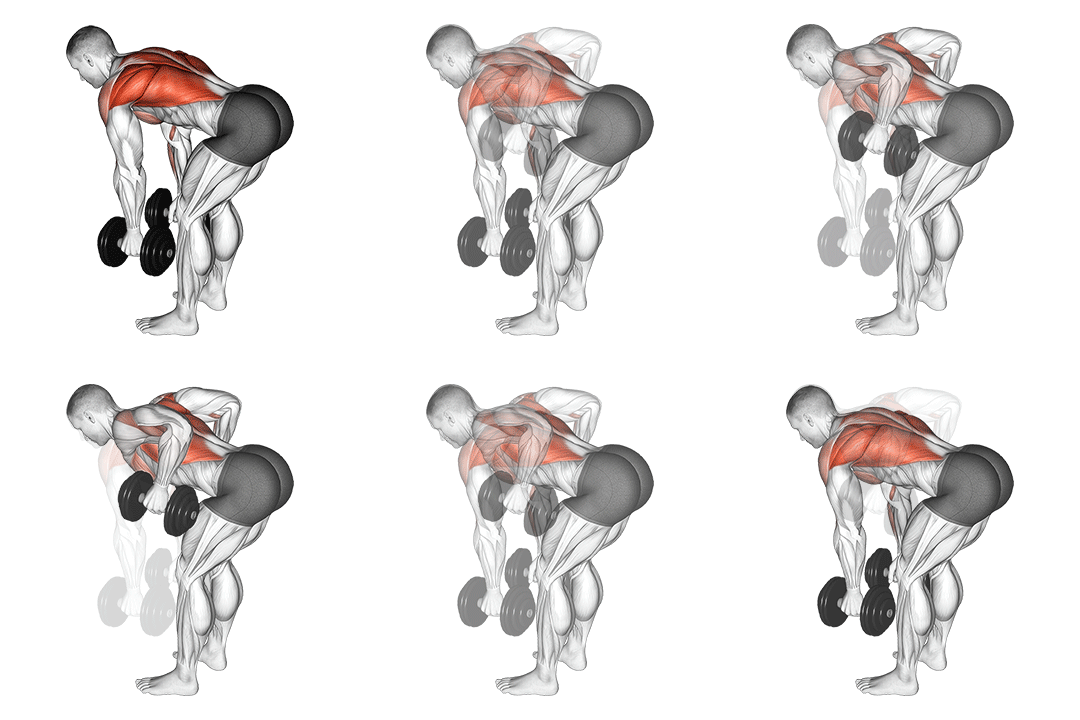
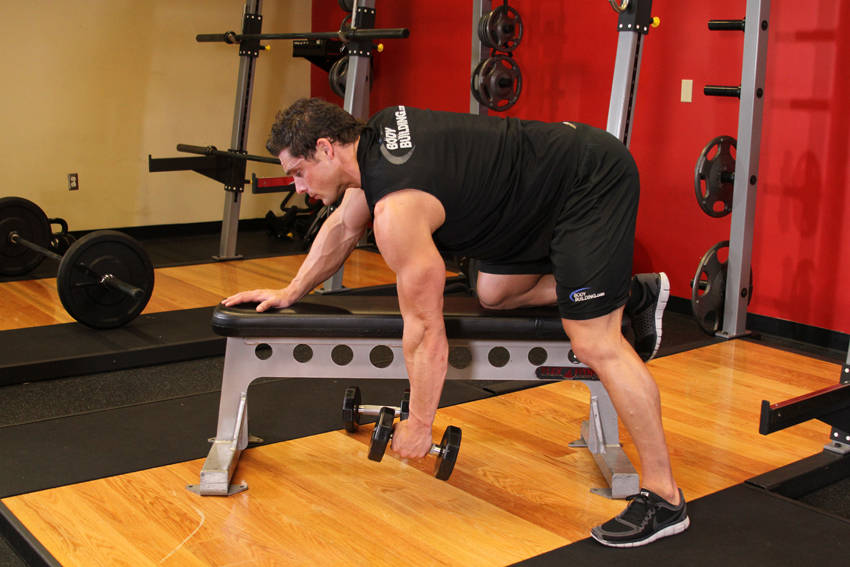
Dumbbell Bent Over Row
Head-to-Head Comparison
| Attribute | Barbell Bent Over Row | Dumbbell Bent Over Row |
|---|---|---|
| Target Muscle |
Upper-back
|
Lats
|
| Body Part |
Back
|
Back
|
| Equipment |
Barbell
|
Dumbbell
|
| Difficulty |
Intermediate
|
Intermediate
|
| Movement Type |
Compound
|
Compound
|
| Secondary Muscles |
2
|
2
|
Secondary Muscles Activated
Barbell Bent Over Row
Dumbbell Bent Over Row
Visual Comparison
Overview
Barbell Bent Over Row vs Dumbbell Bent Over Row — you probably know both moves, but which one should you program more often? {Exercise1} vs {Exercise2} works as a simple shorthand for this head-to-head. In this guide you'll get clear, actionable comparisons of muscle emphasis, biomechanics, equipment needs, injury risk, and programming (rep ranges, progressions, and technique cues). I’ll tell you when to prioritize each variation, show the key setup and pulling cues (torso angle, elbow path, tempo), and give specific recommendations for hypertrophy, strength, beginners, and home training.
Key Differences
- Barbell Bent Over Row primarily targets the Upper-back, while Dumbbell Bent Over Row focuses on the Lats.
- Equipment differs: Barbell Bent Over Row uses Barbell, while Dumbbell Bent Over Row requires Dumbbell.
Pros & Cons
Barbell Bent Over Row
+ Pros
- Allows heavier bilateral loading for maximal strength and progressive overload
- Promotes symmetrical muscle development when performed with strict form
- Stronger stimulus for upper-back rhomboids and middle/lower traps due to bar path
- Easier to load in small increments using standard plate sizes
− Cons
- Higher compressive and shear forces on the lumbar spine under heavy loads
- Fixed bar path can limit natural shoulder rotation and lat stretch
- Requires more equipment and space compared to dumbbells
Dumbbell Bent Over Row
+ Pros
- Greater unilateral control to correct imbalances and work through full lat stretch
- Lower axial compression and more natural shoulder paths reduce spinal stress
- Accessible for most home gyms and adjustable weights
- Permits varied pulling angles—pull to hip or lower rib to shift emphasis
− Cons
- Harder to match absolute loading of a loaded barbell for maximal strength
- Requires more core bracing to prevent torso rotation under asymmetric loads
- Grip strength or dumbbell increments can limit progression at heavier loads
When Each Exercise Wins
Dumbbells allow a longer range of motion and better lat stretch at the top of the pull, increasing mechanical tension. Use 6–12 reps, 3–5 sets, and pull to the hip with elbows tracking ~30–45° to maximize lat and posterior chain tension.
Barbells let you load heavier and apply progressive overload more effectively, which is key for increasing maximal pulling strength. Program 3–6 reps, 4–6 sets, and focus on maintaining a rigid torso (30–45° hinge) and explosive concentric drive.
Dumbbells are easier to teach and permit self-limiting loads while you learn the hip hinge and scapular retraction. Start with lighter weight, 8–12 reps, and focus on controlled tempo and neutral spine to build technique.
Most home gyms have limited equipment, and adjustable dumbbells provide flexible loading with less space and risk. You can progress with tempos, unilateral sets, or increased time under tension if large plates aren’t available.
Frequently Asked Questions
Can I do both Barbell Bent Over Row and Dumbbell Bent Over Row in the same workout?
Yes. Use the barbell as a heavy compound set first (3–6 reps) and follow with unilateral dumbbell rows for volume and lat stretch (8–12 reps). This sequence exploits high-load strength work then adds mechanical tension and imbalance correction.
Which exercise is better for beginners?
Dumbbell rows are generally better for beginners because they allow easier motor control and self-limited loading. Start with light weight, focus on hip hinge and neutral spine, and progress reps and load as technique solidifies.
How do the muscle activation patterns differ?
Barbell rows produce a centralized force vector that increases symmetrical upper-back (rhomboid/trap) activation and spinal erector loading; dumbbells permit more independent paths, increasing lat length-tension and unilateral stabilizer recruitment. Elbow angle matters: ~30–45° favors lats, wider angles shift emphasis toward posterior delts and traps.
Can Dumbbell Bent Over Row replace Barbell Bent Over Row?
It can replace barbell rows for hypertrophy, rehab, or when equipment is limited, but it won’t fully substitute for maximal strength work since absolute loading is lower. If your goal is raw pulling strength, keep barbell rows in the program; otherwise, dumbbells are a practical and effective alternative.
Expert Verdict
Pick the barbell bent-over row when your primary goal is absolute strength and heavy bilateral overload; it’s the better option for moving large loads and recruiting the upper-back under maximal tension. Choose the dumbbell bent-over row when you want greater lat stretch, unilateral control, or to reduce spinal compression—ideal for hypertrophy phases, correcting imbalances, and home training. Program both into a periodized plan: prioritize barbell rows during strength blocks (3–6 reps) and dumbbells during hypertrophy or accessory blocks (6–12 reps). Use strict hip-hinge mechanics (torso ~30–45° to horizontal), pull to the lower ribs or hip depending on emphasis, and cue scapular retraction before the concentric pull.
Also Compare
More comparisons with Barbell Bent Over Row
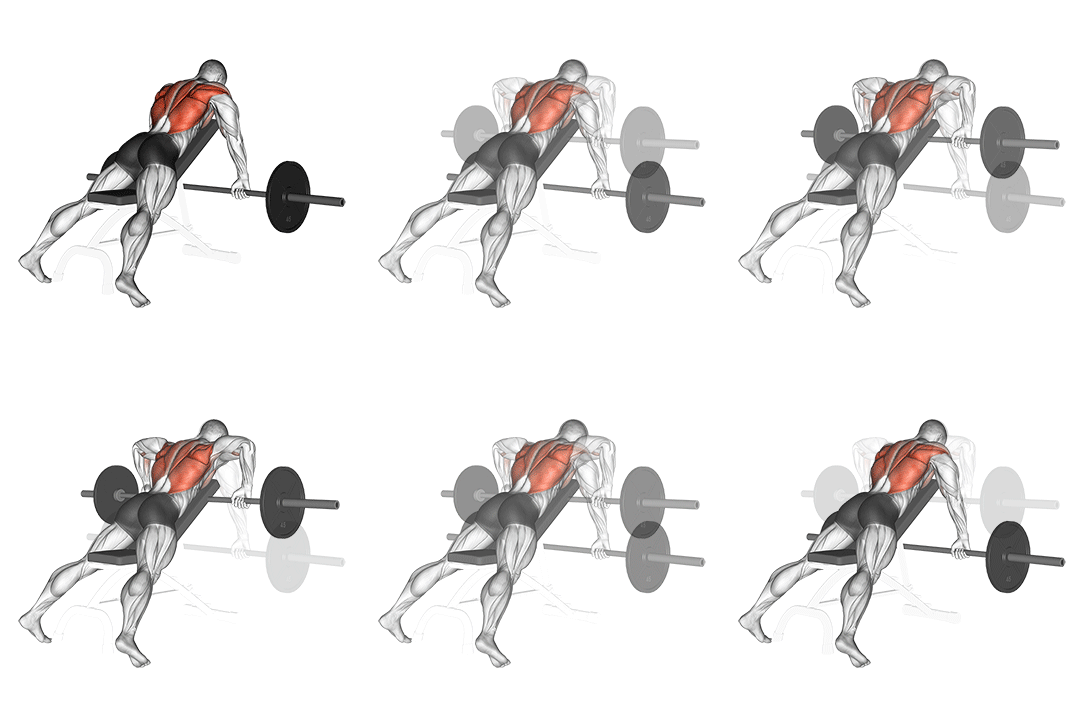
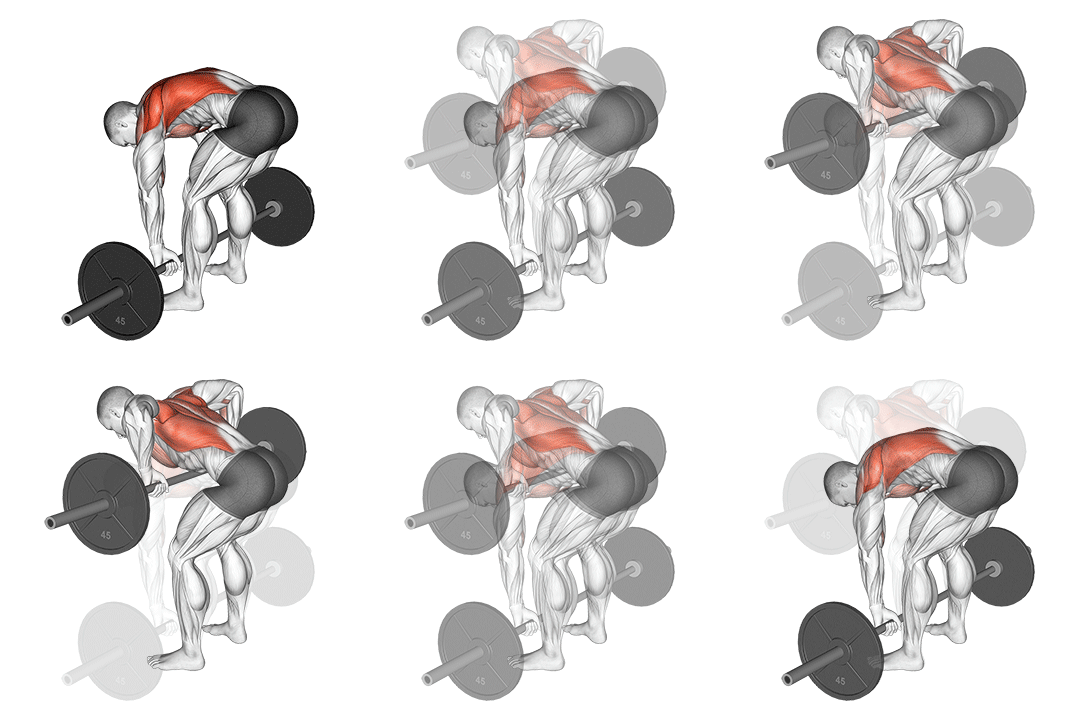
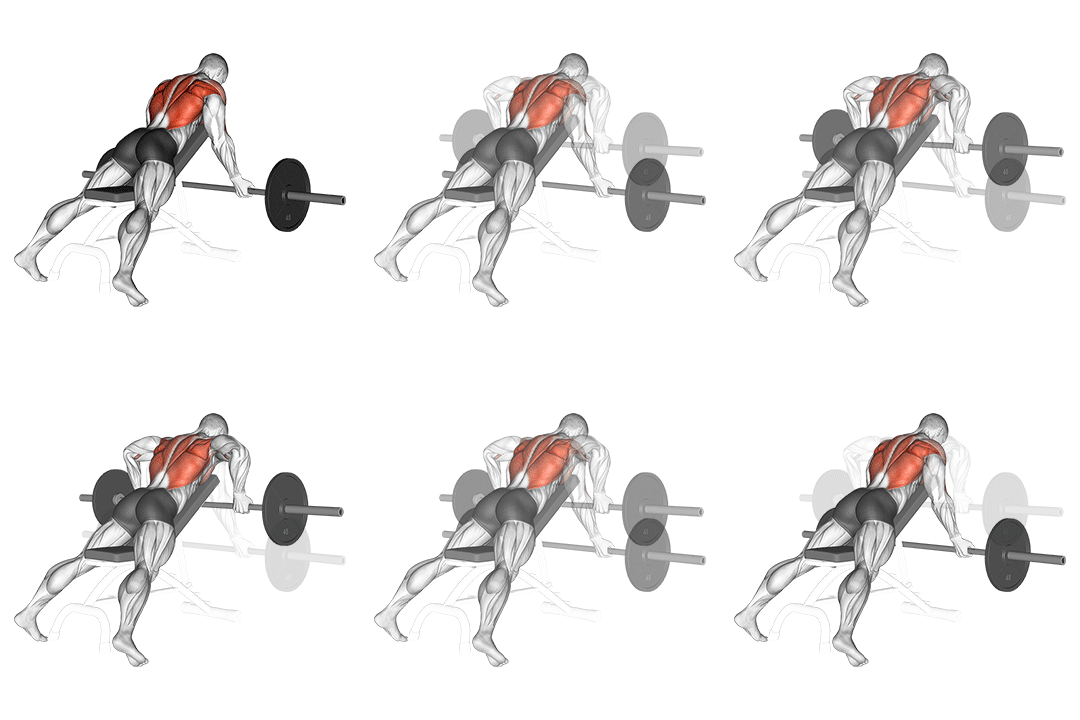
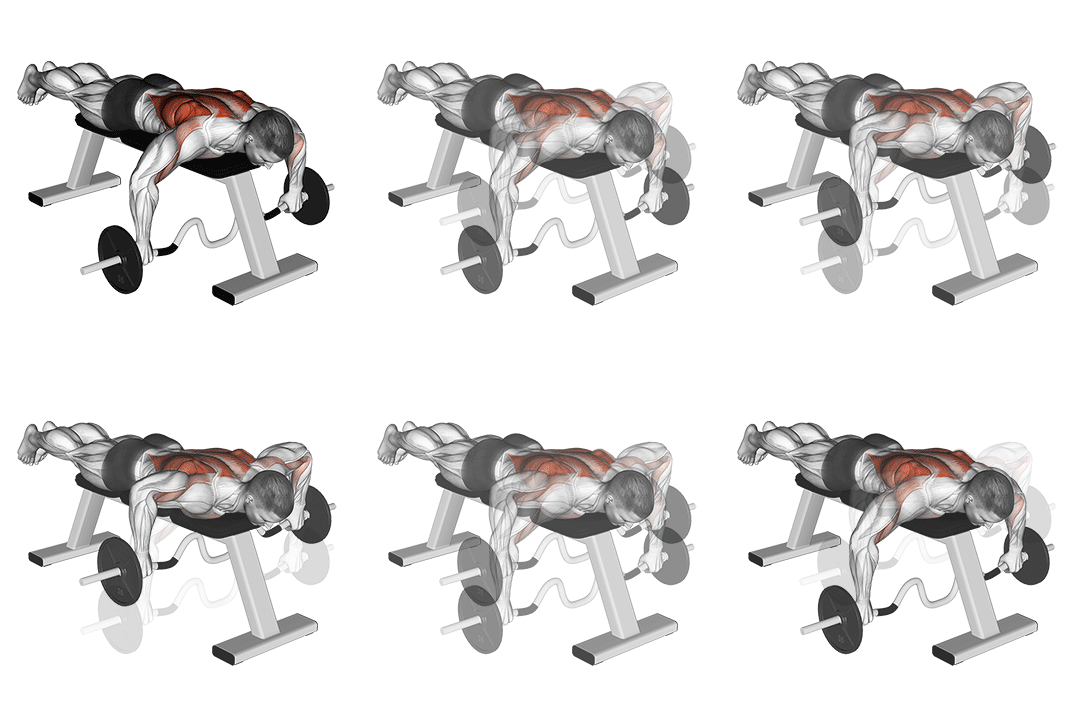
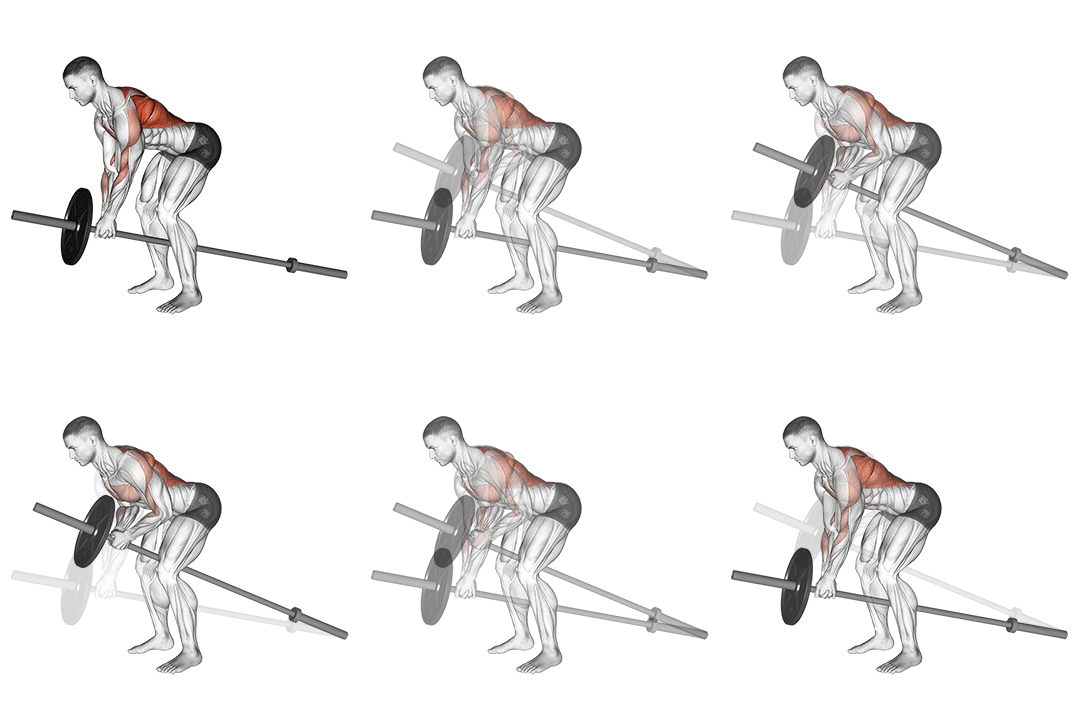
More comparisons with Dumbbell Bent Over Row
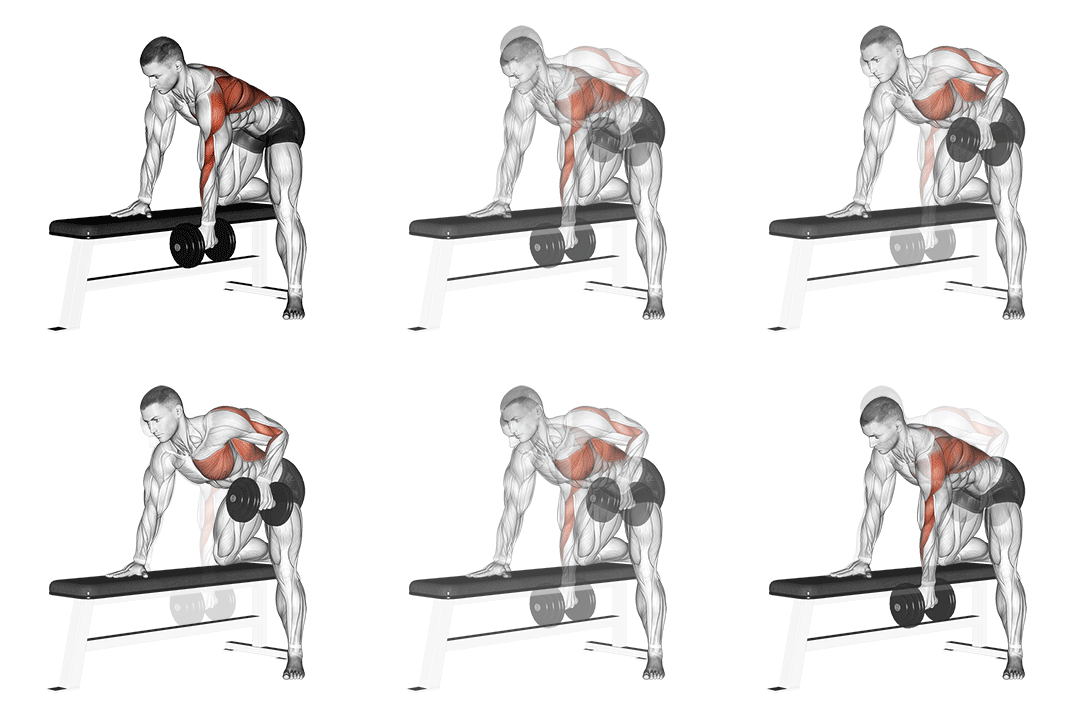
Compare More Exercises
Use our free comparison tool to analyze any two exercises head-to-head.
Compare Exercises