

Barbell Decline Bench Press vs Barbell Guillotine Bench Press: Complete Comparison Guide
Barbell Decline Bench Press vs Barbell Guillotine Bench Press — two barbell chest moves that look similar but load your pecs in different ways. If you want clear guidance on which to use, you’re in the right place. I’ll break down primary and secondary muscle activation, required equipment, technique cues (angles, grip, elbow path), risk factors, and programming recommendations including rep ranges and progression. Read on to learn when to favor decline presses for heavy lower-chest strength or when a careful guillotine press can increase pectoral stretch and muscle growth.
Exercise Comparison
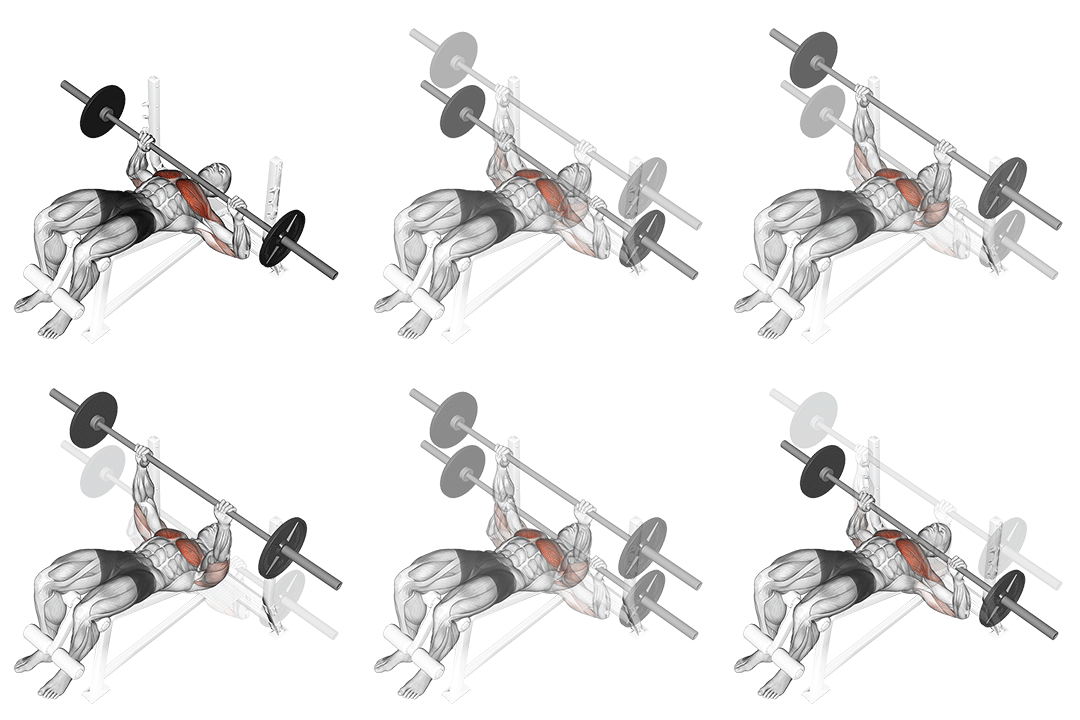
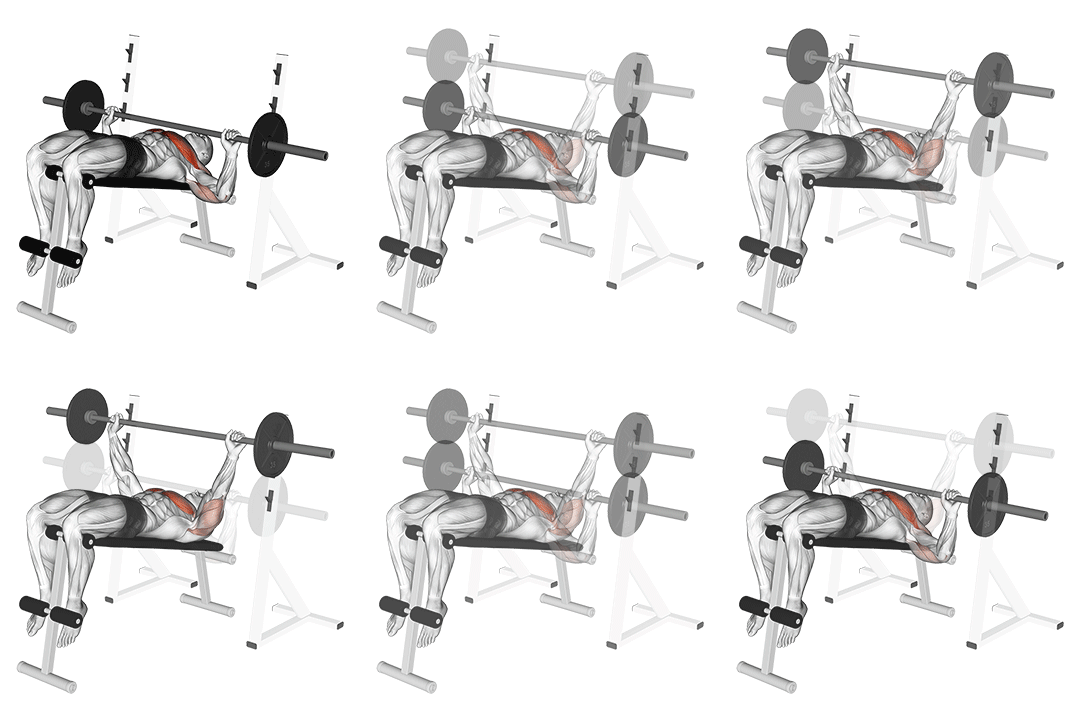
Barbell Decline Bench Press
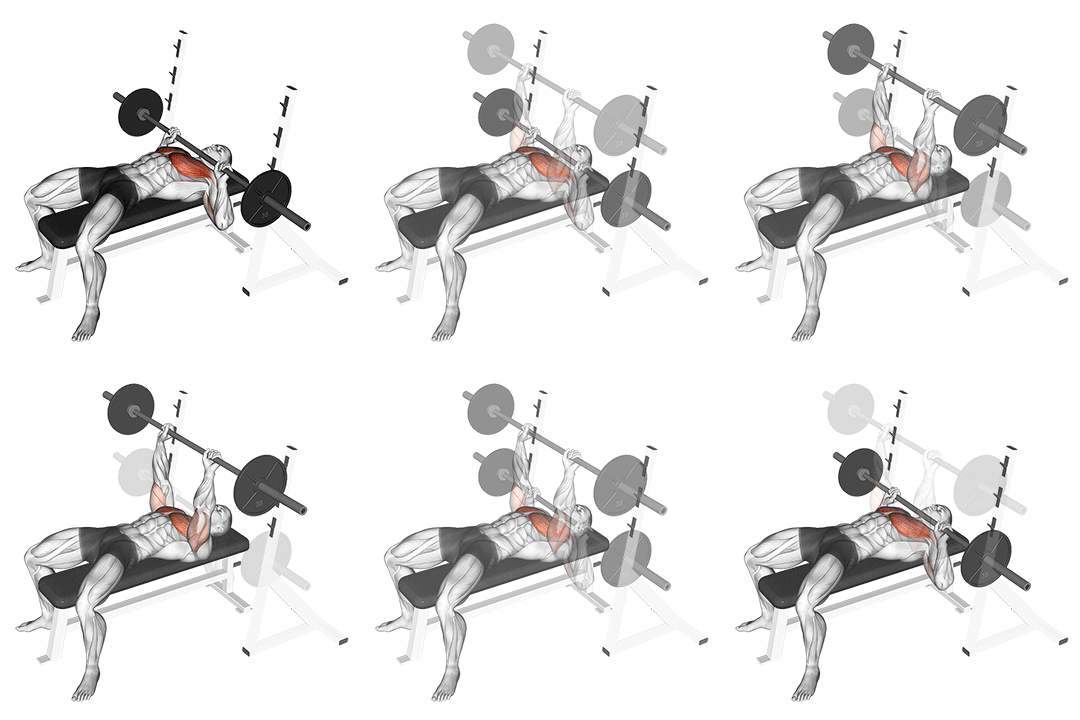
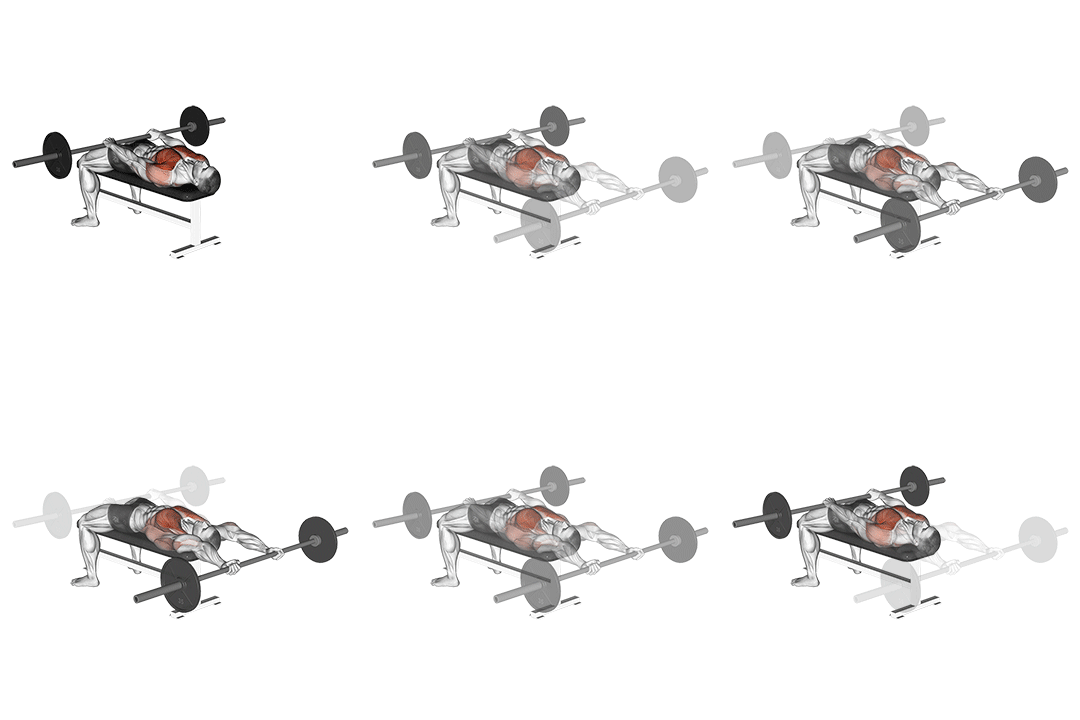
Barbell Guillotine Bench Press
Head-to-Head Comparison
| Attribute | Barbell Decline Bench Press | Barbell Guillotine Bench Press |
|---|---|---|
| Target Muscle |
Pectorals
|
Pectorals
|
| Body Part |
Chest
|
Chest
|
| Equipment |
Barbell
|
Barbell
|
| Difficulty |
Intermediate
|
Advanced
|
| Movement Type |
Compound
|
Compound
|
| Secondary Muscles |
2
|
2
|
Secondary Muscles Activated
Barbell Decline Bench Press
Barbell Guillotine Bench Press
Visual Comparison
Overview
Barbell Decline Bench Press vs Barbell Guillotine Bench Press — two barbell chest moves that look similar but load your pecs in different ways. If you want clear guidance on which to use, you’re in the right place. I’ll break down primary and secondary muscle activation, required equipment, technique cues (angles, grip, elbow path), risk factors, and programming recommendations including rep ranges and progression. Read on to learn when to favor decline presses for heavy lower-chest strength or when a careful guillotine press can increase pectoral stretch and muscle growth.
Key Differences
- Difficulty levels differ: Barbell Decline Bench Press is intermediate, while Barbell Guillotine Bench Press is advanced.
- Both exercises target the Pectorals using Barbell. The main differences are in their movement patterns and muscle activation angles.
Pros & Cons
Barbell Decline Bench Press
+ Pros
- Shifts emphasis to lower pecs and reduces anterior deltoid involvement
- Allows heavier loading and stronger concentric force production
- More stable torso position and shorter range of motion for pressing
- Good for strength phases (low reps, 1–5) and overloaded progressions
− Cons
- Decline benches are less available in many gyms
- Can reduce upper-pec development compared with incline variations
- Requires secure foot/hip bracing to protect the lower back
Barbell Guillotine Bench Press
+ Pros
- Maximizes pec stretch and time under tension for hypertrophy
- Targets sternal pec fibers via long-muscle-length loading
- Requires only a flat bench and rack, so easy to set up
- Excellent for controlled eccentric and tempo-focused sets
− Cons
- Higher shoulder and anterior capsule stress — greater injury risk
- Advanced technique; needs precise grip and mobility
- Generally requires lighter loads and careful spotter/rack use
When Each Exercise Wins
Its wide grip and high-elbow, neck-level bar path increase pectoral stretch and time under tension, which enhances hypertrophy stimulus. Use 6–12 reps with slow eccentrics to exploit length-tension benefits.
The decline angle (-15° to -30°) creates a stronger pressing position with less shoulder involvement, letting you apply heavier loads and build raw pressing strength in the lower pec and triceps-driven lockout.
Decline technique is closer to the flat press and easier to learn; it allows progressive overload with lower technical demand and reduced shoulder stress compared with the guillotine press.
Most home setups have a flat bench and rack but not a decline bench. Guillotine-style cues and a wider grip let you vary stimulus without specialized equipment, as long as you use conservative loads.
Frequently Asked Questions
Can I do both Barbell Decline Bench Press and Barbell Guillotine Bench Press in the same workout?
Yes — but structure them smartly. Pair the decline press early for heavier sets (strength focus) and use the guillotine later as an accessory for hypertrophy with lighter loads and controlled tempo. Keep total shoulder volume in check.
Which exercise is better for beginners?
Barbell Decline Bench Press is better for most beginners because it’s easier to learn, allows heavier loading, and places less extreme stress on the shoulder joint. Start with lighter loads and master bracing and foot placement first.
How do the muscle activation patterns differ?
Decline shifts the force vector to favor concentric force production by the sternal pecs with reduced anterior deltoid activation, while the guillotine increases eccentric stretch and passive tension on the pecs early in the rep. That means guillotine increases stretch-mediated stimulus; decline favors heavier concentric output.
Can Barbell Guillotine Bench Press replace Barbell Decline Bench Press?
Not completely. Guillotine can replace decline when hypertrophy and pec stretch are the priority, but it’s not a direct substitute for heavy strength work because you’ll typically use lighter loads and accept higher shoulder stress. Use each based on your phase and shoulder health.
Expert Verdict
Choose the Barbell Decline Bench Press when your primary goal is increasing raw pressing strength and you want to load the lower pecs with heavier weight and a more stable pressing angle. Favor decline during low-rep strength cycles (1–5 reps) and in programs that prioritize overload. Choose the Barbell Guillotine Bench Press when your goal is targeted hypertrophy through increased pectoral stretch and time under tension; use it for moderate reps (6–12), controlled eccentrics, and lighter loads with solid scapular control. Prioritize shoulder health: if you have limited external rotation or prior anterior shoulder issues, avoid heavy guillotine loading and prefer decline or safer chest variations.
Also Compare
More comparisons with Barbell Decline Bench Press
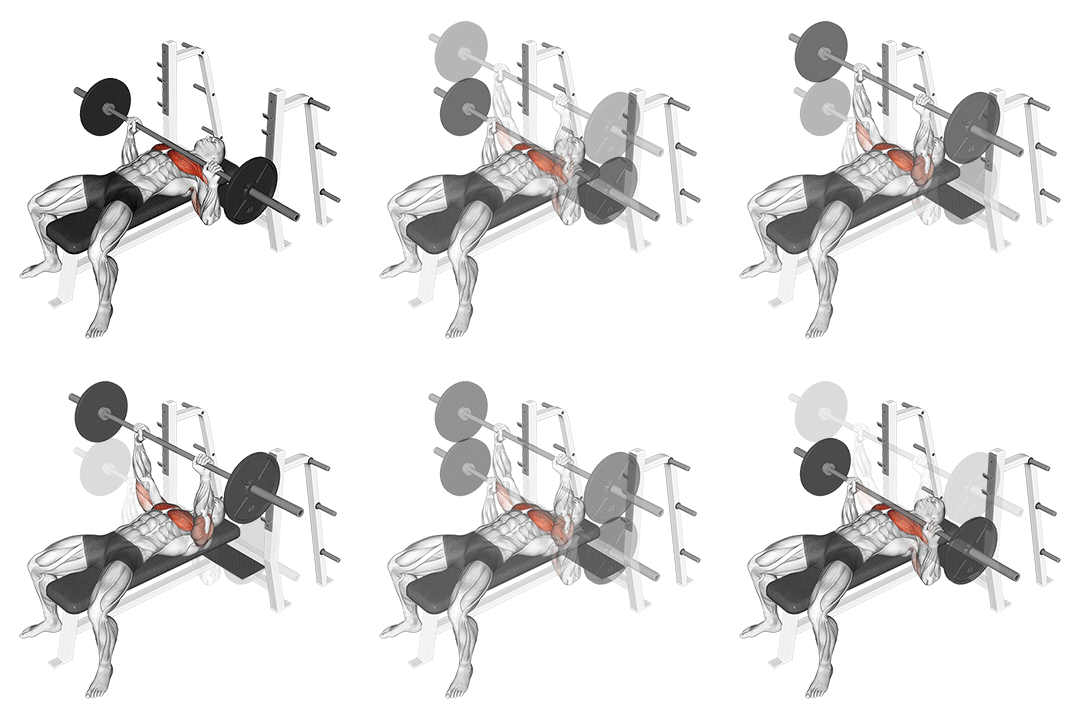
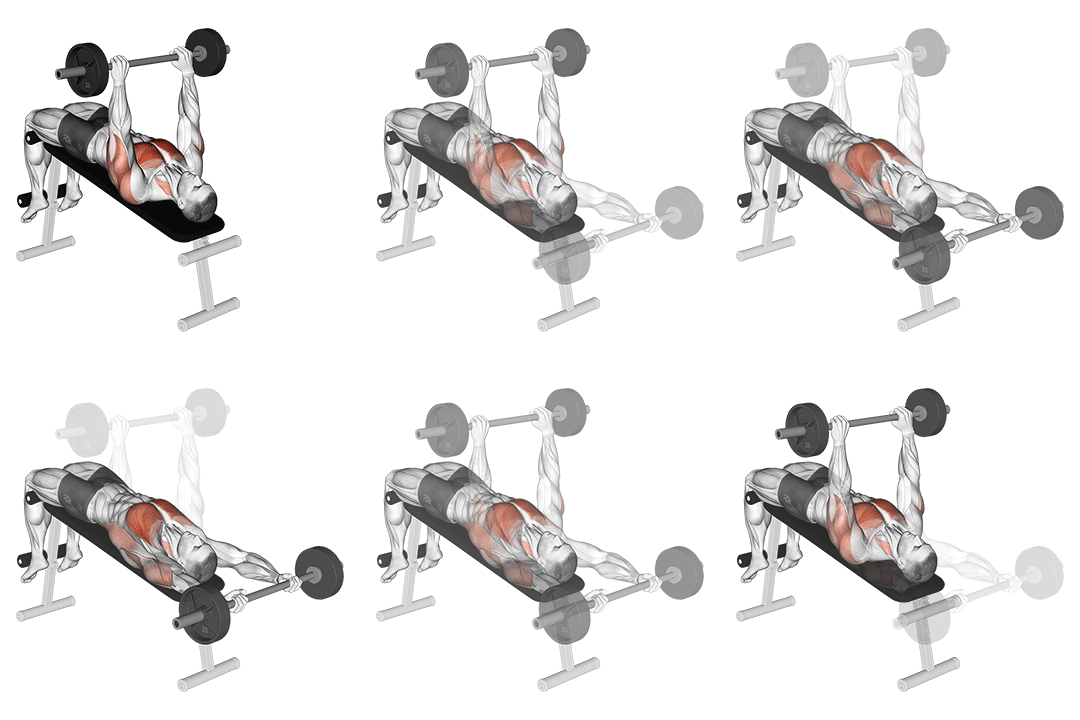
More comparisons with Barbell Guillotine Bench Press
Compare More Exercises
Use our free comparison tool to analyze any two exercises head-to-head.
Compare Exercises