

Barbell Press Sit-up vs Barbell Side Bent V. 2: Complete Comparison Guide
Barbell Press Sit-up vs Barbell Side Bent V. 2 are two barbell-based core compounds that stress your waist in distinct ways. You’ll get a clear, practical comparison of muscle activation, equipment and setup, difficulty, injury risk, and programming (rep ranges: 8–15 for hypertrophy, 3–6 for strength emphasis). I’ll show the biomechanical reasons one targets the rectus abdominis more while the other loads obliques and lower back, give exact technique cues, and recommend which to prioritize for muscle growth, strength, or beginner-friendly training.
Exercise Comparison
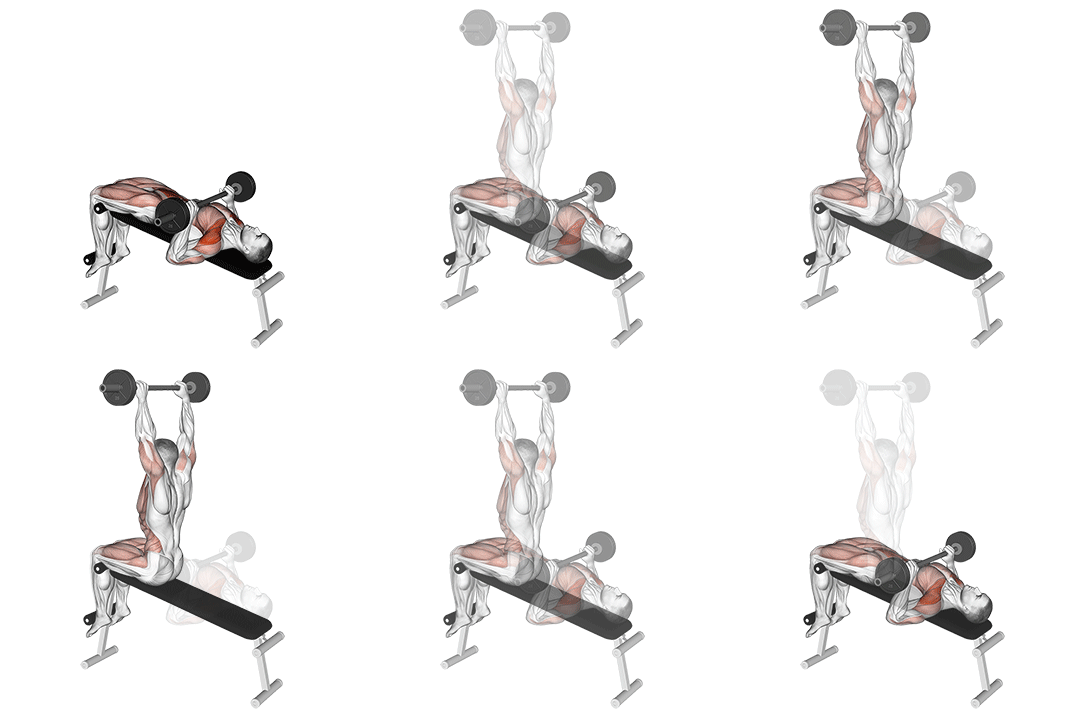
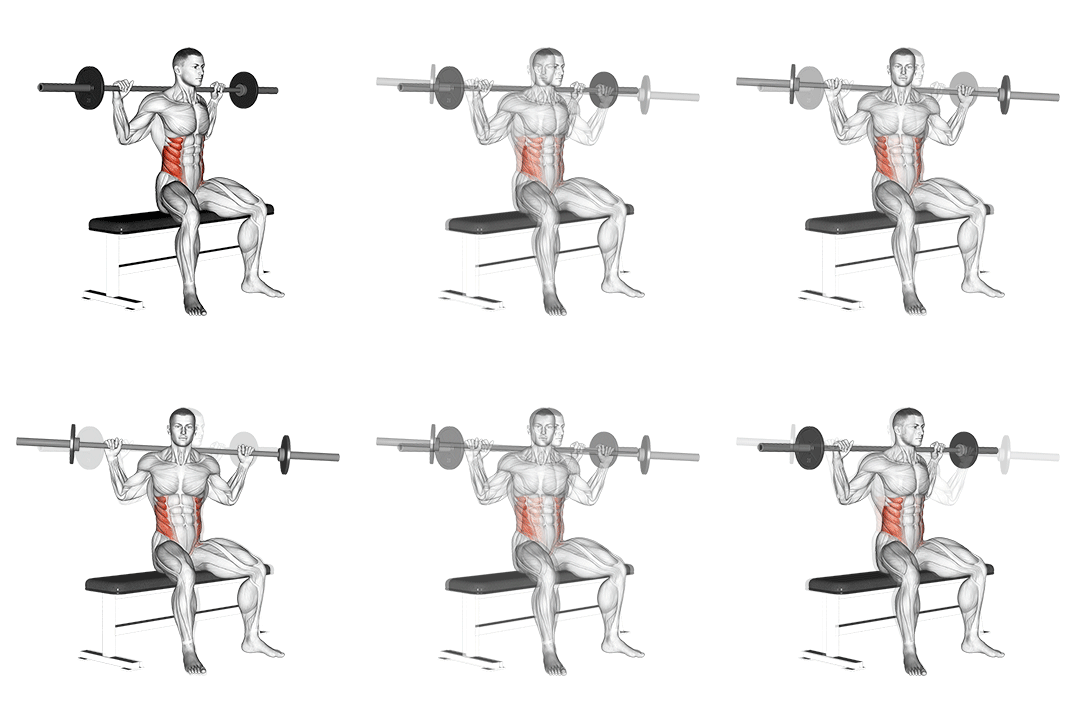
Barbell Press Sit-up
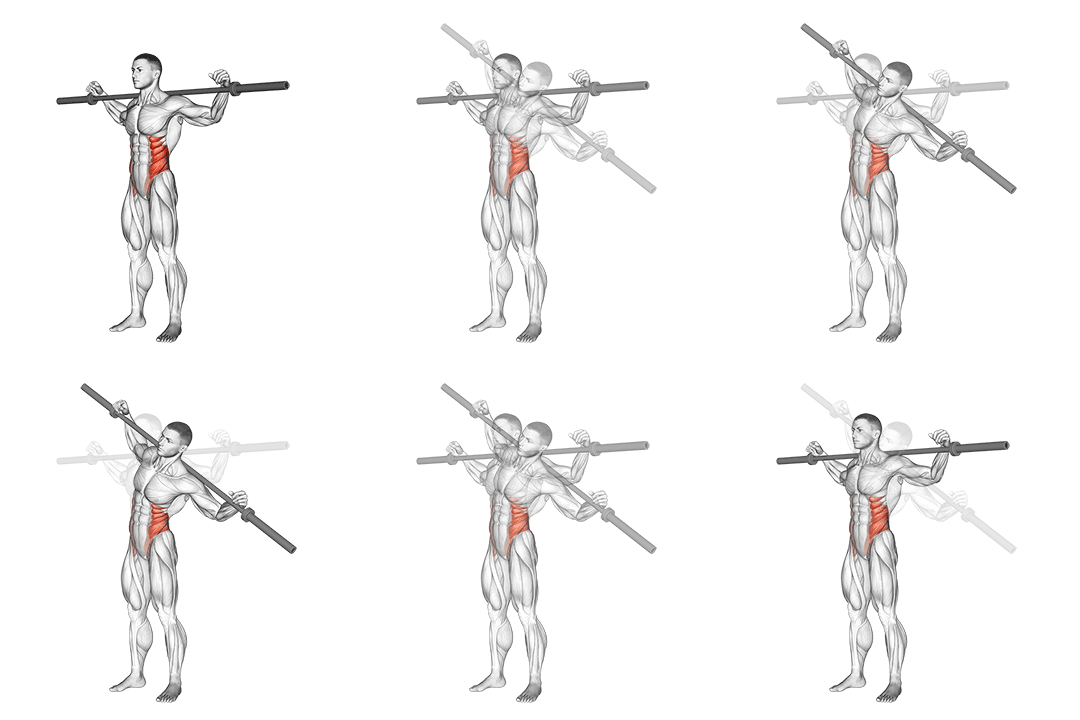
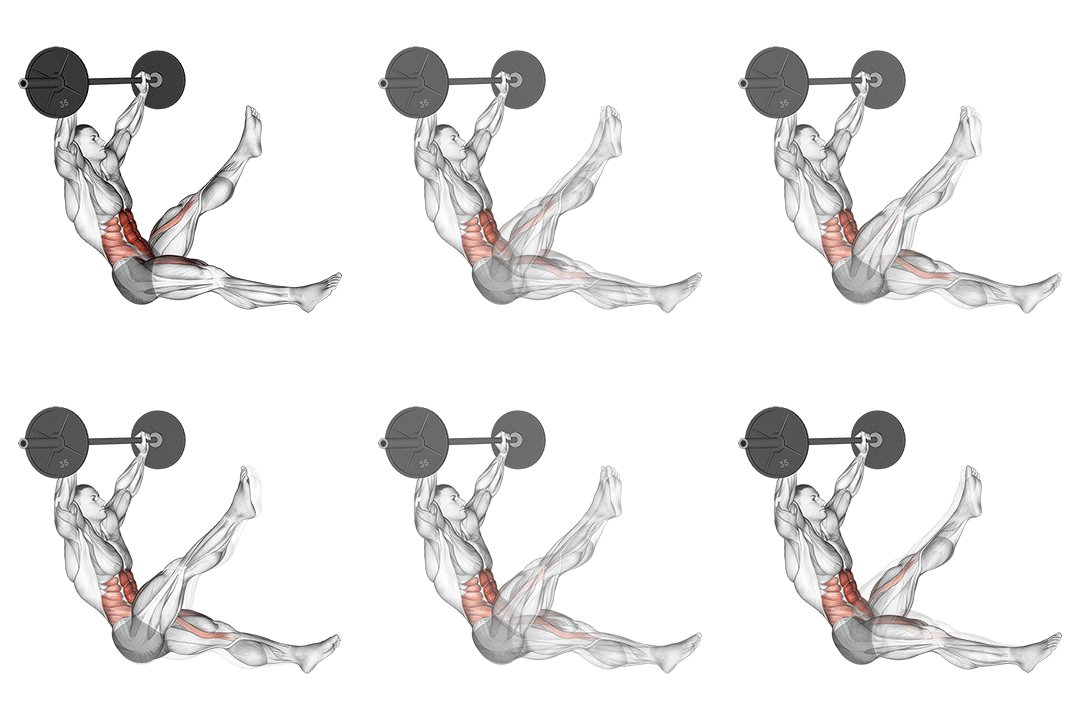
Barbell Side Bent V. 2
Head-to-Head Comparison
| Attribute | Barbell Press Sit-up | Barbell Side Bent V. 2 |
|---|---|---|
| Target Muscle |
Abs
|
Abs
|
| Body Part |
Waist
|
Waist
|
| Equipment |
Barbell
|
Barbell
|
| Difficulty |
Intermediate
|
Beginner
|
| Movement Type |
Compound
|
Compound
|
| Secondary Muscles |
2
|
2
|
Secondary Muscles Activated
Barbell Press Sit-up
Barbell Side Bent V. 2
Visual Comparison
Overview
Barbell Press Sit-up vs Barbell Side Bent V. 2 are two barbell-based core compounds that stress your waist in distinct ways. You’ll get a clear, practical comparison of muscle activation, equipment and setup, difficulty, injury risk, and programming (rep ranges: 8–15 for hypertrophy, 3–6 for strength emphasis). I’ll show the biomechanical reasons one targets the rectus abdominis more while the other loads obliques and lower back, give exact technique cues, and recommend which to prioritize for muscle growth, strength, or beginner-friendly training.
Key Differences
- Difficulty levels differ: Barbell Press Sit-up is intermediate, while Barbell Side Bent V. 2 is beginner.
- Both exercises target the Abs using Barbell. The main differences are in their movement patterns and muscle activation angles.
Pros & Cons
Barbell Press Sit-up
+ Pros
- High rectus abdominis stimulus through loaded trunk flexion and press coupling
- Easy to progressive overload (add weight, change rep ranges 3–15)
- Builds shoulder and scapular stability as a secondary benefit
- Efficient full anterior-chain compound movement—time effective
− Cons
- Higher spinal compression and shoulder stress if performed with poor technique
- Requires bench or stable sit surface plus overhead clearance
- More technical: timing the press with trunk movement demands coordination
Barbell Side Bent V. 2
+ Pros
- Simple setup and movement—beginner friendly
- Strong oblique and lateral chain emphasis for waist shaping and anti-rotation
- Lower overall equipment needs and space requirements
- Easily scaled by adjusting range of motion and weight
− Cons
- Harder to heavily overload for constant tension compared to trunk-flexion variants
- Can produce unilateral lumbar shear if performed with excessive weight
- Less shoulder and anterior chain carryover compared with press sit-up
When Each Exercise Wins
The Press Sit-up lets you progressively overload the rectus abdominis with heavier plates and controlled eccentrics (8–15 rep ranges). The combined trunk flexion plus press creates a larger anabolic stimulus across the anterior chain.
Its compound nature and ability to load in the 3–6 rep range builds absolute core and upper-body strength. The vertical force vector and scapular demand transfer to other heavy lifts better than isolated lateral bends.
It’s easier to learn and scale: stand, brace, and bend laterally through 15–35° with light weight. That simplicity reduces technical breakdown and lets novices build core awareness safely.
Side Bent V. 2 needs only floor space and a barbell; no bench or overhead space required. You can use lighter plates or even a broom-and-weight substitute to train obliques effectively.
Frequently Asked Questions
Can I do both Barbell Press Sit-up and Barbell Side Bent V. 2 in the same workout?
Yes — pair them strategically. Do the heavier Barbell Press Sit-up early when you’re fresh (3–6 reps for strength or 8–12 for hypertrophy), then use Side Bent V. 2 later as an accessory for oblique endurance (10–20 reps per side).
Which exercise is better for beginners?
Barbell Side Bent V. 2 is better for beginners due to simpler mechanics and lower coordination demand. Start light, focus on controlled 15–35° lateral flexion, and build core-bracing before advancing to loaded press sit-ups.
How do the muscle activation patterns differ?
Press Sit-up emphasizes sagittal-plane trunk flexion with high rectus abdominis activation and secondary shoulder involvement; Side Bent V. 2 emphasizes frontal-plane lateral flexion, loading ipsilateral obliques and QL with contralateral eccentric stabilization.
Can Barbell Side Bent V. 2 replace Barbell Press Sit-up?
Only if your goal is primarily oblique endurance or you lack setup for a press sit-up. For targeted rectus hypertrophy or heavy integrated core strength, Side Bent V. 2 is not a full replacement—use it as a complementary exercise.
Expert Verdict
Use the Barbell Press Sit-up when your priority is rectus abdominis hypertrophy or building integrated anterior-chain strength; its loaded trunk flexion plus press allows deliberate progressive overload and carries to other compound lifts. Choose Barbell Side Bent V. 2 when you need a beginner-friendly, accessible exercise that targets obliques and lateral stability with lower setup demands and safer loading for novices. Program both strategically: include Press Sit-ups 1–2x/week for heavy core work (3–8 sets of 3–12 reps, vary tempo) and Side Bent V. 2 as accessory work or warm-up (2–4 sets of 10–20 reps per side) to balance frontal- and sagittal-plane stability.
Also Compare
More comparisons with Barbell Press Sit-up
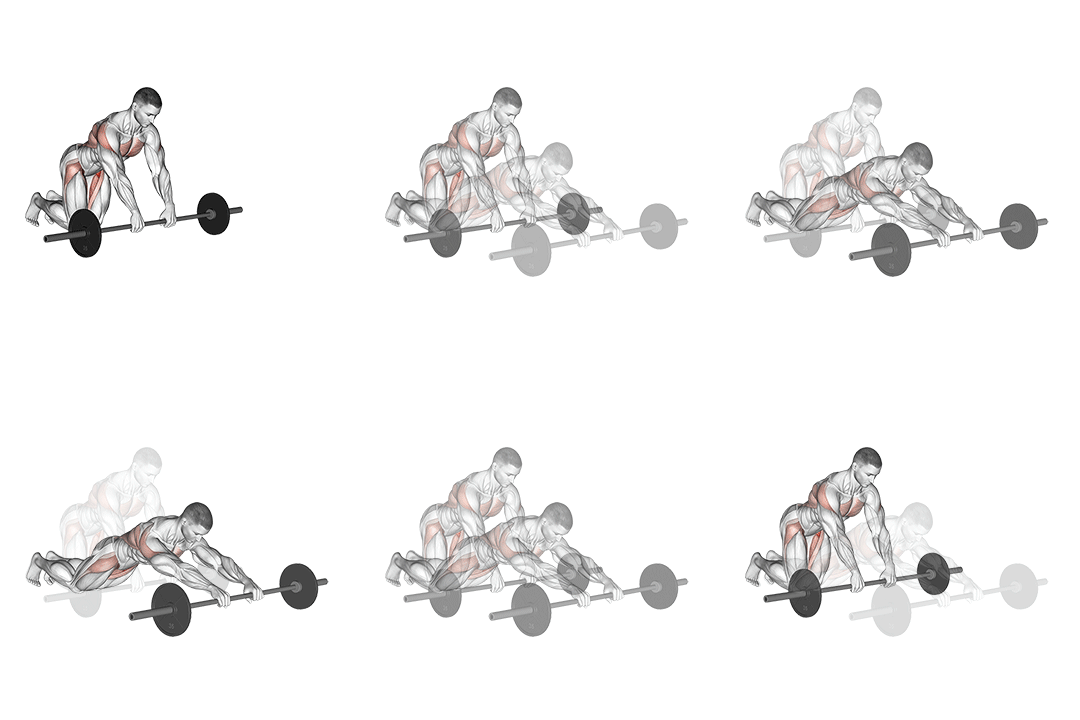
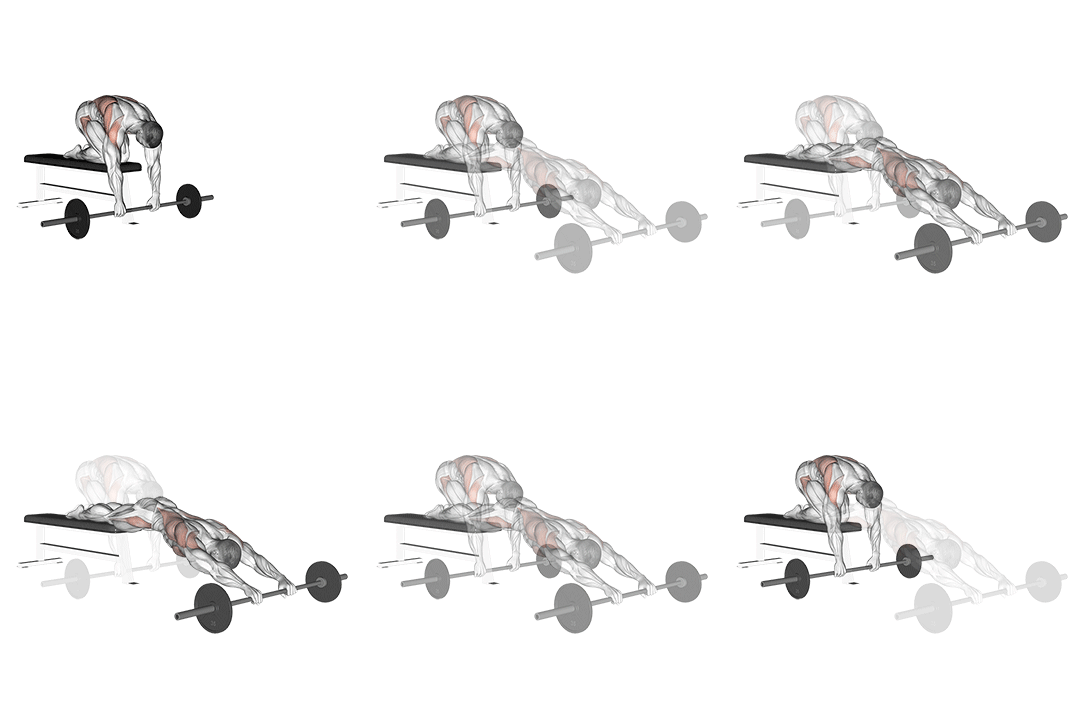
More comparisons with Barbell Side Bent V. 2
Compare More Exercises
Use our free comparison tool to analyze any two exercises head-to-head.
Compare Exercises