

Barbell Press Sit-up vs Barbell Sitted Alternate Leg Raise: Complete Comparison Guide
Barbell Press Sit-up vs Barbell Sitted Alternate Leg Raise, you’re choosing between a compound, press-driven abdominal move and a more isolated hip-flexor–assisted core exercise. In this guide you’ll get clear technique cues, replication-ready rep ranges (8–15 for heavy sets, 12–20 for isolation work), biomechanics explanations (force vectors, length-tension relationships, pelvic stabilization), and recommendations for hypertrophy, strength, and beginner programming. Read on to learn when to use each exercise, how to progress safely, and exact cues to maximize rectus abdominis and oblique activation while protecting your lumbar spine.
Exercise Comparison
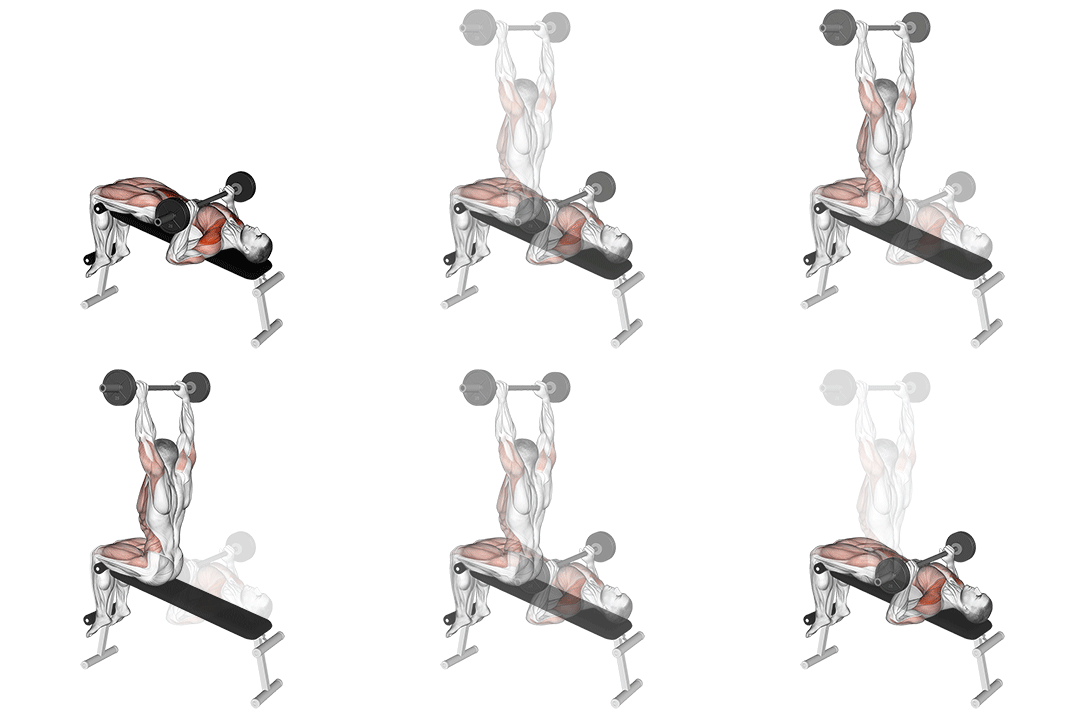
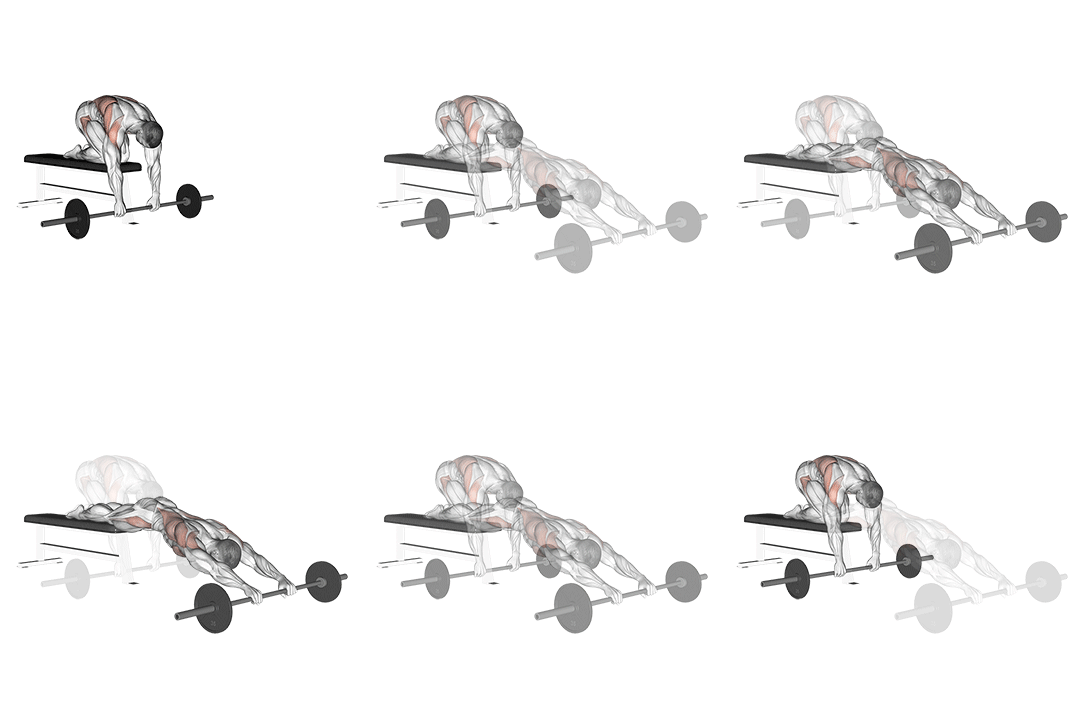
Barbell Press Sit-up
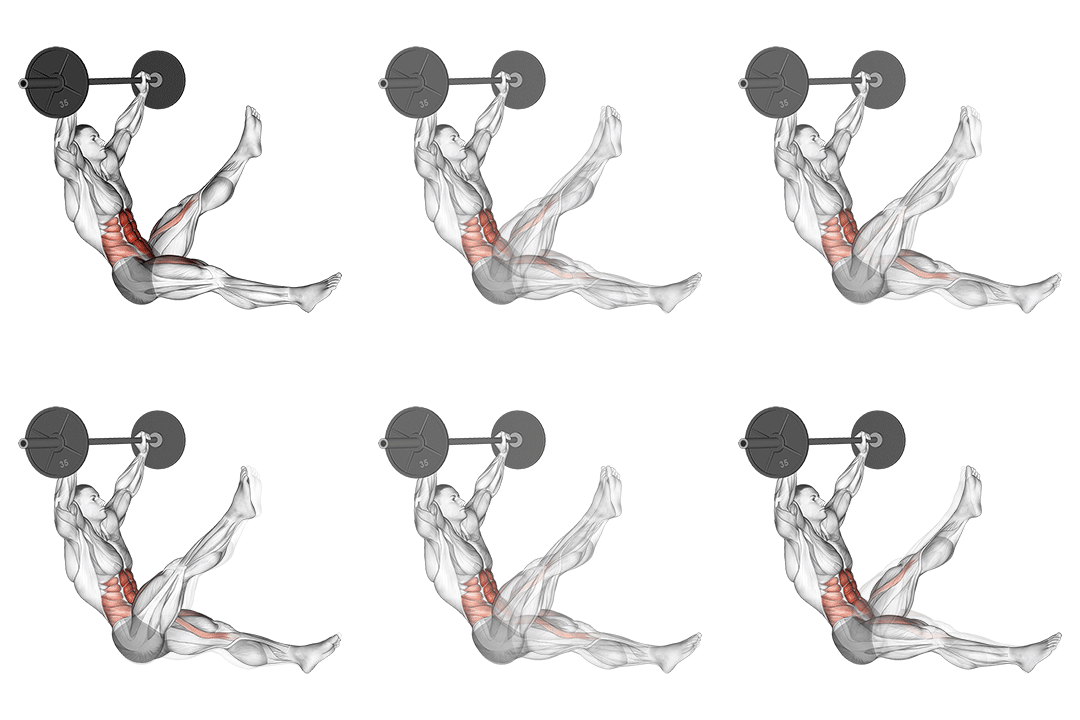
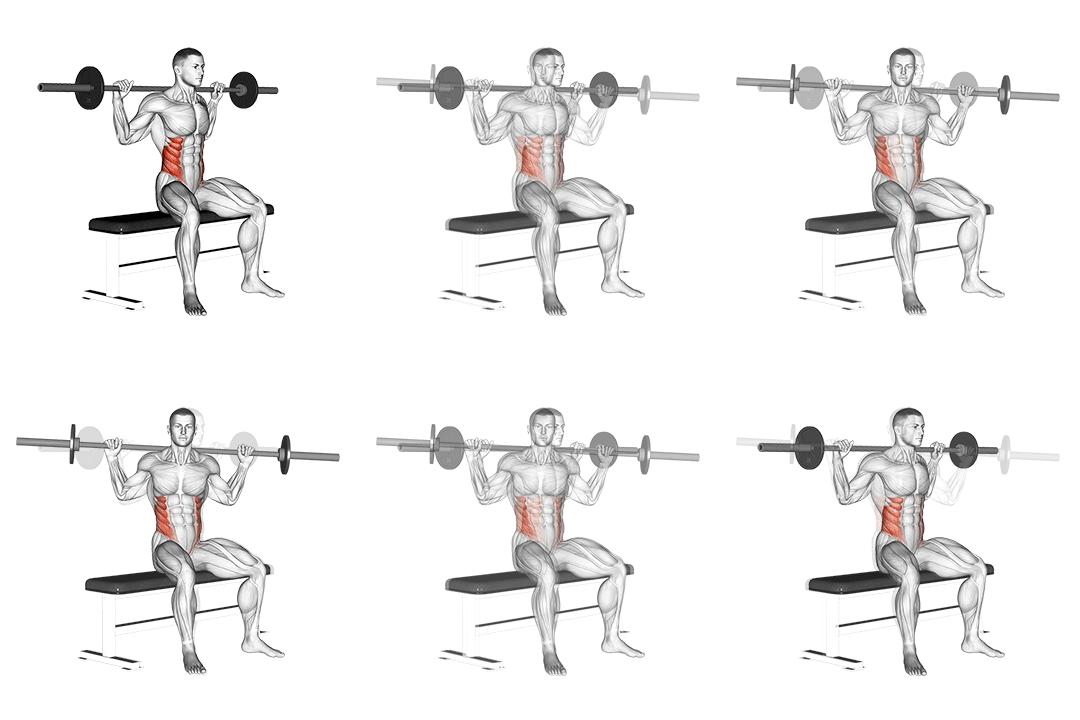
Barbell Sitted Alternate Leg Raise
Head-to-Head Comparison
| Attribute | Barbell Press Sit-up | Barbell Sitted Alternate Leg Raise |
|---|---|---|
| Target Muscle |
Abs
|
Abs
|
| Body Part |
Waist
|
Waist
|
| Equipment |
Barbell
|
Barbell
|
| Difficulty |
Intermediate
|
Intermediate
|
| Movement Type |
Compound
|
Isolation
|
| Secondary Muscles |
2
|
1
|
Secondary Muscles Activated
Barbell Press Sit-up
Barbell Sitted Alternate Leg Raise
Visual Comparison
Overview
Barbell Press Sit-up vs Barbell Sitted Alternate Leg Raise, you’re choosing between a compound, press-driven abdominal move and a more isolated hip-flexor–assisted core exercise. In this guide you’ll get clear technique cues, replication-ready rep ranges (8–15 for heavy sets, 12–20 for isolation work), biomechanics explanations (force vectors, length-tension relationships, pelvic stabilization), and recommendations for hypertrophy, strength, and beginner programming. Read on to learn when to use each exercise, how to progress safely, and exact cues to maximize rectus abdominis and oblique activation while protecting your lumbar spine.
Key Differences
- Barbell Press Sit-up is a compound movement, while Barbell Sitted Alternate Leg Raise is an isolation exercise.
- Both exercises target the Abs using Barbell. The main differences are in their movement patterns and muscle activation angles.
Pros & Cons
Barbell Press Sit-up
+ Pros
- Compound pattern loads abs plus shoulders and chest for systemic stimulus
- High progression potential—easy to add load for strength
- Builds trunk force transfer that carries to functional pressing movements
- Can train lower and upper abdominal fibers through tempo and range control
− Cons
- Higher technical demand—requires bar control and shoulder stability
- Greater lumbar compressive and extension moment if performed poorly
- Less isolation on lower rectus; hip flexors and upper chest share load
Barbell Sitted Alternate Leg Raise
+ Pros
- Isolates anterior core and lower rectus with focused pelvic stabilization
- Easier to learn and scale with lighter weights or ankle loading
- Lower shoulder and thoracic demand—suitable for those with upper-body limitations
- Great for high-rep metabolic and hypertrophy-style abdominal work
− Cons
- Relies on hip flexors—can overwork iliopsoas if form breaks down
- Lower absolute loading potential compared to compound press movements
- Less carryover to upper-body pressing strength and compound lifts
When Each Exercise Wins
If your priority is targeted abdominal hypertrophy, the Sitted Alternate Leg Raise isolates the rectus abdominis and allows longer time under tension (12–20+ reps) and precise tempo control. That isolation reduces unwanted recruitment of shoulders and chest, so your abs get more direct mechanical stimulus.
For building core strength that transfers to loaded, functional movement, the Press Sit-up lets you increase external load progressively and trains trunk stability under an anterior force vector. The compound nature teaches force transfer through the torso and supports higher absolute loading.
Beginners benefit from the simpler motor pattern and lower coordination demand of the Sitted Alternate Leg Raise, which teaches pelvic control and prevents compensatory lumbar extension. You can start with bodyweight or a light bar and build control before adding complex loaded patterns.
At home, you often have limited equipment and space—this exercise works with a light barbell, dumbbell, or even a heavy book on the lap and requires minimal setup. It’s easy to scale and keeps shoulder and rack equipment needs to a minimum.
Frequently Asked Questions
Can I do both Barbell Press Sit-up and Barbell Sitted Alternate Leg Raise in the same workout?
Yes. Pairing them works well—start with the compound Barbell Press Sit-up for heavier loading (6–12 reps) to train strength, then finish with Sitted Alternate Leg Raises for 12–20 reps to increase time under tension and target the lower rectus. Keep total volume controlled to avoid hip-flexor fatigue that can compromise form.
Which exercise is better for beginners?
The Barbell Sitted Alternate Leg Raise is better for beginners because it has a simpler motor pattern and lower shoulder demand. It teaches pelvic posterior tilt and lumbar stabilization before you add the coordination and loading needed for the Press Sit-up.
How do the muscle activation patterns differ?
The Press Sit-up ramps rectus abdominis activation as trunk flexion approaches upright, with added shoulder and chest recruitment due to the anterior barbell load—this increases the lumbar moment arm. The Sitted Alternate Leg Raise maintains steady abdominal isometric tension to prevent lumbar extension while the hip flexors drive leg motion, concentrating work on the lower rectus and obliques.
Can Barbell Sitted Alternate Leg Raise replace Barbell Press Sit-up?
It can replace the Press Sit-up when your goal is targeted abdominal development or when shoulder/pressing capacity is limited. For overall trunk strength and heavy-load tolerance, keep the Press Sit-up in your program—both exercises serve distinct purposes in a balanced routine.
Expert Verdict
Use the Barbell Press Sit-up when you want compound core strength and the ability to progressively overload with heavier external loads—it’s the better choice for building trunk force that transfers to presses and full-body lifts. Choose the Barbell Sitted Alternate Leg Raise when your goal is targeted abdominal hypertrophy, rehab-friendly core work, or simpler programming for beginners and home sessions. Program both: prioritize Sitted Alternate Leg Raises for high-rep core isolation blocks (12–20 reps, 2–4 sets) and insert Press Sit-ups for heavy strength cycles (6–12 reps, 3–5 sets) to cover both isolation and compound stimulus while watching lumbar position and shoulder control.
Also Compare
More comparisons with Barbell Press Sit-up
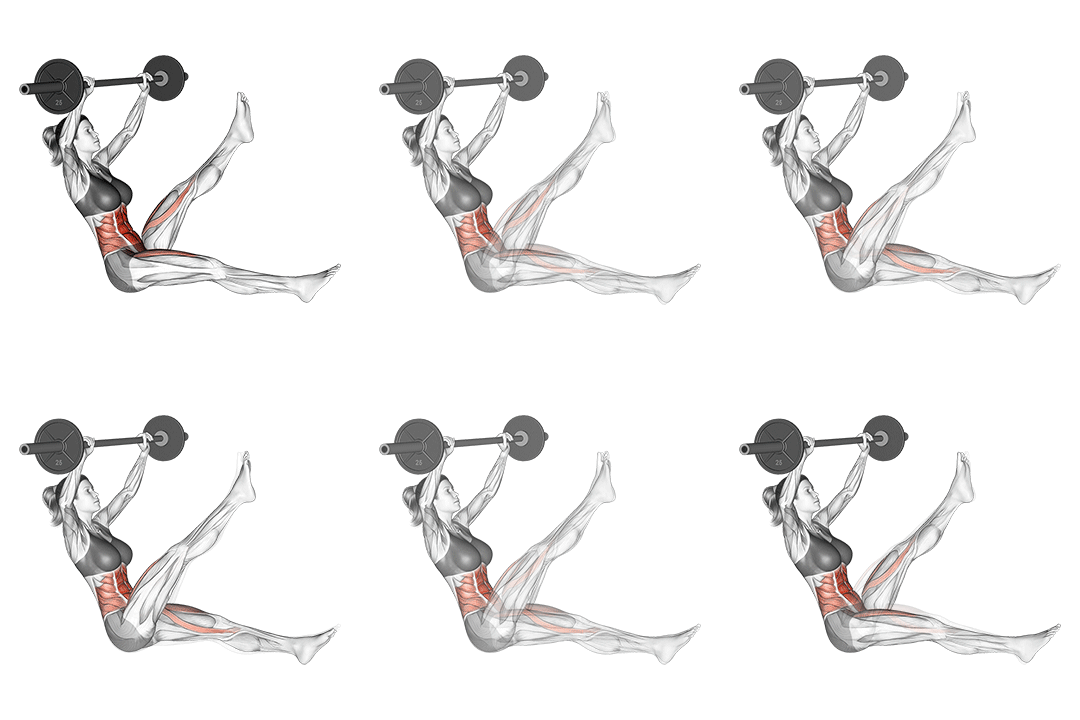
More comparisons with Barbell Sitted Alternate Leg Raise
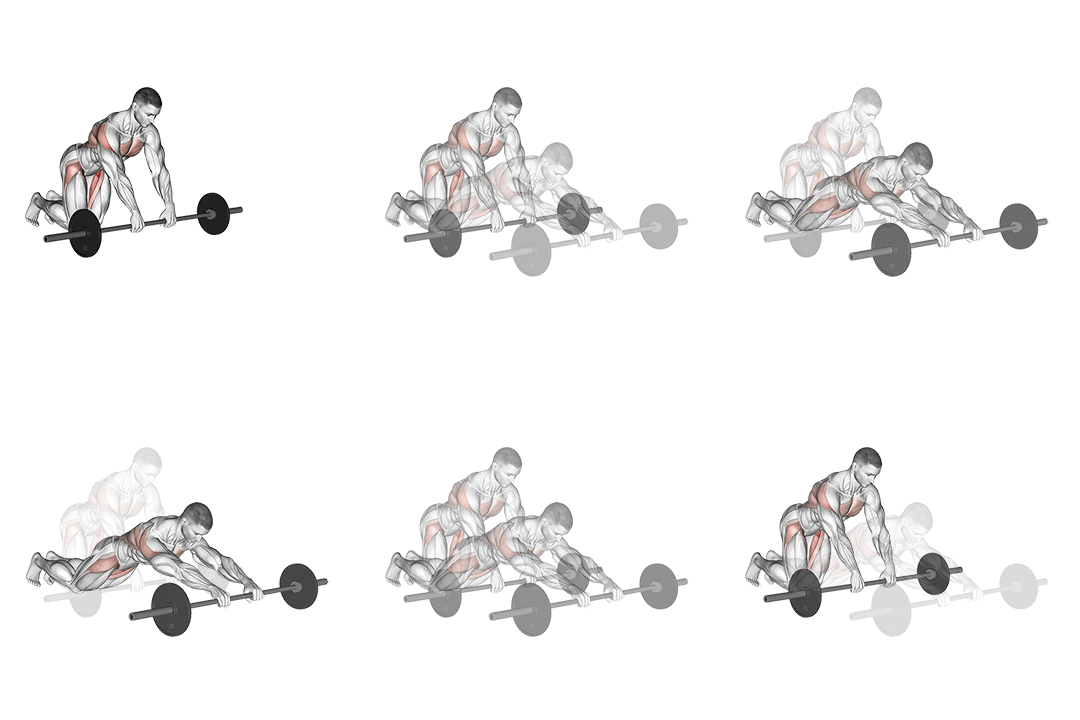
Compare More Exercises
Use our free comparison tool to analyze any two exercises head-to-head.
Compare Exercises