

Barbell Reverse Grip Incline Bench Row vs Cambered Bar Lying Row: Complete Comparison Guide
Barbell Reverse Grip Incline Bench Row vs Cambered Bar Lying Row — two barbell rows that both target the upper-back but load the muscles differently. If you want clear guidance, this comparison walks you through muscle activation, joint mechanics, equipment needs, and programming cues. You’ll get specific technique tips, recommended angles and rep ranges, plus when to pick one over the other for hypertrophy, strength, or limited equipment setups. Read on and you’ll know precisely which row fits your training block and how to execute each with safer, more effective mechanics.
Exercise Comparison
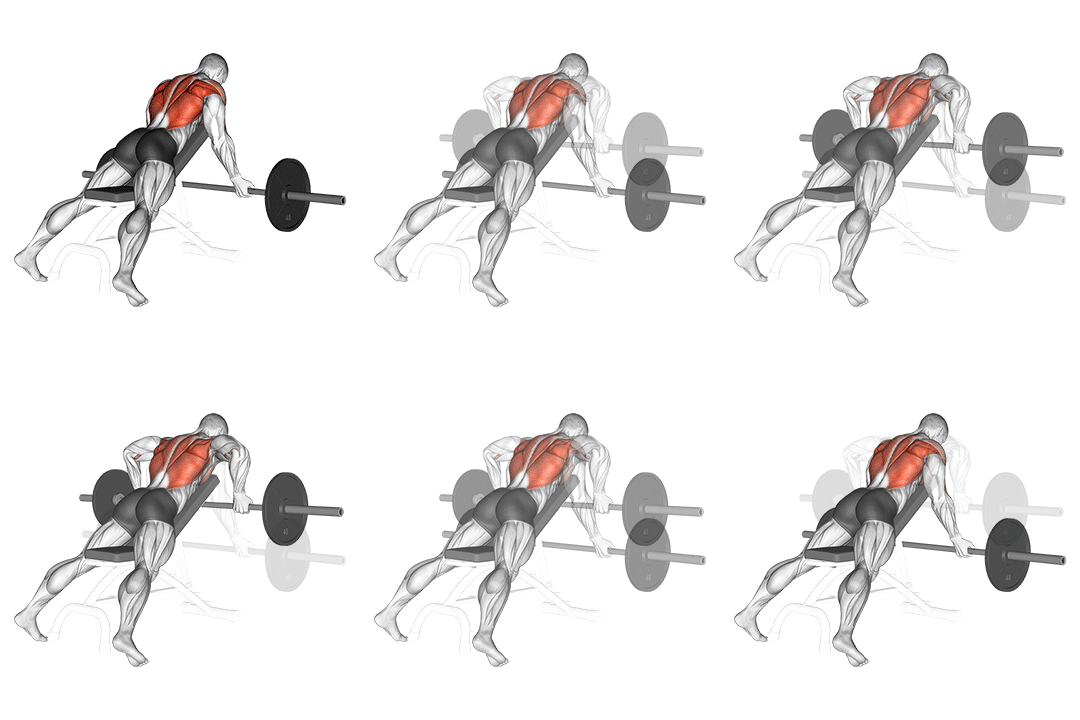
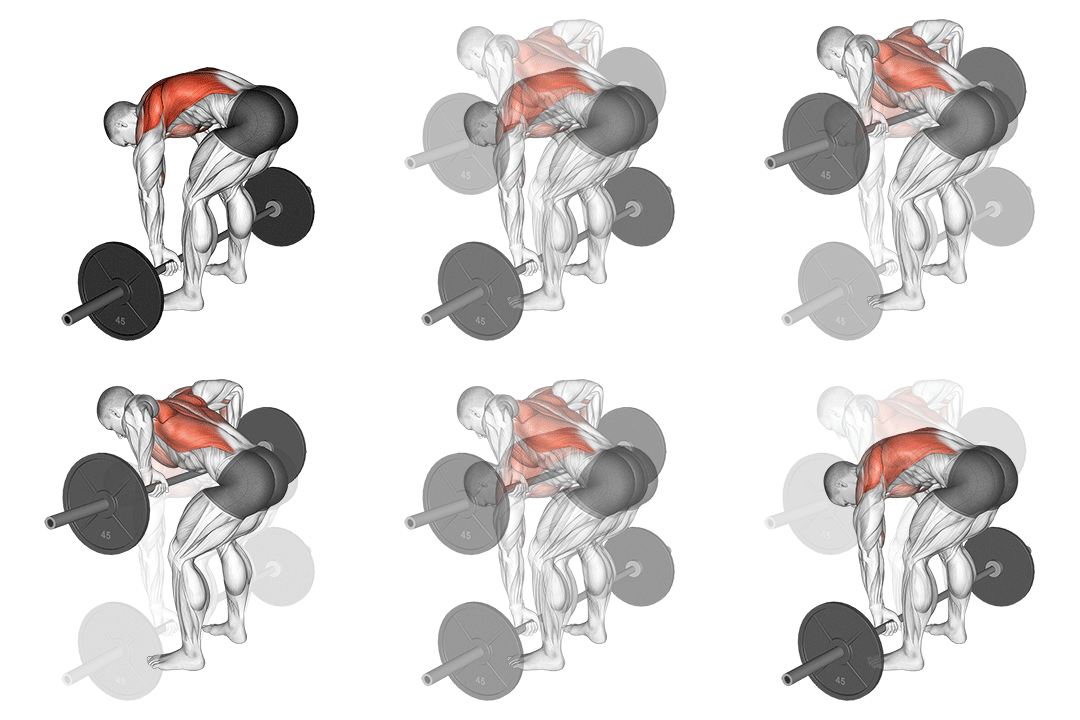
Barbell Reverse Grip Incline Bench Row
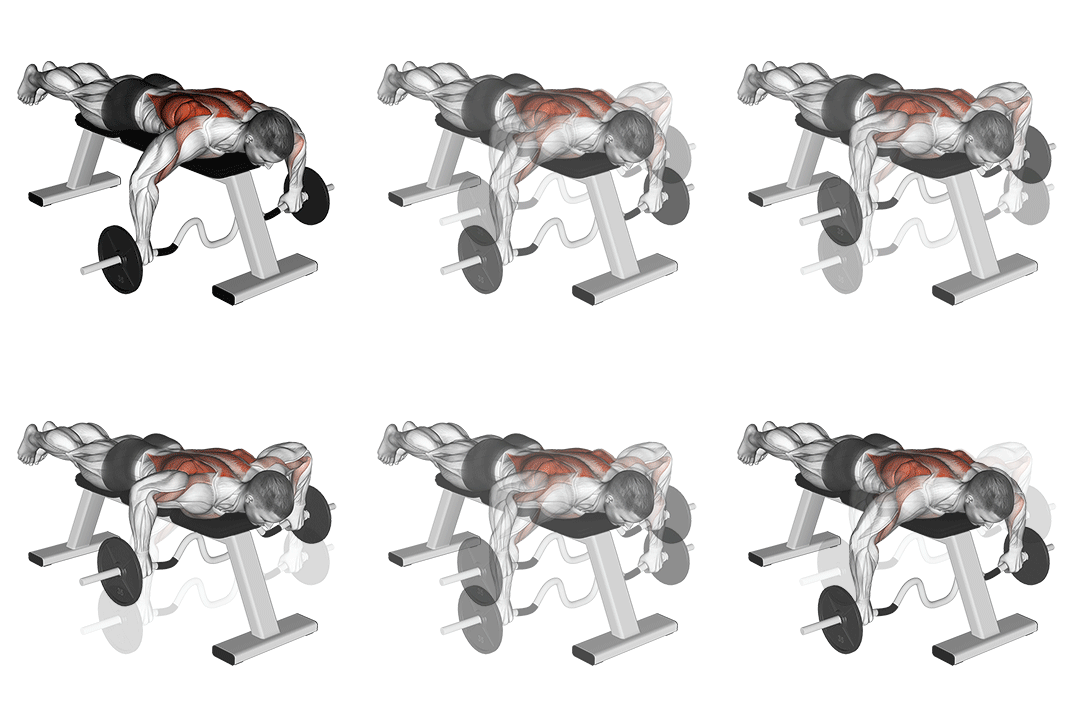
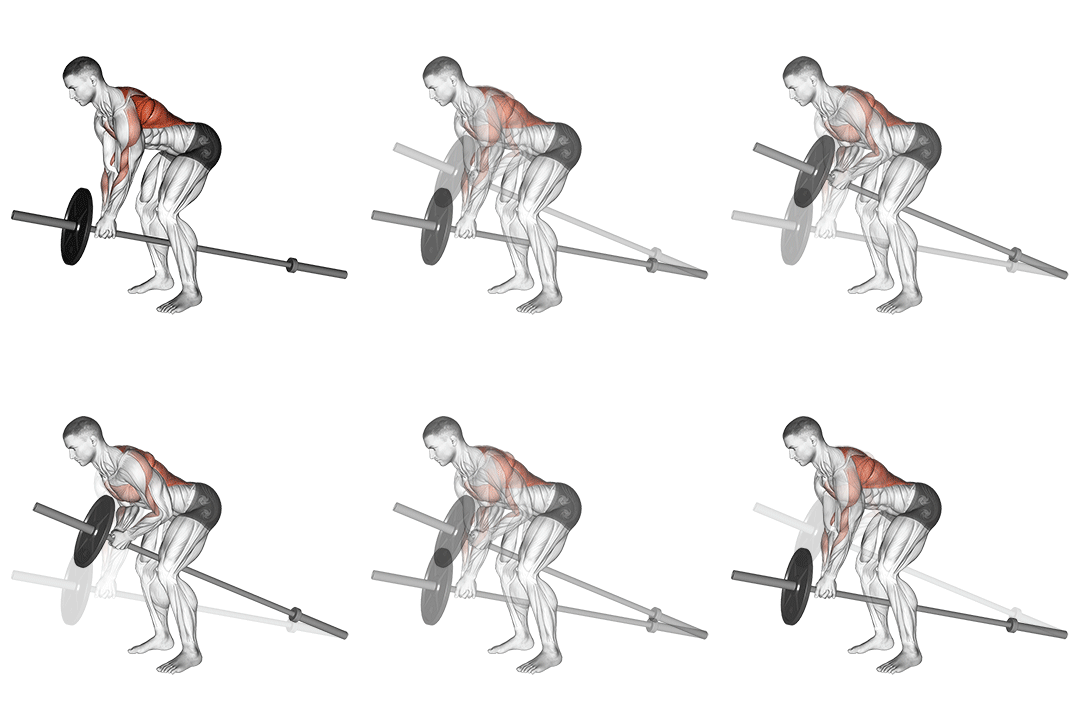
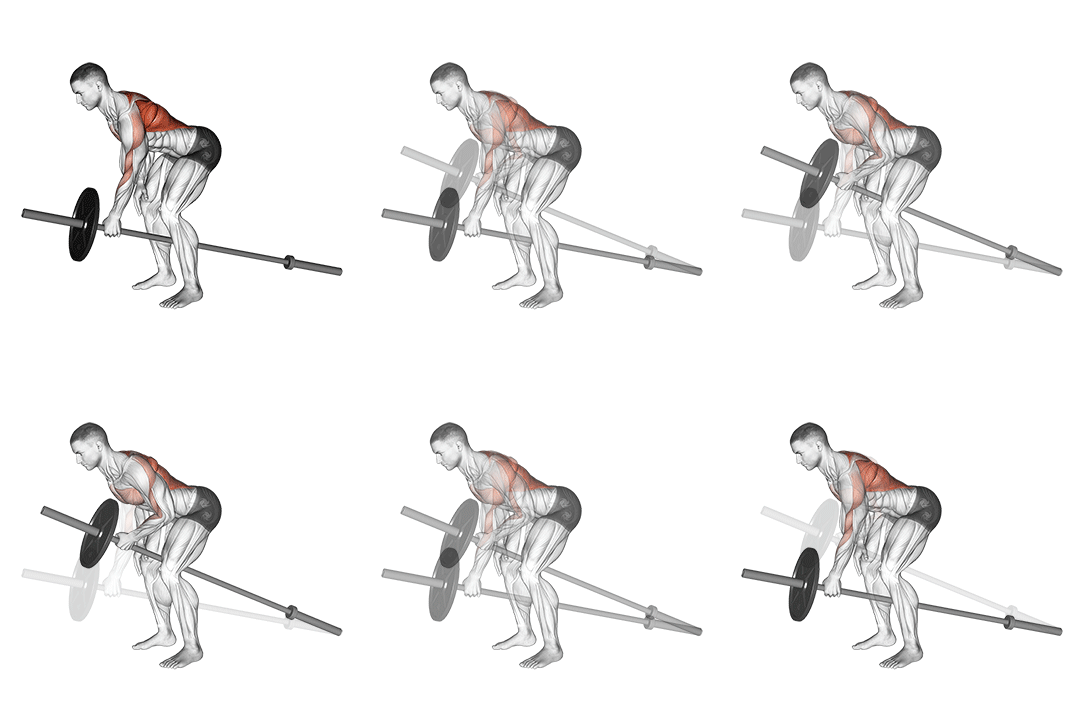
Cambered Bar Lying Row
Head-to-Head Comparison
| Attribute | Barbell Reverse Grip Incline Bench Row | Cambered Bar Lying Row |
|---|---|---|
| Target Muscle |
Upper-back
|
Upper-back
|
| Body Part |
Back
|
Back
|
| Equipment |
Barbell
|
Barbell
|
| Difficulty |
Intermediate
|
Intermediate
|
| Movement Type |
Compound
|
Compound
|
| Secondary Muscles |
2
|
2
|
Secondary Muscles Activated
Barbell Reverse Grip Incline Bench Row
Cambered Bar Lying Row
Visual Comparison
Overview
Barbell Reverse Grip Incline Bench Row vs Cambered Bar Lying Row — two barbell rows that both target the upper-back but load the muscles differently. If you want clear guidance, this comparison walks you through muscle activation, joint mechanics, equipment needs, and programming cues. You’ll get specific technique tips, recommended angles and rep ranges, plus when to pick one over the other for hypertrophy, strength, or limited equipment setups. Read on and you’ll know precisely which row fits your training block and how to execute each with safer, more effective mechanics.
Key Differences
- Both exercises target the Upper-back using Barbell. The main differences are in their movement patterns and muscle activation angles.
Pros & Cons
Barbell Reverse Grip Incline Bench Row
+ Pros
- Bench stabilizes torso, reducing lower-back stress
- Supinated grip increases biceps contribution for stronger pulls
- Easy to load progressively with standard barbells and plates
- Ideal for short, controlled ROM and strict scapular retraction
− Cons
- Supination increases wrist and biceps tendon stress
- Bench angle may limit maximal ROM compared with lying row
- Requires an incline bench and clear bar path
Cambered Bar Lying Row
+ Pros
- Greater initial shoulder extension increases posterior deltoid stretch
- Longer ROM can enhance mechanical tension for hypertrophy
- Chest-supported prone position reduces momentum cheat
- Cambered bar path places more emphasis on upper-trap and rear-delt
− Cons
- Requires a cambered/specialty bar that isn’t always available
- Longer shoulder extension can irritate the anterior shoulder if mobility is limited
- Harder to add very small weight increments for fine progression
When Each Exercise Wins
The cambered bar lying row provides a longer ROM and greater initial shoulder extension, increasing mechanical tension across the posterior deltoid and upper trap. That extra stretch and time under tension makes it slightly better for upper-back thickness when you target 8–12 reps with controlled eccentrics.
The incline reverse-grip row is easier to load heavy and progress in small increments, making it better for cumulative overload and 3–6 rep strength blocks. The stable torso position lets you focus on absolute force production with less lower-back fatigue.
Beginners benefit from the bench support and simpler bar path; the movement requires fewer coordination demands and allows clear cues like pull to ribs and retract scapula. It’s easier to learn safe technique before advancing to longer-ROM variations.
Most home setups have a barbell and adjustable bench but rarely a cambered bar. The incline row needs only standard equipment and offers versatile programming for both hypertrophy and strength at home.
Frequently Asked Questions
Can I do both Barbell Reverse Grip Incline Bench Row and Cambered Bar Lying Row in the same workout?
Yes. Pair them intelligently by intensity: do the heavy compound incline reverse-grip rows first for 3–6 reps, then use cambered lying rows as a volume or hypertrophy exercise at 8–12 reps. Monitor fatigue so posterior shoulder mechanics don’t break down on the second exercise.
Which exercise is better for beginners?
Barbell Reverse Grip Incline Bench Row is better for beginners because the bench stabilizes the torso and the movement is easier to cue. Start there to build scapular control and elbow mechanics before progressing to longer-range cambered variations.
How do the muscle activation patterns differ?
The incline reverse-grip row creates earlier biceps activation due to supination and a shorter elbow lever, while the cambered lying row increases initial shoulder extension and stretches the posterior deltoid and upper trap more. That shifts relative load from elbow flexors toward posterior shoulder and scapular retractors in the cambered row.
Can Cambered Bar Lying Row replace Barbell Reverse Grip Incline Bench Row?
It can replace it for hypertrophy-focused blocks if you have the equipment and shoulder mobility, because it emphasizes ROM and stretch. For heavy strength work or when you lack a cambered bar, keep the incline reverse-grip row in your program instead.
Expert Verdict
Use the Barbell Reverse Grip Incline Bench Row when you want a stable, progressive lift that minimizes lower-back involvement and emphasizes biceps-assisted pulling—great for strength blocks and when equipment is limited. Choose the Cambered Bar Lying Row when your goal is upper-back thickness and you have the mobility and access to specialty bars; the increased ROM and shoulder extension place more mechanical tension on the posterior deltoid and traps. Program both across phases: prioritize incline rows for heavy strength cycles (3–6 reps) and cambered rows for hypertrophy blocks (8–12 reps, 2–4 second eccentrics).
Also Compare
More comparisons with Barbell Reverse Grip Incline Bench Row
More comparisons with Cambered Bar Lying Row
Compare More Exercises
Use our free comparison tool to analyze any two exercises head-to-head.
Compare Exercises