

Barbell Reverse Grip Incline Bench Row vs Lever Bent Over Row: Complete Comparison Guide
Barbell Reverse Grip Incline Bench Row vs Lever Bent Over Row — two solid upper-back builders that look similar on paper but load your muscles differently. You’ll get a clear breakdown of muscle activation, setup and equipment needs, technique cues, rep ranges, and when to choose one over the other based on your goals. I’ll show specific biomechanics (angles, force vectors, length-tension hits), practical progressions, and quick coaching tips so you can pick the variant that gives the most targeted muscle growth and strength for your program.
Exercise Comparison
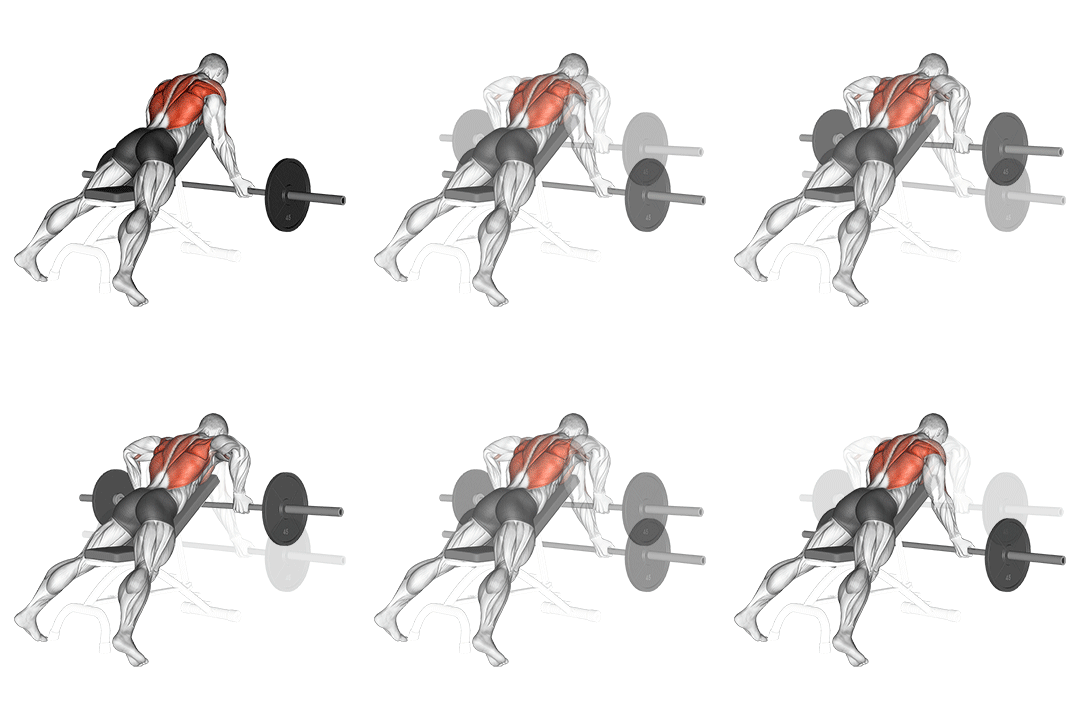
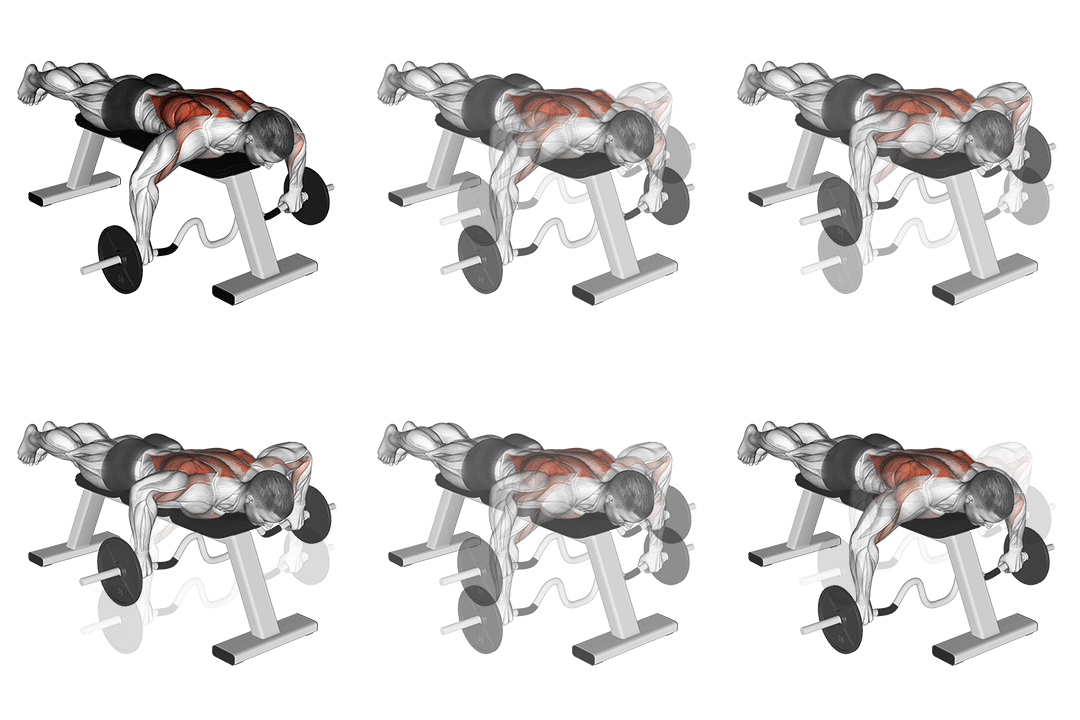
Barbell Reverse Grip Incline Bench Row
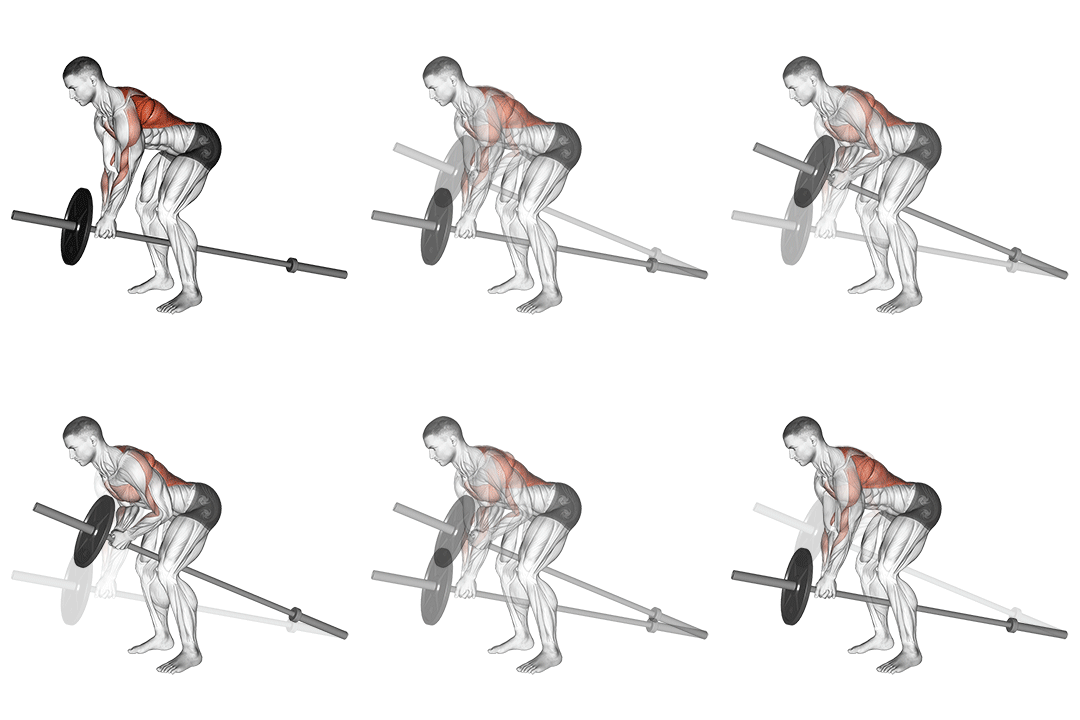
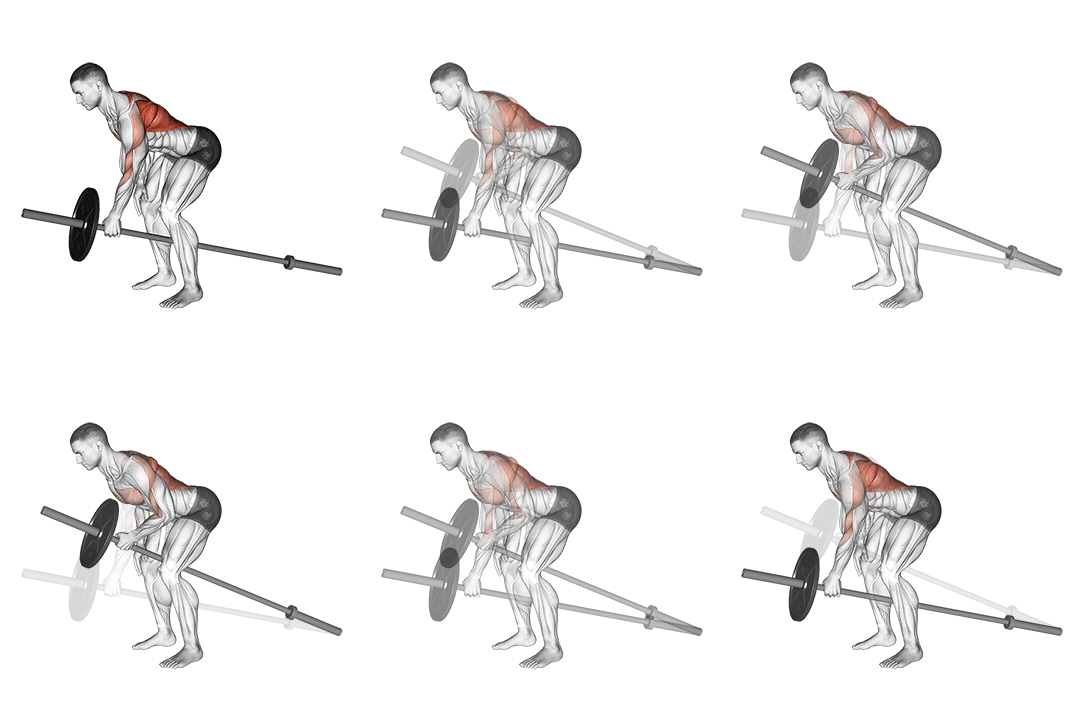
Lever Bent Over Row
Head-to-Head Comparison
| Attribute | Barbell Reverse Grip Incline Bench Row | Lever Bent Over Row |
|---|---|---|
| Target Muscle |
Upper-back
|
Upper-back
|
| Body Part |
Back
|
Back
|
| Equipment |
Barbell
|
Barbell
|
| Difficulty |
Intermediate
|
Intermediate
|
| Movement Type |
Compound
|
Compound
|
| Secondary Muscles |
2
|
2
|
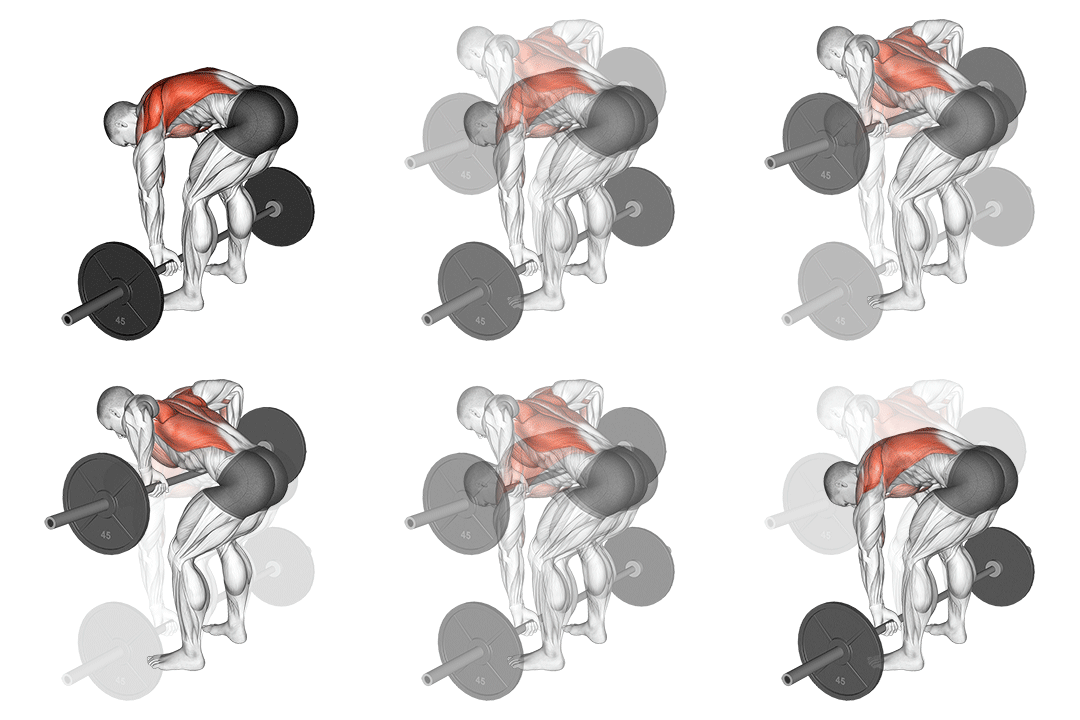
Secondary Muscles Activated
Barbell Reverse Grip Incline Bench Row
Lever Bent Over Row
Visual Comparison
Overview
Barbell Reverse Grip Incline Bench Row vs Lever Bent Over Row — two solid upper-back builders that look similar on paper but load your muscles differently. You’ll get a clear breakdown of muscle activation, setup and equipment needs, technique cues, rep ranges, and when to choose one over the other based on your goals. I’ll show specific biomechanics (angles, force vectors, length-tension hits), practical progressions, and quick coaching tips so you can pick the variant that gives the most targeted muscle growth and strength for your program.
Key Differences
- Both exercises target the Upper-back using Barbell. The main differences are in their movement patterns and muscle activation angles.
Pros & Cons
Barbell Reverse Grip Incline Bench Row
+ Pros
- Better isolation of mid-traps and rhomboids due to supported torso
- Lower lumbar stress because the bench stabilizes the spine
- Underhand grip increases biceps involvement for stronger lockout
- Cleaner mind-muscle connection for upper-back contraction
− Cons
- Requires an adjustable incline bench set to 30–45°
- Underhand grip can strain wrists if mobility is limited
- Less carryover to hip-hinge strength movements
Lever Bent Over Row
+ Pros
- Greater total-body tension and higher potential loading
- Strong carryover to deadlift and horizontal pulling strength
- Simple setup—only a barbell and space needed
- Loads lats through a larger stretch, aiding muscle growth
− Cons
- Higher demand on low-back and hamstrings for stabilization
- Technique breakdown increases injury risk under heavy loads
- Harder to isolate upper-back without recruiting lats and erectors
When Each Exercise Wins
Its supported torso and horizontal pull let you maximize peak contraction of the middle traps and rhomboids and use clean sets in the 6–12 rep range. That isolation and consistent length-tension positioning favor targeted upper-back muscle growth.
Bent-over rows allow heavier loading and build full posterior chain stability through the hip hinge, improving transferable pulling strength. Use lower rep ranges (3–6) and progressive overload to increase maximal pulling force.
The bench stabilizes posture and reduces low-back demands, so beginners can learn scapular retraction and groove the upper-back contraction with less risk. Start with lighter loads and 8–12 reps to teach movement quality.
Most home setups have a barbell or adjustable bar and floor space but lack an incline bench, making the bent-over row the more practical choice. It also builds core stability and posterior chain strength without extra equipment.
Frequently Asked Questions
Can I do both Barbell Reverse Grip Incline Bench Row and Lever Bent Over Row in the same workout?
Yes. Start with the heavier, more technical movement (typically the Lever Bent Over Row) for strength sets, then follow with the incline reverse-grip row for higher-rep upper-back isolation. Keep total volume reasonable—aim for 8–16 hard sets for upper-back per week split across sessions.
Which exercise is better for beginners?
The Barbell Reverse Grip Incline Bench Row is better for most beginners because the bench stabilizes the torso and lowers lumbar demand, letting you learn scapular retraction and pulling mechanics safely. Use lighter loads and 8–12 reps while focusing on clean contractions.
How do the muscle activation patterns differ?
Activation shifts with force vectors and muscle length: the incline reverse-grip emphasizes peak contraction of mid-traps and rhomboids via a more horizontal vector, while the bent-over row increases lat stretch and posterior chain co-activation due to the hip hinge and steeper pull angle.
Can Lever Bent Over Row replace Barbell Reverse Grip Incline Bench Row?
Yes for general upper-back development and strength, but not perfectly for isolation. If your goal is targeted mid-trap/rhomboid hypertrophy with low lumbar load, keep the incline reverse-grip in the program; otherwise, bent-over rows serve as a competent substitute with greater strength carryover.
Expert Verdict
Choose the Barbell Reverse Grip Incline Bench Row when your priority is upper-back isolation, safer lumbar loading, and a strong mind-muscle connection—especially for 6–12 rep hypertrophy blocks. Pick the Lever Bent Over Row when you want heavier loading, posterior chain integration, and strength carryover to deadlifts and athletic pulls; load it for 3–6 reps for strength or 6–10 for mixed hypertrophy. Use incline reverse rows to refine scapular retraction and bent-over rows to build raw pulling capacity. Program both cyclically: 4–6 weeks of each gives balanced upper-back development and resilience.
Also Compare
More comparisons with Barbell Reverse Grip Incline Bench Row
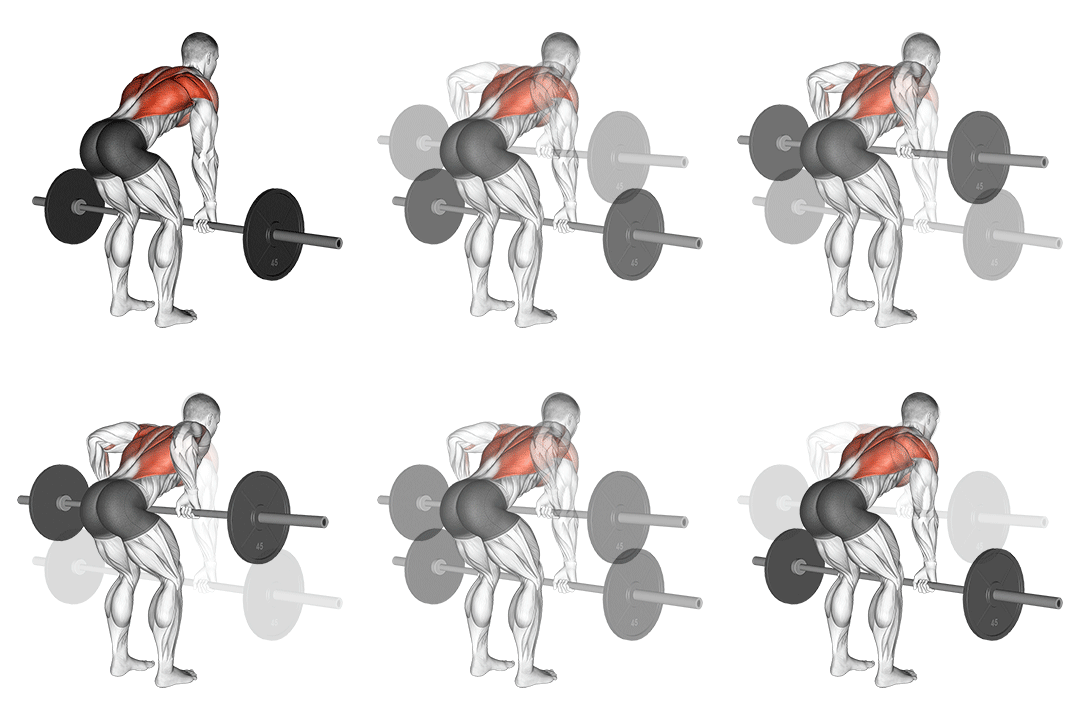
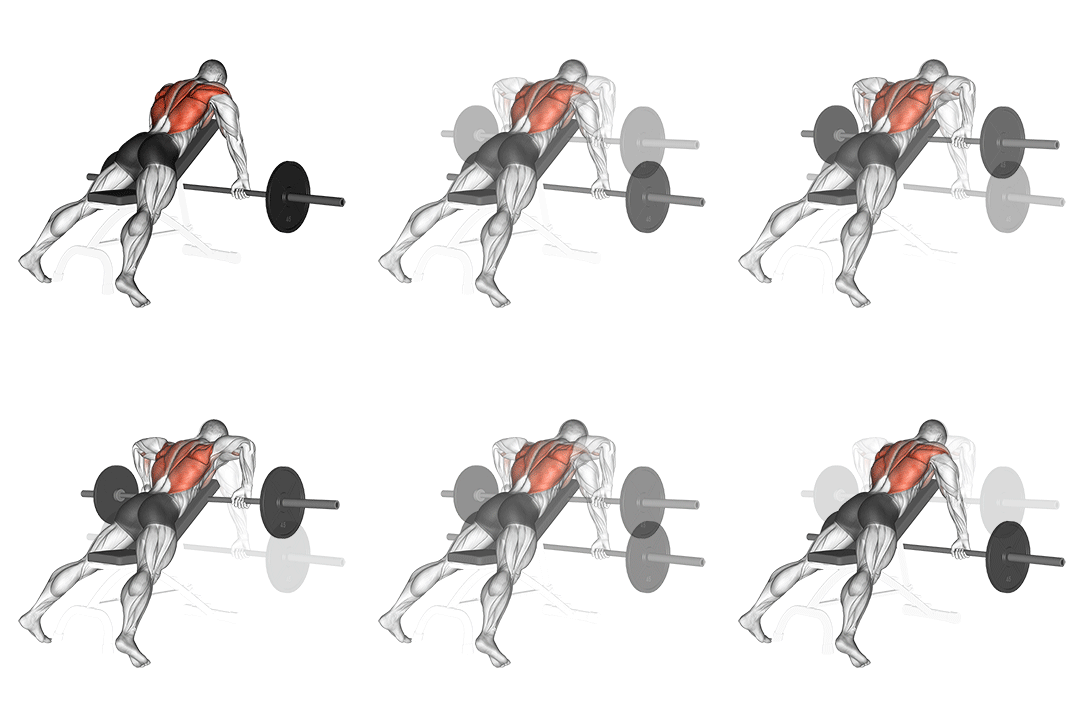
Compare More Exercises
Use our free comparison tool to analyze any two exercises head-to-head.
Compare Exercises