

Barbell Rollerout From Bench vs Barbell Sitted Alternate Leg Raise: Complete Comparison Guide
Barbell Rollerout From Bench vs Barbell Sitted Alternate Leg Raise — you want a stronger, more defined midsection and a clear choice between a compound anti-extension move and a focused isolation drill. I'll walk you through primary muscle activation, secondary recruitment, equipment needs, progressions, injury risk, and rep ranges (8–20 reps typical). Read on to learn which exercise best matches your goals: core strength and transfer to lifts, or targeted abdominal and hip-flexor control.
Exercise Comparison
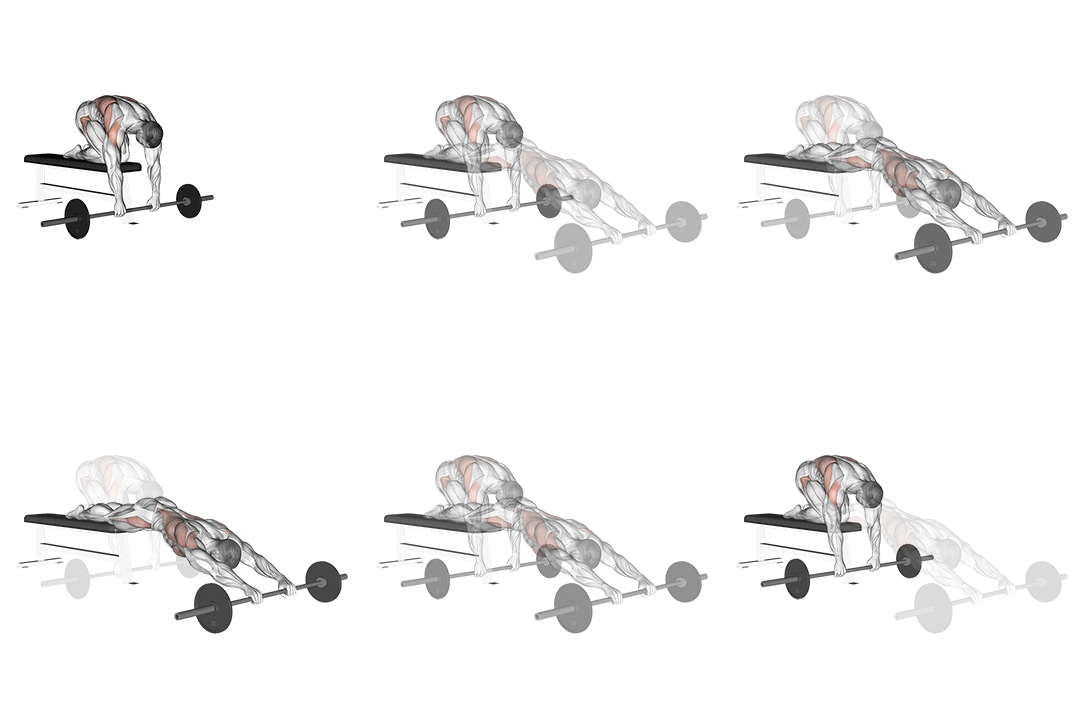
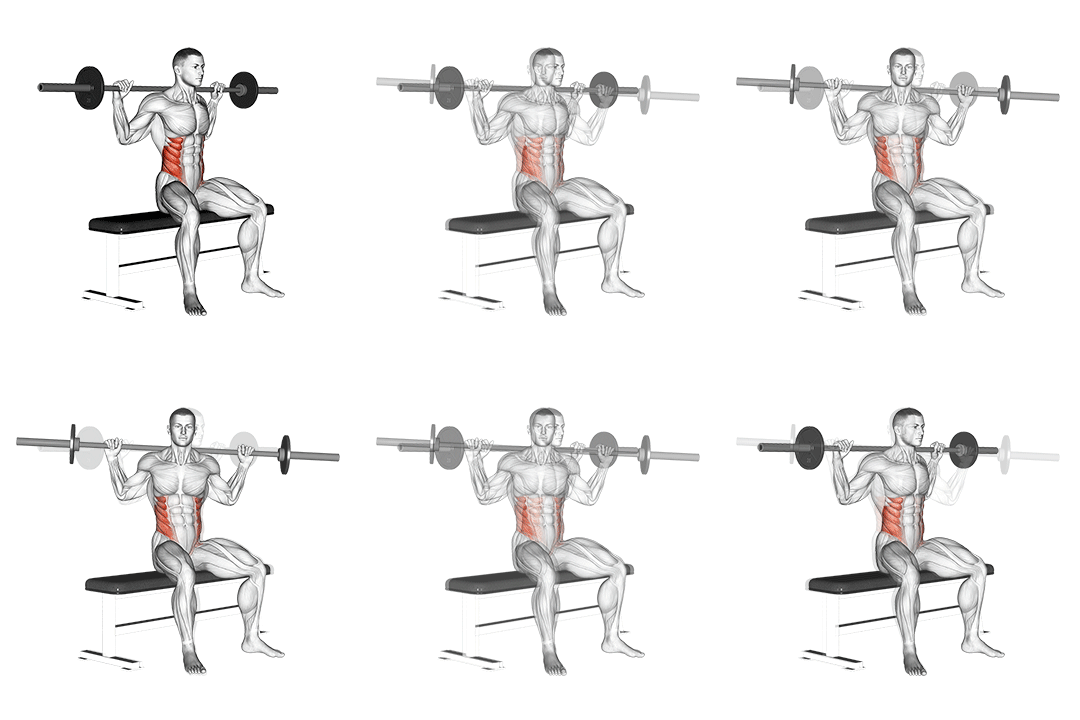
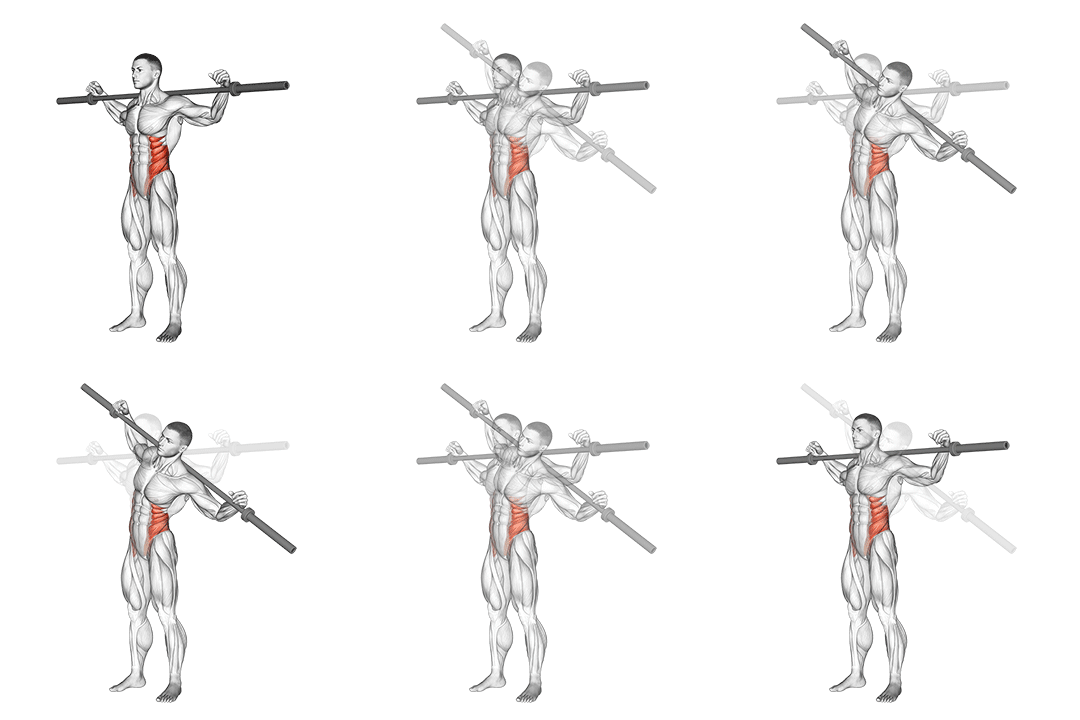
Barbell Rollerout From Bench
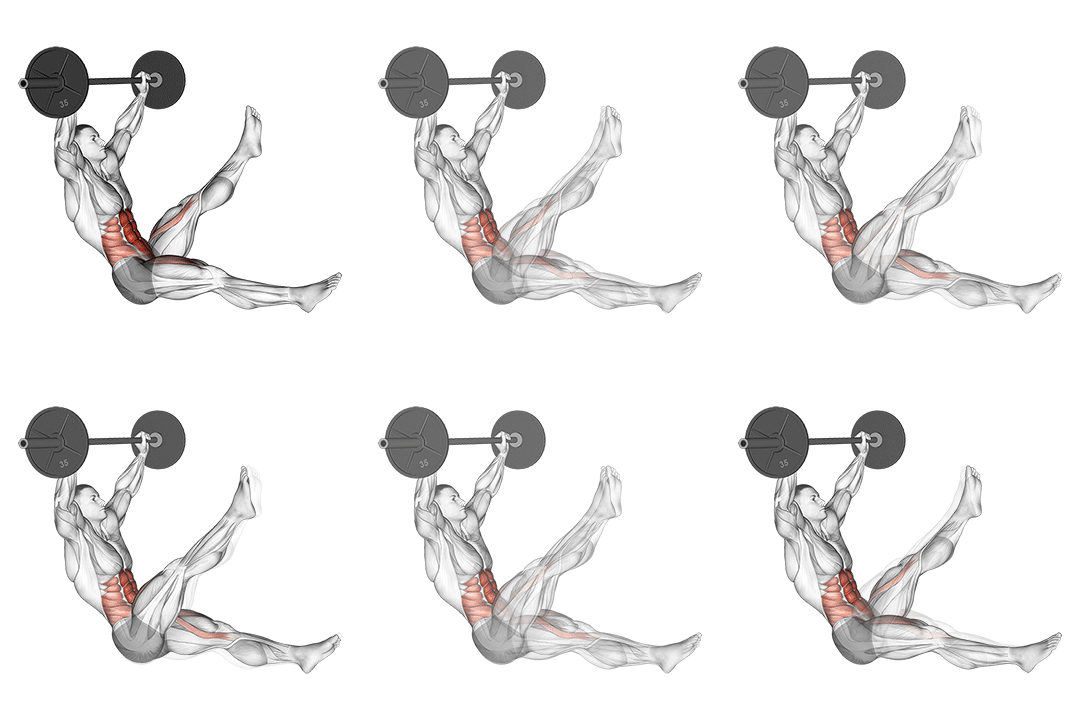
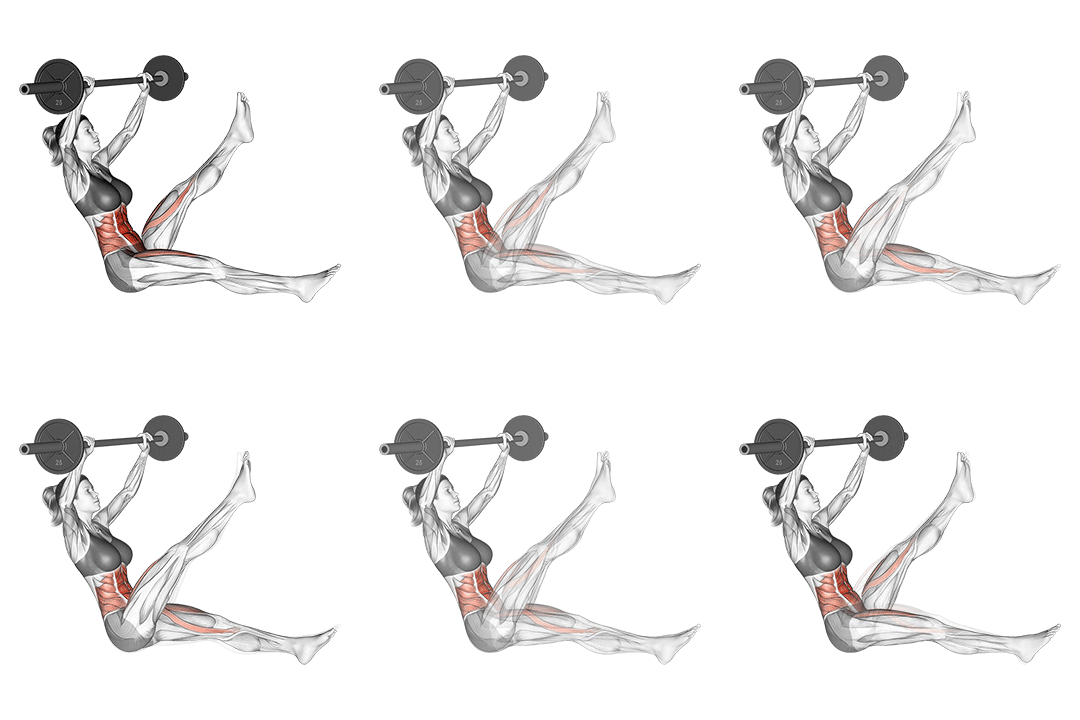
Barbell Sitted Alternate Leg Raise
Head-to-Head Comparison
| Attribute | Barbell Rollerout From Bench | Barbell Sitted Alternate Leg Raise |
|---|---|---|
| Target Muscle |
Abs
|
Abs
|
| Body Part |
Waist
|
Waist
|
| Equipment |
Barbell
|
Barbell
|
| Difficulty |
Intermediate
|
Intermediate
|
| Movement Type |
Compound
|
Isolation
|
| Secondary Muscles |
2
|
1
|
Secondary Muscles Activated
Barbell Rollerout From Bench
Barbell Sitted Alternate Leg Raise
Visual Comparison
Overview
Barbell Rollerout From Bench vs Barbell Sitted Alternate Leg Raise — you want a stronger, more defined midsection and a clear choice between a compound anti-extension move and a focused isolation drill. I'll walk you through primary muscle activation, secondary recruitment, equipment needs, progressions, injury risk, and rep ranges (8–20 reps typical). Read on to learn which exercise best matches your goals: core strength and transfer to lifts, or targeted abdominal and hip-flexor control.
Key Differences
- Barbell Rollerout From Bench is a compound movement, while Barbell Sitted Alternate Leg Raise is an isolation exercise.
- Both exercises target the Abs using Barbell. The main differences are in their movement patterns and muscle activation angles.
Pros & Cons
Barbell Rollerout From Bench
+ Pros
- High anti-extension core demand builds carryover to squats and deadlifts
- Loads multiple joints—shoulders and triceps assist and develop stability
- Easy to increase difficulty by extending range or adding mass
- Strong eccentric stimulus increases time under tension for hypertrophy
− Cons
- Higher spinal shear and injury risk if bracing is poor
- Requires more space and stable bench setup
- Demands good shoulder mobility and scapular control
Barbell Sitted Alternate Leg Raise
+ Pros
- Isolates rectus abdominis and hip flexors for targeted development
- Lower technical barrier—easier to coach and cue effectively
- Requires minimal space and simpler setup
- Lower acute spinal shear than long-lever rollouts
− Cons
- Limited load ceiling for progressive overload compared with compound rollouts
- Heavily reliant on hip flexors; may produce compensatory lumbar flexion
- Less carryover to upper-body pressing or anti-extension strength
When Each Exercise Wins
Rollouts provide greater time under tension and multi-joint overload; the long lever increases abdominal torque and allows progressive loading via range and weight, promoting larger hypertrophy stimulus in the rectus and obliques.
Rollouts train anti-extension capacity under heavy torque, directly improving core stiffness that transfers to heavy squats and deadlifts; they challenge integrated torso stability rather than isolated limb movement.
Sitted leg raises isolate the movement, simplify breathing and bracing, and teach pelvic control without large extension moments, making them safer and easier to master for new trainees.
Sitted raises need less setup, smaller movement space, and can be done bodyweight-first; rollerouts require safe rolling space and better equipment, making them less practical at home.
Frequently Asked Questions
Can I do both Barbell Rollerout From Bench and Barbell Sitted Alternate Leg Raise in the same workout?
Yes. Use the rollerout earlier to target anti-extension capacity (3–6 controlled reps or 6–12 tempo reps), then add 2–3 sets of Sitted Alternate Leg Raises at 10–20 reps to finish with focused abdominal and hip-flexor work. That sequencing manages fatigue while covering multiple movement patterns.
Which exercise is better for beginners?
Barbell Sitted Alternate Leg Raise is better for beginners because it isolates hip flexion and abdominal control with lower extension moments, making it easier to teach pelvic bracing and avoid lumbar overload.
How do the muscle activation patterns differ?
Rollouts create sustained isometric and eccentric activation of the rectus and obliques as the torso resists extension under a long lever, while Sitted Alternate Leg Raises produce alternating concentric hip-flexor contractions with phasic rectus abdominis stabilization—different force vectors and length-tension demands.
Can Barbell Sitted Alternate Leg Raise replace Barbell Rollerout From Bench?
It can replace rollouts when your goal is isolation, lower risk, or limited space, but it won’t fully substitute for the anti-extension strength and multi-joint loading the rollerout provides. For transfer to heavy lifts, include at least some anti-extension work in your program.
Expert Verdict
Use the Barbell Rollerout From Bench when your goal is to build anti-extension strength, increase abdominal time under tension, and improve carryover to heavy compound lifts. Prioritize it for intermediate trainees with good shoulder mobility and solid bracing; progress by increasing range, slowing eccentrics, or adding plates. Choose the Barbell Sitted Alternate Leg Raise when you need a lower-risk, high-precision option to isolate the abs and hip flexors, teach pelvic control, or work within limited space. For balanced programming, pair brief rollout sets (3–6 reps or controlled 6–12 tempo reps) with Sitted Alternate Leg Raise sets (10–20 reps) to attack both anti-extension and hip-flexor-driven core strength.
Also Compare
More comparisons with Barbell Rollerout From Bench
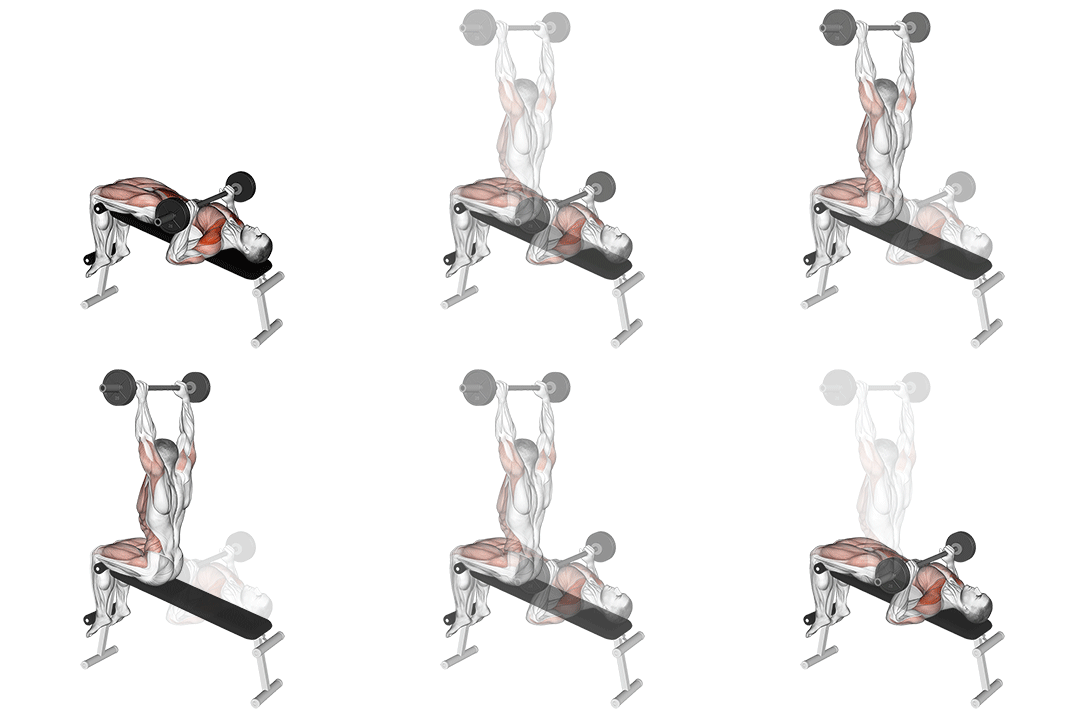
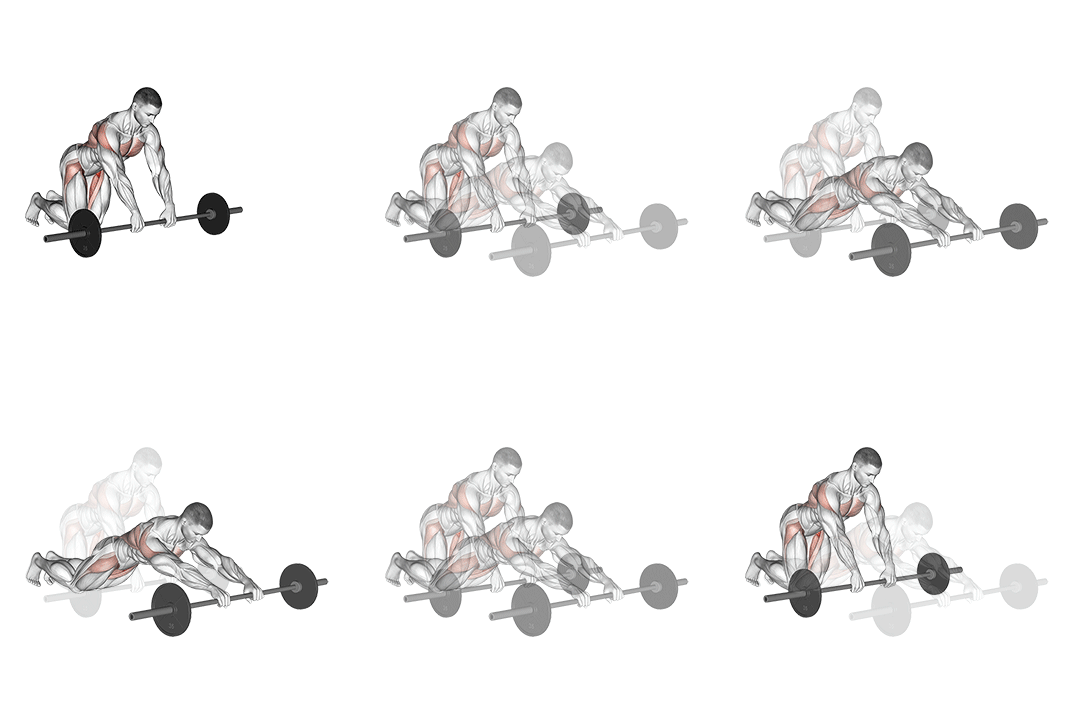
More comparisons with Barbell Sitted Alternate Leg Raise
Compare More Exercises
Use our free comparison tool to analyze any two exercises head-to-head.
Compare Exercises