

Barbell Side Bent V. 2 vs Barbell Sitted Alternate Leg Raise: Complete Comparison Guide
Barbell Side Bent V. 2 vs Barbell Sitted Alternate Leg Raise — you’re choosing between a standing, compound lateral flexion move and a seated, focused abdominal lift. I’ll walk you through which exercise hits the rectus abdominis and obliques harder, how the hip flexors contribute, the equipment and skill required, and clear programming advice (sets, reps, angles). Read on and you’ll know which exercise to pick for hypertrophy, core strength, or beginner-friendly conditioning, plus exact technique cues so you can perform each with solid biomechanics.
Exercise Comparison
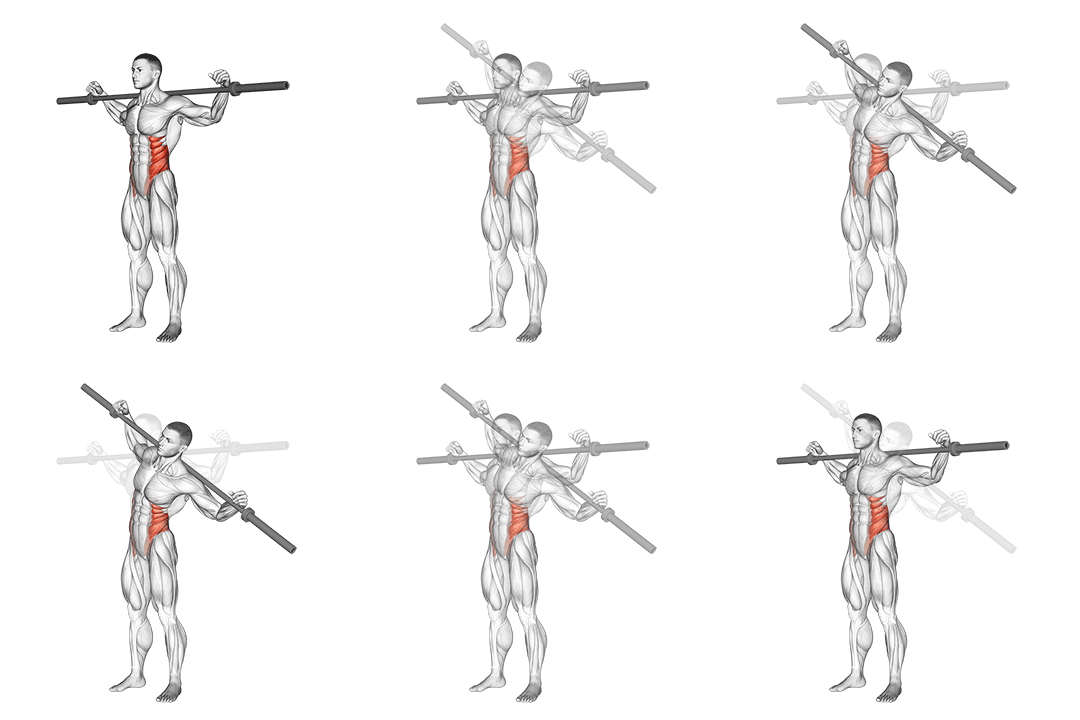
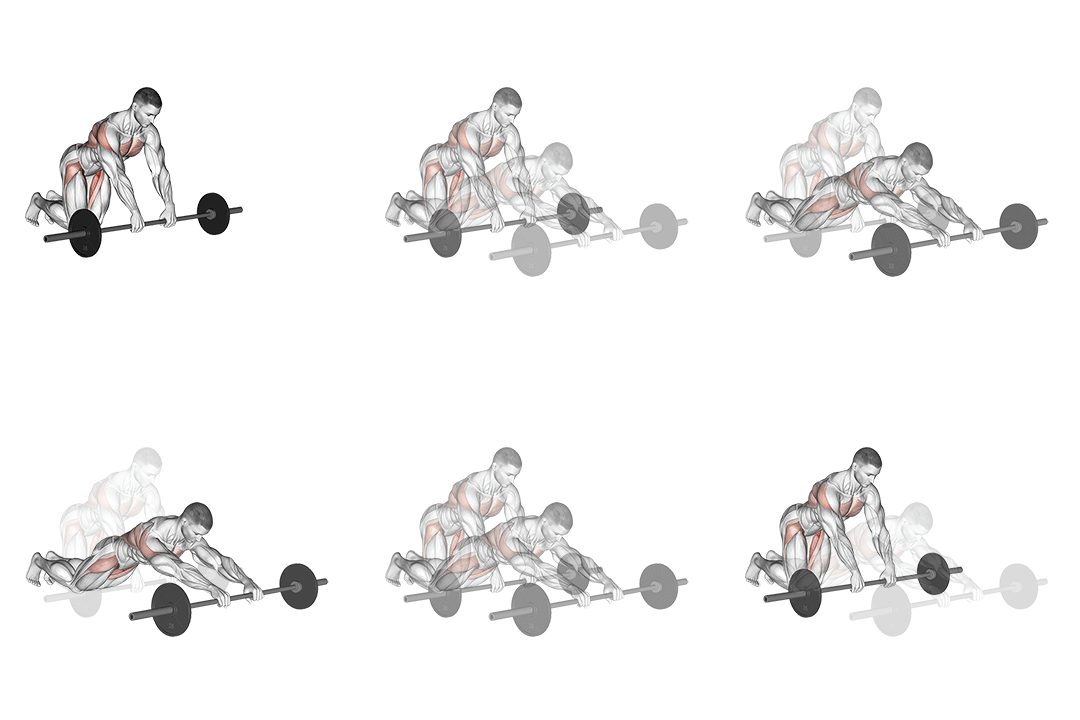
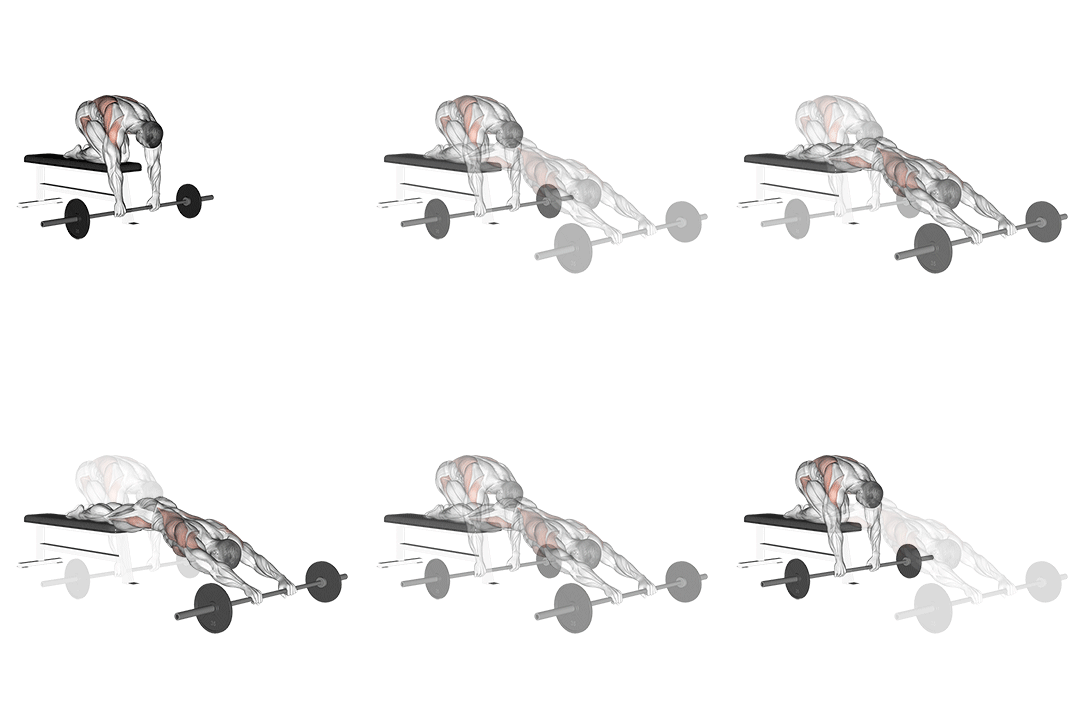
Barbell Side Bent V. 2
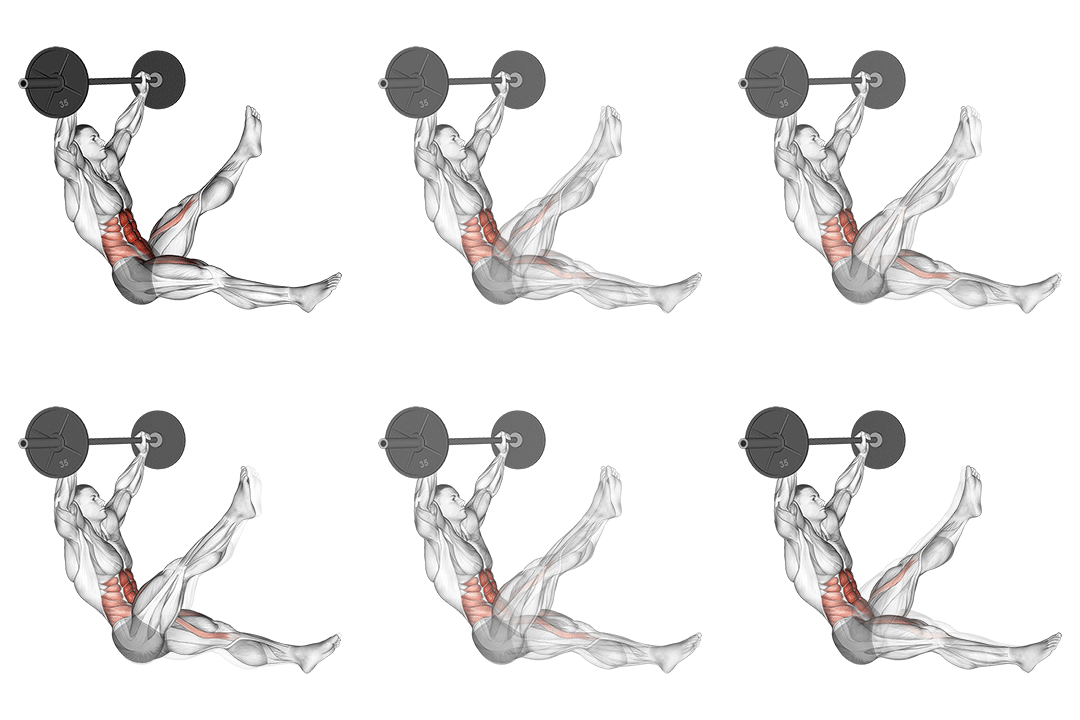
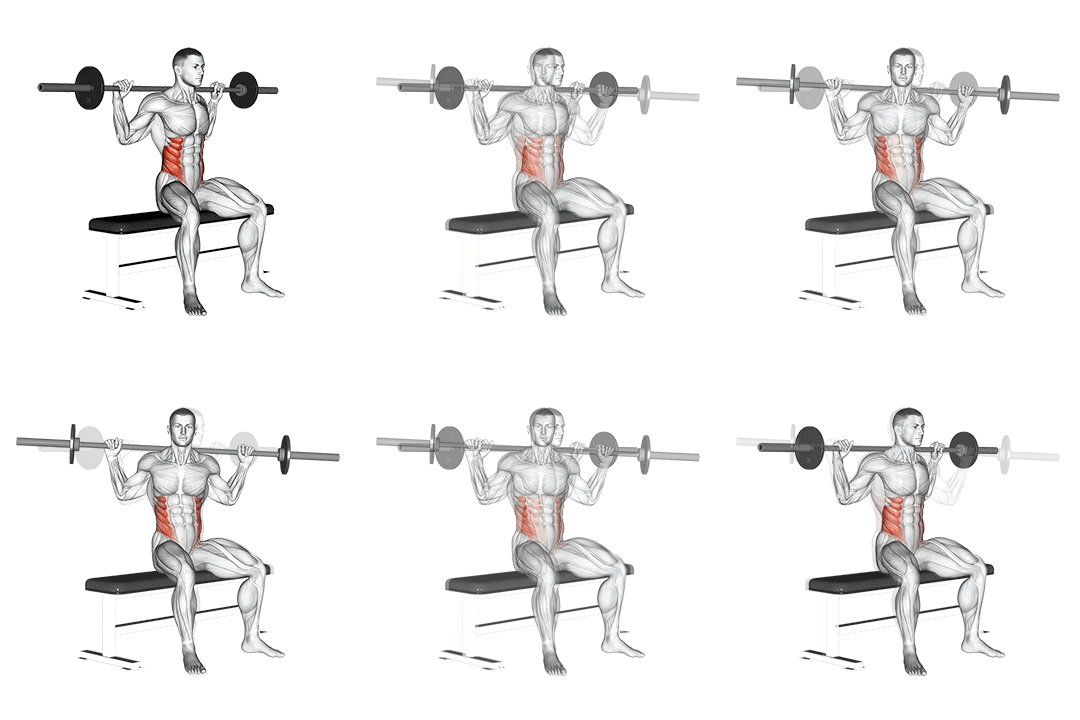
Barbell Sitted Alternate Leg Raise
Head-to-Head Comparison
| Attribute | Barbell Side Bent V. 2 | Barbell Sitted Alternate Leg Raise |
|---|---|---|
| Target Muscle |
Abs
|
Abs
|
| Body Part |
Waist
|
Waist
|
| Equipment |
Barbell
|
Barbell
|
| Difficulty |
Beginner
|
Intermediate
|
| Movement Type |
Compound
|
Isolation
|
| Secondary Muscles |
2
|
1
|
Secondary Muscles Activated
Barbell Side Bent V. 2
Barbell Sitted Alternate Leg Raise
Visual Comparison
Overview
Barbell Side Bent V. 2 vs Barbell Sitted Alternate Leg Raise — you’re choosing between a standing, compound lateral flexion move and a seated, focused abdominal lift. I’ll walk you through which exercise hits the rectus abdominis and obliques harder, how the hip flexors contribute, the equipment and skill required, and clear programming advice (sets, reps, angles). Read on and you’ll know which exercise to pick for hypertrophy, core strength, or beginner-friendly conditioning, plus exact technique cues so you can perform each with solid biomechanics.
Key Differences
- Barbell Side Bent V. 2 is a compound movement, while Barbell Sitted Alternate Leg Raise is an isolation exercise.
- Difficulty levels differ: Barbell Side Bent V. 2 is beginner, while Barbell Sitted Alternate Leg Raise is intermediate.
- Both exercises target the Abs using Barbell. The main differences are in their movement patterns and muscle activation angles.
Pros & Cons
Barbell Side Bent V. 2
+ Pros
- Strong oblique and lateral flexion stimulus for waist shaping
- Easily loaded with heavier barbells for progressive overload
- Simple visual range of motion (15–40°) makes technique easier to teach
- Requires minimal equipment and translates to anti-lateral-flexion strength
− Cons
- Can overload lumbar spine if range or load is excessive
- Less isolation of rectus abdominis compared to seated raises
- Risk of form breakdown (hip hiking, rotation) under fatigue
Barbell Sitted Alternate Leg Raise
+ Pros
- Direct rectus abdominis emphasis through hip flexion and pelvic tilt
- High time under tension option via slow negatives and holds
- Good for developing abdominal endurance and visible core definition
- Easier to control lumbar neutral position if performed correctly
− Cons
- Heavier reliance on hip flexors can limit pure abdominal overload
- Requires better coordination and bench setup
- Harder to add heavy external load safely compared to standing side bends
When Each Exercise Wins
The seated leg raise places the rectus abdominis under sustained shortening and offers better time-under-tension options (3–5 second eccentrics, 8–15 reps). This isolation-style loading favors localized muscle growth when you control tempo and minimize hip flexor dominance.
Side bends allow heavier external loading and longer moment arms for oblique torque, making them superior for building loaded lateral flexion strength. Use 3–5 sets of 6–12 reps with progressive weight increases.
The standing side bend has a clearer motor pattern and visual cueing—lateral tilt—and is easier to scale with light loads. A beginner can safely learn the movement and build baseline trunk control before progressing to seated leg raises.
You only need a barbell and space to perform side bends, whereas the seated alternate leg raise needs a bench and more torso control. Side bends fit typical home setups better and still challenge the obliques effectively.
Frequently Asked Questions
Can I do both Barbell Side Bent V. 2 and Barbell Sitted Alternate Leg Raise in the same workout?
Yes—do side bends first as a heavy compound that preloads the obliques (3–5 sets of 6–10), then follow with seated leg raises for isolation work (3 sets of 10–15) to target the rectus while the obliques recover. Keep total core volume under 12 sets to avoid fatigue-driven form breakdown.
Which exercise is better for beginners?
Barbell Side Bent V. 2 is better for most beginners because the lateral flexion pattern is easier to learn and scale. Start with light loads, focus on a 15–30° range, and nail bracing before progressing to seated leg raises.
How do the muscle activation patterns differ?
Side bends create a lateral moment arm that loads ipsilateral obliques and requires contralateral eccentric control from the obliques and lower back. Seated leg raises load the rectus abdominis through hip flexion and posterior pelvic tilt while the hip flexors contribute a large share of the force in the early concentric phase.
Can Barbell Sitted Alternate Leg Raise replace Barbell Side Bent V. 2?
Not completely—if your priority is oblique strength and anti-lateral-flexion capacity, seated leg raises won’t fully replace side bends because they lack a strong lateral moment arm. For rectus-focused hypertrophy you can substitute seated raises, but include at least one lateral-loading movement for balanced waist development.
Expert Verdict
Pick Barbell Side Bent V. 2 when your goal is loaded lateral flexion strength, oblique development, or when you need a simple, scalable core exercise you can do with just a barbell. Use sets of 3–5 with 6–12 reps and keep lateral range between 15–40° to protect the lumbar spine. Choose Barbell Sitted Alternate Leg Raise when you want focused rectus abdominis hypertrophy and endurance—use 3–4 sets of 8–15 reps with controlled 2–4 second eccentrics and minimal leg swing. For balanced core development, prioritize side bends for strength and add seated leg raises for abdominal density, sequencing them in separate blocks rather than the same heavy session.
Also Compare
More comparisons with Barbell Side Bent V. 2
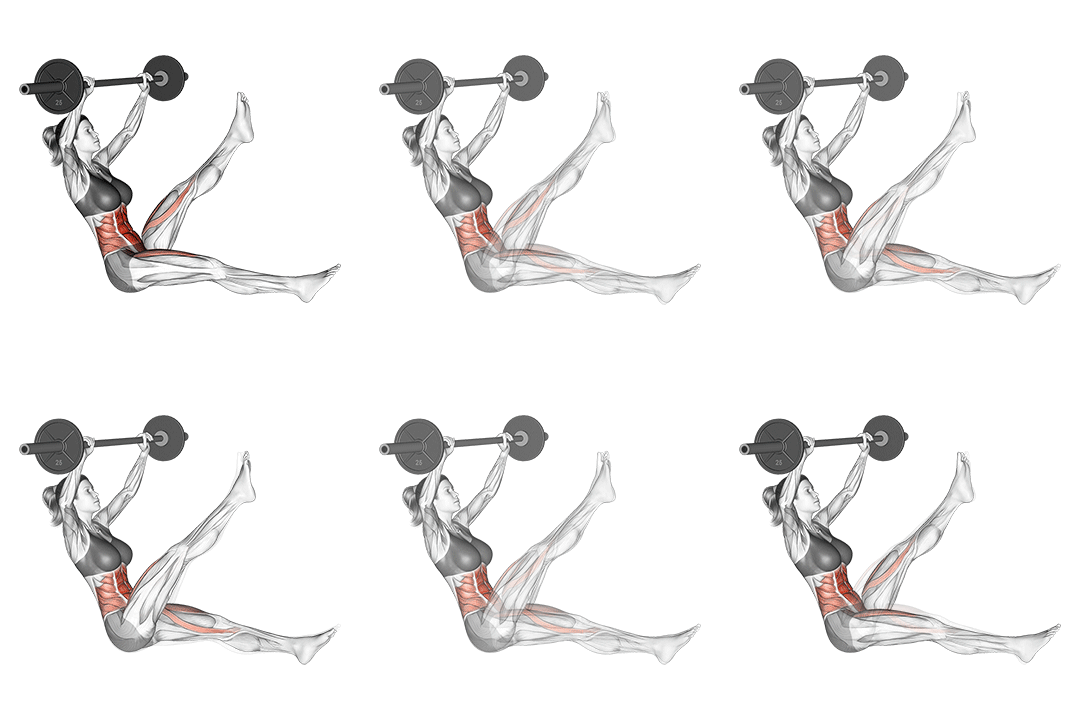
More comparisons with Barbell Sitted Alternate Leg Raise
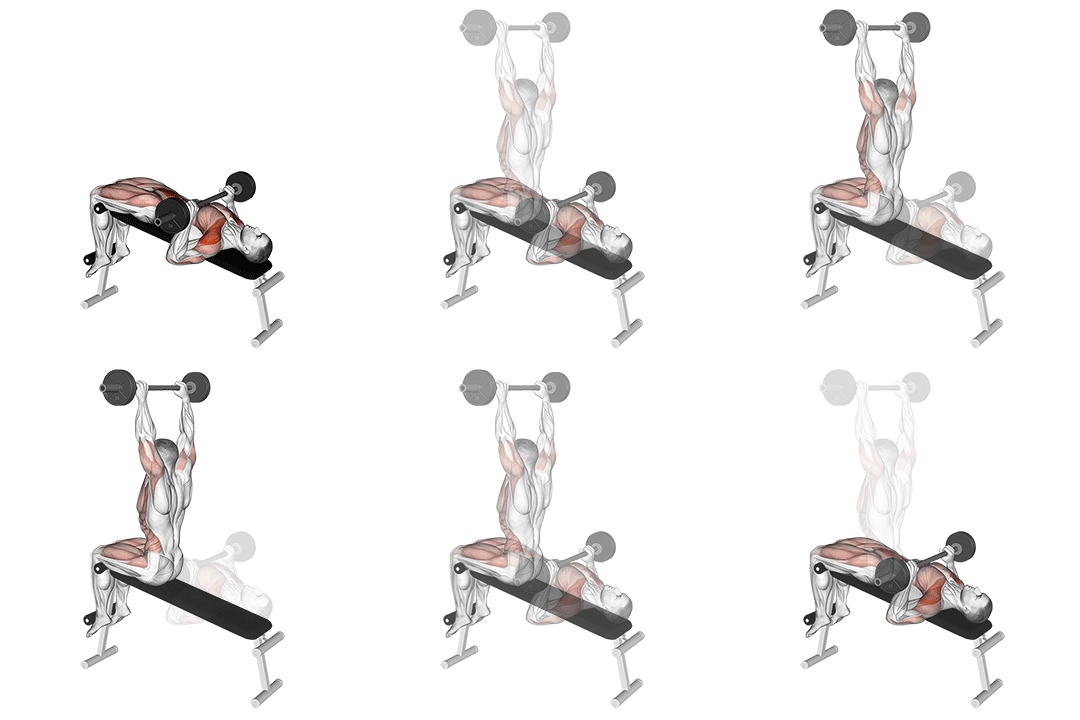
Compare More Exercises
Use our free comparison tool to analyze any two exercises head-to-head.
Compare Exercises