

Behind Head Chest Stretch vs Chain Press: Complete Comparison Guide
Behind Head Chest Stretch vs Chain Press — you'll get a practical breakdown so you can pick the right move for your chest work. I’ll walk you through how each exercise loads the pectorals, which secondary muscles fire, equipment needs, difficulty and injury risk, plus programming tips (hold times and rep ranges). You’ll learn the biomechanics—how length‑tension, force vectors and joint angles change activation—and clear scenarios for when to use the passive, mobility‑oriented stretch versus the heavy, chain‑resisted compound press.
Exercise Comparison
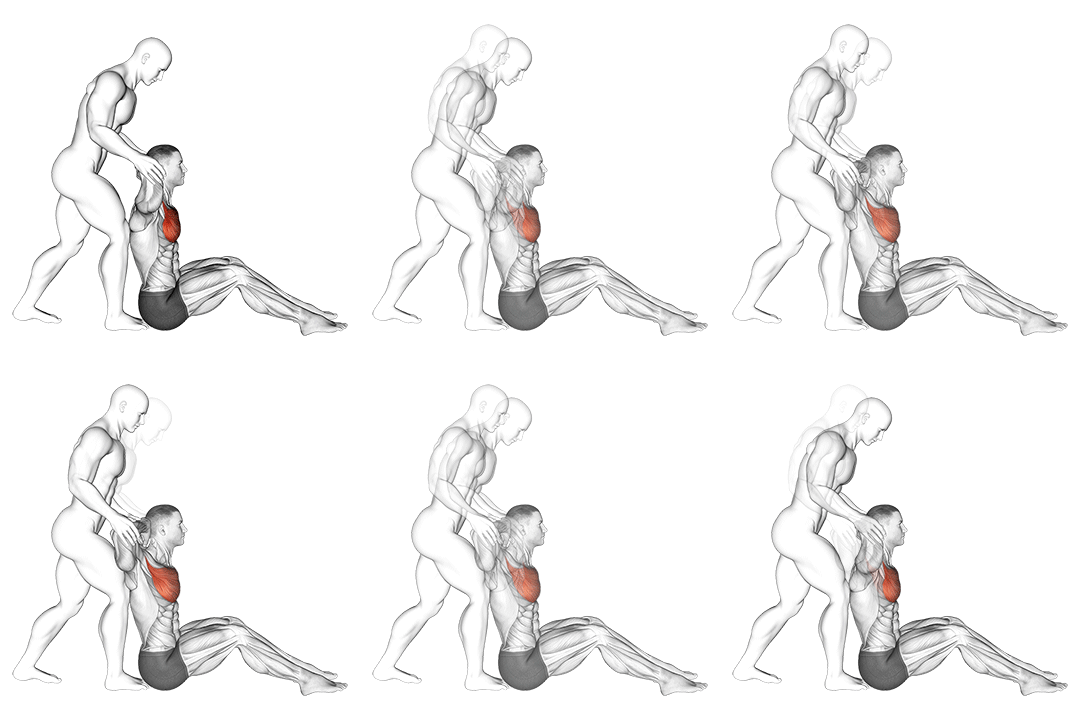
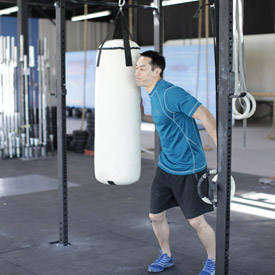
Behind Head Chest Stretch
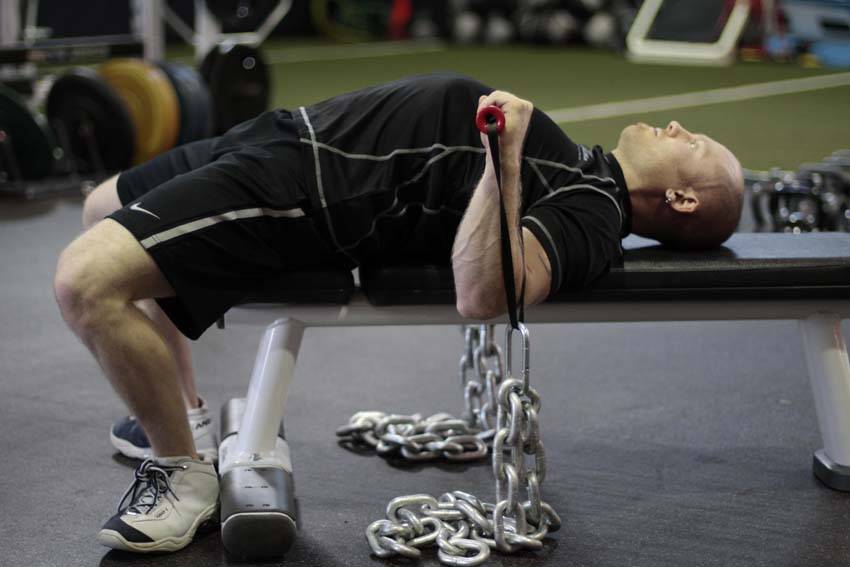
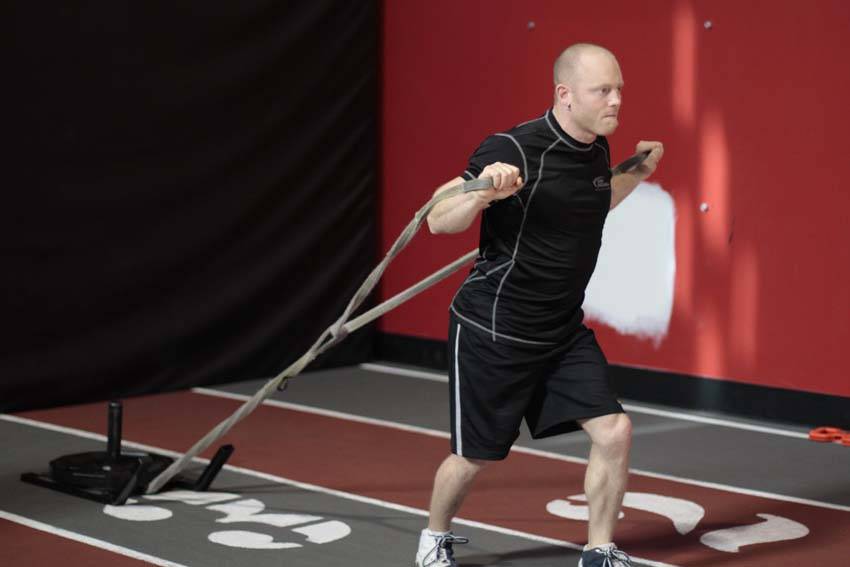
Chain Press
Head-to-Head Comparison
| Attribute | Behind Head Chest Stretch | Chain Press |
|---|---|---|
| Target Muscle |
Pectorals
|
Pectorals
|
| Body Part |
Chest
|
Chest
|
| Equipment |
Other
|
Other
|
| Difficulty |
Beginner
|
Advanced
|
| Movement Type |
Isolation
|
Compound
|
| Secondary Muscles |
2
|
2
|
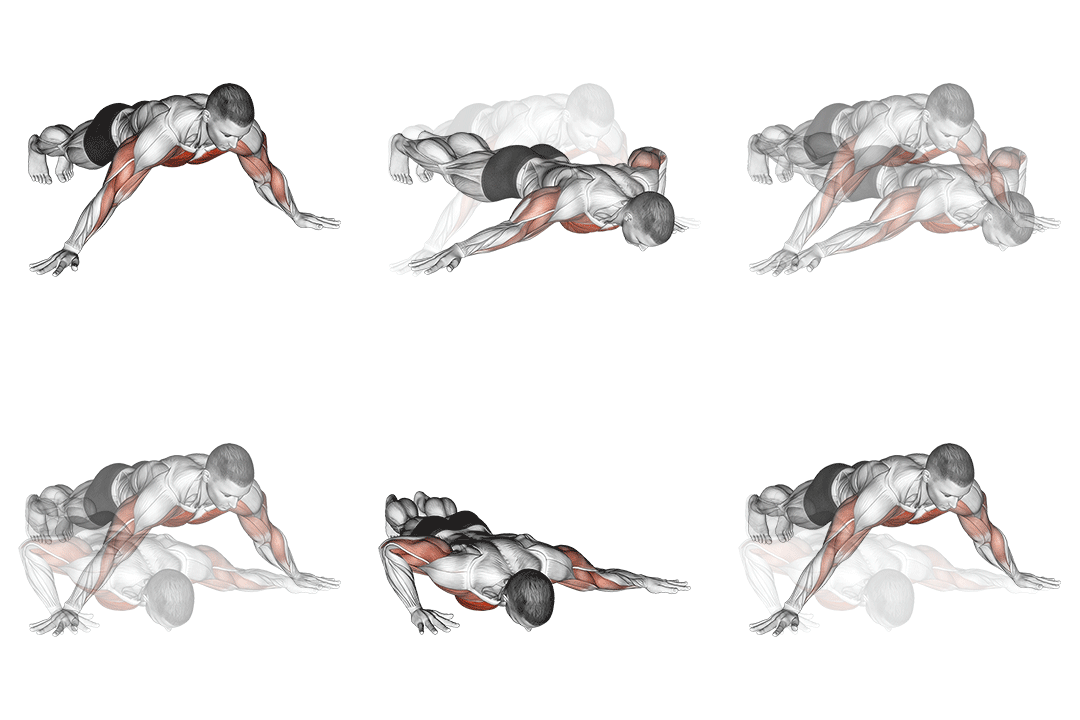
Secondary Muscles Activated
Behind Head Chest Stretch
Chain Press
Visual Comparison
Overview
Behind Head Chest Stretch vs Chain Press — you'll get a practical breakdown so you can pick the right move for your chest work. I’ll walk you through how each exercise loads the pectorals, which secondary muscles fire, equipment needs, difficulty and injury risk, plus programming tips (hold times and rep ranges). You’ll learn the biomechanics—how length‑tension, force vectors and joint angles change activation—and clear scenarios for when to use the passive, mobility‑oriented stretch versus the heavy, chain‑resisted compound press.
Key Differences
- Behind Head Chest Stretch is an isolation exercise, while Chain Press is a compound movement.
- Difficulty levels differ: Behind Head Chest Stretch is beginner, while Chain Press is advanced.
- Both exercises target the Pectorals using Other. The main differences are in their movement patterns and muscle activation angles.
Pros & Cons
Behind Head Chest Stretch
+ Pros
- Requires little to no equipment—easy to do anywhere
- Improves anterior chest mobility and restores length‑tension relationships
- Low fatigue—useful as warm‑up or post‑workout recovery (hold 20–60 seconds)
- Beginner friendly and safe when not forced into end‑range
− Cons
- Minimal concentric loading—limited stimulus for hypertrophy or maximal strength
- Can worsen shoulder instability if performed with poor scapular control
- Benefits plateau without progressive overload options
Chain Press
+ Pros
- Delivers high mechanical tension for hypertrophy and strength
- Accommodating resistance from chains improves lockout strength and power
- Robust triceps and anterior deltoid recruitment for compound development
- Flexible programming: vary chain weight, tempo and rep ranges (3–12 reps)
− Cons
- Requires specialized equipment and setup (chains, rack, barbell)
- Higher technical demand and greater injury risk with poor form
- Less useful for mobility and passive lengthening of the pec
When Each Exercise Wins
The Chain Press produces greater mechanical tension and allows progressive overload with heavy sets in the 6–12 rep range. Chains alter the force curve so you can overload the pectorals through a fuller ROM, increasing stimulus for muscle growth.
Chain Press trains high force outputs and lockout mechanics; use 3–6 rep sets with heavier chains to build maximal press strength and improve rate of force development.
Beginners benefit from the low‑skill, low‑load stretch to restore shoulder ROM and teach scapular retraction before loading presses. It reduces injury risk while building awareness of pectoral length‑tension relationships.
The stretch needs no special gear and can be done with a doorway or wall. It’s ideal for improving chest mobility, prepping for pressing, and adding low‑fatigue volume at home.
Frequently Asked Questions
Can I do both Behind Head Chest Stretch and Chain Press in the same workout?
Yes—use the Behind Head Chest Stretch during your warm‑up or between sets for mobility (20–60 second holds) and perform the Chain Press as your heavy main lift. Sequencing the stretch first improves shoulder ROM, while the Chain Press provides the high‑tension stimulus for strength and hypertrophy.
Which exercise is better for beginners?
For absolute beginners the Behind Head Chest Stretch is better because it builds shoulder awareness and pectoral length without load. Beginners should first master scapular control and basic horizontal presses before attempting Chain Press with variable resistance.
How do the muscle activation patterns differ?
The stretch creates sustained passive/isometric tension with peak lengthened activation of the pectorals, relying on stretch‑mediated tension. The Chain Press produces cyclic eccentric‑concentric activation, higher motor unit recruitment and greater triceps and anterior deltoid contribution, especially near lockout.
Can Chain Press replace Behind Head Chest Stretch?
No—Chain Press cannot fully replace the stretch if your goal is mobility and restoring pectoral length. For strength or hypertrophy, Chain Press can replace the stretch as your primary loaded stimulus, but keep the stretch in your warm‑up or recovery work to maintain ROM.
Expert Verdict
Choose the Behind Head Chest Stretch when your goal is mobility, posture correction, or a safe warm‑up—use 20–60 second holds, controlled scapular retraction, and avoid forcing end‑range beyond pain. Pick the Chain Press when your priority is muscle growth or maximal pressing strength; program it with progressive overload (3–6 reps for strength, 6–12 for hypertrophy), chain load adjusted so resistance rises toward lockout, and strict bar path and scapular control. For most athletes, combine them: use the stretch as a preparatory mobility tool and the Chain Press as a heavy compound in your main work to maximize both function and muscle growth.
Also Compare
More comparisons with Behind Head Chest Stretch
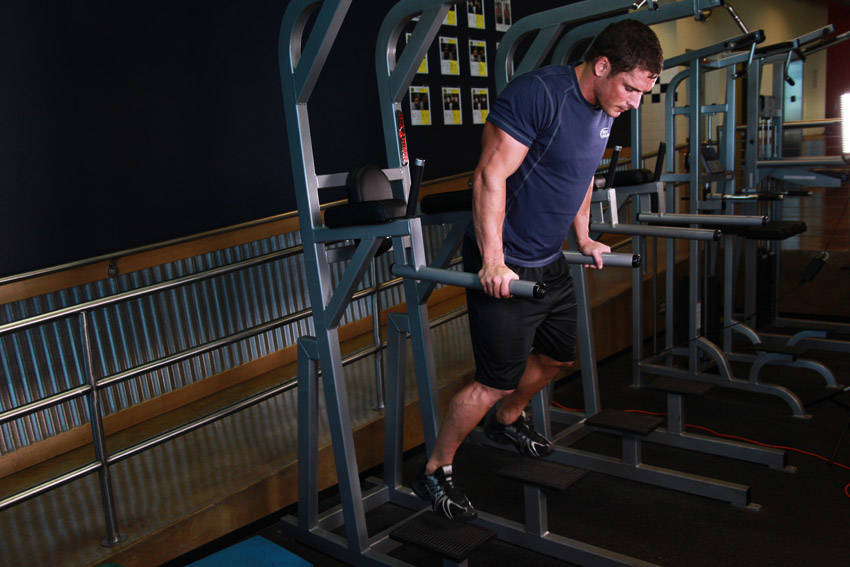
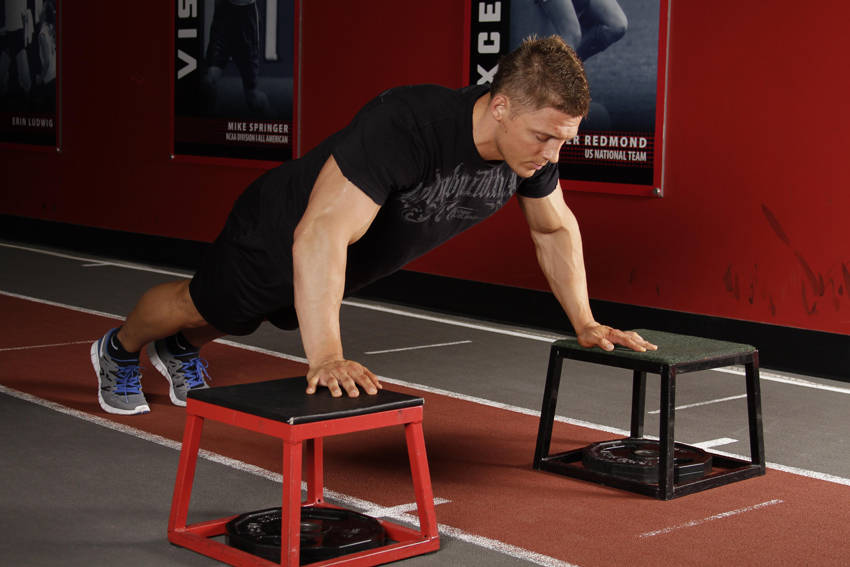
Compare More Exercises
Use our free comparison tool to analyze any two exercises head-to-head.
Compare Exercises