

Behind Head Chest Stretch vs Dips - Chest Version: Complete Comparison Guide
Behind Head Chest Stretch vs Dips - Chest Version — you’re choosing between a low-load chest opener and a high-load compound press. I’ll walk you through muscle activation, movement mechanics, equipment needs, injury risk, and practical programming so you can pick the one that matches your goals. You’ll get technique cues (angles, rep ranges), clear comparisons of primary and secondary recruitment, and scenario-based recommendations for hypertrophy, strength, beginners, and home workouts.
Exercise Comparison
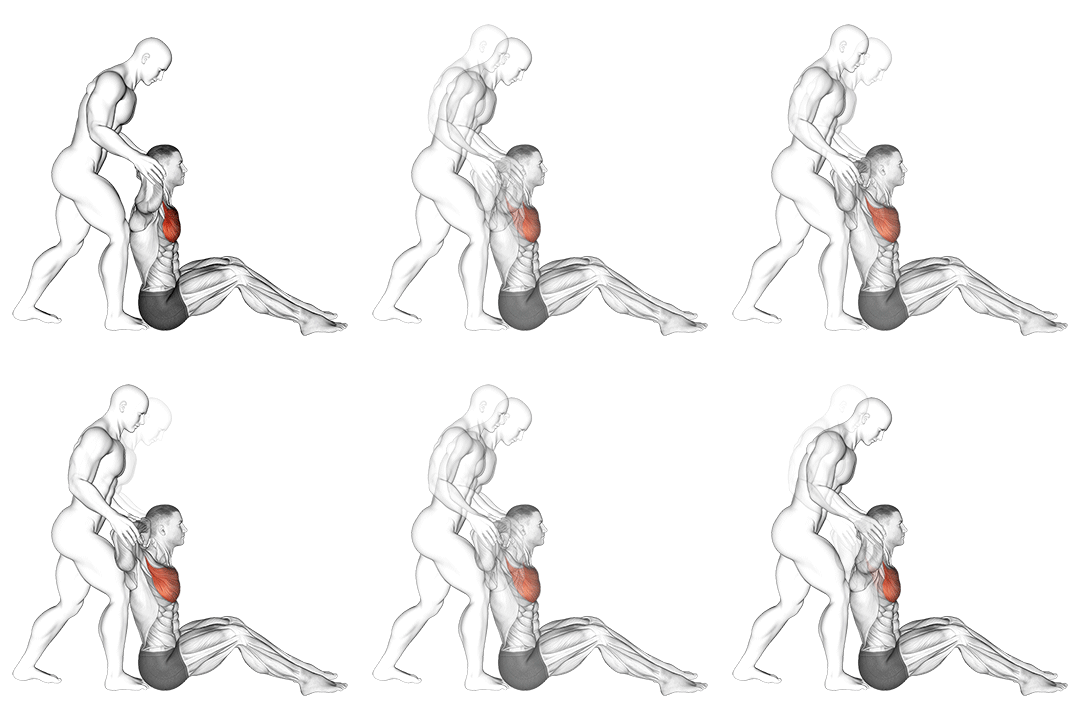
Behind Head Chest Stretch
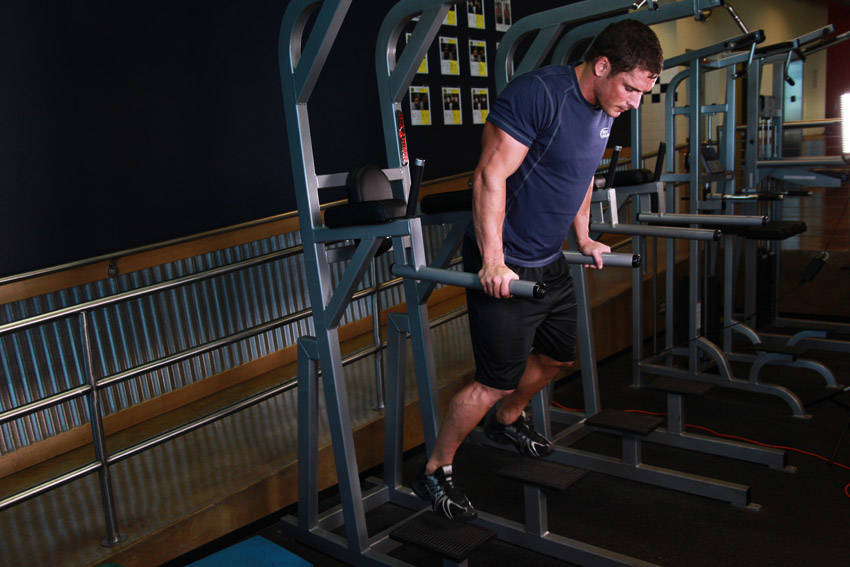
Dips - Chest Version
Head-to-Head Comparison
| Attribute | Behind Head Chest Stretch | Dips - Chest Version |
|---|---|---|
| Target Muscle |
Pectorals
|
Pectorals
|
| Body Part |
Chest
|
Chest
|
| Equipment |
Other
|
Other
|
| Difficulty |
Beginner
|
Intermediate
|
| Movement Type |
Isolation
|
Compound
|
| Secondary Muscles |
2
|
2
|
Secondary Muscles Activated
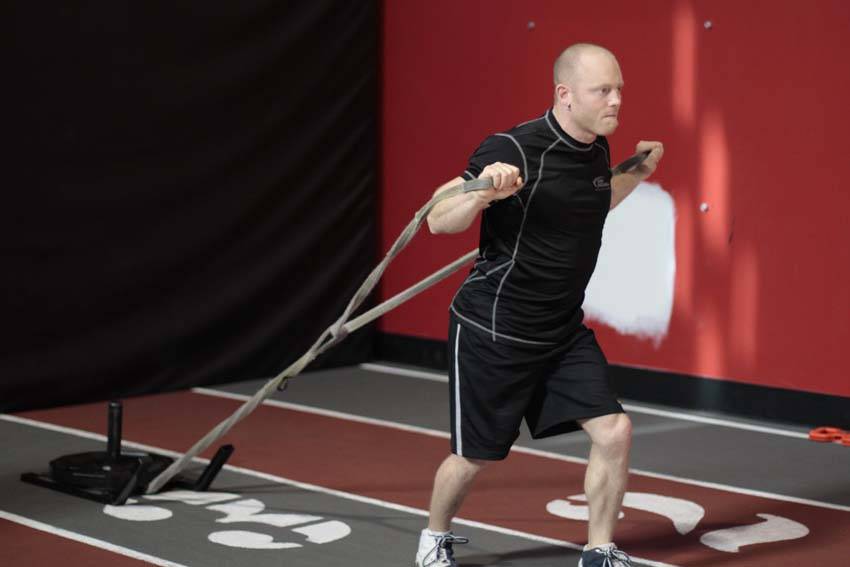
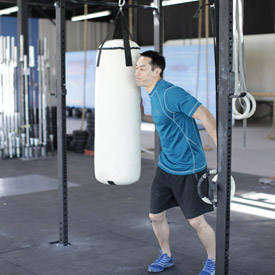
Behind Head Chest Stretch
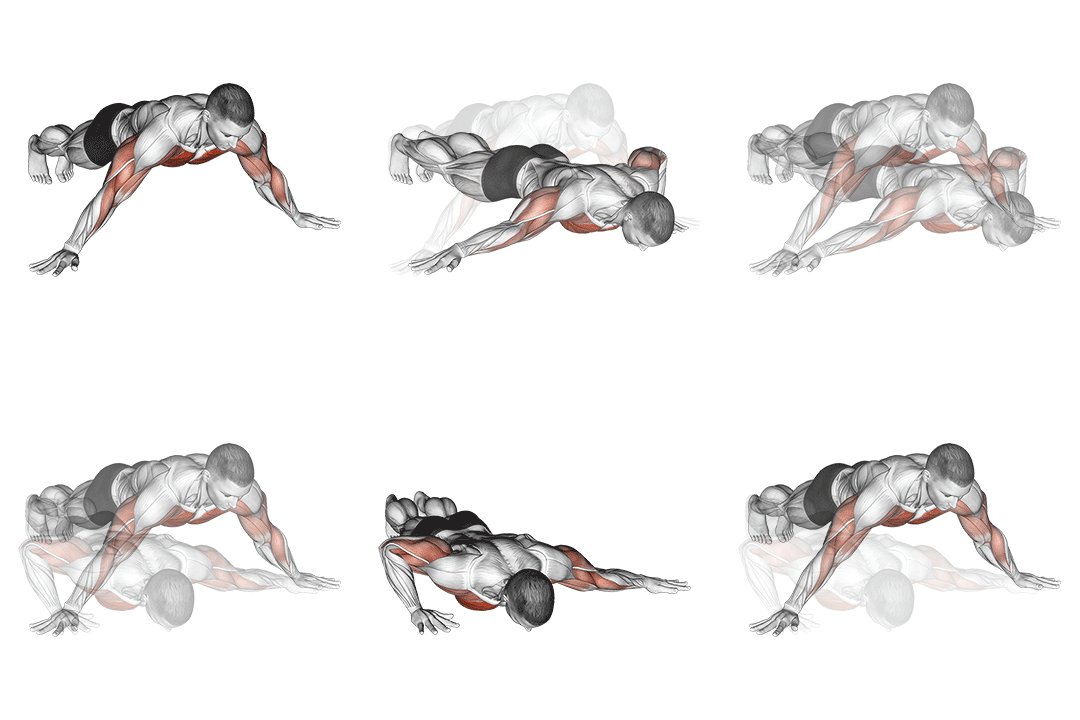
Dips - Chest Version
Visual Comparison
Overview
Behind Head Chest Stretch vs Dips - Chest Version — you’re choosing between a low-load chest opener and a high-load compound press. I’ll walk you through muscle activation, movement mechanics, equipment needs, injury risk, and practical programming so you can pick the one that matches your goals. You’ll get technique cues (angles, rep ranges), clear comparisons of primary and secondary recruitment, and scenario-based recommendations for hypertrophy, strength, beginners, and home workouts.
Key Differences
- Behind Head Chest Stretch is an isolation exercise, while Dips - Chest Version is a compound movement.
- Difficulty levels differ: Behind Head Chest Stretch is beginner, while Dips - Chest Version is intermediate.
- Both exercises target the Pectorals using Other. The main differences are in their movement patterns and muscle activation angles.
Pros & Cons
Behind Head Chest Stretch
+ Pros
- Very accessible; minimal equipment needed
- Improves pectoral length-tension and chest mobility
- Low joint compressive load compared to weighted presses
- Great for prehab/rehab and postural correction
− Cons
- Low mechanical tension—limited for muscle growth
- Doesn’t build concentric strength under load
- Overstretching can irritate unstable shoulders
Dips - Chest Version
+ Pros
- High mechanical tension—excellent for hypertrophy and strength
- Compound pattern trains triceps, anterior deltoid, and scapular stabilizers
- Easy to progressively overload with weight
- Functional pressing pattern that transfers to other lifts
− Cons
- Higher shoulder stress, especially at deep ranges
- Requires equipment (dip bars) and better technique
- Harder for true beginners to execute safely
When Each Exercise Wins
Dips generate higher mechanical tension and greater concentric-eccentric pectoral loading; aim for 6–12 reps with a 2–4 second eccentric and progressive overload to stimulate muscle growth.
Weighted dips allow for heavy, multi-joint loading and neural adaptation. Use 3–6 rep ranges with controlled tempo and gradual loading for maximum strength transfer.
The stretch has a gentler learning curve and lower joint forces, letting you improve shoulder mobility and chest length before adding heavy compound loading.
You can perform effective chest stretching and mobility at home with no or minimal equipment; dips require bars or stable elevated surfaces and add risk without proper setup.
Frequently Asked Questions
Can I do both Behind Head Chest Stretch and Dips - Chest Version in the same workout?
Yes — perform the Behind Head Chest Stretch as a warm-up or between sets to improve range of motion, then execute dips as the heavy, high-tension work. Keep stretches brief (20–30s) pre-lift and longer (30–45s) post-workout if mobility is the goal.
Which exercise is better for beginners?
Behind Head Chest Stretch is better for beginners because it teaches chest length-tension awareness and improves posture with low joint load. Build mobility and scapular control first, then progress to assisted dips or negative reps.
How do the muscle activation patterns differ?
Dips produce a concentric-eccentric pattern with high pectoral activation, especially when leaning forward; the stretch places the pectoral fibers at long lengths under low active tension, emphasizing passive tension and fascicle length rather than high force production.
Can Dips - Chest Version replace Behind Head Chest Stretch?
No — dips can’t replace the mobility benefits of the stretch. Dips provide load and strength stimulus, while the stretch increases length-tension exposure and thoracic mobility; use both for complementary results.
Expert Verdict
Use Dips - Chest Version when your priority is mechanical tension for muscle growth or raw pressing strength. Program dips for 3–5 sets of 6–12 reps for hypertrophy, or 3–6 reps for strength with added load, and keep a 20–30° forward lean to bias the chest while avoiding >90° extreme depth. Choose Behind Head Chest Stretch when your focus is mobility, posture, or shoulder-friendly prehab; perform 2–4 sets of 20–45 second holds with shoulder abduction near 90–120° and thoracic extension. Pair both strategically: use the stretch to improve range and reduce injury risk, then apply dips for overloaded stimulus.
Also Compare
More comparisons with Behind Head Chest Stretch
Compare More Exercises
Use our free comparison tool to analyze any two exercises head-to-head.
Compare Exercises