

Behind Head Chest Stretch vs Drop Push: Complete Comparison Guide
Behind Head Chest Stretch vs Drop Push — this head-to-head looks at two ways to work your pectorals. You’ll get clear differences in muscle activation, movement mechanics, equipment needs, difficulty, and when to use each in your program. I’ll walk you through specific technique cues, the biomechanics behind each movement (length-tension, force vectors, joint angles), and practical rep/hold ranges so you can pick the right option for muscle growth, strength, mobility, or rehab. Read on and you’ll know exactly which to choose for your goal.
Exercise Comparison
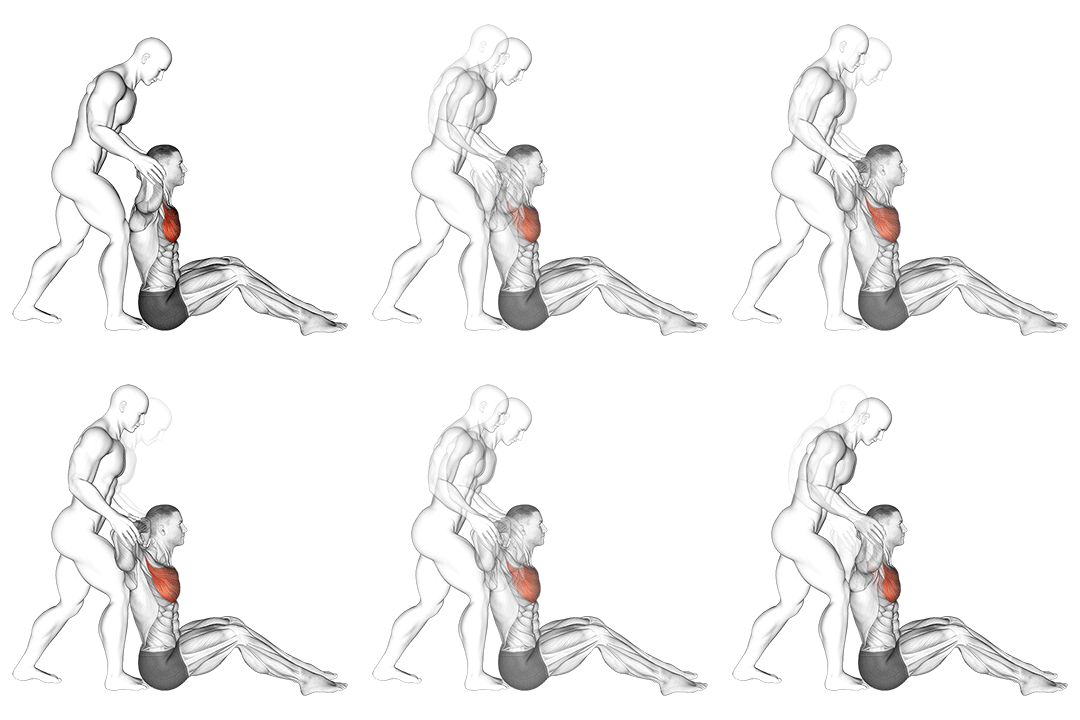
Behind Head Chest Stretch
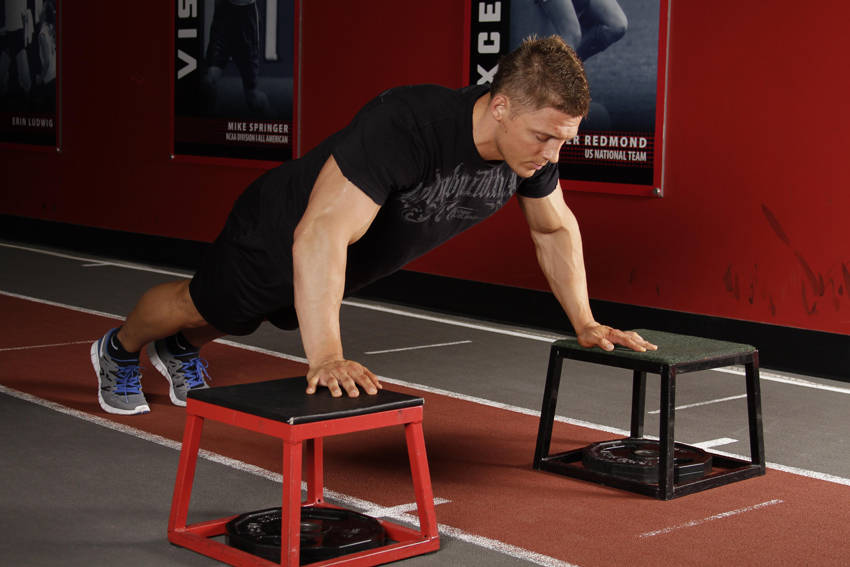
Drop Push
Head-to-Head Comparison
| Attribute | Behind Head Chest Stretch | Drop Push |
|---|---|---|
| Target Muscle |
Pectorals
|
Pectorals
|
| Body Part |
Chest
|
Chest
|
| Equipment |
Other
|
Other
|
| Difficulty |
Beginner
|
Intermediate
|
| Movement Type |
Isolation
|
Compound
|
| Secondary Muscles |
2
|
2
|
Secondary Muscles Activated
Behind Head Chest Stretch
Drop Push
Visual Comparison
Overview
Behind Head Chest Stretch vs Drop Push — this head-to-head looks at two ways to work your pectorals. You’ll get clear differences in muscle activation, movement mechanics, equipment needs, difficulty, and when to use each in your program. I’ll walk you through specific technique cues, the biomechanics behind each movement (length-tension, force vectors, joint angles), and practical rep/hold ranges so you can pick the right option for muscle growth, strength, mobility, or rehab. Read on and you’ll know exactly which to choose for your goal.
Key Differences
- Behind Head Chest Stretch is an isolation exercise, while Drop Push is a compound movement.
- Difficulty levels differ: Behind Head Chest Stretch is beginner, while Drop Push is intermediate.
- Both exercises target the Pectorals using Other. The main differences are in their movement patterns and muscle activation angles.
Pros & Cons
Behind Head Chest Stretch
+ Pros
- Easy to perform anywhere with minimal equipment
- Improves pectoral length-tension and chest mobility (hold 20–60s)
- Low concentric load, lower acute joint stress
- Great as a warm-up or cooldown to increase ROM
− Cons
- Limited ability to drive high mechanical tension for hypertrophy
- Provides mainly passive/isometric stimulus rather than dynamic strength
- Can overstretch the anterior shoulder if performed with poor scapular control
Drop Push
+ Pros
- Delivers high mechanical tension for muscle growth and strength
- Engages pectorals dynamically across concentric and eccentric phases
- Offers clear progression routes (load, tempo, volume)
- Improves pressing power and coordination of triceps and deltoids
− Cons
- Requires a stable surface and more technical setup
- Higher injury risk with poor form or excessive load
- Less accessible for beginners or those with limited shoulder mobility
When Each Exercise Wins
Drop Push wins because it creates greater mechanical tension and repeated concentric-eccentric cycles, which drive muscle protein synthesis. Use 6–12 reps per set, progressive overload, and controlled eccentrics to maximize hypertrophy.
Drop Push builds maximal force through loaded pressing and neural adaptations. Perform heavier sets in the 3–6 rep range with full-range control to improve maximal pressing strength and intermuscular coordination.
Behind Head Chest Stretch is simpler to teach, safer under low load, and helps establish shoulder mobility and scapular control before introducing compound presses. Hold 20–60 seconds and focus on scapular retraction.
Behind Head Chest Stretch requires minimal or no equipment and suits small spaces. If you want dynamic stimulus at home, you can still scale a Drop Push using bodyweight and a secure elevated surface, but the stretch is the easiest go-to.
Frequently Asked Questions
Can I do both Behind Head Chest Stretch and Drop Push in the same workout?
Yes. Use the Behind Head Chest Stretch as a mobility primer or between sets to maintain ROM, then perform Drop Push sets for strength or hypertrophy. Keep stretches controlled (20–60s) and perform heavy Drop Pushes after a proper warm-up to avoid fatigue-related form breakdown.
Which exercise is better for beginners?
Begin with Behind Head Chest Stretch to build shoulder mobility and teach scapular retraction under lengthened pecs. Once you can control the shoulder at deeper abduction and have basic pressing mechanics, progress to Drop Push variations.
How do the muscle activation patterns differ?
Drop Push produces peak pectoral activation during concentric pressing and mid-range horizontal adduction, with significant triceps and anterior deltoid involvement. Behind Head Chest Stretch places the muscle under passive/isometric tension at end range, enhancing stretch-induced passive force rather than high dynamic activation.
Can Drop Push replace Behind Head Chest Stretch?
No — Drop Push can’t fully replace the stretch because it emphasizes active loading rather than prolonged lengthening and mobility. If your goal is improved ROM or reducing anterior shoulder tightness, keep the Behind Head Chest Stretch in your routine alongside Drop Push for strength.
Expert Verdict
Use Drop Push when your primary goal is building chest strength and muscle through progressive overload. Its concentric-eccentric loading pattern drives higher mechanical tension and greater recruitment of pectoralis, anterior deltoid, and triceps. Program Drop Push for sets of 3–12 reps depending on strength versus hypertrophy focus, and emphasize scapular stability. Choose Behind Head Chest Stretch when you need to increase pectoral length-tension, improve shoulder ROM, or prep the chest before heavier work. Hold stretches 20–60 seconds, progress with band tension or deeper abduction, and avoid forcing end-range if you lack scapular control. Combine both across a program: stretch for mobility and Drop Push for loaded adaptation.
Also Compare
More comparisons with Behind Head Chest Stretch
Compare More Exercises
Use our free comparison tool to analyze any two exercises head-to-head.
Compare Exercises