

Behind Head Chest Stretch vs Heavy Bag Thrust: Complete Comparison Guide
Behind Head Chest Stretch vs Heavy Bag Thrust puts a low-load chest opener up against a dynamic compound pushing movement. You’ll get clear, practical guidance so you can pick the right move for flexibility, muscle growth, or power. I’ll cover primary and secondary muscle activation, biomechanics (length-tension, force vectors, scapular mechanics), equipment needs, learning curve, injury risk, and concrete reps/sets. Read this if you want step-by-step cues and when to use each exercise in your program so you can make progress while protecting your shoulders and maximizing chest stimulus.
Exercise Comparison
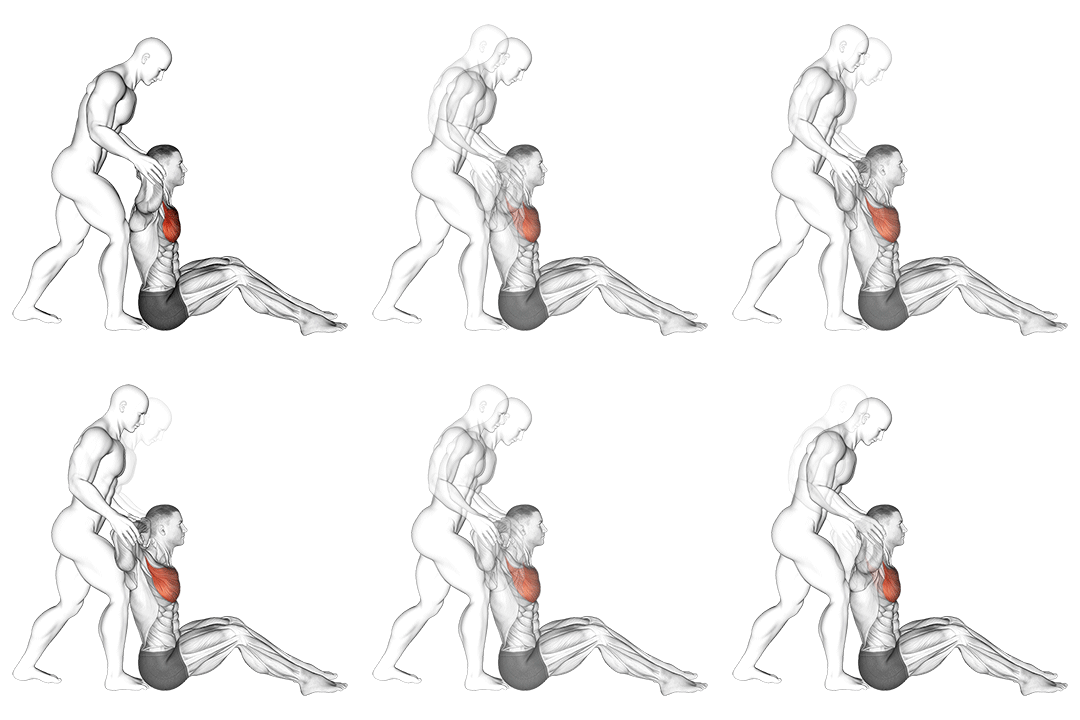
Behind Head Chest Stretch
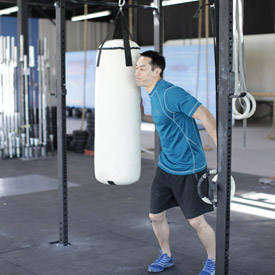
Heavy Bag Thrust
Head-to-Head Comparison
| Attribute | Behind Head Chest Stretch | Heavy Bag Thrust |
|---|---|---|
| Target Muscle |
Pectorals
|
Pectorals
|
| Body Part |
Chest
|
Chest
|
| Equipment |
Other
|
Other
|
| Difficulty |
Beginner
|
Intermediate
|
| Movement Type |
Isolation
|
Compound
|
| Secondary Muscles |
2
|
3
|
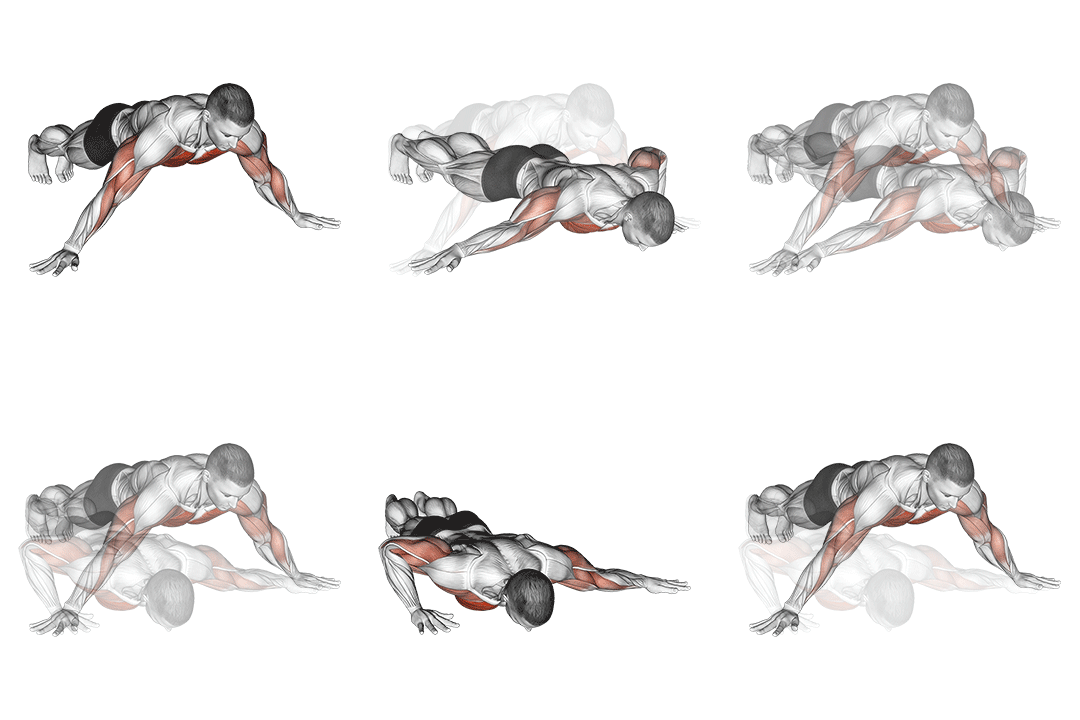
Secondary Muscles Activated
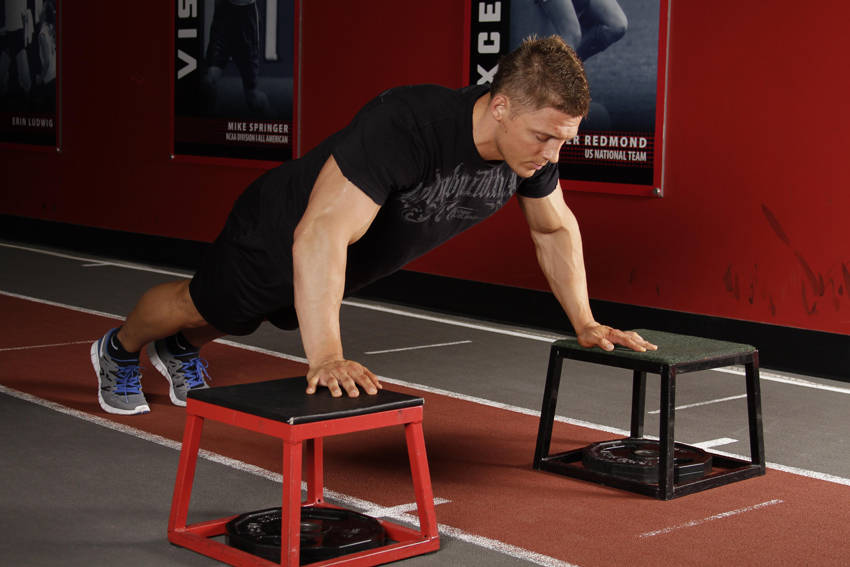
Behind Head Chest Stretch
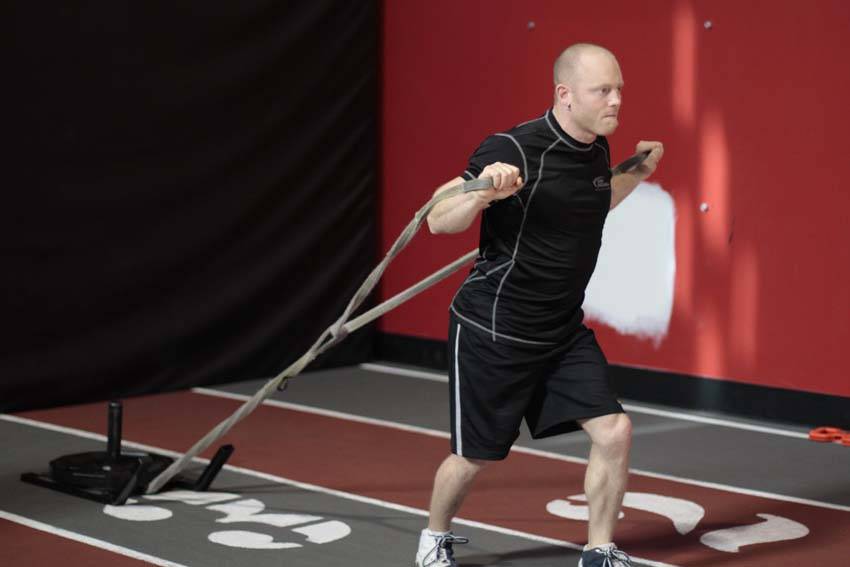
Heavy Bag Thrust
Visual Comparison
Overview
Behind Head Chest Stretch vs Heavy Bag Thrust puts a low-load chest opener up against a dynamic compound pushing movement. You’ll get clear, practical guidance so you can pick the right move for flexibility, muscle growth, or power. I’ll cover primary and secondary muscle activation, biomechanics (length-tension, force vectors, scapular mechanics), equipment needs, learning curve, injury risk, and concrete reps/sets. Read this if you want step-by-step cues and when to use each exercise in your program so you can make progress while protecting your shoulders and maximizing chest stimulus.
Key Differences
- Behind Head Chest Stretch is an isolation exercise, while Heavy Bag Thrust is a compound movement.
- Difficulty levels differ: Behind Head Chest Stretch is beginner, while Heavy Bag Thrust is intermediate.
- Both exercises target the Pectorals using Other. The main differences are in their movement patterns and muscle activation angles.
Pros & Cons
Behind Head Chest Stretch
+ Pros
- Requires minimal equipment and space
- Improves pectoral length-tension relationship and posture
- Low acute injury risk when performed correctly
- Great for rehab, mobility, and prehab work
− Cons
- Offers limited stimulus for muscle hypertrophy under load
- Passive nature provides low motor unit recruitment
- Can worsen pain if scapular control is poor
Heavy Bag Thrust
+ Pros
- High motor unit recruitment for hypertrophy and power
- Builds integrated core-to-shoulder force transfer
- Easily progressed with heavier bags or added reps
- Effective for sport-specific pushing and conditioning
− Cons
- Requires heavy equipment and space
- Higher technique demand and injury risk if rushed
- Can overload the shoulder joint if scapulae and rotator cuff are weak
When Each Exercise Wins
The thrust produces higher concentric loads and peak pectoral activation, allowing progressive overload (3–5 sets of 6–12 reps) and mechanical tension required for muscle growth.
Its compound, closed-chain force transfer and capacity for added load improve relative pressing strength and intermuscular coordination needed for strength development.
It’s low-skill and low-load, teaches scapular retraction and proper shoulder positioning, and reduces pain risk while improving range of motion before adding loaded work.
Minimal equipment and space make the stretch a practical option at home, whereas a heavy bag needs mounting and more room.
Frequently Asked Questions
Can I do both Behind Head Chest Stretch and Heavy Bag Thrust in the same workout?
Yes. Use the Behind Head Chest Stretch as a mobility primer or cooldown and the Heavy Bag Thrust for your working sets. For example, do 2–3 stretch holds of 30–45s before 3–5 thrust sets to improve shoulder position and reduce injury risk.
Which exercise is better for beginners?
Behind Head Chest Stretch is better for absolute beginners because it teaches scapular retraction and improves pectoral length without heavy load. Once you’ve built basic stability and pain-free range, add the Heavy Bag Thrust with low loads and focus on technique.
How do the muscle activation patterns differ?
The stretch creates low-level tonic activation emphasizing passive lengthening and improved length-tension relationships, while the thrust produces phasic, high-amplitude concentric activation of the pectorals, triceps, and deltoids with core-driven force transfer.
Can Heavy Bag Thrust replace Behind Head Chest Stretch?
No—Heavy Bag Thrust can’t fully replace the stretch for mobility and tissue lengthening because it emphasizes loaded concentric work. If your goal is both mobility and strength, keep the stretch as a warm-up and use thrusts for strength and hypertrophy.
Expert Verdict
Choose the Behind Head Chest Stretch when your priority is mobility, posture correction, or prehab—use 2–4 sets of 20–60 second holds, focus on scapular retraction and avoid forcing shoulder extension past comfortable range. Opt for the Heavy Bag Thrust when you want hypertrophy, power, or functional pressing strength: perform 3–5 sets of 4–12 reps, cue a triple flexion drive (hips, knees, ankles), brace the core, and finish with horizontal adduction through the shoulder. If you have limited equipment or sore shoulders, start with the stretch and progress into heavy bag thrusts after restoring scapular control and 70–90% ROM.
Also Compare
More comparisons with Behind Head Chest Stretch
Compare More Exercises
Use our free comparison tool to analyze any two exercises head-to-head.
Compare Exercises